 Call Us
 18002099100


0 0 Discovering The Truth Of Underwater Dwarka Underwater Dwarka refers to archaeological remains that were discovered in the waters off the present-day Dwarka coast in Gujarat. Marine archaeologists have documented stone structures, anchors, and other artefacts. All of which […]

6 min read
Table of contents
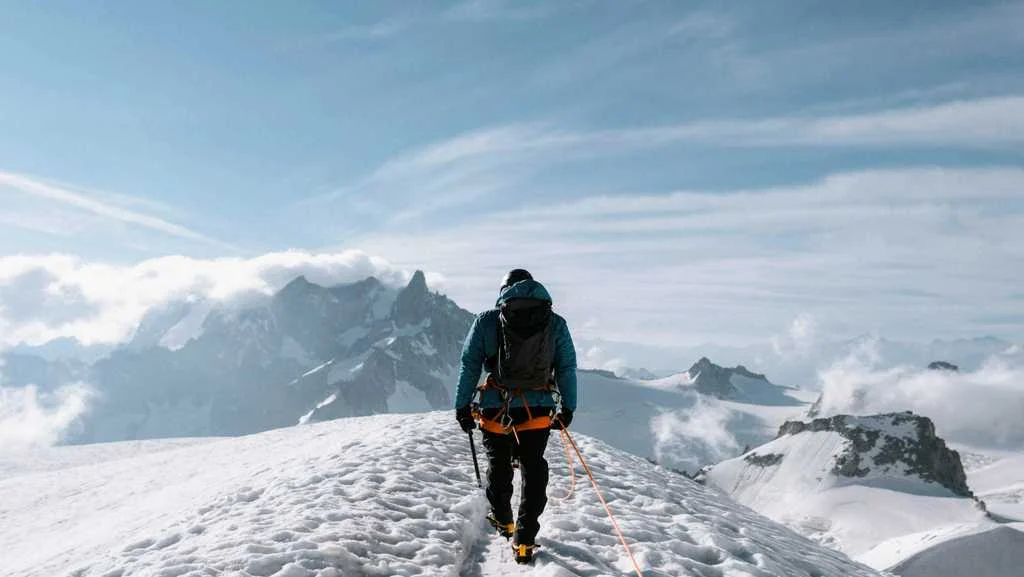
The beautiful Kedarkantha mountain peak is a part of the Himalayas and is located in Uttarakhand, India. It features a breathtaking trek route with the Sankri base camp, situated in the Uttarkashi district, as its starting point. If you are planning to cover this Kedarkantha trek route, go through this page to learn more about it. You can also check out other Uttarakhand tour packages in order to make the most out of your journey.
How to reach the Sankri base camp?
You have to first get to Dehradun and then head out for the starting point of the trek. You can find various transport options to reach Sankri village from Dehradun. It is about a 198 km drive distance, and you can cover it by bus, shared jeeps, taxis, etc. The direct public bus route from Dehradun to Sankri village takes around 10 to 11 hours and starts around 5 AM onwards. As for connecting transport, you can take a bus from Dehradun to Hanol or Purola and get a taxi or bus to Sankri from there. Besides buses, you can also hire private taxis or take shared jeeps from Dehradun to reach Sankri village, which has a journey time of about 7 to 8 hours. If you are planning your journey from Delhi, you have the option to hire a direct taxi from Delhi to Sankri or take a train, flight to Dehradun from New Delhi and then get on a bus or taxi to reach Sankri. Otherwise, you can take a flight to Dehradun from anywhere in India, and reach Sankri via bus, shared jeeps, taxis, etc.
Kedarkantha trek route details
The Kedarkantha trek route is one of the most beautiful and soothing sites in all of India. The starting point of this trek is the Sankri base camp, located at an elevation of 6,400 feet, while the elevation of Kedarkantha peak is 12,500 feet (3,800 metres). In terms of the total Kedarkantha trek distance, the path stretches for about 20 kilometres to the summit point. The route is surrounded by gorgeous visuals composed of scenic landscapes and natural vegetation. The journey is usually divided into several parts, spanning over a handful of days, making it feasible for all types of visitors.
When is the best time to go for the Kedarkantha trek?
The Kedarkantha trek’s best time is considered to be during the winter season. While snowfall makes other mountain trek routes difficult and inaccessible during the cold season, it makes the trek to Kedarkantha mesmerising. If you are looking for a winter adventure surrounded by snow-covered mountains and landforms, take up the Kedarkantha trek between mid-December to April. And if you are hoping to experience snowfall during your visit, you can aim for the window between late December to March. Even though you can schedule your Kedarkantha trek any time of the year, winter is generally the best period because the snow magnifies the beauty of the mountains and the trek path. Temperatures stay between 5 to 10 degrees celsius during the day and drop to 0 to -10 degree celsius at night during this season.
What is the best plan for the Kedarkantha trek?
The ideal plan for the trek to Kedarkantha spans 5 to 6 days. Here’s a short outline:
- Day 1: Dehradun to Sankri base camp
Take your choice of transport at Dehradun for the 198 km commute to reach the Sankri base camp at 6,400 feet. This journey usually takes 8 to 10 hours, and you can advance your trek the next day.
- Day 2: Sankri base camp to Juda Ka Talab
From Sankri, your ascent to 9,000 feet to reach Juda Ka Talab will begin. The route contains all kinds of mountainous trees, lakes, lush landscapes, etc., for you to witness.
- Day 3: Juda Ka Talab to base camp at Kedarkantha
The journey resumes the next day from Juda Ka Talab, where you will ascend to 11,200 feet to reach the Kedarkantha base camp. It usually takes 3 hours to complete and is about a 4-kilometre climb.
- Day 4: Base camp at Kedarkantha to summit to Hargaon
From the base camp at Kedarkantha, you will set out for the summit on day 4, reaching an elevation of 12,500 feet. The trek should take about 2 to 3 hours to complete, and after enjoying the glorious visuals, be prepared for the descent to reach Hargaon at 8,450 feet.
- Day 5: Hargaon to Sankri
On the last day of the trek, you will head back to Sankri village from Hargaon. You can choose to stay at Sankri for a few more days or head back to Dehradun on the same day for your return.
What to carry along for the Kedarkantha trek?
If this is your first time going for the Kedarkantha trek, here are some items that you would need for the trip:
- To counter the cold, make sure to carry warm clothes along with gloves, mufflers, socks, beanie, etc., and layer your clothes 3 to 5 times.
- Charged-up power banks, water-proof bags to keep dry clothes, thermal-insulated flask, snacks for mid-trek glucose boost, etc.
- Accessories like snow boots, eye protectors, trekking poles, emergency flashlights with extra sets of batteries, etc., are required for the trip.
- Additional items like toiletries, a first-aid kit, and OTC medications to fend off stomach problems, sprains, headaches, altitude sickness, etc., are also vital for the journey.
Planning your next big cross-country or international trip? Check out tour details, package prices, transport options, and more on our website.
Tips for Kedarkantha trek
The Kedarkantha trek is quite beginner-friendly, and here are some tips for your journey:
- If you are confused about the route or don’t wish to take so much responsibility for setting up the trip, consider going with a travel company. They will handle your entire trip and offer guidance so you can enjoy the trek without bashing your brain in planning it.
- Reserve hotel, homestay, vehicles and other crucial things in advance to avoid any issues with the availability of transport and accommodation during the journey.
- For the best experience, opt for a local Kedarkantha trek guide. They will help make your whole trekking and sightseeing experience better.
- The availability of proper trekking accessories can be scarce during peak season, so try to book them in advance. You will need a trekking pole, headlights/flashlights, snow boots, etc., for the trek, so make sure to get them.
- Pack only the essential items in your backpack during the trek because carrying a heavy load on your back can make the journey unnecessarily challenging.
- You may face electricity and mobile connectivity issues in Sankri and onwards, so be prepared for that.
- It is recommended to carry sufficient cash with you before reaching Sankri as ATM availability is an issue after Mori. Try cashing out what you need after reaching Dehradun.
Is the Kedarkantha trek difficult?
The trek to Kedarkantha is one of the most delightful and adventurous paths you can cover amidst the gorgeous Himalayas. As the journey starts from Sankri base camp at 6,400 feet and goes up to Kedarkantha summit at 12,500 feet, you can expect some altitude sickness due to reduced oxygen levels in the air. On top of that, the approximate Kedarkantha trek distance is about 20 km with steady climbs and descends, so a medium fitness level is favourable. Despite being challenging, you can enjoy its one-of-a-kind scenic beauty even as a first-time hiker and witness the Kedarkantha temple, which is a stone-sheeted Lord Shiva shrine, at the summit.
Is the Kedarnath trek different from the Kedarkantha trek?
Yes, the Kedarkantha and Kedarnath treks are different from one another. Even though Garhwal Himalayan is the parent range for both of them, they are entirely different locations with distinct trek routes. The Kedarnath trek is about 16 kilometres long and has Gaurikund as its starting point. On the other hand, the Kedarkantha altitude is 12,500 feet and has a 20 kilometres long trek route that starts from the base camp at Sankri village.
Do I need permits for the Kedarkantha trek?
Yes, for your Kedarkantha trekking journey, you will require permits. It applies to both solo and group visitors. If you opt for a packaged tour, the travel company usually takes care of these types of things. Otherwise, you can find Kedarkantha trekking permits at Mori, Natwa, and Purola checkpoints. These permits generally cost around INR 50 for each day, so depending on your planned journey, make sure to get your trekking permit.
Conclusion:
This sums up all the vital details you need to know before going on the Kedarkantha trek. The best time for Kedarkantha trek is in winter. However, you may choose to schedule your journey in other seasons too. The entire trekking route is gorgeously surrounded by natural beauty. It also features spectacular monuments, local culture, lifestyle, food, and more. This trek creates a perfect blend of challenging yet beginner-friendly adventures, ideal for new hikers. On top of that, counting on transport, accommodation, and other expenses, the Kedarkantha trek cost is also very budget-friendly. So, consider Kedarkantha for your next big trekking trip, even if you plan to go solo or with friends and family. Besides a marvellous trekking experience, Uttarakhand also has various other interesting tourist sites and locations that you can check out. Learn everything you need to know about Uttarakhand tourism here.

Recommended Articles for you

Guptar Ghat, Ayodhya: Where Lord Rama Is Believed to Have Taken Jal Samadhi
0 0 Guptar Ghat is a riverside ghat on the Sarayu in Ayodhya, where Lord Rama took jal samadhi (final union with the river) at the end of his earthly life. It is much more peaceful than Ram Ki Paidi, […]
What to Eat in Dwarka: Local Food, Temple Prasad & Best Places to Try It
0 0 What to Eat in Dwarka? Dwarka is primarily a vegetarian food destination. Gujarati cuisine is the highlight. A Gujarati thali is what you order to enjoy multiple local dishes in one meal. Must-try local favourites: dhokla, khaman, fafda-jalebi, […]
Madurai-Rameshwaram-Kanyakumari: Planning the Classic South Tamil Nadu Circuit
0 0 How Can You Plan the Madurai-Rameshwaram-Kanyakumari Circuit? 1. Ideal duration: Five days is a good enough balanced trip covering the main attractions of Tamil Nadu. 2. Suggested route: Madurai → Rameshwaram → Kanyakumari. Day 1: Explore Madurai’s temples, […]
Rajasthan’s Spiritual Oasis: Experiencing Peace & Devotion in Pushkar
0 0 Looking for the best places to visit in Pushkar? This sacred Rajasthan town near Ajmer wraps around Pushkar Lake and its 52 ghats, and holds one of India’s rare Brahma temples. Visit between October and March, dress modestly, […]
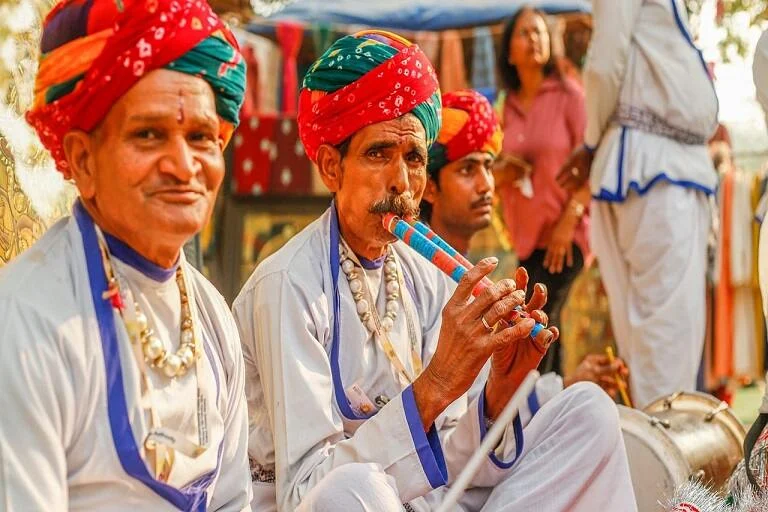
Top 5 Things About Local Art and Culture of Rajasthan
0 0 Rajasthan art and culture come together in Bandhani and block-printed textiles, Kundan and Meenakari jewellery, Ghoomar and Kalbeliya dances, and Dhrupad music. Add Ghagra-Choli and Dhoti-Kurta clothing, Marwari and Mewari speech, and fairs like Pushkar and Teej, and […]
A 2-Day Rameshwaram Itinerary: Temples, Bridges and the Ghost Town
0 0 What Can You Cover in Two Days in Rameshwaram? On the first day, visit Ramanathaswamy Temple, Agni Theertham, and Pamban Bridge. On the second day, visit Dhanushkodi and see the Dr APJ Abdul Kalam Memorial. One day is […]
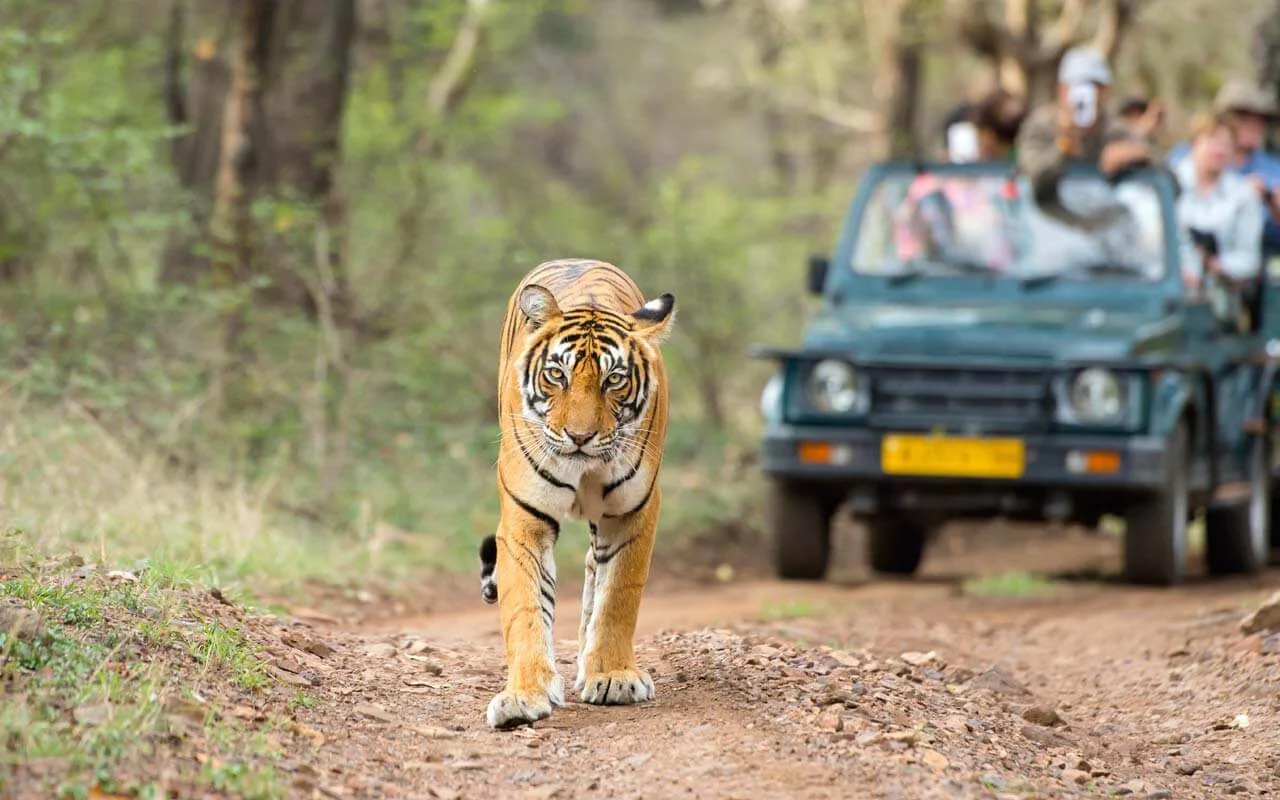
Visiting the national parks and sanctuaries in Rajasthan
0 0 Rajasthan’s top national parks include Ranthambore and Sariska for tigers, Keoladeo National Park Bharatpur, for migratory birds, and Desert National Park near Jaisalmer for blackbuck and desert raptors. They are best visited from October to June, with jeep […]
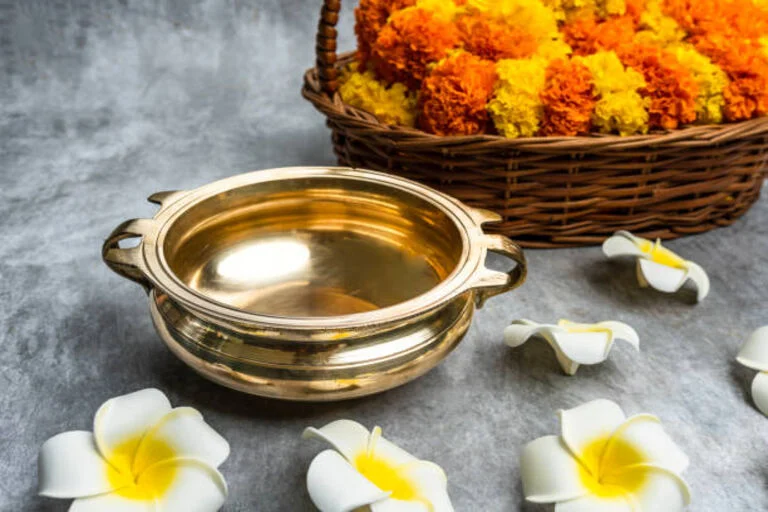
Ayurvedic Healing Retreats in Kerala: A Journey to Inner Harmony
0 0 In the tranquil backwaters and lush greenery of Kerala, lies a treasure trove of ancient wisdom and healing practices known as Ayurveda. For centuries, this South Indian state has been a sanctuary for those seeking rejuvenation, balance, and […]
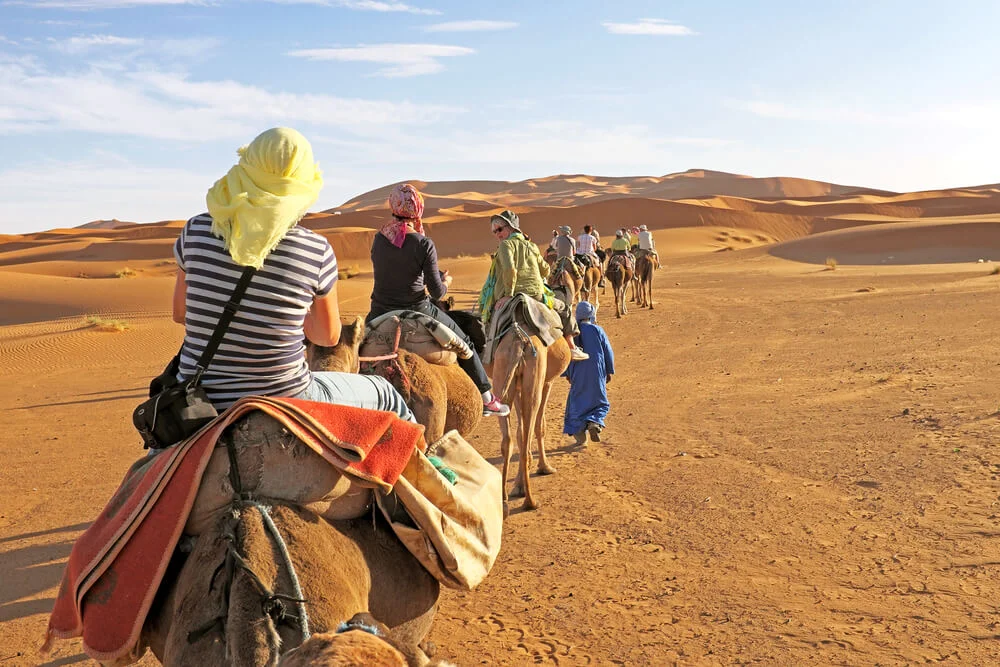
Enjoy exotic camel safari in Rajasthan
0 0 A camel safari in Rajasthan means riding across the Thar Desert near Jaisalmer, Bikaner, Jodhpur and Pushkar, anywhere from a quick sunset ride to a night in a desert camp. October to March is the comfortable season. Short […]
Rukmini Devi Temple, Dwarka: The Legend of Krishna’s Separated Queen
0 0 The Rukmini Devi Temple is dedicated to Rukmini, the principal queen and consort of Lord Krishna. The Rukmini Devi Temple Dwarka is just 2 kms farther than the Dwarkadhish Temple. The Rukmini Devi Temple is known for its […]

Everything You Need to Know About Kovalam Beach in Kerala
0 0 Because of several serene and beautiful places to visit in Kerala, the state holds a divinity among those who consider travel as a part of their lifestyle. Hiding a world within itself, this lovely state is has […]
Elephant Falls Meghalaya: Timings, Entry Fee, Best Time & Travel Guide
0 0 Meghalaya’s Elephant Falls At A Glance Meghalaya is one of the best destinations to go for a holiday. There are many beautiful spots to see there, and one of them is Elephant Falls. It is a three-tiered waterfall […]
Mahakaleshwar Temple Ujjain: History, Nabhi Sthala Legend, Darshan Guide & Road to Simhastha 2028
0 0 Mahakaleshwar is the only south-facing, self-manifested Jyotirlinga, sitting underground in Ujjain. It is known as the “navel of the earth.” Expect insane crowds during Shravan 2026 and Simhastha 2028; book Bhasma Aarti separately, wear a dhoti/saree for inner […]

Rajasthan and the legends of its forts
0 0 Some of the most famous forts in Rajasthan are Amber and Jaigarh in Jaipur, Mehrangarh in Jodhpur, Jaisalmer Fort, Junagarh in Bikaner, and the UNESCO-listed Chittorgarh and Kumbhalgarh. Rajput rulers built them between the 8th and 18th centuries, […]
Must Visit Places To Shop In Rajasthan
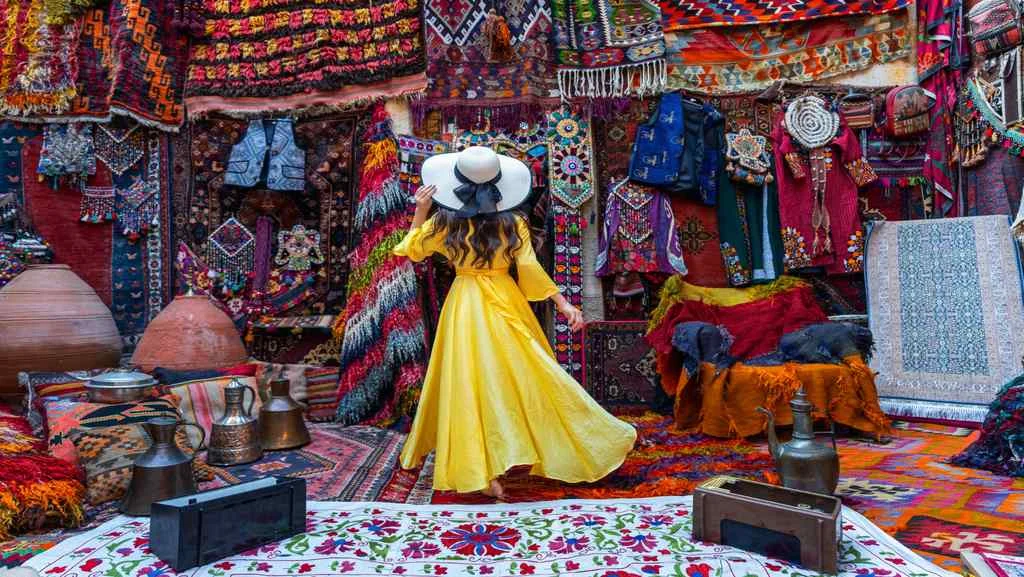
0 0 Shopping in Rajasthan is best done city by city: Jaipur’s Johari and Bapu Bazaars for jewellery and textiles, Jodhpur’s Sojati Gate and Clock Tower Market for bandhej, Udaipur’s Hathi Pol for handicrafts, Jaisalmer’s Sadar Bazaar for embroidery, and […]
Dawki River, Meghalaya: The Complete Guide to India’s Clearest River
0 0 The Dawki River (Umngot River) in Meghalaya’s West Jaintia Hills is famous for its crystal-clear water. It lies about 80 to 90 km from Shillong, near the India-Bangladesh border. The river looks its best from November to March, […]
Umiam Lake (Barapani), Shillong: A Practical Visitor Guide
0 0 Umiam Lake Meghalaya is also referred to as Barapani, meaning Big Water ” in the local language. This Lake is a man-made reservoir located around 15 km from Shillong. The Umiam River was dammed to build this Lake. […]
Everything You Need to Know About Silent Valley National Park In Kerala
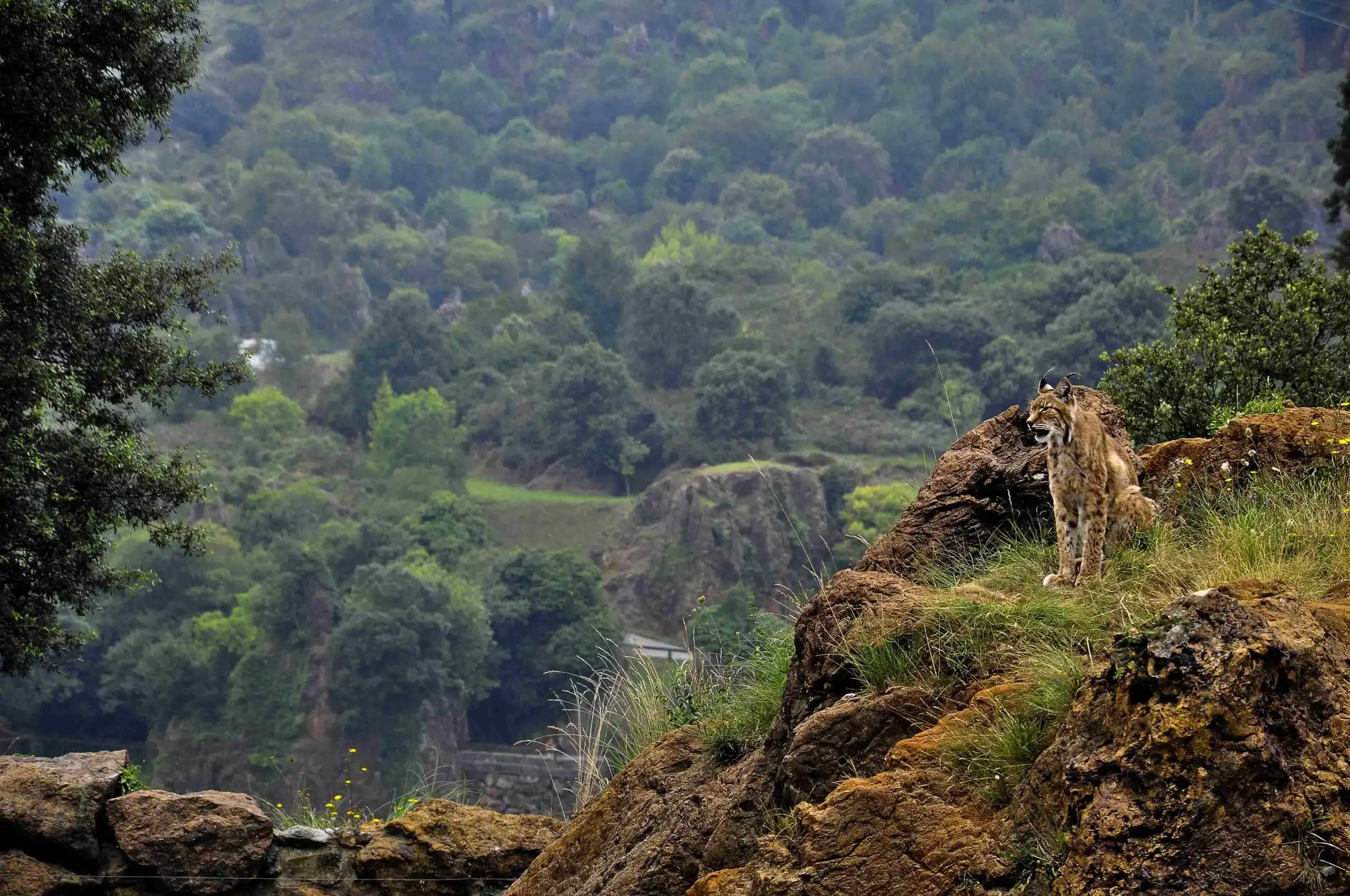
0 0 Home to some of the rarest animals and the greenest of forests, the Silent Valley National Park in Kerala is one of the top destinations for wildlife fanatics and nature lovers in India.Silent Valley, with its beautiful views […]

Top Most Powerful and Famous Temples in Kerala
6 0 The temples in Kerala are famous and tourists from all over India and even from other countries come to visit them. The idea of visiting the place without actually making a round of the temples is unthinkable. After […]