 Call Us
 18002099100


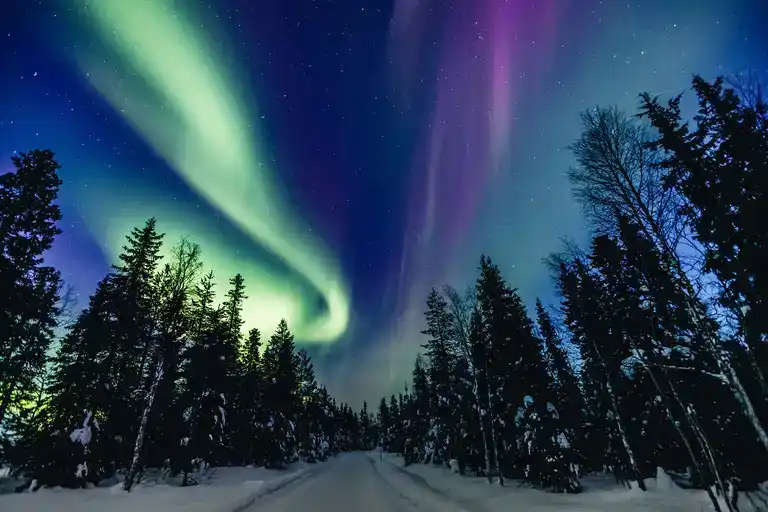
0 0 There is a particular kind of silence that falls over you the first time the sky turns green above your head. It is not something a screen can prepare you for. That unforgettable moment is what makes Northern […]
Table of contents
- Must-see temples: Pashupatinath Temple, Boudhanath Stupa, Swayambhunath (Monkey Temple), Kathmandu Durbar Square
- Ideal trip length: 3 days covers the core sites comfortably, 1 day works if you’re pressed for time
- Day trips worth adding: Bhaktapur Durbar Square (30-40 minutes away), Patan Durbar Square (25 minutes away)
- Best months to visit: March-May and September-November
- Entry fees range from NPR 400 to NPR 1,800 depending on the site
Introduction
For Indian travellers, Kathmandu sits in an odd, appealing space. It’s close enough for a long weekend, yet culturally distinct enough to feel like a proper trip abroad. Flights from Delhi or Kolkata take under two hours, and Indian nationals don’t need a visa, which removes most of the usual friction that comes with international travel. There’s also the religious pull. Pashupatinath is one of the holiest Shiva temples anywhere, and a lot of Indian visitors come specifically for that reason, sometimes as part of a longer pilgrimage circuit, sometimes just to see it once.
But Kathmandu isn’t only a pilgrimage stop, and treating it as one means missing half the point. It’s a genuine Kathmandu tourist destination in its own right, with Newari architecture, Tibetan Buddhist culture, and an old city that rewards slow Kathmandu sightseeing on foot rather than a rushed checklist ticked off from the back of a taxi.
Top Things to Do in Kathmandu
There is no scarcity of things to do in Kathmandu. Here are a few highlights for you:
Famous Temples & Heritage Sites
1. Pashupatinath:
Any list of famous temples in Kathmandu starts with Pashupatinath, on the banks of the Bagmati River. This is Nepal’s most important Hindu temple, and it doubles as the country’s principal cremation site, which is not something every visitor expects going in.
Non-Hindus can’t enter the main sanctum, but you can watch from across the river, and that’s actually where the temple reveals itself properly. Cremations tend to pick up in the late afternoon, somewhere around 3 or 4 pm, and standing there as smoke drifts across the ghats gives you a far more honest sense of the place than any photograph will.
Sadhus with matted hair and ash-streaked skin sit along the steps, some genuinely in meditation, others posing for a fee, and it’s worth knowing the difference before you hand over any rupees. It can be a lot to take in on a first visit, and that’s fine; you’re allowed to just sit on the steps for a while and not say much.
2. Boudhanath Stupa:
Boudhanath Stupa, about twenty minutes northeast, is the calmer counterpart. It’s one of the largest stupas in the world and the centre of Tibetan Buddhist life in the valley. Everyone walks clockwise around it, a direction called kora, because that’s the way the mantras carved into the surrounding prayer wheels are meant to be read as you spin them, and going the wrong way tends to draw a polite correction from an elderly local fairly quickly.
Go around sunset, when butter lamps get lit, and monks from the nearby gompas start their evening rounds, and you’ll understand why people linger here over tea rather than rushing through.
3. Swayambhunath:
Swayambhunath, the Monkey Temple, sits on a hilltop west of the old city and involves climbing around 365 stone steps to reach the top. Arrive at sunrise if you can manage it, even if that means dragging yourself out of bed earlier than you’d like.
The light is soft, the resident monkeys are still half asleep, and the painted Buddha eyes on the central stupa watch over a view of the entire Kathmandu valley spread out below. Among the many Kathmandu temples scattered across the valley, this is the one that gives you geography as well as atmosphere, so it’s worth the climb even if your legs disagree with you halfway up.
4. Kathmandu Durbar Square
Kathmandu Durbar Square, the old royal palace complex, is where the density of history hits hardest. Enter from the Basantapur side rather than the main Hanuman Dhoka gate; the queue there is consistently shorter, sometimes by twenty minutes or more.
Wander through the Kumari Ghar courtyard, home to Nepal’s living goddess, and the carved wooden Kasthamandap, said to be built from the timber of a single tree. Some of the surrounding structures are still being restored after the 2015 earthquake, and scaffolding here and there is just part of the reality of visiting right now.
Other Must-Visit Attractions
Not every hour in the city needs to be spent inside Kathmandu temples, and that’s where the wider Kathmandu sightseeing places prove useful.
1. Thamel:
Thamel is the obvious counterweight, a tangle of narrow lanes packed with trekking gear shops, bookstores, and rooftop cafés, and it’s an easy place to spend an evening bargaining for pashmina shawls or singing bowls, whether you actually need one or not.
2. The Garden of Dreams:
The Garden of Dreams, tucked just off Thamel’s edge, is a restored neoclassical garden with fountains and pergolas, a genuinely quiet spot to sit with a coffee after a morning of walking around temples and dodging traffic.
3. Narayanhiti Palace Museum:
The Narayanhiti Palace Museum, the former royal residence, is worth an hour if you’re curious about Nepal’s monarchy and its fairly abrupt end in 2008.
Together, these round out the Kathmandu tourist attractions beyond the obvious religious circuit, giving you a sense of the city’s more recent, everyday life alongside its ancient one, and honestly it’s a relief to have somewhere to just sit for a bit that isn’t a Kathmandu temples courtyard.
Best Day Trips from Kathmandu
A day trip from Kathmandu is another additional treat when you do this trip:
1. Bhaktapur Durbar Square:
Bhaktapur Durbar Square, roughly 13 kilometres and 30-40 minutes by taxi, is the best-preserved of the valley’s three royal cities. Its central squares are largely car-free, the brick buildings are still lived in rather than preserved behind ropes, and the Nyatapola Temple, Nepal’s tallest pagoda, dominates Taumadhi Square from five storeys up. Try the local juju dhau while you’re there, a thick, caramelised curd sold in small clay pots that you eat with a spoon and then, if you’re anything like most visitors, immediately want a second one.
2. Patan Durbar Square:
Patan Durbar Square, only around 6 kilometres and 20-25 minutes away, feels less crowded and more artisan-focused than either of the other two squares. The Patan Museum inside the old palace is genuinely one of the better small museums in South Asia, well laid out and not overwhelming, and the surrounding lanes are full of metalworkers still hammering out Buddha statues by hand the way their families have for generations.
3. Nagarkot:
If your schedule stretches to a fourth stop, Nagarkot, about 32 kilometres and 90 minutes out, gives you a proper Himalayan sunrise, with Everest visible on a clear day if the weather cooperates. These attractions in Kathmandu Nepal, taken together, cover a wide range of what the valley offers beyond its capital city core, and each of these Kathmandu attractions places is close enough for a half-day or full-day loop without eating too much into your temple time.
Suggested 3-Day Kathmandu Itinerary
Here is a plan you can opt for when in Kathmandu:
Day 1:
Day 1 belongs to the temples, and it’s a long one, so pace yourself. Start at Swayambhunath before 7 am while it’s cool and quiet, and the tour groups haven’t arrived yet, then head down into the old city for Kathmandu Durbar Square, giving yourself a couple of hours to explore the courtyards rather than rushing the photo stops properly.
Break for lunch somewhere in the surrounding lanes, Newari thali if you’re up for it, then spend the afternoon at Pashupatinath, timing your visit for when the cremation ghats are most active. Close the day at Boudhanath around sunset for the lamp-lighting and evening kora, and if your feet are aching by this point, that’s completely normal.
Day 2:
Day 2 is for a day trip. Bhaktapur makes the most sense if you only have one extra day, since it delivers the strongest sense of medieval Newari life still intact, right down to people drying grain on rooftops. Leave by mid-morning, wander the squares and pottery quarter, eat lunch there, and either return to Kathmandu by evening or, if your schedule allows, add Patan on the way back since it sits roughly between the two cities and doesn’t need a big detour.
Day 3:
Day 3 is for everything else among the Kathmandu Nepal tourist places you haven’t covered yet. Spend the morning at the Garden of Dreams and the Narayanhiti Palace Museum, then move into Thamel for lunch and an afternoon of shopping and, if you’re brave, some bargaining. Save your last evening for a rooftop dinner overlooking the old city, a reasonably low-key way to close out a trip that’s otherwise been fairly full-on.
Practical Travel Tips
Here are a few travel tips that will help you during those days:
1. Best time to visit:
March-May and September-November, when skies are clear and mountain views are at their best. Kathmandu is a genuine year-round Kathmandu tourist destination, but monsoon (June-August) brings heavy rain and slippery cobbled lanes, and winter mornings (December-February) can be cold and foggy well into the late morning.
2. Getting around:
Taxis and ride apps like Pathao work well for longer distances, but agree on the fare upfront; if the meter isn’t used, drivers will often say it’s broken. Within the old city, Thamel, and around Durbar Square, walking is genuinely the fastest option since the lanes are too narrow for much traffic anyway.
3. Daily budget:
Roughly NPR 3,000-5,000 (around 1,900-3,100 rupees) a day covers modest accommodation, local food, and transport, more if you’re staying in higher-end hotels or eating at the fancier rooftop places in Thamel.
4. Temple etiquette:
Cover your shoulders and knees, remove shoes before entering any temple interior, and don’t point your feet at idols or shrines while sitting. At Pashupatinath, non-Hindus cannot enter the main sanctum but can view it from the eastern riverbank, which is honestly enough to get a real sense of the place.
5. Photography:
Generally fine in courtyards and stupa surroundings, but avoid photographing cremation rituals up close at Pashupatinath, and ask before photographing sadhus or people at prayer. Some Kathmandu temple interiors ban photography outright, so check for signage rather than assuming.
Good Kathmandu sightseeing really comes down to pacing rather than covering more ground. Spread your days out, build in time to just sit somewhere, and you’ll actually remember what you saw instead of it all blurring into one long walk.
Conclusion
Kathmandu rewards travellers who slow down enough to notice the details: the direction of a prayer wheel, the smell of incense drifting through a courtyard, the sound of bells at dusk. Three days gives you enough room to see the major Kathmandu temples, take in a day trip, and still wander Thamel without rushing. However long you have, the valley tends to leave more of an impression than you expect it to.
Recommended Articles for you

Cherry Blossom Festival in Japan – The Ultimate Spring Escape
0 0 If there is one country that can consistently surprise you, enchant you and make you feel blessed about life, it has to be Japan. From retaining deep-rooted cultural beliefs to staying ahead in technology and being a pioneer […]

Sakura Cherry Blossom – Witness Japan’s Pink Spring
0 0 Every year, Japan’s gardens, trees and parks turn from a glorious green of jade to the soft pink of a blushing bride. That’s right, the cherry blossoms are ready to bloom, bringing with it the promise of a […]
Places to Visit in India in December
0 0 December marks the beginning of the peak travel season in India. From the North of the country to the South, every region has pleasant weather and clear skies, perfect for sightseeing. After the hot summer and muggy monsoon, […]
12 Best Places To Visit In November In India In 2026
0 0 November is a month of vibrant transitions in India, offering an array of travel experiences from the cool Himalayan foothills to the warm beaches of the south. If you’re planning your travel itinerary for November 2026, India presents […]

What is the average cost of living in Singapore in 2026?
0 0 The Cost of Living in Singapore At A Glance Average monthly budget: A single person may need S$1505 every month excluding accommodation. The rest of the budget depends on lifestyle and location. Biggest expense: Accommodation is the largest […]
Top Universities in Germany for International Students
0 0 Germany universities for international students have been one of the most preferred destinations for many years. Public universities charge little to no tuition fees, offering excellent opportunities for globally valued research and English-taught programs across engineering, business, and […]
RBI Forex Guidelines for Foreign Exchange Transactions in India
0 0 What Do RBI Forex Guidelines Say? FEMA oversees the legal mechanism governing foreign exchange transactions in India. All Indian residents should deal in forex only through RBI-authorised persons and for permitted purposes. Under the Liberalised Remittance Scheme (LRS), […]
Cost of Living Index by Country: Compare Living Expenses Around the World (2026 Guide)
0 0 No two countries charge the same price for everyday life. A coffee that costs $2 in Hanoi can cost $7 in Zurich, and a one-bedroom apartment renting for $300 in Cairo might command $3,000 in Manhattan. These gaps […]
Delhi To Haridwar distance: Best Route, Train Timings & Travel Guide
0 0 Delhi to Haridwar At A Glance Haridwar is an integral religious destination for Hindus. In 2025, 3.4 crore people visited Haridwar, and that number is only expected to be higher at the end of 2026. If you are […]
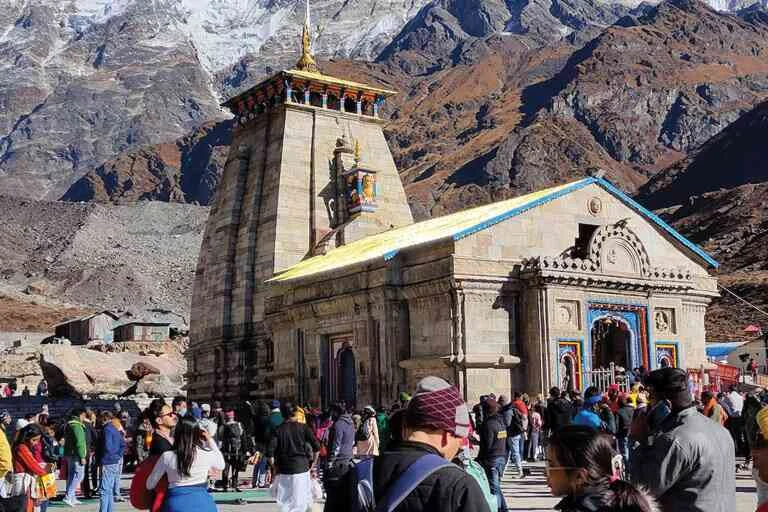
Delhi to Kedarnath distance: Best Route, Train Timings & Travel Guide
0 0 Delhi to Kedarnath cannot be called a road trip, but it is a journey where the destination is sacred, so every part of the journey becomes a kind of storytelling. Most of the people ask, “Delhi to Kedarnath […]
Jodhpur to Udaipur journey is an ultimate Rajasthan travel journey.
0 0 These two destinations have completely different personalities, but the journey between the two destinations is mesmerising. Imagine yourself waking up to the blue-painted buildings of Jodhpur, covered with mighty forts and surrounded by beautiful desert vibes. And then […]
Kullu to Manali distance: Best Route, Train Timings & Road Trip Guide
0 0 Kullu to Manali At a Glance Kullu and Manali sit in the same valley, so this isn’t really a “journey” in the way Delhi to Manali is; it’s more of a short hop most travellers do on their […]
Everything You Need to Know About Mumbai to Goa Distance
0 0 Mumbai to Goa At a Glance Goa is one of the most happening places in India. It offers nature, partying, waterfalls, trails, water activities, and whatnot. Goa sees millions of tourists every year from all across the globe, […]

Varanasi to Haridwar distance: Best Route, Train Timings & Travel Guide
0 0 Varanasi to Haridwar at a Glance Here are the numbers, before anything else. People do this route mostly for one reason: both cities run a daily Ganga aarti, and pilgrims like pairing them into one circuit. Road: roughly […]
Ride the World’s Longest Cable Car to Hon Thom Island: Your Complete Phu Quoc Travel Guide
0 0 The Hon Thom cable car in Phu Quoc is renowned for its Guinness World Record as the longest sea-crossing cable car. Offering a great view of the Gulf of Thailand, this cable car ride stretches across 7.9 km. […]
Longest Bridge in the World: Where Record-Breaking Engineering Meets Stunning Landscapes
0 0 Ask most people to name the world’s longest bridge, and you’re likely to get a confident answer like the Golden Gate Bridge or the Brooklyn Bridge or some other famous landmark plastered across postcards and movies. But the […]
World’s Largest Waterfall: Experience the Majestic Beauty of Angel Falls Like Never Before
0 0 Angel Falls in Venezuela is the highest waterfall in the world. It is 979 metres high. The falls are in a large forest area called Canaima National Park. Getting there takes time, but the views are amazing. You […]
Visit the Largest Mall in the World: Everything You Need for the Perfect Shopping Trip
0 0 Largest Mall In The World Iran Mall in Tehran, Iran, is the world’s biggest mall by total reported area. The mall is approximately 1.95 million square metres, or 21 million square feet. Note: The discussion of the biggest […]
Top 10 Highest Railway Bridges in the World: Discover the Tallest Train Bridges and Their Incredible Stories
0 0 The world’s highest railway bridges are mostly in China and India. India’s Chenab Bridge is the tallest railway arch bridge at 359 metres, which is even higher than the Eiffel Tower. China’s Najiehe Bridge, at 310 metres, still […]