 Call Us
 18002099100


Table of contents
The Cost of Living in Singapore At A Glance
- Average monthly budget: A single person may need S$1505 every month excluding accommodation. The rest of the budget depends on lifestyle and location.
- Biggest expense: Accommodation is the largest expense, followed by food and transportation.
- Accommodation: Renting a room,, whether shared or alone, can significantly reduce your monthly costs as compared with renting an entire private apartment.
- Food: You could eat at a fancy place or from a street cart based on your liking and budget. The best thing to do is cook at home.
- Transport: Singapore has an extensive public transport network. The cost of the ride depends on distance.
- 2026 planning: Always keep an additional emergency fund for unexpected expenses, deposits, and other initial relocation costs. You could also ask your relative in India to keep funds aside for you, and then do remittance online.
What Is the Average Cost of Living in Singapore in 2026?
Singapore is known for its clean streets, excellent public transport, strong economy, and high standard of life. But it is also an expensive place to live compared to most parts of the world. You could be moving to Singapore for work, studying there, or planning an extended stay, so it is important to understand your monthly expenses.
But exactly how much do you need each month? Let us break down living expenses in Singapore:
Expense | Approximate monthly budget for one person |
Room/shared accommodation | S$500–S$1,200 |
| Food and groceries | S$455 |
Transport | S$100–S$200 |
| Utilities and internet | The monthly pass is S$ 128 |
Mobile phone | Monthly telco plans range from |
| Personal expenses | Depends on your lifestyle |
Note: These are planning ranges. Expenses such as housing can push the total substantially higher.
How Much Does Accommodation Cost in Singapore?
Accommodation is usually the largest portion of the average cost of living in Singapore. For instance, as per data, you will have to pay roughly for an entire apartment on a monthly basis.
Your housing options in Singapore include:
- Renting a room in a shared apartment
- Renting a Housing Development Board (HDB) room
- Sharing an entire HDB flat
- Renting a condominium room
- Renting an entire private apartment
How Singapore’s Public Transport System Works
Singapore is known for its fine transportation network. Tourists admire it for how cost-effective and accessible it is. You could opt to travel via train, bus or taxi based on your preferences.
Mode of Transport | Frequency | Cost Range (SGD) | Best For |
| Trains | Available readily, every couple of minutes | 1 – 2.50 | Travelling quickly, long-distance in a comfortable manner |
Buses | Every 5–15 minutes | 1 – 2 | If you want to enjoy fast and accessible neighbourhood routes |
| Taxis | On-demand | Fare of taxis is time an distance dependent | Travelling late at night or if you have lots of luggage |
What Are The Factors Affecting the Cost of Living in Singapore?
The cost of living in Singapore is not fixed. It depends on the person based on the choices they make every day. Some days the cost of living could be higher, and on some days, it could be less. There are some fixed costs as well, such as accommodation.
Largely, the average living expenses in Singapore are dependent on your lifestyle. Let us break down some of the factors impacting the cost of life in Singapore:
Educational Institutions:
If you are a student, the course and university you choose largely impact your cost of living. Your fees could be high or low, and your university also becomes a part of your lifestyle.
Accommodation Type:
You could live in a shared apartment, a dorm room, or a private apartment based on how much money you make and what part of it you are willing to spend on accommodation. House rent is one of the biggest expenses a person incurs while living in Singapore, so it is important to be smart about it.
Transportation Cost:
Owning a car is expensive in Singapore, but public transport is cheaper. You can buy a for unlimited rides on public buses, MRT, and LRT trains. You could get a 1-day pass for S$17 and a 5-day pass for S$45.
Lifestyle Patterns:
Lifestyle consists of how you actually live, based on things you spend your money on. Activities like eating out, movies, shopping, and other entertainment are all part of lifestyle expenses.
Insurance and Healthcare:
If you have insurance, it will also increase your life expenses in Singapore.
How Can You Reduce Your Monthly Expenses?
Do not worry about your high living expenditure in Singapore, as there are a few practical things you can do to manage your monthly budget:
Choose accommodation carefully
Renting a shared-room apartment is a smart choice, as it can be substantially cheaper than renting an entire apartment.
Use public transport
Singapore’s transportation network is truly one of the best in the world. There are public buses and trains that are very cheap for travel purposes. You could get a Singapore Tourist Pass if visiting for travel, depending on your stay, and travel freely.
You would also need to buy Singapore dollar, and you can do it online easily. You can calculate how much you will need using SGD to INR converter.
Eat locally
While you want to enjoy a fancy meal every now and then, there are many hawker centres, food courts and coffee shops in Singapore that offer affordable meals as compared to restaurants.
Track recurring expenses
It is always a smart idea to keep an eye on your regular expenses such as subscriptions, food delivery, transport and online shopping. This is because small recurring expenses can add up quickly and disrupt the entire budget.
Compare rental locations
When you are deciding where to live, it is a smart idea to compare the living costs of different areas. Some places may be closer to your work or university but could be more expensive. Some could be cheaper but far away from your place of work or study. Decide what you want to prioritise and pick your home accordingly.
What Is the Price of Living in Singapore for a Family?
For obvious reasons, families need a substantially larger budget for living expenditure in Singapore than an individual because there are more members to account for. Factors such as accommodation, education, healthcare and food costs increase with household size.
An Indian family of four can live in Singapore, excluding rent, for ₹ lakh on a month-on-month basis. This comes to roughly SGD 3100–5600.
Some of the expenses that families should separately consider:
- Larger accommodation
- School fees
- Childcare
- Groceries
- Healthcare
- Transportation
- Insurance
- Recreation
What Should You Budget Before Moving to Singapore?
When moving to Singapore, don’t calculate only your first month’s expenses, as there are several upfront costs. Keep the following checklist in mind:
One-time or initial expense | What to consider |
| Flight | Airfare from your home country |
Rental deposit | Depends on rent agreement |
| First month’s rent | Usually payable upfront |
Furniture/household items | Depending on accommodation. You could also get a semi-furnished or fully furnished apartment. |
| SIM card | Initial connection cost |
Insurance | Depending on your employment or study arrangement |
| Work or study documentation | Applicable application fees |
Emergency fund | Ideally, keep funds aside before arrival. |
Conclusion
The price of living in Singapore depends mainly on how you live. Excluding rent, you could live in Singapore for This expense could increase if you live with family or live expensively.
You could share accommodation with other people to save money, rather than renting the whole apartment. You could also cook your meals at home to save money, and another smart thing to do is use public transport for ease of travel.
If visiting for tourism, one of the best things you can do is get a prepaid Forex card. If you are planning to stay in Singapore for studies, you should get Studdy buddy card.
Lastly, the best way to estimate your personal budget is to calculate rent first, then add food, transport, utilities, healthcare, communication and other miscellaneous spending. This will help you determine how much money you need to buy forex for your stay in Singapore.
Pro tip: Leave some room in your budget for unexpected expenses.
FAQs
Some of the commonly asked questions about the cost of living in Singapore are:
What is the average cost of living in Singapore in 2026?
There is no single cost of living in Singapore in 2026, as it could vary significantly based on your lifestyle. Overall, you can estimate the per-month cost for every single person at excluding rent.
Is Singapore expensive for Indians?
It is slightly more expensive to live in Singapore than in many Indian cities, particularly for accommodation. But you can compensate for it with public transport and street food.
So, be vigilant with your finances, and buy Forex smartly whether you are living in Singapore or just travelling.
What is the biggest expense in Singapore?
Typically, rent is the most expensive expense in Singapore for people living there.
How much does food cost in Singapore?
Food expenses depend on whether you cook or eat at small restaurants. For instance, a meal at an inexpensive restaurant is S$15. A meal for two people at a normal mid-range restaurant is S$90.
Is public transport expensive in Singapore?
Public transport is not that cheap in Singapore. A basic bus ride costs between
How can I reduce my living costs in Singapore?
You could reduce your living costs in Singapore by sharing accommodation, using public transport, cooking regularly, eating street food and tracking your expenses.
Table of contents
Our Forex Offerings
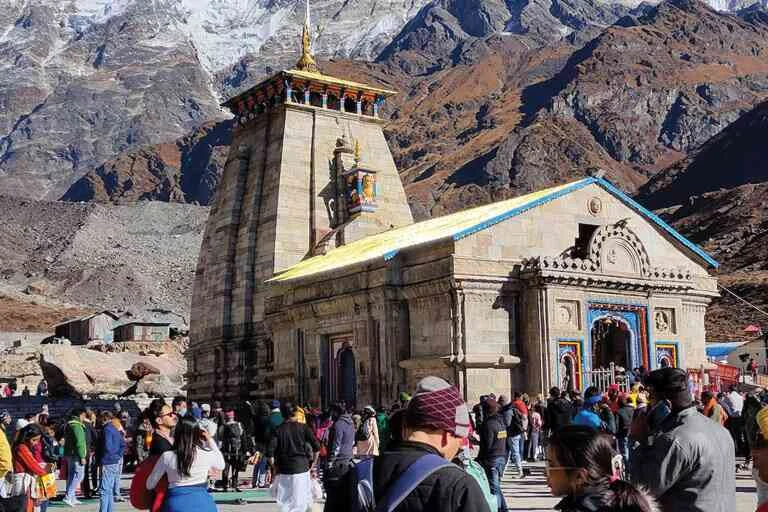
Delhi to Kedarnath distance: Best Route, Train Timings & Travel Guide
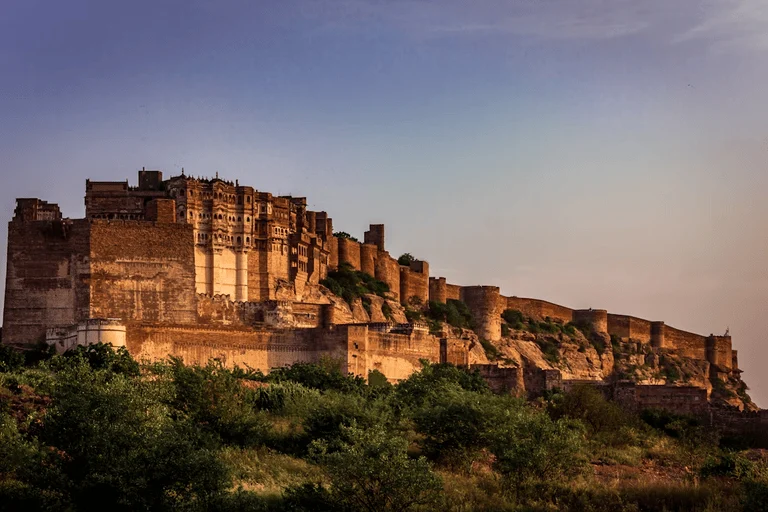
Jodhpur to Udaipur journey is an ultimate Rajasthan travel journey.
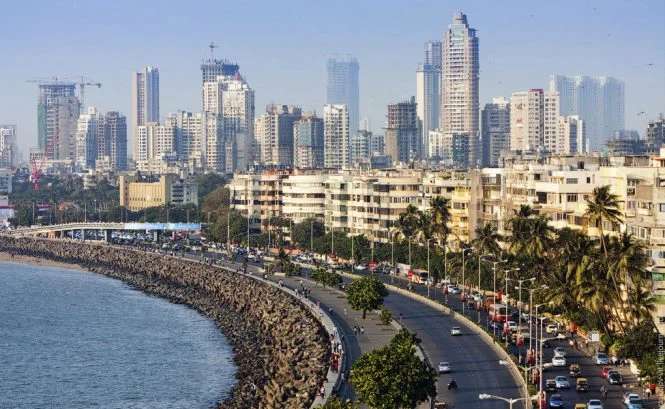
Everything You Need to Know About Mumbai to Goa Distance
Varanasi to Haridwar distance: Best Route, Train Timings & Travel Guide

Recommended Articles for you

What is the average cost of living in Singapore in 2026?
0 0 The Cost of Living in Singapore At A Glance Average monthly budget: A single person may need S$1505 every month excluding accommodation. The rest of the budget depends on lifestyle and location. Biggest expense: Accommodation is the largest […]
Top Universities in Germany for International Students
0 0 Germany universities for international students have been one of the most preferred destinations for many years. Public universities charge little to no tuition fees, offering excellent opportunities for globally valued research and English-taught programs across engineering, business, and […]
RBI Forex Guidelines for Foreign Exchange Transactions in India
0 0 What Do RBI Forex Guidelines Say? FEMA oversees the legal mechanism governing foreign exchange transactions in India. All Indian residents should deal in forex only through RBI-authorised persons and for permitted purposes. Under the Liberalised Remittance Scheme (LRS), […]
Cost of Living Index by Country: Compare Living Expenses Around the World (2026 Guide)
0 0 No two countries charge the same price for everyday life. A coffee that costs $2 in Hanoi can cost $7 in Zurich, and a one-bedroom apartment renting for $300 in Cairo might command $3,000 in Manhattan. These gaps […]
Delhi To Haridwar distance: Best Route, Train Timings & Travel Guide
0 0 Delhi to Haridwar At A Glance Haridwar is an integral religious destination for Hindus. In 2025, 3.4 crore people visited Haridwar, and that number is only expected to be higher at the end of 2026. If you are […]
Delhi to Kedarnath distance: Best Route, Train Timings & Travel Guide
0 0 Delhi to Kedarnath cannot be called a road trip, but it is a journey where the destination is sacred, so every part of the journey becomes a kind of storytelling. Most of the people ask, “Delhi to Kedarnath […]
Jodhpur to Udaipur journey is an ultimate Rajasthan travel journey.
0 0 These two destinations have completely different personalities, but the journey between the two destinations is mesmerising. Imagine yourself waking up to the blue-painted buildings of Jodhpur, covered with mighty forts and surrounded by beautiful desert vibes. And then […]
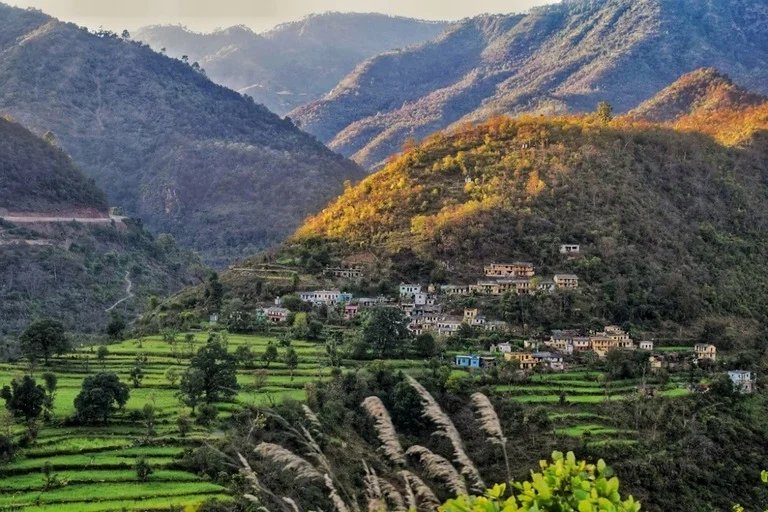
Kullu to Manali distance: Best Route, Train Timings & Road Trip Guide
0 0 Kullu to Manali At a Glance Kullu and Manali sit in the same valley, so this isn’t really a “journey” in the way Delhi to Manali is; it’s more of a short hop most travellers do on their […]
Everything You Need to Know About Mumbai to Goa Distance
0 0 Mumbai to Goa At a Glance Goa is one of the most happening places in India. It offers nature, partying, waterfalls, trails, water activities, and whatnot. Goa sees millions of tourists every year from all across the globe, […]
Varanasi to Haridwar distance: Best Route, Train Timings & Travel Guide
0 0 Varanasi to Haridwar at a Glance Here are the numbers, before anything else. People do this route mostly for one reason: both cities run a daily Ganga aarti, and pilgrims like pairing them into one circuit. Road: roughly […]
World’s Largest Waterfall: Experience the Majestic Beauty of Angel Falls Like Never Before
0 0 Angel Falls in Venezuela is the highest waterfall in the world. It is 979 metres high. The falls are in a large forest area called Canaima National Park. Getting there takes time, but the views are amazing. You […]
Visit the Largest Mall in the World: Everything You Need for the Perfect Shopping Trip
0 0 Largest Mall In The World At A Glance Iran Mall in Tehran, Iran, is the world’s biggest mall by total reported area. The mall is approximately 1.95 million square metres, or 21 million square feet. Note: The discussion […]
Top 10 Highest Railway Bridges in the World: Discover the Tallest Train Bridges and Their Incredible Stories
0 0 The world’s highest railway bridges are mostly in China and India. India’s Chenab Bridge is the tallest railway arch bridge at 359 metres, which is even higher than the Eiffel Tower. China’s Najiehe Bridge, at 310 metres, still […]
The Longest Beach in the World – All You Need to Know
0 0 Praia do Cassino in Brazil is about 254 km long, making it the longest continuous beach in the world. Cox’s Bazar in Bangladesh is also very well known and is called the longest natural sandy sea beach. So, […]
Ride the World’s Longest Cable Car to Hon Thom Island: Your Complete Phu Quoc Travel Guide
0 0 The Hon Thom cable car in Phu Quoc is renowned for its Guinness World Record as the longest sea-crossing cable car. Offering a great view of the Gulf of Thailand, this cable car ride stretches across 7.9 km. […]
Longest Bridge in the World: Where Record-Breaking Engineering Meets Stunning Landscapes
0 0 Ask most people to name the world’s longest bridge, and you’re likely to get a confident answer like the Golden Gate Bridge or the Brooklyn Bridge or some other famous landmark plastered across postcards and movies. But the […]
Largest Desert in the World: The Surprising Science Behind Antarctica’s Record-Breaking Landscape
0 0 A Glimpse of the Largest Desert in the World If you think a desert is defined by the presence of sand or high temperature, you are wrong. It is actually defined by very low precipitation. So, by this […]
Explore the Tallest Building in the World: Everything You Need to Know About Burj Khalifa
0 0 The tallest building in the world, Burj Khalifa, is an epitome of architectural and engineering marvel. Located in the new Downtown Dubai, Burj Khalifa is a super-tall skyscraper. Being the most tall building in the world, the structure […]
Explore the Highest Mountain in the World: A Complete Guide to Mount Everest and the Himalayas
0 0 A Glance At Complete Guide to Mount Everest and the Himalayas Mount Everest is the highest mountain above sea level. It stands at 8,849 metres, or Mount Everest height in feet is 29,032 feet. It was Nepal and […]
Omkareshwar Jyotirlinga: Mandhata’s Om-Shaped Island, Mamleshwar Temple & Complete 2026 Travel Guide
0 0 Omkareshwar: Where the Narmada River Forms the Sacred ‘Om’ Omkareshwar lies on the banks of the Narmada, about 77 km from Indore. The river divides around Mandhata, also called Shivpuri, creating an island roughly 4 km long and […]