 Call Us
 18002099100


0 0 Meghalaya is one of the best destinations in Northeast India to explore at its own pace. From mist-covered valleys to winding mountain roads and cascading waterfalls, Meghalaya has it all. For first-time visitors, 5 to 7 days is […]

4 min read
Table of contents
What Should You Know About Ram Setu?
- Location: Ram Setu is located between Pamban Island in Tamil Nadu and Mannar Island in Sri Lanka.
- Other name: Adam’s Bridge.
- Religious significance: The bridge is associated with Lord Rama’s journey to Lanka in the Ramayana. It is believed that Ram ji created Ram Setu to reach Ravana’s Lanka.
- Scientific perspective: Geological studies describe Setu as shallow shoals, sandbanks, and reef-related formations.
- Best viewpoint: Dhanushkodi. Here you can experience the surrounding coastal landscape.
Ram Setu (Adam’s Bridge): Myth, Science and the View from Dhanushkodi
Ram Setu, also known by the name Adam’s Bridge, is a continuous chain of shallow shoals, and it connects the region between southeastern India and northwestern Sri Lanka. Setu is famous for its religious purpose: how Ram ji used it to reach Ravana’s Lanka to save Sita Maa.
While Hindu tradition links the formation to Lord Rama’s journey to Lanka, scientists are more interested in its geological structure.
Dhanushkodi is an interesting spot to explore this connection between mythology, science, and coastal geography.
What Is Ram Setu and Where Is It Located?
Here are the key facts about the Ram Setu bridge:
| Feature | Details |
| Common names | Ram Setu and Adam’s Bridge |
| Indian side | Pamban Island, Tamil Nadu |
| Sri Lankan side | Mannar Island |
| Structure | A chain of shallow shoals, sandbanks, and reef-related features |
| Approximate extent | Around 48 km in broader descriptions. Roughly 29 km for the ridge measured between Dhanushkodi and Talaimannar in a 2024 study |
| Accessibility | Largely submerged; not a public road or walking route |
What Does the Ramayana Say About Ram Setu?
Ravana kidnapped Sita Maa and took her to Sri Lanka. In order to save her, Bhagvan Rama had to go to Lanka, but there was no path he could use. Accompanied by Lakshmana, Hanuman, and an army of vanaras, Ram ji prepared the Ram Setu to cross the sea to save her beloved from captivity.
It is believed that every Ram Setu stone had Ram ji’s name written on it so that it wouldn’t sink in the water. For devotees, Ram Setu rightfully represents:
- Lord Rama’s journey to Lanka.
- Faith, devotion, and cooperation.
- The triumph of good over evil.
What Does Science Say About the Ram Setu Bridge?
Scientists mainly focus on Ram Setu’s formation, composition, and underwater shape. They investigate the bridge using satellite imagery, seafloor mapping, and geological observations.
| Scientific question | What research indicates |
| What is the Ram Setu’s formation made of? | Sandbanks, limestone shoals, and reef-related features. |
| Is the entire formation above water? | No. Most of the measured Ram Setu lies underwater. |
| How was it formed? | Researchers have shown that the Setu was built because of sediment movement, reef development, and sea-level changes. |
| Has a human-built bridge been scientifically established? | No. Investigations by the Geological Survey of India have not identified evidence of human-made structures on the seabed. |
A 2024 study from Scientific Reports used ICESat-2 satellite measurements to map the seabed. The results showed that 99.98% of the measured formation’s volume was below mean sea level.
Is the Ram Setu Stone Real?
The Ram Setu stone is believed to not sink in water, and rather to float on it. However, scientifically, some porous rocks such as pumice can float on water because it has air-filled cavities that reduces overall density.
How Far Is Ram Setu From India to Sri Lanka?
The Dhanushkodi to Sri Lanka distance is approximately 29 km, but the broader descriptions of Adam’s Bridge give a length of around 48 km. However, most of it is underwater.
When visiting Ram Setu, keep the following points in mind:
- Ram Setu is not a public road.
- The bridge is largely underwater.
- Walking or swimming across the bridge is dangerous.
- You cannot travel between India and Sri Lanka via Ram Setu without appropriate transport and immigration arrangements.
Can You See Ram Setu From Dhanushkodi?
Yes, you can. Dhanushkodi Beach is an excellent place to experience the coastal landscape of Ram Setu. From here, you can see the open shoreline, stunning sea views, and the remains of a settlement devastated by the December 1964 cyclone. If you plan to include the temple, our Rameshwaram Temple Travel Guide covers timings and darshan details.
What can you experience at Dhanushkodi?
You can explore the following things at Dhanushkodi:
- Explore permitted coastal viewpoints.
- Click photographs of the shoreline and surrounding waters.
- Visit accessible remnants of the old settlement, but keep in mind to be careful.
- You can also learn about Rameshwaram’s religious and geographical significance.
- You can combine your visit to Dhanushkodi with Ramanathaswamy Temple and Pamban Bridge.
Pro tip: Carry drinking water, sunscreen, and a hat for heat protection. Also, do follow local safety instructions, avoid restricted areas, and stay away from unsafe water conditions.
When Is the Best Time to Visit Dhanushkodi?
Though you can visit Rameshwaram and Dhanushkodi in all seasons, the cooler months, generally December to February, are often comfortable for sightseeing. This is because temperatures in these months are cooler, and you face no external discomfort.
Rest, what to expect in all seasons is at a glance below:
| Season | What to expect |
| December–February | Comfortable for outdoor exploration as weather is pleasant. |
| March–June | Weather is hot and humid during the day, so early mornings are preferable for outdoor activities. |
| July–September | Weather is warm, with weather being windy. Occasional rainfall is expected. |
| October–November | Rainfall may be heavy, and your outdoor plans may get disrupted because of it. Keep your itinerary flexible. |
Pro tip: Check local weather forecasts and access advisories before travelling. Coastal conditions affect sightseeing and road access.
Most Popular Rameswaram Tour Packages 2026
If you would rather not plan the logistics yourself, you can choose from these Rameswaram tour packages that cover Dhanushkodi and the main temples.
| Tour Packages Name | Duration | Price |
|---|---|---|
| Dakshin Bharat Bhakti Yatra | 9 Nights 10 Days | Rs. 82,000 |
| Madurai Rameshwaram Kanyakumari Trivandrum Bhakti Yatra | 5 Nights 6 Days | Rs. 45,700 |
FAQs About Ram Setu
Popularly asked questions about Ram Setu are:
1. Is Ram Setu the same as Adam’s Bridge?
Yes, Ram Setu is the commonly used Indian name, while Adam’s Bridge is another widely recognised name for this bridge.
2. Is Ram Setu man-made or natural?
Geological studies describe Ram Setu as a largely submerged formation containing shoals, sandbanks, and reef-related features. The research shows no evidence of the bridge being man-made.
3.Can tourists visit Ram Setu?
Yes, you can explore Dhanushkodi and permitted coastal viewpoints of Ram Setu. You cannot visit the submerged part of the bridge.
4. Can you walk from India to Sri Lanka using Ram Setu?
No, you cannot walk on the Ram Setu bridge in Sri Lanka. There is no public walking route connecting the two countries across the formation.
5. Why is Ram Setu important in Hinduism?
Ram Setu is mainly associated with the Ramayana as Lord Rama’s way to rescue his beloved Sita Maa from Ravana’s captivity.

Recommended Articles for you

Ram Setu (Adam’s Bridge): Myth, Science and the View from Dhanushkodi
0 0 What Should You Know About Ram Setu? Location: Ram Setu is located between Pamban Island in Tamil Nadu and Mannar Island in Sri Lanka. Other name: Adam’s Bridge. Religious significance: The bridge is associated with Lord Rama’s journey […]
Best Places to Celebrate Christmas in India
0 0 Goa is the most popular place to celebrate Christmas in India, known for midnight mass at the Basilica of Bom Jesus, beach parties, and festive lights. Other top picks include Shillong and Pondicherry for a quieter, cultural Christmas, […]
Best Long Weekend Getaways in India: Your Nov-Dec 2026 Calendar
0 0 Popular weekend getaways from Delhi include Neemrana, Mathura-Vrindavan, Rishikesh, Jaipur and Agra, each within 2-7 hours by road. From Mumbai and Pune, Lonavala, Mahabaleshwar and Goa are common short-break choices, while Mysore and Coorg are frequent weekend picks […]
What Is Dynamic Currency Conversion and How Can It Affect Your Forex Transactions
0 0 DCC allows overseas shops to bill your card in rupees. The company handling the payment decides the conversion rate, which often adds 3% to 7% to your bill. Choosing the country’s own currency is usually the cheaper option. […]
What Is Remittance? Meaning, Types, and How It Works
0 0 Remittance means sending money from one person or business to another, often to a different country. The sender is the remitter, the receiver is the beneficiary, and the money moves through a bank, a money transfer provider or […]
What Is Outward Remittance? Purpose Codes, Process & Charges Explained
0 0 Outward remittance is the process of transferring money from a bank account in India to an account abroad by a resident of India. Each transfer needs a specific RBI purpose code for outward remittance, such as S0305 for […]

Countries Where Indians Get Visa On Arrival
0 0 Indian passport holders have found international travel more accessible as many destinations have simplified entry procedures. Depending on the country, travellers may be able to enter without a visa, with a visa on arrival or with an e-visa. […]
Destinations You Did Not Know Existed: The World’s Best-Kept Secrets
0 0 Some places you have to see to believe, and some you have to hear about first. Beyond the bucket-list capitals and the postcards everyone owns lies a whole category of travel that does not make the front of […]
Hong Kong Visa for Indians: The Complete 2026 Guide
0 0 Hong Kong has a way of pulling Indian travellers in. Maybe it is the skyline glowing over Victoria Harbour at night, the dim sum trolleys rattling through noisy teahouses, or the sheer energy of a city that never […]
Discover Sri Lanka Tourist Attractions: Temples, Beaches & Beyond
1 0 Sri Lanka, the younger cousin of good old India, is an absolute beauty. A country that has so much to offer, and is worthy of featuring in your ‘places to visit’ list. It is known as the ‘Pearl […]
Explore Easter Island: Meet the Mysterious Moai Statues of Rapa Nui
0 0 Easter Island in South America, also known as Rapa Nui, is a popular destination in the Pacific Ocean that has attracted tourists worldwide. Renowned for its enigmatic moai statues, stunning landscapes, and rich Polynesian culture, Easter Island in […]
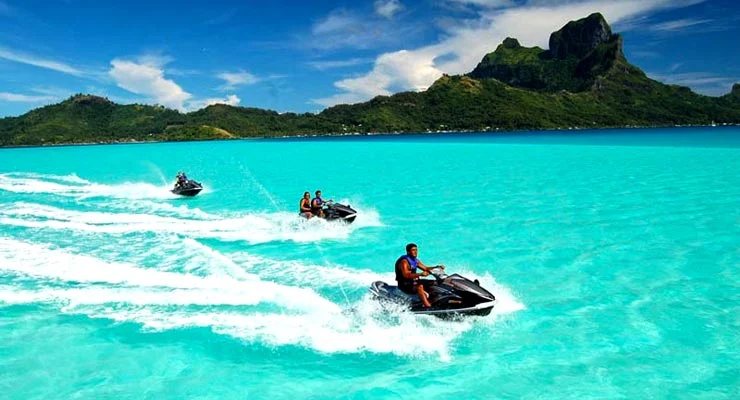
Wanderlust Calling: Bucket List Experiences to Chase Before You Settle Down
0 0 It’s 4:47 a.m., and the world is still asleep. Imagine that you are standing on a mountain ridge, breathing in the cold air, a warm cup of tea in your hands, and the first golden light spilling over […]
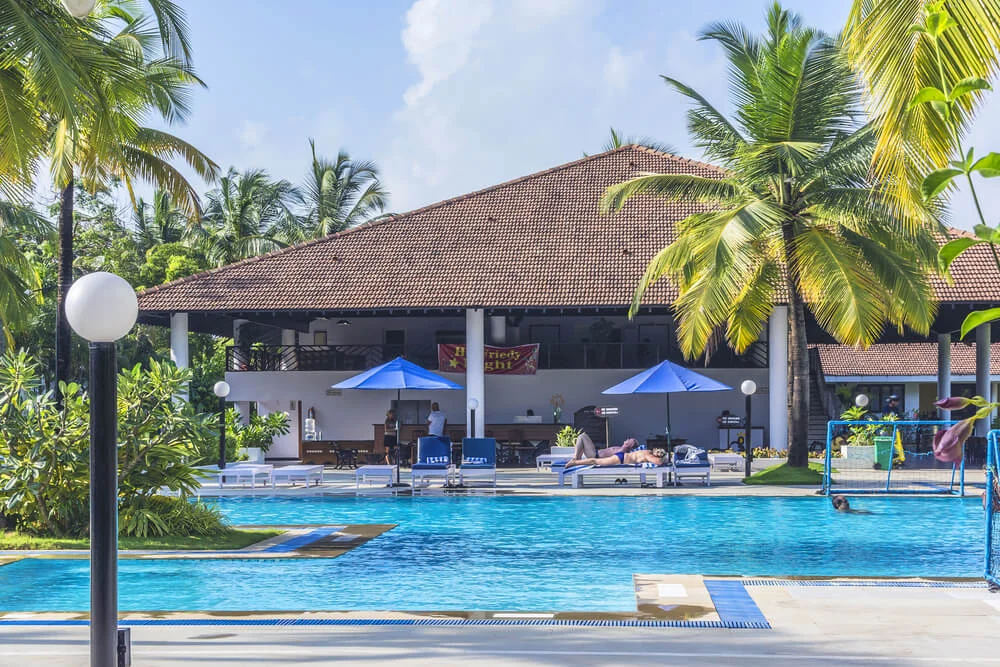
How to Enjoy a Comfortable Hotel Stay: A Complete Guide for Smart Travellers
0 0 A hotel room is rarely just a place to sleep. For a business traveller arriving after a long flight, it is a place to recover. For a family on holiday, it is a base between adventures. For a […]
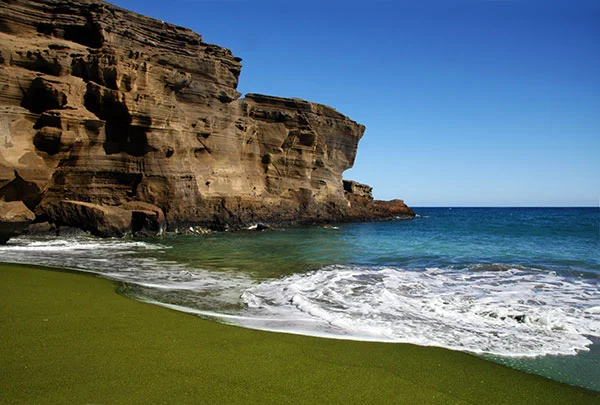
The Best Beaches In The World
0 0 There is a particular moment, right after you step off a long journey and onto warm sand, when everything else falls away. The sound of the sea does something to people that no other landscape quite manages. It […]

The Most Popular Tourist Attractions in France
0 0 The Best Tourist Attractions in France: Beyond the Postcards France has a quiet confidence about it. No other country manages to be so many things at once: a living museum of European history, a masterclass in art and […]
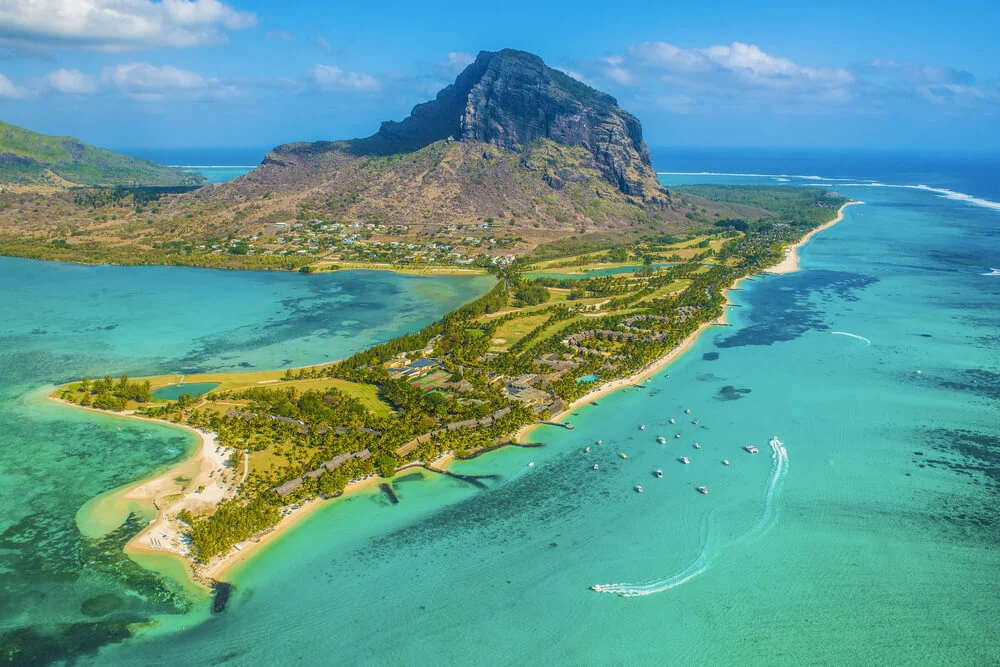
Discover the Best Honeymoon Destinations for Your Dream Escape
0 0 Your honeymoon is not just another trip. It’s a special time for you and your partner to connect on an emotional level. It requires careful amount of planning so that you and your better half can bring back […]
Maldives Beaches: Your Complete Guide to the Islands’ Finest Shores
0 0 Some places you visit. The Maldives, you feel. Scattered across the Indian Ocean as a handful of pearls dropped from a great height, this island nation has spent decades at the very top of every beach lover’s wish […]

Experience the Songkran Festival in Thailand: Get Soaked in Joy
0 0 The Songkran Festival in Thailand is an annual festival that takes place during Thai New Year, the festival is observed for three days (i.e.)April 13th-15th. Although Songkran is a three-day festival, it is celebrated for the whole week. […]

Exploring South Korea: Jeju Island
0 0 Lush green flora for as far as you can look, emerald clear waters meeting cloudy blue skies, the sound of distant waterfalls and chirping birds and the smell of marshy Earth; Jeju Island, South Korea’s largest island that […]