 Call Us
 18002099100


0 0 Mandhata Island in the Narmada River, shaped like a sacred ‘Om’, is home to Omkareshwar, one of the 12 Jyotirlingas of India. Plan to visit both Mamleshwar and Omkareshwar temples, and it is best to begin at Mamleshwar […]

4 min read
Table of contents
Mawlynnong village in Meghalaya sits in the East Khasi Hills district, near the India–Bangladesh border. It earned recognition as “Asia’s Cleanest Village” in 2003 after coverage in Discover India magazine. Its clean lanes, bamboo dustbins and community-led waste management reflect the everyday efforts of local residents to maintain their surroundings.
Beyond its cleanliness, Mawlynnong, Meghalaya, India, offers several attractions, including the Mawlynnong living root bridge at nearby Riwai, the bamboo Sky View Point and the Balancing Rock. Many travellers combine a visit to the village with a trip to Dawki, making it a convenient addition to a Meghalaya itinerary. The Double Decker Living Root Bridge at Nongriat, however, involves a separate and considerably more demanding trek.
Why Mawlynnong Is Asia’s Cleanest Village?
Mawlynnong gained recognition as the cleanest village in Asia in 2003, following coverage by Discover India magazine. The distinction is more than an old accolade; the village’s cleanliness continues to be maintained through everyday community practices. Residents sweep the lanes, bamboo dustbins known locally as khooh are placed along pathways, and waste management remains part of daily life. Plastic restrictions and composting practices further support the village’s approach to keeping its surroundings clean.
Community participation, on the other hand, plays a central role in these efforts. The Khasi community follows a matrilineal system, in which lineage and inheritance traditionally pass through women. However, Mawlynnong’s cleanliness is best understood as the result of residents’ collective efforts and shared responsibility for their surroundings, rather than attributed to a single cultural tradition. Visitors are encouraged to follow local guidelines, dispose of waste properly and respect the village’s environment, which is central to responsible Mawlynnong tourism.
What to See in Mawlynnong?
Mawlynnong village is small enough to explore at a relaxed pace, with a handful of attractions that offer a closer look at its natural beauty and local heritage.
1. Mawlynnong Living Root Bridge at Riwai:
A short walk from the village, this living root bridge was grown rather than conventionally built. Khasi villagers guided the aerial roots of rubber fig trees across a stream over many years, gradually creating a natural crossing. Smaller and easier to reach than Nongriat’s Double Decker Living Root Bridge, Riwai is a good introduction to Meghalaya’s living root architecture without the demanding staircase trek.
2. Sky View Point:
This tall bamboo watchtower offers views across the surrounding forest canopy. On clear days, you can see the plains of Bangladesh stretching into the distance. The climb involves stairs, so take your time and follow local safety guidance.
3. Balancing Rock of Mawlynnong:
Located near the village, this unusual formation consists of a large boulder resting on a smaller rock. Its striking balance makes it an interesting short stop for visitors exploring Mawlynnong’s surroundings.
Best Time of Day (and Year) to Visit
Mawlynnong is a small village, and you can explore its main attractions in a few hours. During peak season, the lanes can get busy around midday as day-trip visitors arrive. An early-morning visit or a late-afternoon walk offers a quieter experience and softer light for photographs.
The best time to visit Mawlynnong is generally October to April, for clearer skies and views from Sky View Point, although conditions can often change. From June to September, the monsoon brings lush greenery and fuller streams, but rain and mist can obscure distant views. If seeing the surrounding plains from the watchtower is a priority, check the local weather before setting out.
How to Reach Mawlynnong?
The Shillong to Mawlynnong distance is about 90 km, and the drive typically takes around three hours, depending on traffic and road conditions. Most visitors hire a taxi or join a day trip that combines Mawlynnong with nearby Dawki. The Mawlynnong to Dawki distance is short, roughly 18 km, so the two fit comfortably into one day.
Starting early gives you more time to explore both destinations without rushing, so plan how to reach Mawlynnong before you set out. If you are planning your journey into the state, read our guide on how to reach Meghalaya for information on flights, trains and road connections via Guwahati.
Where to Stay: Mawlynnong’s Homestays
A Mawlynnong homestay is a simple alternative to a conventional hotel. When you decide to stay overnight, it lets you experience the village during quieter hours, particularly early in the morning and after day visitors leave. It can also give you more flexibility to explore nearby attractions without rushing back to Shillong.
If you are searching for a hotel in Mawlynnong, expect a small choice. Most stays here are community-run homestays and basic guesthouses, while larger hotels are in Shillong. If you prefer to arrange accommodation and transport together, Thomas Cook’s Meghalaya tour packages can help coordinate stays and transfers between Mawlynnong, Dawki and Shillong. Compare the itinerary with your preferred travel pace before booking.
Frequently Asked Questions
1. Why is Mawlynnong called the cleanest village in Asia?
Discover India magazine gave it the title in 2003. It has held onto its reputation because residents sweep the village daily, use bamboo dustbins, compost organic waste and ban plastic bags, all as a community tradition.
2. How do you say Mawlynnong? (Mawlynnong pronunciation)
Mawlynnong is commonly pronounced as “mow-LIN-nong,” with the emphasis on the middle syllable.
3. Is there an entry fee for Mawlynnong village?
The village committee has collected a small fee from visitors to fund upkeep. The amount changes, so confirm it locally when you arrive.
4. Is Mawlynnong worth visiting?
Yes, if you go with the right expectations. It is small and can feel crowded at midday. Visit early or late, stay overnight if you can, and pair it with Dawki and the Riwai root bridge.
5. How far is Mawlynnong from Shillong?
Mawlynnong is approximately 75–90 km from Shillong by road, and the journey usually takes around 3 hours, depending on traffic and road conditions.
6. How far is Mawlynnong from Dawki?
Mawlynnong is around 18 km from Dawki, which is usually covered in under an hour by road, so most day trips cover both.
7. Is the Mawlynnong root bridge the same as the Double Decker bridge?
No. The bridge near Mawlynnong is at Riwai and is a short, easy visit. The Double Decker Living Root Bridge is near Nongriat and requires a long trek with a steep descent.
8. Can you stay overnight in Mawlynnong?
Yes, you can plan for an overnight stay in Mawlynnong. However, the community-run homestays in the village offer simple rooms and home-cooked meals.
9. Are there hotels in Mawlynnong?
Conventional hotels are limited. Most visitors choose a homestay in the village or base themselves in Shillong.

Recommended Articles for you

Mawlynnong, Meghalaya: A Visitor’s Guide to Asia’s Cleanest Village
0 0 Mawlynnong village in Meghalaya sits in the East Khasi Hills district, near the India–Bangladesh border. It earned recognition as “Asia’s Cleanest Village” in 2003 after coverage in Discover India magazine. Its clean lanes, bamboo dustbins and community-led waste […]
Meghalaya Itinerary: How Many Days Do You Actually Need?
0 0 A Meghalaya tour itinerary should be around 5-7 days to cover major destinations such as Mawlynnong, Dawki, Shillong and Cherrapunji. For a shorter itinerary, you can explore only Shillong and Sohra. How many days you need to experience […]
Ram Setu (Adam’s Bridge): Myth, Science and the View from Dhanushkodi
0 0 What Should You Know About Ram Setu? Location: Ram Setu is located between Pamban Island in Tamil Nadu and Mannar Island in Sri Lanka. Other name: Adam’s Bridge. Religious significance: The bridge is associated with Lord Rama’s journey […]
Best Places to Celebrate Christmas in India
0 0 Goa is the most popular place to celebrate Christmas in India, known for midnight mass at the Basilica of Bom Jesus, beach parties, and festive lights. Other top picks include Shillong and Pondicherry for a quieter, cultural Christmas, […]
Best Long Weekend Getaways in India: Your Nov-Dec 2026 Calendar
0 0 Popular weekend getaways from Delhi include Neemrana, Mathura-Vrindavan, Rishikesh, Jaipur and Agra, each within 2-7 hours by road. From Mumbai and Pune, Lonavala, Mahabaleshwar and Goa are common short-break choices, while Mysore and Coorg are frequent weekend picks […]
What Is Dynamic Currency Conversion and How Can It Affect Your Forex Transactions
0 0 DCC allows overseas shops to bill your card in rupees. The company handling the payment decides the conversion rate, which often adds 3% to 7% to your bill. Choosing the country’s own currency is usually the cheaper option. […]
What Is Remittance? Meaning, Types, and How It Works
0 0 Remittance means sending money from one person or business to another, often to a different country. The sender is the remitter, the receiver is the beneficiary, and the money moves through a bank, a money transfer provider or […]
What Is Outward Remittance? Purpose Codes, Process & Charges Explained
0 0 Outward remittance is the process of transferring money from a bank account in India to an account abroad by a resident of India. Each transfer needs a specific RBI purpose code for outward remittance, such as S0305 for […]

Countries Where Indians Get Visa On Arrival
0 0 Indian passport holders have found international travel more accessible as many destinations have simplified entry procedures. Depending on the country, travellers may be able to enter without a visa, with a visa on arrival or with an e-visa. […]
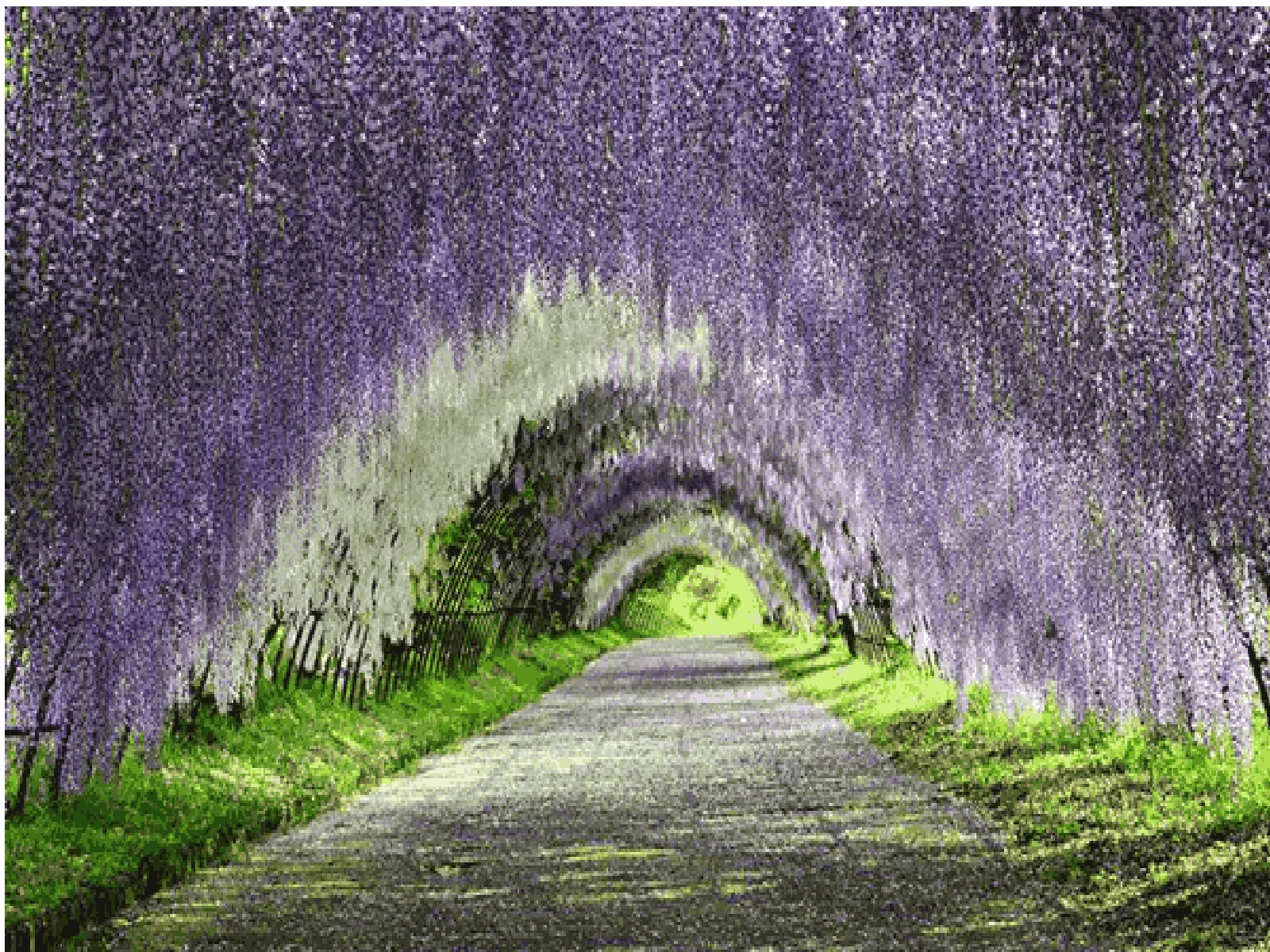
Destinations You Did Not Know Existed: The World’s Best-Kept Secrets
0 0 Some places you have to see to believe, and some you have to hear about first. Beyond the bucket-list capitals and the postcards everyone owns lies a whole category of travel that does not make the front of […]
Hong Kong Visa for Indians: The Complete 2026 Guide
0 0 Hong Kong has a way of pulling Indian travellers in. Maybe it is the skyline glowing over Victoria Harbour at night, the dim sum trolleys rattling through noisy teahouses, or the sheer energy of a city that never […]
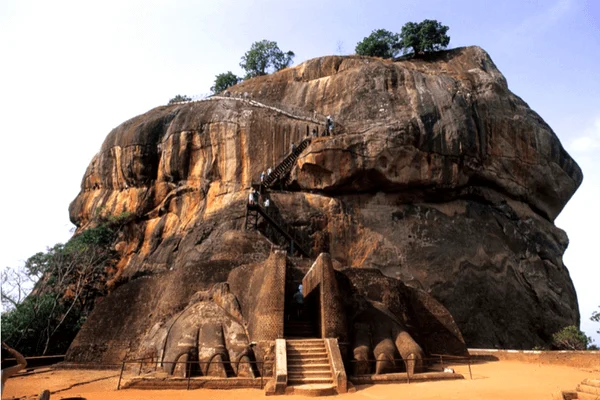
Discover Sri Lanka Tourist Attractions: Temples, Beaches & Beyond
1 0 Sri Lanka, the younger cousin of good old India, is an absolute beauty. A country that has so much to offer, and is worthy of featuring in your ‘places to visit’ list. It is known as the ‘Pearl […]
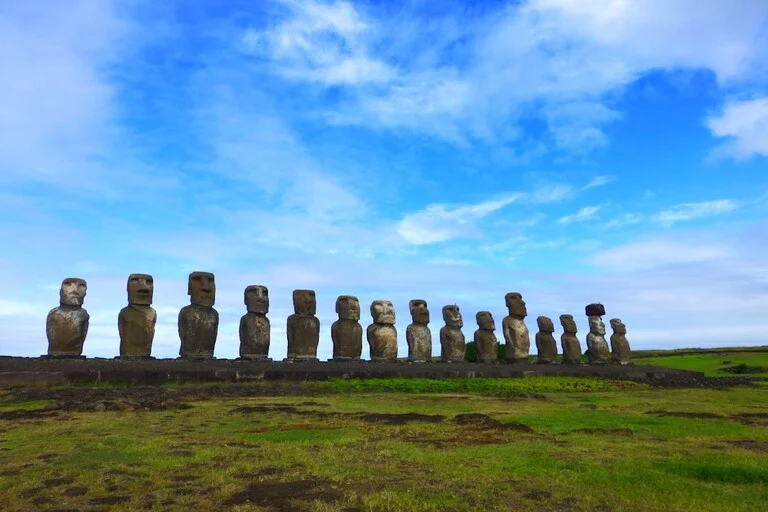
Explore Easter Island: Meet the Mysterious Moai Statues of Rapa Nui
0 0 Easter Island in South America, also known as Rapa Nui, is a popular destination in the Pacific Ocean that has attracted tourists worldwide. Renowned for its enigmatic moai statues, stunning landscapes, and rich Polynesian culture, Easter Island in […]
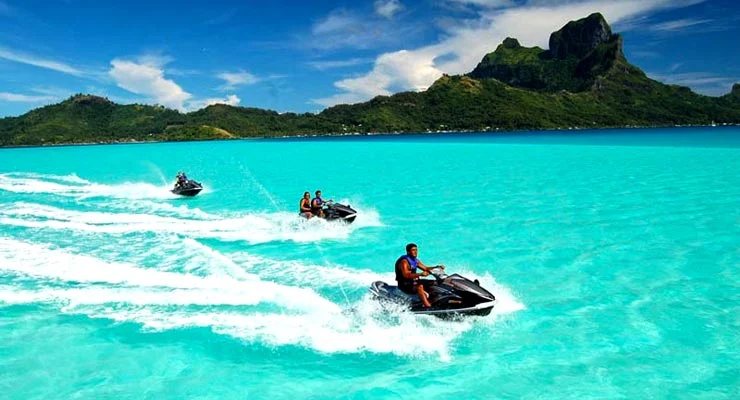
Wanderlust Calling: Bucket List Experiences to Chase Before You Settle Down
0 0 It’s 4:47 a.m., and the world is still asleep. Imagine that you are standing on a mountain ridge, breathing in the cold air, a warm cup of tea in your hands, and the first golden light spilling over […]
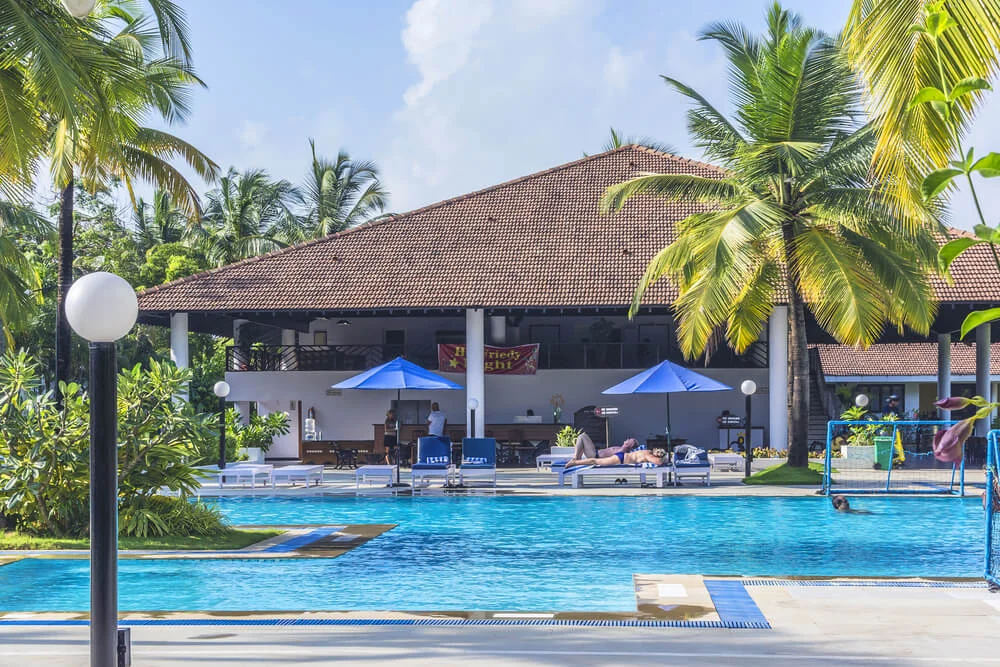
How to Enjoy a Comfortable Hotel Stay: A Complete Guide for Smart Travellers
0 0 A hotel room is rarely just a place to sleep. For a business traveller arriving after a long flight, it is a place to recover. For a family on holiday, it is a base between adventures. For a […]
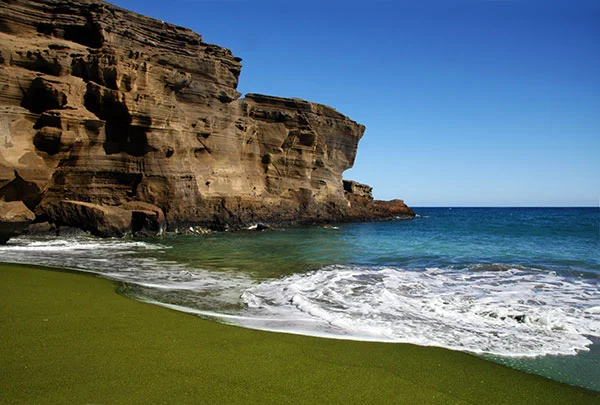
The Best Beaches In The World
0 0 There is a particular moment, right after you step off a long journey and onto warm sand, when everything else falls away. The sound of the sea does something to people that no other landscape quite manages. It […]

The Most Popular Tourist Attractions in France
0 0 The Best Tourist Attractions in France: Beyond the Postcards France has a quiet confidence about it. No other country manages to be so many things at once: a living museum of European history, a masterclass in art and […]
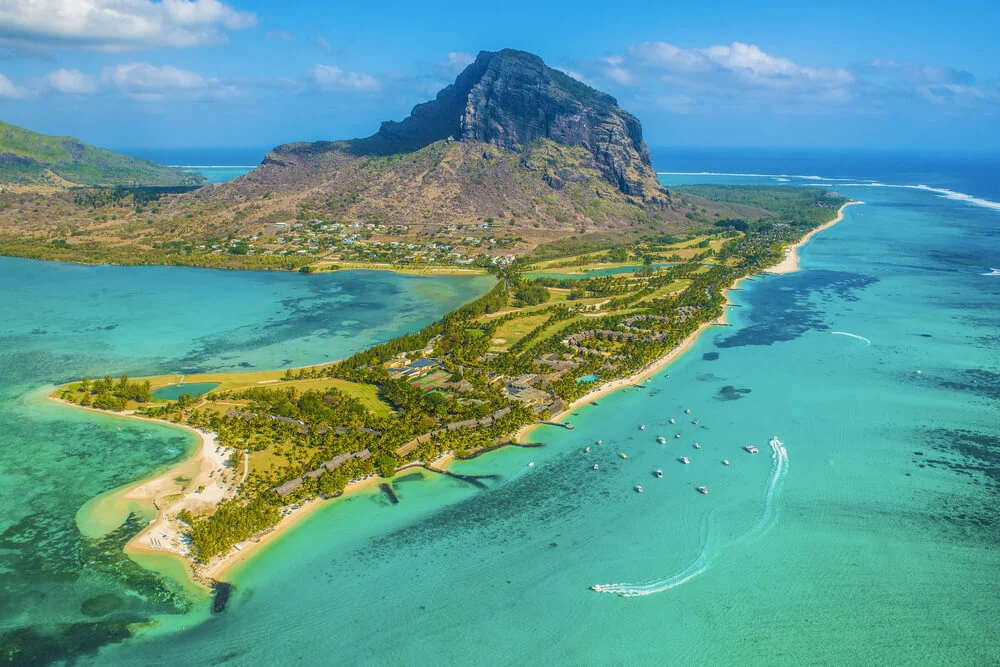
Discover the Best Honeymoon Destinations for Your Dream Escape
0 0 Your honeymoon is not just another trip. It’s a special time for you and your partner to connect on an emotional level. It requires careful amount of planning so that you and your better half can bring back […]
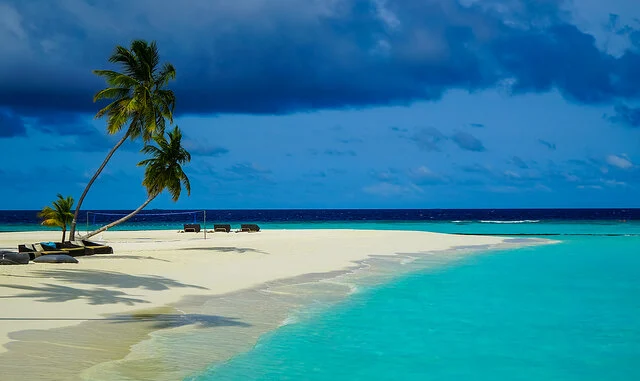
Maldives Beaches: Your Complete Guide to the Islands’ Finest Shores
0 0 Some places you visit. The Maldives, you feel. Scattered across the Indian Ocean as a handful of pearls dropped from a great height, this island nation has spent decades at the very top of every beach lover’s wish […]