 18002099100




0 0 [table id=184 responsive=scroll /] Among the big list of Places to Visit in Tamil Nadu, Rameshwaram stands out for being one of the greatest pilgrimage sites. One of the char dhams in India, Rameshwaram is an island city resting in […]

Table of contents
Introduction to Bhangarh Fort: India’s Most Haunted Place
Why Bhangarh Fort is Famous for Its Ghost Stories
Set amidst the dusty expanse of Rajasthan’s Alwar district, Bhangarh Fort in Rajasthan is more than just another ancient ruin. It’s a phenomenon—India’s most haunted location, if legends are to be believed. Unlike other forts where history lives through stone carvings and crumbling walls, here it lingers in whispers, shadows, and shudders.
The chilling Bhangarh Fort ghost stories are so infamous that the fort is considered a rite of passage for ghost hunters, thrill-seekers, and skeptics alike. People are not just drawn to the fort’s ruins; they’re drawn to the stories. To the possibility that something unexplainable might happen. To the “what if.”
The Mystique and Intrigue Surrounding Bhangarh Fort
What sets Bhangarh apart isn’t just the mystery of Bhangarh Fort, but how it’s institutionalized. It’s the only historical site in India with a legal ban on staying inside the premises after dark. This alone catapults it from a historic attraction to an enigma that blends legend, superstition, and fear.
Every local has a version of what happened here, and each story adds another layer to the mythos. These aren’t just ghost tales told around a campfire—they’re warnings, beliefs, and inherited truths for the people who live nearby.
The Legends and Ghost Stories of Bhangarh Fort
1. The Curse of the Beautiful Princess Ratnavati
The most famous story of haunted Bhangarh Fort is a tragic tale of beauty, power, and black magic. Princess Ratnavati was said to be as intelligent as she was stunning, with suitors from across kingdoms vying for her attention.
Among them was a tantric, a dark magician named Singhia, who resorted to sorcery when his love was not returned. He prepared a love potion and enchanted it into a bottle of oil intended for the princess. But Ratnavati, sensing something sinister, threw the bottle away—only for it to strike a boulder and crush the tantric to death.
Before dying, Singhia cursed the city of Bhangarh, declaring that none of its residents would ever live in peace again. Within a year, war broke out, and the princess was killed in battle—thus giving rise to the ghost of Bhangarh Fort.
2. The Haunted Shadow of the Princess
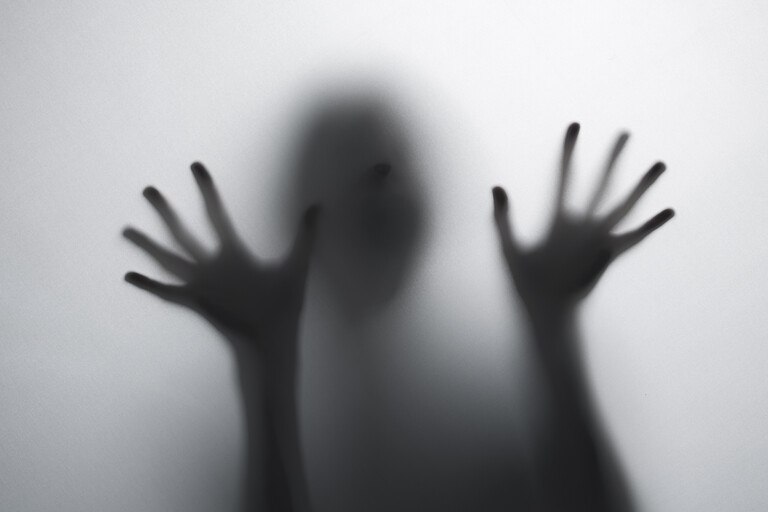
They say Ratnavati’s spirit still haunts the premises. Visitors have described feeling a strange presence, hearing faint whispers, and seeing a shadow flitting past in a silk sari. Some claim her soul is still trapped, doomed to relive her fate, while others think she’s guarding the city against further evil.
Such chilling details have made her the focal point of every legend, and her story remains the cornerstone of the Bhangarh Fort ghost stories.
The Paranormal Experiences of Visitors
There’s no shortage of testimonials from those who claim to have experienced the unexplainable at Bhangarh Fort at night:
- One tourist recounted his camera batteries draining mysteriously as he crossed the threshold.
- A group claimed they heard a scream from the abandoned marketplace with no one in sight.
- Some report light touches on their back or shoulder, only to turn around and find no one.
- Mobile phones reportedly lose signal inside certain chambers.
What makes these experiences compelling is their consistency across different visitors. It’s not just one eerie story—it’s hundreds.
The Bhangarh Fort “Forbidden Zone”
The fort’s entrance is marked with an official notice from the Archaeological Survey of India, which reads:
“Entering the premises of Bhangarh before sunrise and after sunset is strictly prohibited.”
Why such a rule? Some say it’s due to wild animals. Others whisper it’s something far worse. Many believe it’s to keep the public safe from the ghost of Bhangarh Fort, which grows restless at night.
Locals swear by the rule and refuse to go near the ruins after dark. No hotels exist in the immediate vicinity, and even shepherds and woodcutters steer clear.
The Facts Behind the Haunted Legends of Bhangarh Fort
1. The Historical Significance of Bhangarh Fort
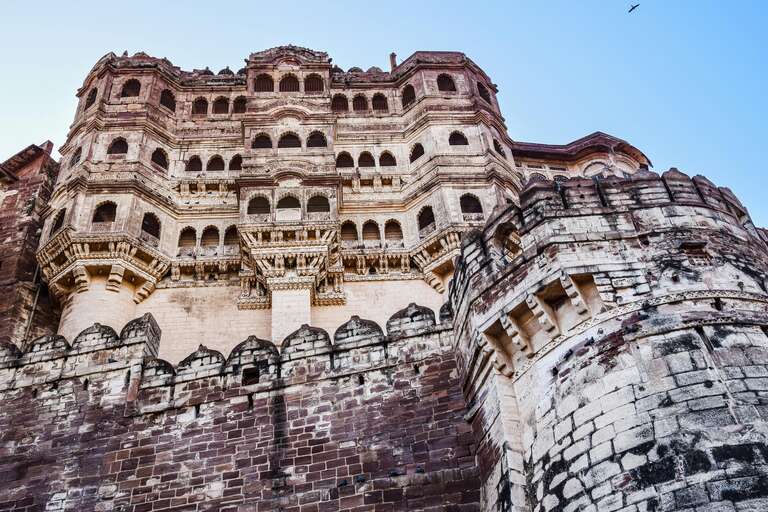
Though often overshadowed by its chilling reputation, Bhangarh Fort holds an important place in the architectural and political history of Rajasthan. Built in 1573 CE by Raja Madho Singh, the fort was strategically designed to serve as a stronghold and a seat of power. Located on the trade route between Delhi and Jaipur, the town of Bhangarh once bustled with life, commerce, and culture.
The fort complex includes temples, marketplaces, royal palaces, and massive gates, showcasing the aesthetic and military sensibilities of the era. Temples dedicated to Gopinath, Mangla Devi, and Hanuman reveal the spiritual vitality of its past. It’s said that Madho Singh constructed the fort with the blessing of a local ascetic, Baba Balanath, who warned that the fort should never cast a shadow over his retreat—or the town would perish.
While there is little definitive evidence of what led to the fort’s downfall, historians suggest multiple theories. Some point to a famine or drought, others to Mughal aggression, and a few speculate internal betrayal or political instability. Whatever the reason, the abrupt abandonment has only deepened the mystery of Bhangarh Fort, giving rise to centuries of ghost stories and speculation.
Scientific Explanations of the Paranormal Activity
Paranormal phenomena, especially those attributed to haunted places like Bhangarh Fort, often find alternative interpretations in science and psychology. While ghost stories captivate the imagination, many experiences reported at the fort can be explained by environmental and neurological factors.
- Infrasound: These are sound waves with frequencies below the audible threshold of human hearing. Generated by wind, thunder, or even geological movements, infrasound can cause feelings of anxiety, unease, and dread—common sensations reported by visitors at the fort.
- Electromagnetic Fields (EMFs): High EMFs are known to affect brain activity, potentially triggering hallucinations, headaches, and feelings of being watched. Areas with high EMF concentrations can often be mistaken for haunted locations.
- Isolation and Suggestion: The fort’s remote location, combined with the expectation of paranormal experiences, primes visitors to perceive natural occurrences as supernatural. This expectation bias can make shadows look like figures and normal sounds feel ominous.
- Acoustics and Architecture: The unique architecture of ancient stone buildings can amplify or distort natural sounds—footsteps echo oddly, and whispers carry farther than expected, further fueling the myths.
Despite these rational explanations, there’s something undeniably eerie about Bhangarh Fort at night—an atmosphere that continues to resist scientific scrutiny and invites belief in the supernatural.
The Role of Local Folklore and Beliefs
In Rajasthan, stories aren’t merely tales—they’re oral history passed from one generation to the next. The villagers living near Bhangarh Fort treat the legends surrounding it with reverence, not skepticism. For them, the ghost of Bhangarh Fort is not a myth but a presence to be acknowledged and respected.
Some claim that priests have tried to break the supposed curse through rituals and ceremonies, only to fail. Others recount family anecdotes involving strange dreams or events linked to the fort. There are even tales of wandering monks and mystics who come seeking answers to the fort’s riddles—only to leave empty-handed or disturbed.
Local guides often whisper blessings before entering certain chambers, and it’s common to see offerings left near temple ruins. This spiritual caution reflects the deep cultural entrenchment of the Bhangarh Fort ghost stories, where belief itself becomes a protective barrier.
These layered beliefs and rituals serve not only as cultural memory but also as a powerful narrative device that perpetuates the legend. They turn Bhangarh from just another ruin into a living story—part history, part warning, and part unending mystery.
Visiting Bhangarh Fort: What You Need to Know
Best Time to Visit Bhangarh Fort
For a comfortable visit, plan your trip between October and March. Winter months bring pleasant weather and fewer crowds. Avoid visiting during the monsoon, as the terrain becomes slippery and overgrown.
Visit during early hours of the day for a quiet experience. Gates typically open around 6 AM and close by 6 PM, well before sunset.
How to Reach Bhangarh Fort
By Road:
From Jaipur: 85 km (approx. 2.5–3 hours)
From Delhi: 270 km (approx. 5–6 hours)
By Train:
Alwar or Dausa are the closest railway stations. From there, hire a local cab.
By Air:
Jaipur International Airport is the nearest major airport.
Since public transport options are limited, booking a Rajasthan tour package or hiring a private vehicle is highly recommended.
Things to Do Around Bhangarh Fort
While Bhangarh itself is the star attraction, the surrounding region is worth exploring:
- Sariska Tiger Reserve: Spot tigers, leopards, and sambars in the wild.
- Ajabgarh Fort: Another mysterious site nearby, often paired with Bhangarh for a ghost-tour circuit.
- Abhaneri Stepwell (Chand Baori): A stunning architectural marvel and one of the deepest stepwells in India.
- Temples inside Bhangarh: The Gopinath and Hanuman temples are beautiful examples of medieval craftsmanship.
Pack a picnic, carry water, and wear good walking shoes—it’s a trek into both history and the unknown.
The Truth vs. The Legend: What We Know About Bhangarh Fort
Are the Ghost Stories of Bhangarh Fort Real?
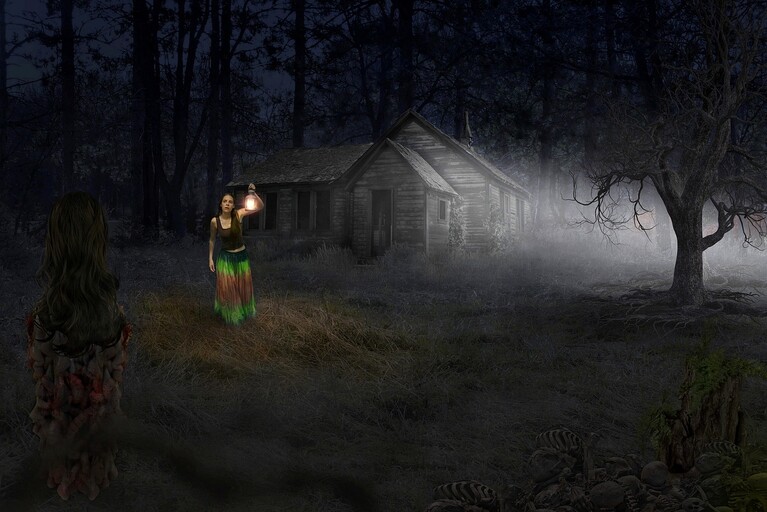
Thousands of visitors say yes. Paranormal investigators have recorded unexplained thermal readings and audio disturbances. While there’s no official confirmation of supernatural activity, the fort’s ambiance speaks volumes. Skeptics continue to search for rational explanations, but believers argue that the sheer volume of similar experiences can’t be coincidental.
Fact vs. Fiction: Separating Truth from Myth
| Belief | Verdict |
| The fort was cursed by a tantric | Folklore |
| Entry is banned after dark | Fact (ASI rule) |
| Visitors have heard whispers | Common anecdote |
| Everyone died in a single night | Likely exaggerated |
| Paranormal teams found proof | Mixed, inconclusive |
The Continued Popularity of the Haunted Fort
From Bollywood filmmakers to documentary crews, the fort remains in the public eye. It’s been featured in TV shows, YouTube vlogs, and even web series about paranormal tourism. The site has also seen a spike in young travellers visiting just to test their courage—making the haunted fort in Rajasthan a modern-day horror pilgrimage site.
FAQs About Bhangarh Fort and Its Haunted History
1. Is Bhangarh Fort really haunted?
While there’s no official evidence, numerous first-hand accounts keep the legend alive. Most locals firmly believe in the fort’s haunted status.
2. When is the best time to visit Bhangarh Fort?
Plan your visit during daylight hours between October and March. Gates close by sunset.
3. Can visitors go inside Bhangarh Fort after dark?
No. Entry is legally prohibited after sundown by the Archaeological Survey of India.
4. What is the significance of Bhangarh Fort’s “No Entry” rule?
Officially for safety, it has culturally evolved into an acknowledgment of the mystery of Bhangarh Fort and its ghostly history.
5. Are there any safety concerns when visiting Bhangarh Fort?
Yes. The terrain is uneven, mobile connectivity is weak, and facilities are limited. Travel in groups and avoid straying from marked paths.
Are you ready to explore India’s most haunted location? Discover the truth behind the myths with Thomas Cook’s Rajasthan tour packages and experience the eerie charm of Bhangarh Fort—if you dare.
Recommended Articles for you
Honeymoon in Kerala: A Beginning of Endless Love
0 0 Golden beaches, green waters, lush greenery, coconuts and wafts of delectable curries; Kerala offers all this and lots more. Kerala has been a thriving place for tourism and more than that a place where honeymooners find peace and […]
Munnar: A Piece of Heaven on Earth, in God’s Own Country
0 0 With the summer approaching, most of us must have begun the process of running away to the mountains, experience the blissful chills, winds of the hills and find an escape from the scorching sun. The obvious choice that […]
Everything You Need To Know About Houseboats in Kerala Backwaters
0 0 When God’s Own Country beckons, never say no. Kerala takes the crown for the exceptional natural beauty that surrounds it. The houseboats in Kerala peppered across the backwaters are unique and exciting attractions for many around the world. […]
6 Most Exuberant Places to Visit in Kerala
0 0 [table id=42 responsive=scroll/] Kerala, also historically prominent as Keralam is is one of the most beautiful states of India. It is located on the Malabar Coast of Southern India. Whenever you come across a traveller who has wandered […]
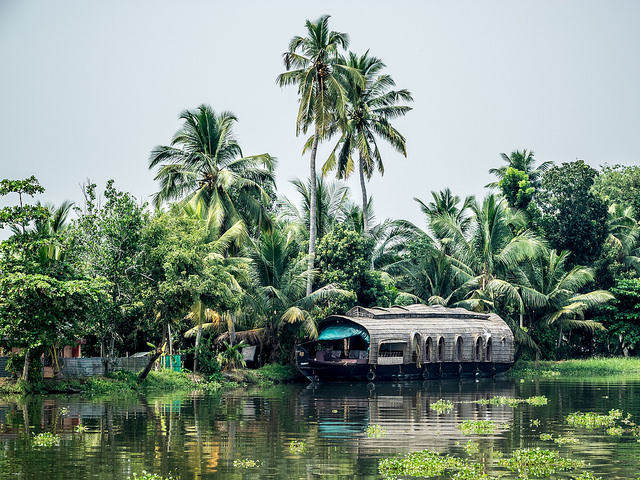
Top 6 Kerala Backwaters for a Blissful and Serene Experience
0 0 No matter how extensively you have traversed the world, nothing can quite compare to God’s Own Country, Kerala, your very own paradise on earth. A major reason why Kerala gets its charm is that it is set amidst […]
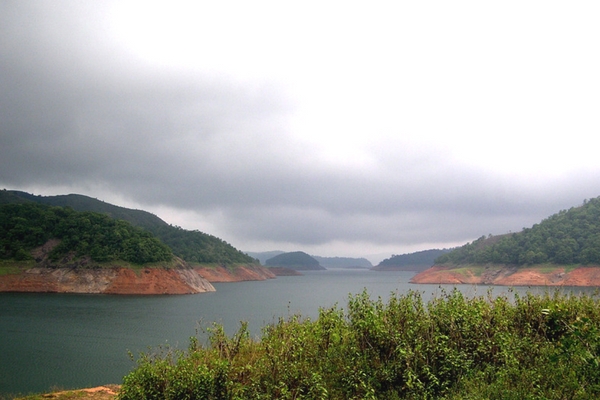
Top 10 Hill Stations In Kerala
1 0 There are so many hill stations in India, some are popular for snow, others are known for the sheer greenery. With serene landscapes, tranquil backwaters, and diverse mix of culturally affluent people, you can find must visit hill […]

Everything You Need to Know About Kovalam Beach in Kerala
0 0 Image Source Because of several serene and beautiful places to visit in Kerala, the state holds a divinity among those who consider travel as a part of their lifestyle. Hiding a world within itself, this lovely state is […]
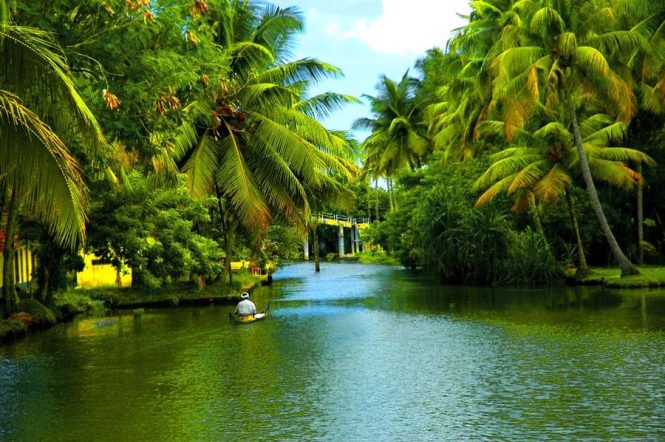
Tourist Places in Kerala: An Offbeat Trip Through God’s Own Country
0 0 From the sparkling backwaters to the majestic elephants, and from the sweet coconuts to the yummy delicacies, Kerala has a lot to offer to capture the heart of travel enthusiast. Nature has truly bestowed all of its beauty […]
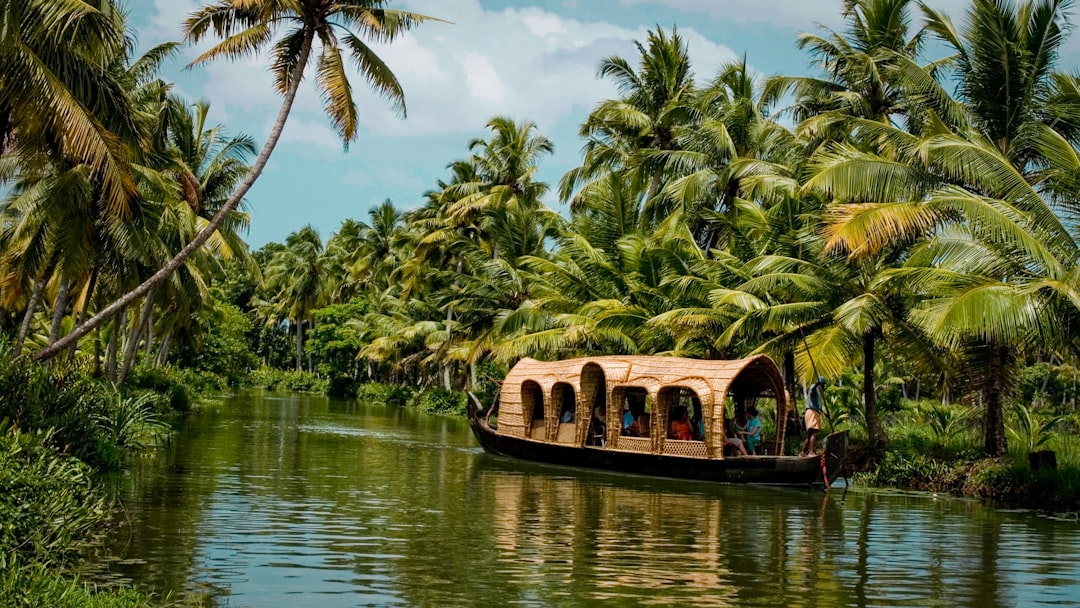
Offbeat Summer Destinations in Kerala: Beyond the Tourist Trail
0 0 Offbeat Summer Destinations in Kerala – Hidden Gems to Visit Kerala, often called God’s Own Country , stands out as a prime destination in India . Renowned for its breathtaking landscapes, the region consistently captivates visitors. The tourist […]
Everything You Need to Know About Silent Valley National Park In Kerala
0 0 Home to some of the rarest animals and the greenest of forests, the Silent Valley National Park in Kerala is one of the top destinations for wildlife fanatics and nature lovers in India.Silent Valley, with its beautiful views […]

How Much Cash Can You Legally Carry While Traveling Abroad?
1 1 The past couple of years have been tough for everybody. Thankfully, things are getting back to normal slowly. It was a delight when everyone got the news of the lifting of Covid restrictions in many countries. So, traveling […]

Australia Student Visa Application Guide 2026: Eligibility, Fees & Balance Requirements
0 0 So, you’ve set your sights on kangaroos, beachside barbeques, and a globally respected education system. Smart choice. Australia is one of the top destinations for international students, but before you start dreaming in Aussie slang, there’s a not-so-little […]
15+ Places to Visit in Ooty – The Queen Of Hill Stations
2 1 How does this sound to you: bright green soothing slopes, mystical pathways, and clouds that kiss your hair? Ooty is replete with such immense beauty and has enough activities and elements to keep every traveler happy and satisfied.One […]
Affordable Travel Tips and Planning for a Pocket-Friendly Trip To Ooty
0 1 Embarking on a journey to the hill station of Ooty need not be a financial burden. In this comprehensive guide, we’ll delve into practical and actionable tips to ensure your Ooty Trip is memorable and light on the […]
Sikkim’s Spiritual Splendour: Embarking on a Journey of Buddhist Discovery in Gangtok
0 0 Nestled amid the Himalayas, Gangtok stands as a tranquil haven for travelers seeking spiritual solace and natural beauty. With its serene monasteries, breathtaking viewpoints, and rich cultural heritage, Gangtok offers a unique blend of experiences that captivate the […]

Boutiques and Kitchens in the Hills: A Guide to Shopping and Eating in Ladakh
0 0 Ladakh is the coldest desert in the world. Ensconced by the world’s highest mountain ranges, its awe-inspiring landscape can only be described as dreamy and ethereal. Secluded from the labyrinth of modernism, it stands out like a solitary […]

Scuba Diving in the Andaman Islands
0 0 Andaman and Nicobar Islands are the perfect mesh of nature and wildlife, with sparsely populated beaches and an ocean brimming with fascinating marine life. An ideal paradise for nature lovers to relax and taste seafood delicacies. However, scuba […]

Dos and Don’ts when travelling in the Andaman Islands
0 0 It’s a blessing to experience a relaxing escape amidst a chaotic lifestyle and the best destination to rejuvenate is the Andaman Islands. With ideal climatic conditions all through the year and a rich cultural history, this island offers […]
Trekking In Ladakh – 10 Perfect Treks For Adventure Junkies
0 0 Located on the northernmost tip of the country, Ladakh is a dream destination place for many travellers especially the trekkers. Trekking in Ladakh is one of those adrenaline pumping experiences that soothes your mind, body and soul. If […]