 Call Us
 18002099100


0 0 What to Eat in Dwarka? Dwarka is primarily a vegetarian food destination. Gujarati cuisine is the highlight. A Gujarati thali is what you order to enjoy multiple local dishes in one meal. Must-try local favourites: dhokla, khaman, fafda-jalebi, […]

9 min read
Table of contents
Rajasthan art and culture come together in Bandhani and block-printed textiles, Kundan and Meenakari jewellery, Ghoomar and Kalbeliya dances, and Dhrupad music. Add Ghagra-Choli and Dhoti-Kurta clothing, Marwari and Mewari speech, and fairs like Pushkar and Teej, and you get one of India’s most distinct regional cultures.
Introduction to Rajasthan’s Rich Art and Culture

Rajasthan, the largest state in India, lies at the crossroads of desert and mountains. Its landscape is
dotted with imposing forts, ornate palaces, and bustling bazaars, all reflecting a centuries-old royal
heritage. More than a backdrop, this environment has nurtured an enduring creative spirit—from
the decorative frescoes of Amber Fort to the folk melodies echoing in desert camps—making the
region’s art and culture a living tradition rather than a static relic.
Why Rajasthan’s Art and Culture Are So Unique
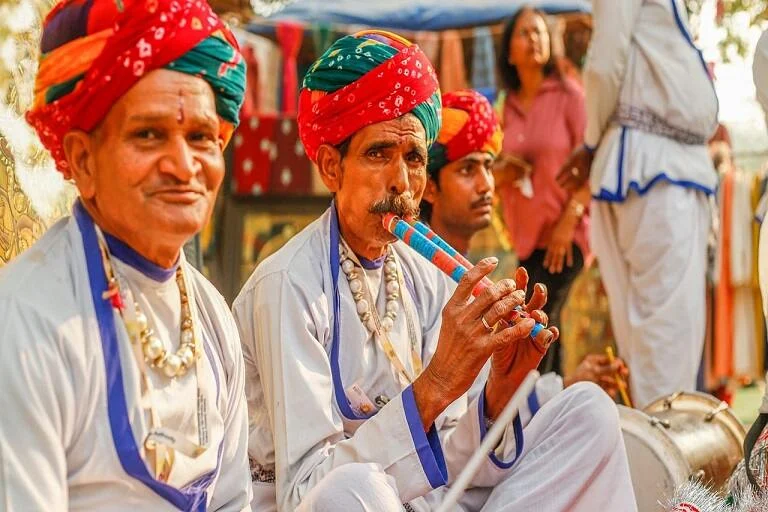
In Rajasthan, every aspect of daily life is infused with artistic expression. Men drape vibrant
turbans that signify community and status, while women wear mirror-studded lehengas that catch
the desert sun. Village homes are painted with geometric patterns and mythological scenes, and
local festivals—from the Pushkar Camel Fair to the Teej processions—become vivid displays of
music, dance, and craftsmanship. These living customs ensure that art and culture remain woven
into the social fabric.
Traditional Attire and Language of Rajasthan
Walk through a Rajasthani village or a Jaipur bazaar and the clothes tell you a lot before anyone says a word. The traditional dress of Rajasthan for women is the ghagra-choli (also called lehenga-choli) with an odhni draped over the head and shoulders. Bright reds, yellows and oranges are common at weddings and festivals.
Most of these outfits carry Bandhani or Leheriya tie-dye, plus tiny pieces of mirror stitched in with Abhla Bharat embroidery. Men usually wear a dhoti-kurta or an angrakha, finished with the safa, or turban. Its colour and the way it is tied can point to a man’s region, community or the occasion. The traditional dress of Rajasthan also shifts from the desert to the Aravalli hills, so what you see in Jaisalmer will not match Udaipur exactly.
Speech changes too. Hindi is used in offices and schools, but at home most people speak the Rajasthani language. It has several dialects: Marwari around Jodhpur and Bikaner, Mewari around Udaipur, Dhundhari around Jaipur, and Shekhawati in Sikar and Jhunjhunu.
The Role of Art and Culture in Rajasthan’s History

Rajasthan’s princely states served as crucial patrons of the arts. Maharajas commissioned
miniature painters in Udaipur and Jodhpur, while court musicians perfected ragas that are still
performed today. Siege-scarred forts like Chittorgarh bear mural art that commemorates heroic
legends. Even utilitarian objects—such as enamel-inlaid daggers from Jaipur or blue pottery from
Jodhpur—reflect centuries of royal sponsorship. Through invasions, alliances, and reforms, these
artistic lineages have been preserved, adapted, and celebrated across the world.
The Vibrant Colors and Patterns of Rajasthani Art
Traditional Rajasthani Paintings (Mewar, Shekhawati, and Pichwai)
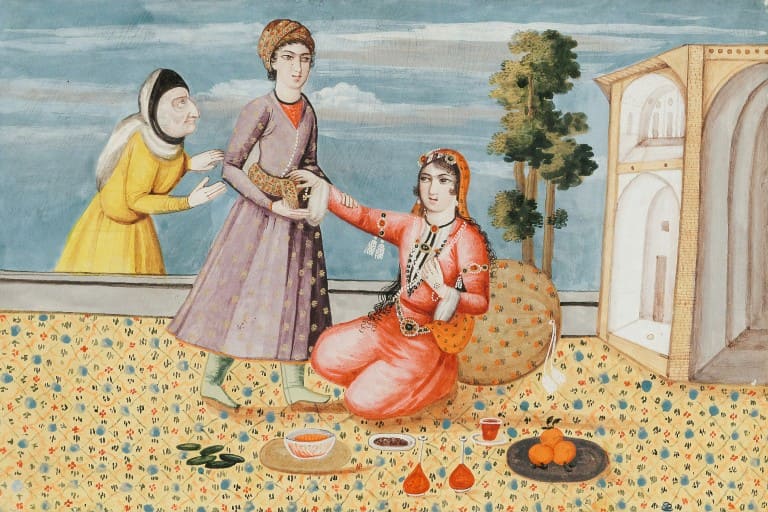
Traditional Rajasthani paintings are known for their exquisite detail, vibrant colors, and
storytelling nature. The Mewar school is one of the oldest, showcasing themes from Hindu
mythology and court life. Shekhawati murals, painted on havelis, depict historical events, daily
life, and religious stories using bold lines and rich palettes. Pichwai paintings, typically created in
Nathdwara, are devotional artworks that portray scenes from the life of Lord Krishna, often on
fabric or cloth. These painting styles reflect the spiritual, aesthetic, and historical richness of the
region.
These paintings also served a functional purpose. For example, Pichwai works were used to
decorate temples and influence devotional moods, while frescoes in Shekhawati homes depicted
the wealth and social status of the owner. Paintings were not just decor—they were integral to
storytelling and religious life.
The Influence of Royal Courts and Palaces on Local Art

Rajasthan’s palaces were artistic hubs where styles were refined and preserved. From hand-painted
ceilings to grand courtyards filled with Rajasthani artwork, the influence of royal culture is
unmistakable. In cities like Udaipur and Jaipur, miniature paintings were created under royal
commissions to record events, spiritual beliefs, and daily routines. These paintings still influence
today’s art forms and remain an integral part of art and craft in Rajasthan.
Court painters often combined local styles with Persian and Mughal influences, creating hybrids
that gave rise to distinct schools such as the Marwar, Hadoti, and Dhundhar schools of painting.
The diversity among these schools highlights the fusion of regional aesthetics with outside
influence, showcasing the cultural openness of Rajasthan’s courts.
Where to Experience Rajasthan’s Art (Museums, Galleries, and Markets)
Travelers can explore Rajasthan’s art through a range of immersive experiences:
- The City Palace Museum in Udaipur for royal miniatures and weaponry.
- Albert Hall Museum in Jaipur for ancient artifacts and textile displays.
- Local bazaars like Bapu Bazaar, Hathi Pol, and Sadar Bazaar to buy handmade Rajasthani
handicrafts and traditional Rajasthani art. - Shilpgram near Udaipur for live demonstrations by rural artisans.
- Jawahar Kala Kendra, Jaipur for exhibitions, performances, and artist residencies.
- Forts like Mehrangarh and Junagarh also showcase murals and decorative elements unique
to specific dynasties.
The Richness of Rajasthani Handicrafts
Block Printing and Textile Craftsmanship
Textile art is one of the most globally recognised elements of Rajasthani handicrafts. Sanganeri
and Bagru block printing techniques use natural dyes and wooden stamps to produce stunning
patterns on cotton and silk. Bandhani, the traditional tie-and-dye art, creates colorful dotted
patterns often seen in turbans, sarees, and dupattas. Leheriya, with its flowing stripes, is another
dyeing technique used primarily during festivals. These crafts sustain thousands of artisans and
are exported worldwide.
Rajasthan’s textile hubs like Barmer and Jodhpur produce intricate embroidery work such as
mirror work, applique, and zari. Each style reflects the identity and traditions of a community. For
instance, Barmer prints feature geometric patterns influenced by Sindh, while Jaipur’s motifs tend
to be floral and Mughal in origin.
Pottery, Jewelry, and Metal Work
Pottery from regions like Alwar and Pokhran features geometric motifs and natural forms. Jaipur’s
blue pottery is distinctive for its non-clay composition and turquoise-blue glaze. Rajasthan is also
a treasure trove for jewelry lovers—offering Kundan, Meenakari, Thewa, and tribal silver
ornaments. Metalware such as engraved brass utensils, locks, and oil lamps add to the grandeur of
Rajasthani homes. These items not only showcase craftsmanship but also embody the soul of
traditional Rajasthani art.
Terracotta figures, utility items, and decorative ware are commonly made in villages and sold
during fairs and melas. Local smiths use ancient casting techniques such as Dhokra (lost-wax
method) to produce intricate items. Jewelry-making has also evolved, with semi-precious stones
and fusion designs now appealing to urban and global tastes.
The Legacy of Rajasthani Craftsmanship in Modern Times
Modern boutiques and designers regularly collaborate with local artisans, ensuring that Rajasthani
handicrafts continue to evolve without losing their identity. Craft fairs like the Surajkund Mela
and Rajasthan Handloom Festival serve as platforms where ancient meets contemporary. Rural
tourism programs also introduce travelers to workshops where they can learn and even participate
in crafting block-printed fabrics or hand-thrown pottery.
The government’s support through GI tagging, training programs, and e-commerce portals has
also opened global avenues. Artisans now ship worldwide through platforms like Amazon Karigar
and Gaatha, taking traditional Rajasthani art to living rooms across the globe.
Best Rajasthani Souvenirs to Bring Home
Most visitors leave Rajasthan with a full suitcase, so it helps to know what is actually worth picking up. These are the famous Rajasthani art forms that are easy to carry home:
- Block-printed textiles: Sanganeri and Bagru fabrics, stoles and bedsheets
- Bandhani dupattas: Light, tie-dyed and good for gifting
- Blue pottery: Jaipur plates, vases and small tiles
- Kundan-Meenakari jewellery: Colourful, detailed pieces, best bought from trusted shops
- Mojari juttis: Handmade leather footwear; these are often embroidered
- Miniature paintings: Small and easy to pack, so ask whether they are hand-painted
Now, if you can’t carry everything? Many artisans and state emporiums now sell Rajasthani handicrafts online, though it is worth checking that the seller is genuine. For city-wise shopping tips and fair prices, read our Rajasthan shopping guide.
The Influence of Music and Dance in Rajasthan’s Culture
Classical Music of Rajasthan: Dhrupad and Gharana Styles
Rajasthan’s classical music traditions are deeply spiritual and rooted in ancient practices. Dhrupad,
one of the oldest forms of Hindustani classical music, is performed with a solemn dignity and
spiritual depth that resonates through temples and palaces. The Jaipur-Atrauli Gharana has
significantly contributed to this genre, preserving rare ragas and vocal techniques that are distinct
to Rajasthan.
Rajasthani folk music is equally rich, with every community contributing its unique voice. The
Langas and Manganiyars, two hereditary musician communities, are guardians of oral traditions
and ballads that recount legends of valor, devotion, and romance.
Traditional Dance Forms: Ghoomar, Kalbeliya, and More
Dance is an essential expression of identity in Rajasthan. Ghoomar, a graceful dance performed
by women in swirling ghagras (skirts), is a symbol of femininity and celebration. Kalbeliya,
performed by the snake-charmer community, is marked by fluid, serpentine movements that mimic
the slithering of snakes.
Bhavai is a dramatic balancing act where women dance atop brass pitchers, glassware, or sword
edges. Terah Taali involves rhythmic cymbals tied to the body, played in coordination with music.
Each form has a story, purpose, and spiritual or celebratory origin.
Where to Experience Live Music and Dance Performances in Rajasthan
Rajasthan offers numerous venues for witnessing its vibrant performing arts:
- Bagore Ki Haveli, Udaipur: Known for its nightly cultural performances.
- Chokhi Dhani, Jaipur: A themed village resort with dance, puppet shows, and traditional
Rajasthani meals. - Jaisalmer Desert Festival: Held in February, this festival includes folk performances,
camel parades, and fire dancing. - Kumbhalgarh and Mewar Festivals: Blend classical and folk music in historic settings.
- Haat bazaars and local melas across villages showcase impromptu performances.
Festivals and Celebrations: A Window to Rajasthan’s Culture
Pushkar Camel Fair: A Blend of Culture and Commerce
The Pushkar Camel Fair is one of the most iconic festivals in Rajasthan, drawing thousands of
traders, tourists, and spiritual seekers. While originally centered on camel trading, the fair has
evolved into a cultural extravaganza.
Events like camel races, mustache competitions, acrobatic displays, and folk music contests
provide an engaging experience. Artisans and craftsmen from across Rajasthan set up stalls,
offering textiles, puppets, jewelry, and paintings. The fair is also a major pilgrimage event during
Kartik Purnima, when devotees bathe in Pushkar Lake.
Diwali, Teej, and Other Important Festivals in Rajasthan
Rajasthan lights up during Diwali, not just with lamps and fireworks but with rituals that honor
wealth, knowledge, and family. Homes are decorated with rangoli and traditional Rajasthani art
painting. The markets buzz with festive sales of Bandhani sarees, sweets, and handicrafts.
Teej and Gangaur are women-centric festivals involving processions, decorated idols, and vibrant
outfits. Holi, celebrated with music and colors, is especially exuberant in places like Barsana and
Jaipur. Urs at Ajmer Sharif draws people of all faiths, showcasing Rajasthan’s spiritual inclusivity.
The Role of Festivals in Preserving Rajasthani Traditions
Festivals act as living museums of Rajasthani culture. They are moments when communities come
together to practice traditional music, dance, crafts, and cooking. Children learn through
observation and participation, keeping the customs alive.
Artisans unveil their latest work during fairs. Dancers and musicians hone their craft in anticipation
of performances. Storytellers narrate local legends. The festivals thus act as a crucial cycle of
cultural transmission.
Why Rajasthan’s Art and Culture Should Be on Your Bucket List
Cultural Immersion in Rajasthan’s Forts and Palaces
There’s no better way to understand Rajasthan’s legacy than by staying in a restored haveli or
palace hotel. These heritage accommodations feature hand-painted walls, carved balconies, and
antique decor—offering not just luxury but storytelling.
Guests can enjoy live music over dinner, partake in folk dance workshops, or take guided heritage
walks that reveal centuries of artistic evolution. Forts like Chittorgarh and Jodhpur come alive
through sound and light shows narrating royal sagas.
Rajasthan as a Living Heritage: How to Experience Local Culture Firsthand
Responsible tourism allows visitors to participate in cultural preservation. You can:
- Learn tie-dye at a Bandhani workshop in Jaipur
- Make terracotta at a potter’s wheel in Alwar
- Join a puppet-making session in Nagaur
- Cook Rajasthani cuisine with locals in Shekhawati
- Take a camel safari to tribal villages around Jaisalmer
These immersive experiences bridge the gap between tourism and tradition, providing both
education and enrichment.
How Rajasthani Art and Culture Will Enhance Your Travel Experience
Every interaction in Rajasthan—whether with a storyteller in a market, a weaver in a village, or a
singer under the stars—adds depth to your journey. The state’s culture elevates even a simple
sightseeing tour into a sensory celebration. Whether you’re an art lover, historian, photographer,
or spiritual seeker, Rajasthan’s cultural offerings are bound to inspire.
Its handmade richness, oral histories, vibrant celebrations, and community spirit make it an
unforgettable destination.
FAQs About Rajasthan’s Art and Culture
1. What are the best places to explore Rajasthani art and culture?
Some of the top destinations include:
- Udaipur: Known for miniature painting and performing arts
- Jaipur: A hub for jewelry, blue pottery, and block printing
- Jaisalmer: Famous for folk music and stone carving
- Jodhpur: Renowned for bandhej textiles and Marwari folk traditions
- Bikaner and Barmer: Excellent for woodwork and embroidery
2. How can I buy authentic Rajasthani handicrafts?
Visit government-run emporiums like Rajasthali, attend state-organised fairs such as Shilpgram
and Surajkund Mela, or buy directly from artisans via verified e-commerce platforms.
3. Are there workshops to learn Rajasthani arts and crafts?
Yes, several NGOs and cultural organisations offer short courses in pottery, puppet-making, block
printing, and traditional Rajasthani art painting. These include Sadhna in Udaipur and Jaipur Rugs
Foundation.
4. What are the most popular dance forms in Rajasthan?
- Ghoomar (performed at weddings and festivals)
- Kalbeliya (performed by snake charmer tribes)
- Bhavai (performed on brass pitchers)
- Chari Dance (involving flaming pots on heads)
- Terah Taali (13 cymbals tied to the body)
5.When is the best time to experience Rajasthan’s festivals?
From October to March. This season includes Diwali, Pushkar Fair, Desert Festival, and Mewar
Festival. The weather is also pleasant for sightseeing and outdoor events.
Want to explore Rajasthan’s artistic soul for yourself? Discover our exclusive Thomas Cook
Rajasthan Tour Packages and step into a world of color, tradition, and timeless stories.
6. What is the traditional dress of Rajasthan?
Women wear the ghagra-choli or lehenga-choli with an odhni, and men wear a dhoti-kurta or angrakha with a colourful safa. Tie-dye and mirror work make these outfits stand out, and they are a big part of Rajasthani culture and tradition.
7. What language do people speak in Rajasthan?
Hindi is used for official work, but most locals speak Rajasthani at home. Its main dialects are Marwari, Mewari, Dhundhari and Shekhawati, and each one changes with the region. Every dialect carries its own songs, proverbs and Rajasthan folk culture, which help keep Rajasthani culture and tradition alive.

Recommended Articles for you

Madurai-Rameshwaram-Kanyakumari: Planning the Classic South Tamil Nadu Circuit
0 0 How Can You Plan the Madurai-Rameshwaram-Kanyakumari Circuit? 1. Ideal duration: Five days is a good enough balanced trip covering the main attractions of Tamil Nadu. 2. Suggested route: Madurai → Rameshwaram → Kanyakumari. Day 1: Explore Madurai’s temples, […]
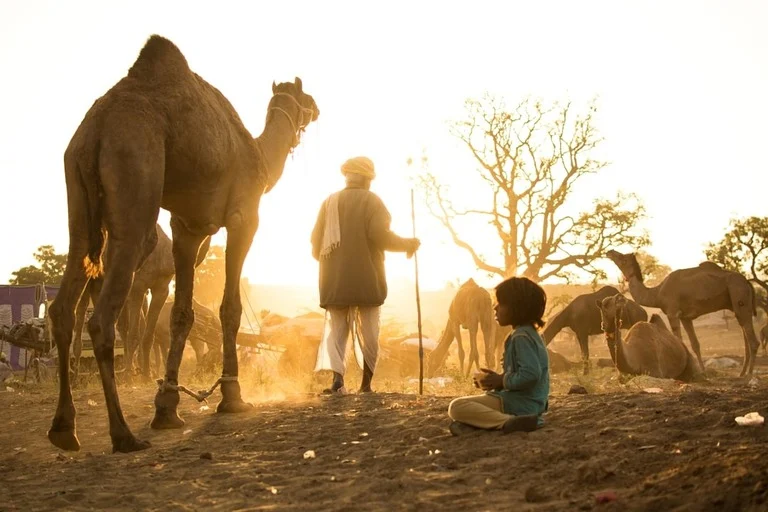
Rajasthan’s Spiritual Oasis: Experiencing Peace & Devotion in Pushkar
0 0 Looking for the best places to visit in Pushkar? This sacred Rajasthan town near Ajmer wraps around Pushkar Lake and its 52 ghats, and holds one of India’s rare Brahma temples. Visit between October and March, dress modestly, […]
Top 5 Things About Local Art and Culture of Rajasthan
0 0 Rajasthan art and culture come together in Bandhani and block-printed textiles, Kundan and Meenakari jewellery, Ghoomar and Kalbeliya dances, and Dhrupad music. Add Ghagra-Choli and Dhoti-Kurta clothing, Marwari and Mewari speech, and fairs like Pushkar and Teej, and […]
A 2-Day Rameshwaram Itinerary: Temples, Bridges and the Ghost Town
0 0 What Can You Cover in Two Days in Rameshwaram? On the first day, visit Ramanathaswamy Temple, Agni Theertham, and Pamban Bridge. On the second day, visit Dhanushkodi and see the Dr APJ Abdul Kalam Memorial. One day is […]
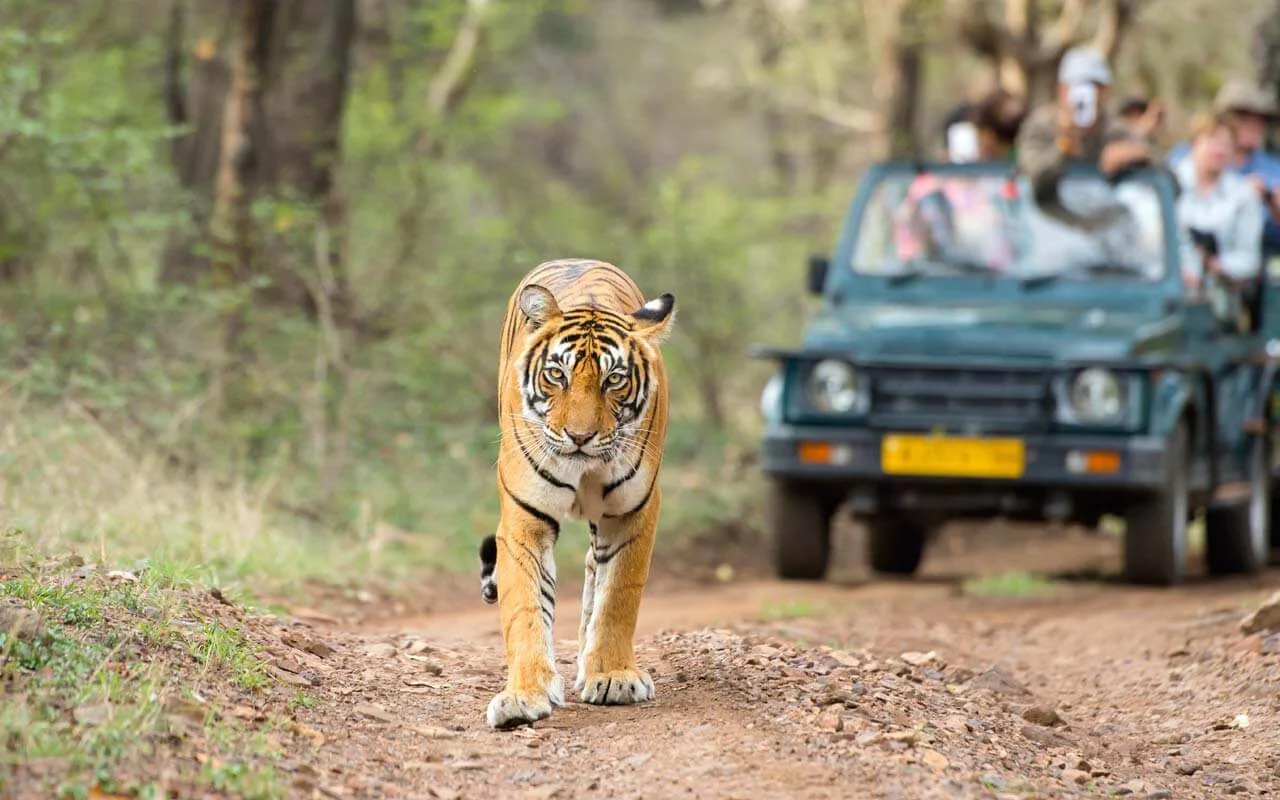
Visiting the national parks and sanctuaries in Rajasthan
0 0 Rajasthan’s top national parks include Ranthambore and Sariska for tigers, Keoladeo National Park Bharatpur, for migratory birds, and Desert National Park near Jaisalmer for blackbuck and desert raptors. They are best visited from October to June, with jeep […]
Ayurvedic Healing Retreats in Kerala: A Journey to Inner Harmony
0 0 In the tranquil backwaters and lush greenery of Kerala, lies a treasure trove of ancient wisdom and healing practices known as Ayurveda. For centuries, this South Indian state has been a sanctuary for those seeking rejuvenation, balance, and […]
Enjoy exotic camel safari in Rajasthan
0 0 A camel safari in Rajasthan means riding across the Thar Desert near Jaisalmer, Bikaner, Jodhpur and Pushkar, anywhere from a quick sunset ride to a night in a desert camp. October to March is the comfortable season. Short […]
Rukmini Devi Temple, Dwarka: The Legend of Krishna’s Separated Queen
0 0 The Rukmini Devi Temple is dedicated to Rukmini, the principal queen and consort of Lord Krishna. The Rukmini Devi Temple Dwarka is just 2 kms farther than the Dwarkadhish Temple. The Rukmini Devi Temple is known for its […]

Everything You Need to Know About Kovalam Beach in Kerala
0 0 Because of several serene and beautiful places to visit in Kerala, the state holds a divinity among those who consider travel as a part of their lifestyle. Hiding a world within itself, this lovely state is has […]
Elephant Falls Meghalaya: Timings, Entry Fee, Best Time & Travel Guide
0 0 Meghalaya’s Elephant Falls At A Glance Meghalaya is one of the best destinations to go for a holiday. There are many beautiful spots to see there, and one of them is Elephant Falls. It is a three-tiered waterfall […]
Mahakaleshwar Temple Ujjain: History, Nabhi Sthala Legend, Darshan Guide & Road to Simhastha 2028
0 0 Mahakaleshwar is the only south-facing, self-manifested Jyotirlinga, sitting underground in Ujjain. It is known as the “navel of the earth.” Expect insane crowds during Shravan 2026 and Simhastha 2028; book Bhasma Aarti separately, wear a dhoti/saree for inner […]

Rajasthan and the legends of its forts
0 0 Some of the most famous forts in Rajasthan are Amber and Jaigarh in Jaipur, Mehrangarh in Jodhpur, Jaisalmer Fort, Junagarh in Bikaner, and the UNESCO-listed Chittorgarh and Kumbhalgarh. Rajput rulers built them between the 8th and 18th centuries, […]
Must Visit Places To Shop In Rajasthan
0 0 Shopping in Rajasthan is best done city by city: Jaipur’s Johari and Bapu Bazaars for jewellery and textiles, Jodhpur’s Sojati Gate and Clock Tower Market for bandhej, Udaipur’s Hathi Pol for handicrafts, Jaisalmer’s Sadar Bazaar for embroidery, and […]
Dawki River, Meghalaya: The Complete Guide to India’s Clearest River
0 0 The Dawki River (Umngot River) in Meghalaya’s West Jaintia Hills is famous for its crystal-clear water. It lies about 80 to 90 km from Shillong, near the India-Bangladesh border. The river looks its best from November to March, […]
Umiam Lake (Barapani), Shillong: A Practical Visitor Guide
0 0 Umiam Lake Meghalaya is also referred to as Barapani, meaning Big Water ” in the local language. This Lake is a man-made reservoir located around 15 km from Shillong. The Umiam River was dammed to build this Lake. […]
Everything You Need to Know About Silent Valley National Park In Kerala
0 0 Home to some of the rarest animals and the greenest of forests, the Silent Valley National Park in Kerala is one of the top destinations for wildlife fanatics and nature lovers in India.Silent Valley, with its beautiful views […]

Top Most Powerful and Famous Temples in Kerala
6 0 The temples in Kerala are famous and tourists from all over India and even from other countries come to visit them. The idea of visiting the place without actually making a round of the temples is unthinkable. After […]
Dos and Don’ts when travelling in the Andaman Islands
0 0 It’s a blessing to experience a relaxing escape amidst a chaotic lifestyle and the best destination to rejuvenate is the Andaman Islands. With ideal climatic conditions all through the year and a rich cultural history, this island offers […]
Scuba Diving in the Andaman Islands
0 0 Andaman and Nicobar Islands offer a beautiful blend of untouched nature, blue waters and vibrant wildlife. The populated beaches meet vibrant marine life. It’s a great place for nature lovers, where the islands offer a perfect setting to […]