 18002099100




0 0 Tokyo DisneySea is a uniquely themed Disney amusement park situated in Urayasu, Chiba Prefecture, which is located just outside of Tokyo. The park is a part of the Tokyo Disney Resort, which also includes Tokyo Disneyland. The park’s […]
Table of contents
Introduction to India’s Longest Rivers
India is a land blessed with some of the most extensive and culturally significant rivers in the world. These waterways are not just geographical features—they are lifelines that support agriculture, sustain civilizations, foster biodiversity, and nurture spiritual traditions. From the towering Himalayas to the southern plateaus, the longest rivers in India traverse varied landscapes, offering a fascinating blend of nature, culture, and history.
Importance of Rivers in India’s Geography and Culture
Rivers in India have shaped the subcontinent’s topography, agriculture, and even the course of its history. They are critical for irrigation, drinking water, hydroelectric power, and transportation. Culturally, these rivers are deeply revered, often worshipped as goddesses or sacred entities. The Ganga river in India, for instance, holds unparalleled religious significance for millions.
Why Exploring India’s Longest Rivers Is a Must
Exploring the longest rivers in India means diving deep into its heart and soul. These rivers flow through some of the country’s most enchanting regions—verdant valleys, arid plains, bustling cities, and quiet villages—revealing the rhythm of life in every drop. Whether you’re a nature enthusiast, history buff, adventure lover, or spiritual seeker, following the trail of India’s longest rivers is a transformative experience.
The 8 Longest Rivers in India
Let’s now dive into the major rivers of India that rank among the longest and most awe-inspiring.
1. Ganga (Ganges) – The Lifeline of India
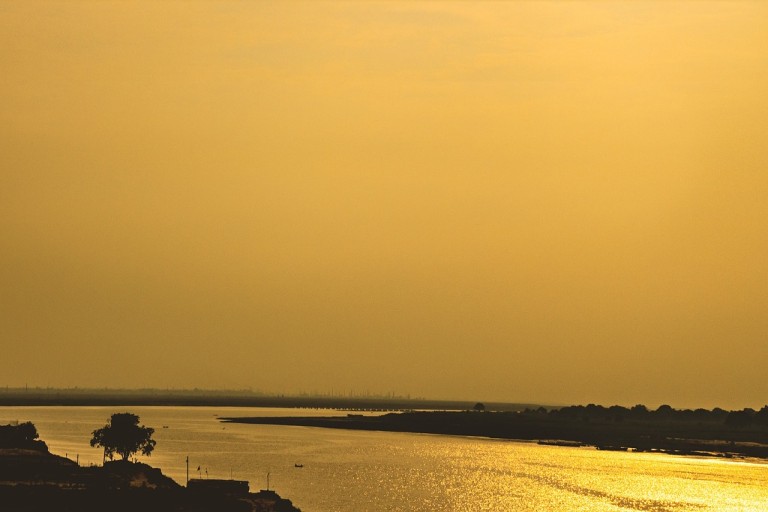
- Length: Approx. 2,525 km
- Origin: Gangotri Glacier, Uttarakhand
- States Covered: Uttarakhand, Uttar Pradesh, Bihar, Jharkhand, West Bengal
The Ganga is the most important river of India, both in terms of geography and spirituality. Flowing from the Himalayas to the Bay of Bengal, it nurtures one of the world’s most fertile plains. Towns like Varanasi, Haridwar, and Allahabad (Prayagraj) thrive on its banks. Bathing in the Ganga is believed to purify the soul.
Its cultural richness, biodiversity, and significance in Hindu rituals make it one of the main rivers of India. The Ganga also supports millions of livelihoods, from fishing communities to agricultural zones, and is at the heart of multiple eco-conservation projects like Namami Gange.
2. Godavari – The South Indian Giant
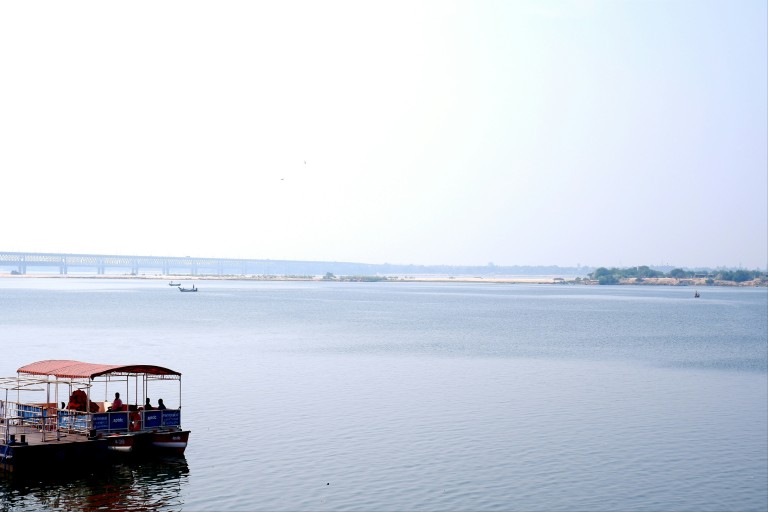
- Length: Approx. 1,465 km
- Origin: Nashik, Maharashtra
- States Covered: Maharashtra, Telangana, Andhra Pradesh
Nicknamed “Dakshina Ganga” (Ganga of the South), the Godavari is the second-longest river in India. It flows through diverse terrains and is home to pilgrimage sites like Trimbakeshwar and Nashik. The river supports rich ecosystems and has several tributaries contributing to its grandeur.
The Pushkaram festival, held every 12 years, attracts thousands of devotees. Its expansive delta in Andhra Pradesh is a biodiversity hotspot, while Rajahmundry, a vibrant city on its banks, offers scenic river cruises and bridges that showcase the river’s width and cultural significance.
3. Yamuna – The Sacred River of Delhi
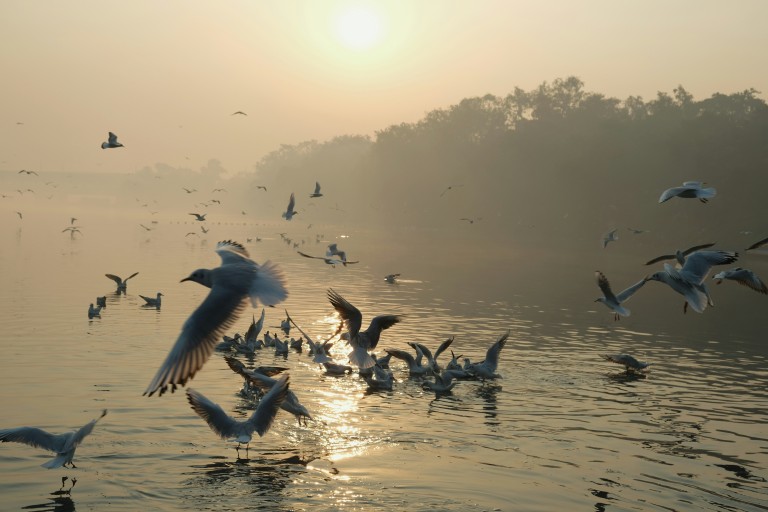
- Length: Approx. 1,376 km
- Origin: Yamunotri Glacier, Uttarakhand
- States Covered: Uttarakhand, Haryana, Delhi, Uttar Pradesh
The Yamuna River flows parallel to the Ganga and merges with it at Prayagraj. It is revered for its association with Lord Krishna and flows through the heart of India’s capital, Delhi. Though increasingly polluted, efforts are underway to revive its lost glory.
The Taj Mahal, located on its banks in Agra, adds historical charm to its spiritual depth. Yamuna also supports agriculture and industry along its path, and cities like Mathura and Vrindavan flourish with Krishna temples, ghats, and sacred traditions centered on the river.
4. Narmada – India’s Pristine River
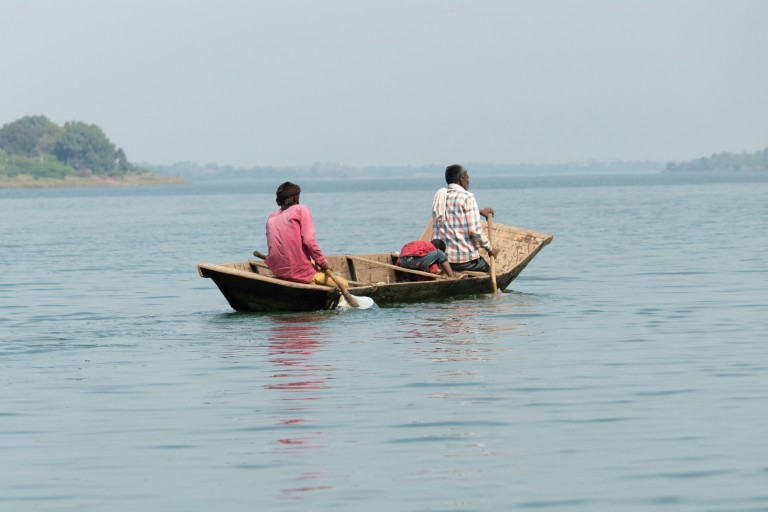
- Length: Approx. 1,312 km
- Origin: Amarkantak Plateau, Madhya Pradesh
- States Covered: Madhya Pradesh, Maharashtra, Gujarat
One of the few major rivers in India that flows westward, the Narmada is considered extremely sacred. Its banks are dotted with ancient temples and towns like Omkareshwar and Maheshwar. The river carves the majestic Marble Rocks of Bhedaghat and forms the spectacular Dhuandhar Falls, making it a visual treat for travelers.
Narmada Parikrama—a spiritual circumambulation along its length—is an important Hindu tradition. The river also plays a vital role in hydroelectric projects like the Sardar Sarovar Dam, supporting irrigation and energy for multiple states.
5. Brahmaputra – The Mighty River of the Northeast
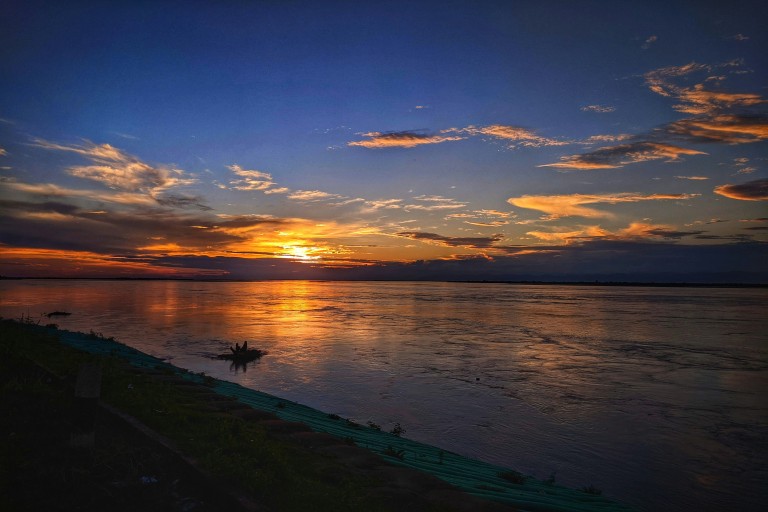
- Length: Approx. 2,900 km (916 km in India)
- Origin: Mansarovar Lake, Tibet
- States Covered: Arunachal Pradesh, Assam
The Brahmaputra enters India through Arunachal Pradesh and powers through the floodplains of Assam. Known for its fierce monsoon floods and rich alluvial soil, it is vital for agriculture in the region. Explore Majuli, the world’s largest river island, or witness the vibrant Bihu festival to truly experience the cultural heartbeat of Assam.
The Brahmaputra also serves as a lifeline for ferry services, river cruises, and trade. Its braided channels, shifting sandbars, and rich birdlife make it a destination of immense natural beauty.
6. Indus – The River of Ancient Civilization
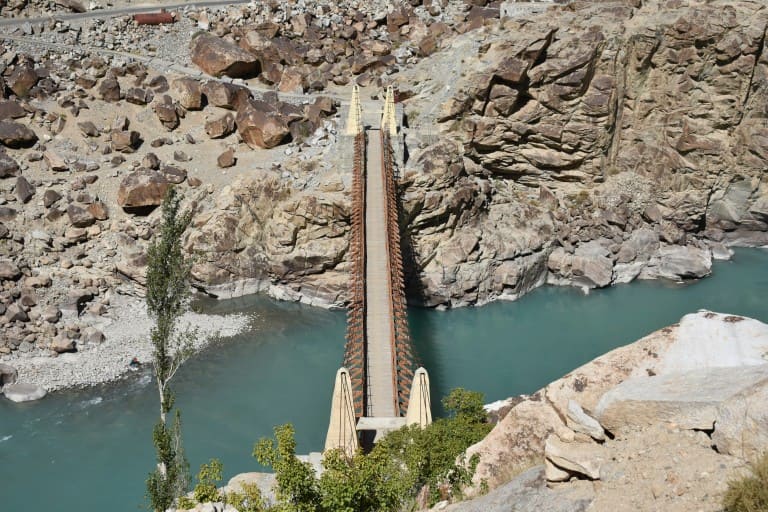
- Length: Approx. 3,180 km (1114 km in India)
- Origin: Tibetan Plateau near Lake Mansarovar
- States Covered: Ladakh, Jammu & Kashmir
One of the world’s oldest rivers, the Indus gave birth to the Indus Valley Civilization. Although most of it flows through Pakistan, its Indian stretch includes Ladakh’s stark yet beautiful landscapes. Rafting, cultural immersion, and visiting ancient monasteries make the Indus a unique destination for river exploration.
The river is vital to Ladakh’s ecology, offering sustenance in an otherwise arid region. The annual Sindhu Darshan Festival near Leh celebrates the river’s spiritual legacy and its role in India’s heritage.
7. Mahanadi – A Sacred River of Eastern India
- Length: Approx. 890 km
- Origin: Sihawa Hills, Chhattisgarh
- States Covered: Chhattisgarh, Odisha
The Mahanadi River has been a lifeline for central and eastern India. The Hirakud Dam on this river is one of the world’s longest earthen dams. With fertile floodplains and spiritual centers like Cuttack and Sonepur, the river is steeped in both natural and religious significance. Mahanadi’s delta supports thriving rice cultivation and provides critical flood control for Odisha. The river is central to many tribal communities, whose traditions, songs, and rituals are deeply interwoven with its seasonal rhythms.
8. Krishna – The River of South India’s Heart
- Length: Approx. 1,400 km
- Origin: Mahabaleshwar, Maharashtra
- States Covered: Maharashtra, Karnataka, Andhra Pradesh, Telangana
The Krishna River is central to southern India’s agriculture and spirituality. Major pilgrimage towns like Vijayawada and Alampur are located along its banks. The river also supports several wildlife sanctuaries and is home to the famous Krishna Pushkaralu festival. With massive irrigation networks, including the Nagarjuna Sagar and Srisailam dams, Krishna sustains farmlands and drinking water for millions. Scenic spots like Sangli and Krishna Barrage are popular among photographers and nature lovers alike.
Why These Longest Rivers Should Be Explored
Rich History and Ancient Civilizations Along the Rivers
From the Indus Valley to the Ghats of Varanasi, the longest rivers in India have nurtured some of the world’s oldest civilizations. Exploring these rivers means walking in the footsteps of ancient kings, sages, and poets.
Opportunities for Adventure and Eco-Tourism
Whether it’s white-water rafting in the Brahmaputra, boating in the Ganga, or wildlife spotting along the Narmada, India’s rivers offer thrilling eco-tourism opportunities for the conscious traveler.
Spiritual and Religious Significance of the Rivers
Many of the longest rivers in India are worshipped as deities. Rituals like Ganga Aarti, Kumbh Mela, and Pushkarams transform riverbanks into spiritual hubs. Even a quiet boat ride can feel like a deeply meditative experience.
Scenic Beauty and Photography Opportunities
The rivers traverse mountain passes, forests, plains, and deltas—offering endless opportunities for photography. Sunrise over the Ganga, marble canyons of the Narmada, and floodplains of the Brahmaputra are nature’s masterpieces.
Cultural Heritage and Local Traditions
Local festivals, folklore, music, and cuisines along these rivers make every stretch culturally immersive. River journeys connect you with regional traditions that you won’t find in typical tourist circuits.
Best Time to Visit the Longest Rivers in India
Ideal Seasons for River Expeditions
The best time to explore the major rivers of India is typically from October to March. The post-monsoon season brings lush greenery, calm river currents, and pleasant weather for outdoor activities.
River Festivals and Events You Can Attend
- Kumbh Mela (Ganga & Yamuna)
- Pushkaram (Godavari, Krishna)
- Bihu (Brahmaputra)
- Chhath Puja (Ganga & Yamuna)
These festivals provide a rich cultural backdrop to your river explorations.
Avoiding Monsoon: Best Months for Safe River Travel
The monsoon season (June to September) brings heavy rains and swelling rivers. It’s best avoided for travel due to flooding risks, especially in states like Assam, Bihar, and Odisha. Plan post-monsoon for safe exploration.
How to Plan Your Trip Along India’s Longest Rivers
Essential Travel Tips for River Explorations
Before setting off on your journey along the longest rivers in India, it’s important to plan with both excitement and responsibility. These rivers flow through varying terrains, weather conditions, and cultural zones—making preparedness key. Here are a few essential travel tips to help you navigate your river expedition smoothly and respectfully.
- Research local weather and river conditions.
- Travel with certified guides, especially in remote areas.
- Respect local customs, especially during religious events.
- Avoid polluting or littering the riverbanks.
What to Pack for a River Tour
Packing for a river-based adventure in India depends on the season, location, and length of your journey. Whether you’re cruising along the Ganga or trekking near the Indus, the right gear can make a big difference. Here’s a checklist of must-have items to ensure comfort, convenience, and sustainability on your river trip.
- Lightweight clothing and waterproof gear
- Power banks and travel apps
- Reusable water bottles and eco-friendly toiletries
- A journal or camera for memories
Best Routes to Explore Each River
Each of India’s longest rivers offers a unique journey, flowing through towns steeped in history, nature, and spirituality. From the holy ghats of Varanasi to the tranquil backwaters of Rajahmundry, these curated routes help you experience the very essence of each river.
Here are some of the best starting points and stopovers to include in your itinerary.
- Ganga: Haridwar → Varanasi → Patna → Kolkata
- Godavari: Nashik → Bhadrachalam → Rajahmundry
- Yamuna: Yamunotri → Delhi → Agra → Prayagraj
- Brahmaputra: Pasighat → Majuli → Guwahati
- Indus: Leh → Kargil → Ladakh valleys
- Krishna: Mahabaleshwar → Vijayawada → Hamsaladeevi
Accommodations and Facilities Along the Riverbanks
You’ll find riverfront homestays, heritage hotels, and eco-resorts near most rivers. Larger towns like Varanasi, Rishikesh, Guwahati, and Rajahmundry have excellent options. In rural areas, stay with locals for an authentic experience.
Inspired to explore India’s majestic rivers? Book your India tour package with Thomas Cook today and start your unforgettable journey!
FAQs About Exploring the Longest Rivers in India
1. What is the best time to visit India’s longest rivers?
October to March is ideal due to cooler weather and calm water levels.
2. Can I take a boat ride along these rivers?
Yes, boat rides are available on many rivers like the Ganga, Godavari, and Brahmaputra. Opt for sunrise or sunset cruises for the best experience.
3. Are there any spiritual experiences along these rivers?
Absolutely. Participate in rituals, festivals, or meditation retreats in places like Varanasi, Rishikesh, and Trimbakeshwar.
4. How do I reach remote areas along the rivers?
Use a mix of flights, trains, and local transport. For northeast rivers like Brahmaputra, start from Guwahati or Dibrugarh. In Ladakh, travel by air to Leh.
5. Are there guided tours available for river exploration?
Yes, several travel companies offer river cruise packages, spiritual tours, eco-treks, and customized itineraries focused on river journeys.
Recommended Articles for you
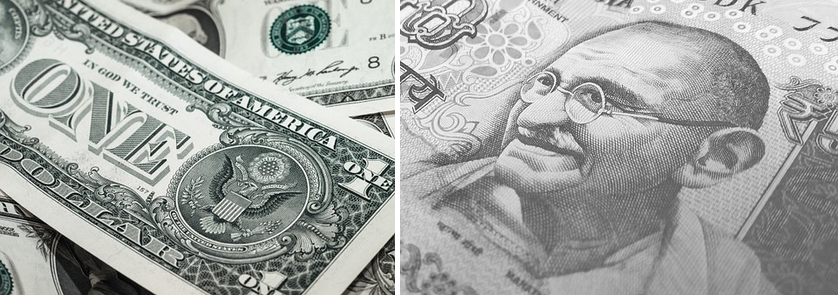
1 USD to INR from 1947 to 2026
18 3 Today, if we convert 1 USD to INR the Indian currency’s value is lower than USD. INR’s value ranges around 83.57 to 1 USD. Many travellers travelling abroad exchange INR to USD and then later get it converted […]
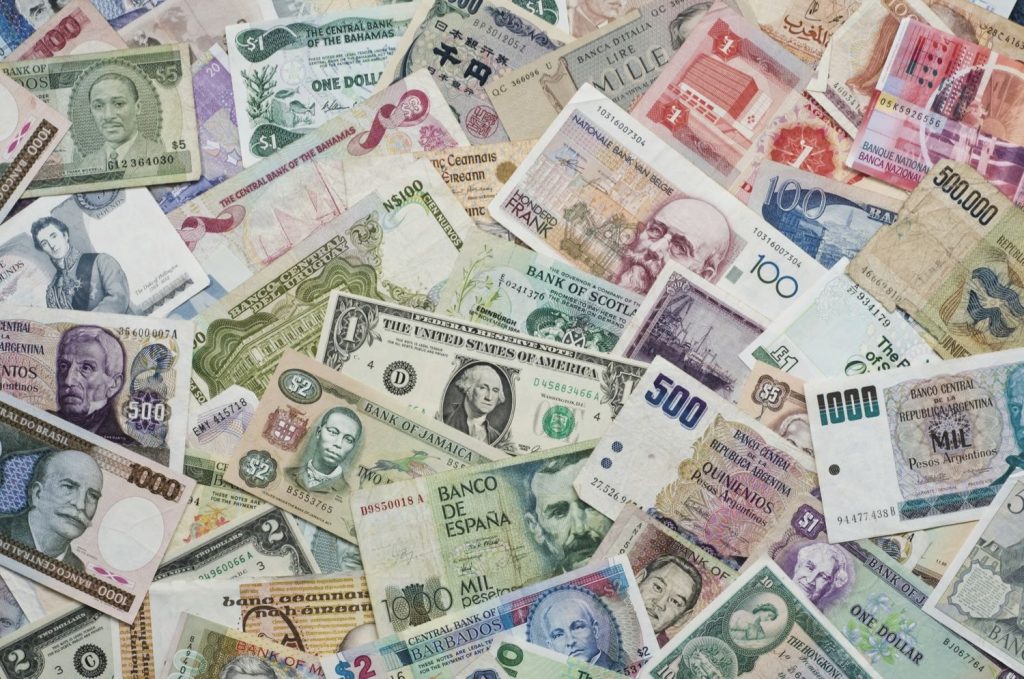
Highest Currency in the World in 2026
20 0 It is a common knowledge that value of currencies around the world change on a regular basis. Some currencies are considered stronger than many others. There are countries where the Highest Currency is not more than 20 while […]

Lowest Currencies in the World with Exchange Rates in INR
4 0 As you plan your travels or delve into the economics of different countries, understanding currency values becomes crucial. The phrase ‘currencies with the lowest exchange rates in the world’ often piques curiosity, both for economic insights and the […]
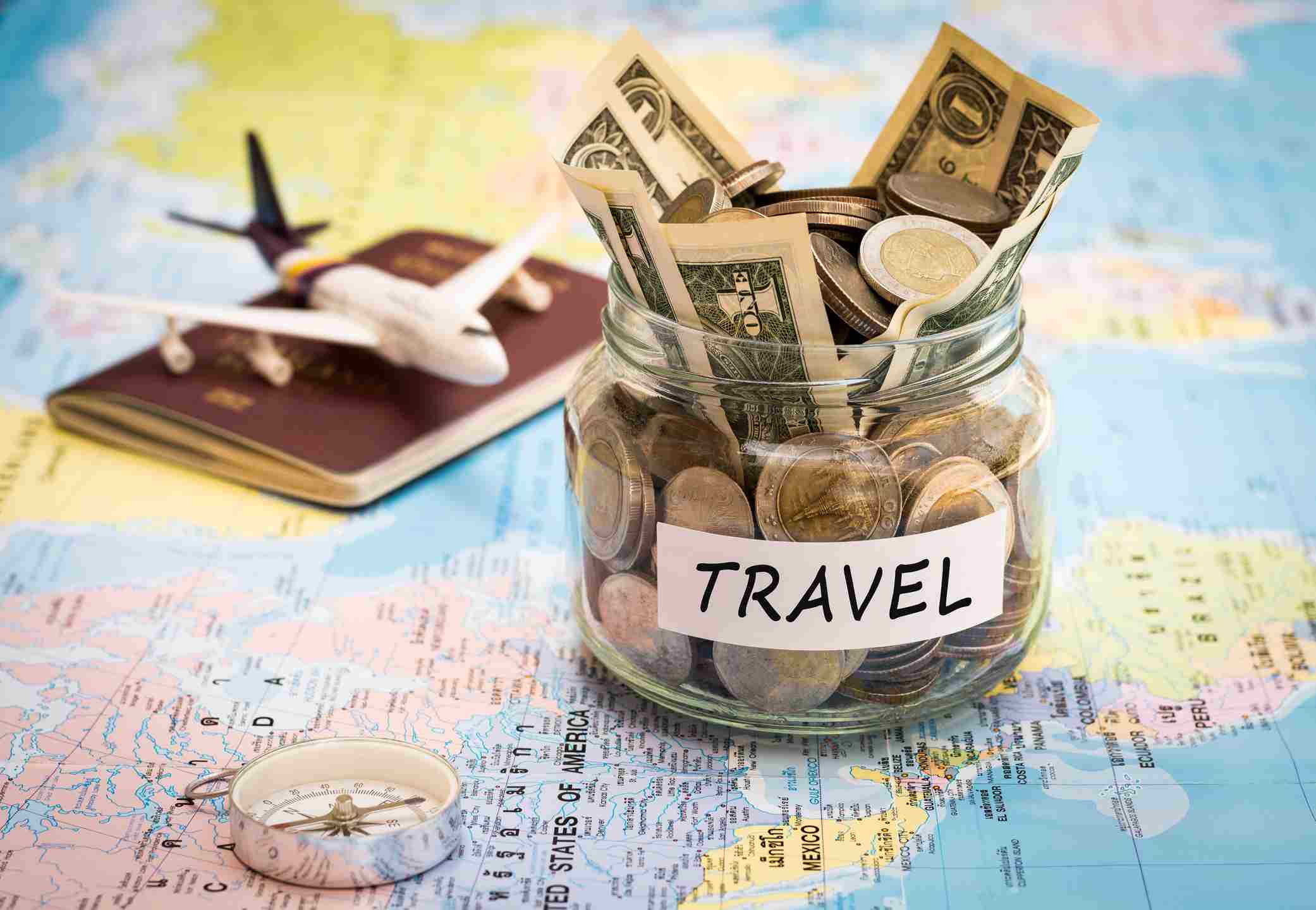
How Much Currency Should You Carry on Your First International Trip?
2 0 In the post-pandemic scenario, when life is getting back to normal, and people are resuming their long-awaited trip plans, it is essential to strategize about the expenses to be incurred. Prior to packing bags, understanding the financial baggage […]
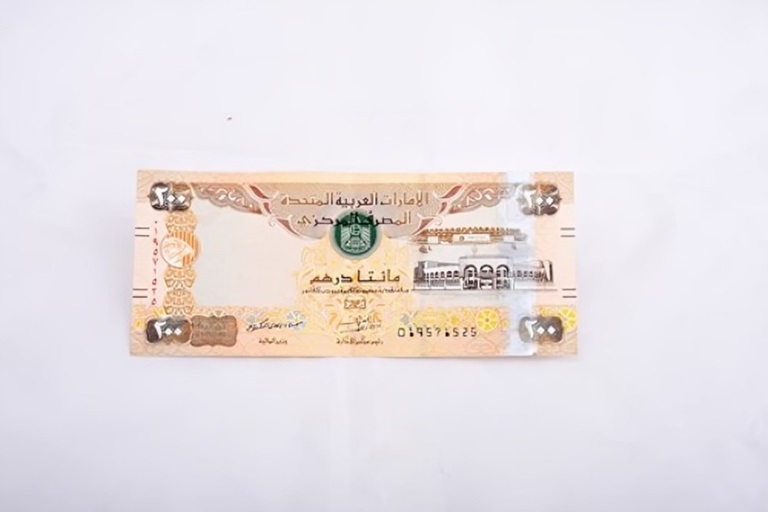
Which Currency is Best to Use in Dubai?
0 0 Dubai, one of the world’s most vibrant and luxurious destinations, attracts millions of tourists and business travellers each year. Known for its towering skyscrapers, world-class shopping malls, and rich cultural experiences, Dubai’s allure often raises a common question […]

Step-by-Step Guide to Reloading and Unloading Your Forex Card
0 0 A Forex card is an indispensable tool for international travellers, offering a secure, convenient, and cost-effective way to carry foreign currency. Whether you are a frequent flyer, a student studying abroad, or simply on holiday, a Forex card […]
How Much Cash Can You Legally Carry While Traveling Abroad?
1 1 The past couple of years have been tough for everybody. Thankfully, things are getting back to normal slowly. It was a delight when everyone got the news of the lifting of Covid restrictions in many countries. So, traveling […]
10 Things to Do in Guwahati for an Unforgettable Experience
0 0 Guwahati, the gateway to Northeast India, offers a perfect mix of history, spirituality, and adventure. From visiting the famous Kamakhya Temple to enjoying a scenic cruise on the Brahmaputra River, there are endless experiences waiting for travelers. Here’s […]
21 Best Places to Visit in Bangalore
-78 -111 Bangalore has evolved from being the Garden City to the Silicon Valley of the country! It is one of the largest cities in India and has people migrating over from all across the country. The tourist places in […]

Maha Shivaratri – Significance and Importance
1 0 The way cosmos functions, the way it was formed and its future are all beyond human comprehension. We have been trying to study about the cosmos for over millenniums and haven’t gotten too far. If studying about what […]
Top 19 Famous Places in Delhi Everyone Needs to Visit
-198 -125 Delhi Attractions you won’t be able to skip visiting at least once Delhi, the capital of Incredible India, is in no way any less than incredible itself. With some of the most beautiful and captivating Tourist Places in […]

10 Places to Visit in India in February 2026
0 0 The ‘Month of Love’ is the perfect time to travel across India for two reasons. In February, winter is almost at an end but the weather is still pleasant without being too cold. Secondly, you won’t have to […]
5 Best Places to Visit in August Outside India in 2026
3 0 As August approaches, many travellers seek destinations that offer a change of pace from the usual summer heat. Whether you’re escaping the warm Indian climate or looking to experience unique cultural events, August presents the perfect opportunity for […]
Most Beautiful Places in the World – Top Travel Destinations
1 0 Traveling is our way to seek beauty, understand culture and feast our soul on the richness of diverse landscapes. Each travel destination in the world is a journey through these enriching factors that gives a true meaning to […]

The Ultimate Guide to the World’s Top 10 Biggest Festivals
4 0 In a world rich with diverse cultures and traditions, festivals are vibrant expressions of human celebration, spirituality, and community. From ancient rites to modern spectacles, these gatherings bring people together to honour history, commemorate shared values, and revel […]
The Ultimate Kumbh Mela guide 2026: Everything You Need to Know
2 0 Kumbh Mela 2026 is not merely a religious celebration but is the ultimate cultural experience, bringing millions together worldwide. Also regarded as the world’s biggest spiritual gathering, the Kumbh fair is one of the spectacular events that congregates […]

Thomas Cook Forex Card vs Niyo Global Card: A Real Travel Comparison
0 0 Planning a 2026 international trip and seeking the best forex card for travel to manage your international travel money? Whether you’re exploring budget-friendly destinations like Manali or jetting off to Paris, prepaid travel cards like the Thomas Cook […]

Top 20 Holiday Destinations to Visit in India in 2026
6 2 When it comes to travelling, India is a vastly underrated holiday destination that doesn’t get its due credit. From arid deserts to lush rainforests, from lofty mountains to mysterious valleys; you’ll get an overwhelmingly vast number of experiences […]
12 Best Places To Visit In November In India In 2026
0 0 November is a month of vibrant transitions in India, offering an array of travel experiences from the cool Himalayan foothills to the warm beaches of the south. If you’re planning your travel itinerary for November 2026, India presents […]