 Call Us
 18002099100


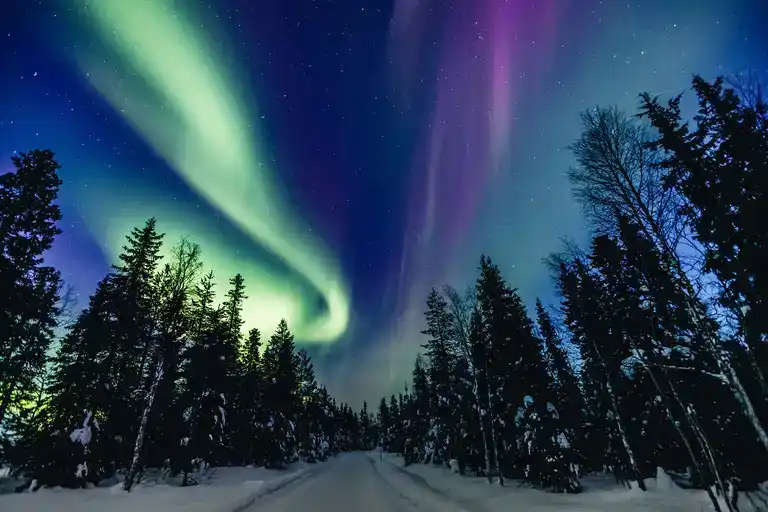
0 0 There is a particular kind of silence that falls over you the first time the sky turns green above your head. It is not something a screen can prepare you for. That unforgettable moment is what makes Northern […]
Table of contents
Introduction
Nepal has earned its spot as the world’s trekking capital, and that is completely justified. Hiking in Nepal is good for your eyes and your soul. You come across beautiful villages, surrounded by the gorgeous Himalayas. And while you trek through them, you find hanging bridges, glacial rivers, and centuries-old monasteries along the way. This makes the best treks in Nepal some of the most memorable you will ever have.
Nepal is very popular among Indian trekkers. Geographically, it is quite close and relatively affordable. You don’t need a visa to enter Nepal, which makes it further accessible. There are several Nepal base camps, including the Nepal Annapurna Base Camp and the Everest Base Camp. For Indian trekkers, these allow for convenient international adventures.
Best Treks in Nepal
Before we explore the details, here’s a quick look at some of the best treks in Nepal:
Trek | Duration | Difficulty | Maximum Altitude | Best Season | Main Highlight |
| Everest Base Camp | 12–14 days | Challenging | 5,364 m | Mar-May, Sep-Nov | World’s highest mountain |
Annapurna Base Camp | 7–12 days | Moderate | 4,130 m | Mar-May, Sep-Nov | Himalayan amphitheatre |
| Langtang Valley | 7–10 days | Moderate | 3,870 m | Mar-May, Oct-Nov | Culture and forests |
Poon Hill | 4–5 days | Easy-Moderate | 3,210 m | Mar-May, Sep-Nov | Sunrise viewpoint |
| Upper Mustang | 10–14 days | Moderate | 3,840 m | May-Oct | Ancient Tibetan kingdom |
Famous trekking routes in Nepal
1. Everest Base Camp Trek
When you think about Nepal, you automatically think of the mighty Mount Everest. And if there is one trek that characterises trekking in Nepal, it has to be the Nepal Everest Base Camp trek. It is a dream for trekkers across the globe. You climb towards the highest peak in the world. Every step you take gets etched in history, while you get mesmerised by the beauty around.
The Everest Base Camp trek takes about twelve to fourteen days and is challenging. You fly into Lukla and then walk through Namche Bazaar, Tengboche, Dingboche, and Lobuche before reaching Gorakshep. From there you head to Everest Base Camp and then climb Kala Patthar, which sits at 5,545 metres and gives you the best view of Mount Everest. Along the way you will pass Sherpa villages, cross suspension bridges, visit Buddhist monasteries, walk past glaciers, and catch the iconic sunrise from Kala Patthar. You need a Sagarmatha National Park Permit and a Khumbu Rural Municipality Permit to do this trek. The best time to go is March to May or September to November when the weather is stable, and the views are clearest. Although the trail is not technically difficult, the high altitude and long trekking days make acclimatisation very crucial.
2. Annapurna Base Camp
If the EBC Nepal trekking option feels too intimidating, the Nepal Annapurna Base Camp trek is your friendlier alternative. The trek begins from Pokhara, which is one of the most popular vacation spots in Nepal. This automatically puts you in a jolly mood and removes all your apprehensions. You then trek through beautiful forests, terraced farmland, and hot spring villages.
The Annapurna Base Camp trek takes about seven to twelve days and is moderately difficult. You start from Nayapul and pass through Ghandruk, Chhomrong, Bamboo, and Deurali before reaching Machapuchare Base Camp and finally Annapurna Base Camp at 4,130 metres. Along the way, you will walk through the Annapurna Sanctuary, get clear views of Machapuchare, pass rhododendron forests, see waterfalls, stop at hot springs, and stay in traditional Gurung villages. You need an Annapurna Conservation Area Permit and a TIMS card. The best time to go is March to May or September to November when the weather is good, and the trails are clear. Annapurna Trek Nepal is the perfect pick for first-time Himalayan trekkers.
3. Langtang Valley
The Langtang Valley is often considered to be a hidden Nepal trekking route. It offers incredible mountain scenery, but is much less crowded compared to the Annapurna Trek Nepal and the Nepal Everest Base Camp trek.
The Langtang Valley trek takes about 7 to 10 days and is moderately difficult. You start from Syabrubesi and pass through Lama Hotel and Langtang Village before reaching Kyanjin Gompa. If you are up for it, you can climb Kyanjin Ri, which sits at 4,773 metres and gives you a proper view of the snow-capped peaks. Along the way, you will walk through alpine meadows, see glaciers, pass yak pastures, and get a real feel for Tamang culture. You need a Langtang National Park Entry Permit and a TIMS card to do this trek. The best months to go are March to May and October to November when the weather is clear, and the trails are in good shape.
4. Poon Hill
Poon Hill may be Nepal’s best gateway to trekking in the Himalayas. The Poon Hill Trek is famous for many things, but among them, the unforgettable sunrises always hold top position! Lots of trekkers climb to the viewpoint before dawn every day, as sunlight slowly lights up the Annapurna, Dhaulagiri, and Machapuchare peaks, giving you some truly unreal views.
The Poon Hill trek is one of the best Nepal treks if you do not have a lot of time. It takes about four to five days, and the difficulty is easy to moderate, so most people can handle it without too much trouble. You start from Nayapul and walk through Tikhedhunga and Ghorepani before heading up to Poon Hill at 3,210 metres. The sunrise from the top gives you a full panoramic view of the Himalayas, and it is genuinely worth the early wake-up call. Along the trail you will pass through colourful forests, stop in charming Gurung villages, and sleep in comfortable tea houses that make the whole thing feel a lot easier than it probably should. You will need an Annapurna Conservation Area Permit and a TIMS card before you set off. The best time to go is March to May or September to November when the skies are clear, and the walking conditions are at their best.
Poon Hill is ideal for beginners hiking in Nepal, or for travellers with limited time who still want breathtaking mountain views.
5. Upper Mustang
Upper Mustang feels completely different from the rest of Nepal. You won’t find the deep, green forests here. Rather, you’ll see colourful cliffs next to the steep canyons. You will also find ancient caves and centuries-old monasteries. The region remained closed to outsiders until the early 1990s, helping preserve its Tibetan culture. A truly remarkable region, offering some of the best treks in Nepal.
The Upper Mustang trek takes about ten to fourteen days and is moderately difficult. You start from Jomsom and pass through Kagbeni, Chele, Ghami, and Tsarang before reaching Lo Manthang, which sits at 3,840 metres. That is your highest point. The landscape out here is dry and desert-like, nothing like the green hills you see in other parts of Nepal. You will come across ancient monasteries, cave dwellings, and the walled city of Lo Manthang itself, which feels like you have stepped back a few centuries. To do this trek, you need a Restricted Area Permit and an Annapurna Conservation Area Permit. The good news is you can go from May to October, and it works even during the monsoon because this region sits in a rain shadow, so it barely gets any rain.
If you are looking for a truly unique trek through beautiful landscapes and old Tibetan cultures, then the Upper Mustang trek is tailor-made for you.
Trekking Tips & Preparation
Before exploring the various Nepal base camps, you must prepare well for your excursion. Here are some handy tips for you:
1. Altitude sickness prevention
Altitude sickness is the one thing that can ruin a Nepal base camp trip regardless of how fit you are. To get past this issue, you have to be clear about one thing – stay hydrated, rest well and acclimatise very well before you begin your trek. Do not take this lightly, as altitude sickness can make you very ill, very soon. The common symptoms include headache, dizziness and nausea. If you experience any signs of altitude sickness, seek medical help immediately.
2. Essential gear
You need to be dressed properly before leaving for the Nepal treks. Carry your waterproof trekking boots, as they will be essential for all the treks. Also, carry some layered clothing, thermal jackets, headlamps, etc. Additionally, carry some water purifying tablets, essential medicines, and so on. Being prepared is the key, so you cannot skip this part.
3. TIMS card and other permits
Paperwork is simple but non-optional. The TIMS card covers most treks. National park permits depend on where you are headed. Carry passport photos and cash, as ATMs vanish fast once you leave the cities, and card machines are basically mythical above 3,000 metres.
4. Preparation
Prepare well for the trip. Train as required, undergo medical tests and get the green signal from your doctor. Also, do all the bookings. Consider a Thomas Cook Nepal package, as that helps getting to the region easier. Thomas Cook has some wonderful packages, so explore them before you book your trip.
Conclusion
Nepal is one of the most beautiful places on Earth. It is close to India, so a quick trip to Nepal is always feasible. And if you are a trekking enthusiast, this tiny Himalayan nation will give you every reason to plan a trip. So what are you waiting for?
Recommended Articles for you

Cherry Blossom Festival in Japan – The Ultimate Spring Escape
0 0 If there is one country that can consistently surprise you, enchant you and make you feel blessed about life, it has to be Japan. From retaining deep-rooted cultural beliefs to staying ahead in technology and being a pioneer […]

Sakura Cherry Blossom – Witness Japan’s Pink Spring
0 0 Every year, Japan’s gardens, trees and parks turn from a glorious green of jade to the soft pink of a blushing bride. That’s right, the cherry blossoms are ready to bloom, bringing with it the promise of a […]
Places to Visit in India in December
0 0 December marks the beginning of the peak travel season in India. From the North of the country to the South, every region has pleasant weather and clear skies, perfect for sightseeing. After the hot summer and muggy monsoon, […]
12 Best Places To Visit In November In India In 2026
0 0 November is a month of vibrant transitions in India, offering an array of travel experiences from the cool Himalayan foothills to the warm beaches of the south. If you’re planning your travel itinerary for November 2026, India presents […]

What is the average cost of living in Singapore in 2026?
0 0 The Cost of Living in Singapore At A Glance Average monthly budget: A single person may need S$1505 every month excluding accommodation. The rest of the budget depends on lifestyle and location. Biggest expense: Accommodation is the largest […]
Top Universities in Germany for International Students
0 0 Germany universities for international students have been one of the most preferred destinations for many years. Public universities charge little to no tuition fees, offering excellent opportunities for globally valued research and English-taught programs across engineering, business, and […]
RBI Forex Guidelines for Foreign Exchange Transactions in India
0 0 What Do RBI Forex Guidelines Say? FEMA oversees the legal mechanism governing foreign exchange transactions in India. All Indian residents should deal in forex only through RBI-authorised persons and for permitted purposes. Under the Liberalised Remittance Scheme (LRS), […]
Cost of Living Index by Country: Compare Living Expenses Around the World (2026 Guide)
0 0 No two countries charge the same price for everyday life. A coffee that costs $2 in Hanoi can cost $7 in Zurich, and a one-bedroom apartment renting for $300 in Cairo might command $3,000 in Manhattan. These gaps […]
Delhi To Haridwar distance: Best Route, Train Timings & Travel Guide
0 0 Delhi to Haridwar At A Glance Haridwar is an integral religious destination for Hindus. In 2025, 3.4 crore people visited Haridwar, and that number is only expected to be higher at the end of 2026. If you are […]
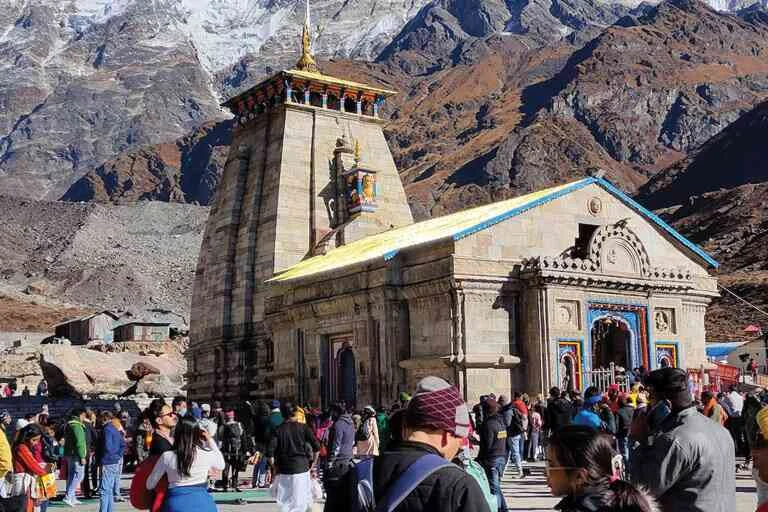
Delhi to Kedarnath distance: Best Route, Train Timings & Travel Guide
0 0 Delhi to Kedarnath cannot be called a road trip, but it is a journey where the destination is sacred, so every part of the journey becomes a kind of storytelling. Most of the people ask, “Delhi to Kedarnath […]
Jodhpur to Udaipur journey is an ultimate Rajasthan travel journey.
0 0 These two destinations have completely different personalities, but the journey between the two destinations is mesmerising. Imagine yourself waking up to the blue-painted buildings of Jodhpur, covered with mighty forts and surrounded by beautiful desert vibes. And then […]
Kullu to Manali distance: Best Route, Train Timings & Road Trip Guide
0 0 Kullu to Manali At a Glance Kullu and Manali sit in the same valley, so this isn’t really a “journey” in the way Delhi to Manali is; it’s more of a short hop most travellers do on their […]
Everything You Need to Know About Mumbai to Goa Distance
0 0 Mumbai to Goa At a Glance Goa is one of the most happening places in India. It offers nature, partying, waterfalls, trails, water activities, and whatnot. Goa sees millions of tourists every year from all across the globe, […]

Varanasi to Haridwar distance: Best Route, Train Timings & Travel Guide
0 0 Varanasi to Haridwar at a Glance Here are the numbers, before anything else. People do this route mostly for one reason: both cities run a daily Ganga aarti, and pilgrims like pairing them into one circuit. Road: roughly […]
Ride the World’s Longest Cable Car to Hon Thom Island: Your Complete Phu Quoc Travel Guide
0 0 The Hon Thom cable car in Phu Quoc is renowned for its Guinness World Record as the longest sea-crossing cable car. Offering a great view of the Gulf of Thailand, this cable car ride stretches across 7.9 km. […]
Longest Bridge in the World: Where Record-Breaking Engineering Meets Stunning Landscapes
0 0 Ask most people to name the world’s longest bridge, and you’re likely to get a confident answer like the Golden Gate Bridge or the Brooklyn Bridge or some other famous landmark plastered across postcards and movies. But the […]
World’s Largest Waterfall: Experience the Majestic Beauty of Angel Falls Like Never Before
0 0 Angel Falls in Venezuela is the highest waterfall in the world. It is 979 metres high. The falls are in a large forest area called Canaima National Park. Getting there takes time, but the views are amazing. You […]
Visit the Largest Mall in the World: Everything You Need for the Perfect Shopping Trip
0 0 Largest Mall In The World Iran Mall in Tehran, Iran, is the world’s biggest mall by total reported area. The mall is approximately 1.95 million square metres, or 21 million square feet. Note: The discussion of the biggest […]
Top 10 Highest Railway Bridges in the World: Discover the Tallest Train Bridges and Their Incredible Stories
0 0 The world’s highest railway bridges are mostly in China and India. India’s Chenab Bridge is the tallest railway arch bridge at 359 metres, which is even higher than the Eiffel Tower. China’s Najiehe Bridge, at 310 metres, still […]