 18002099100




2 1 Travelling outside India doesn’t have to be expensive! With a bit of planning, you can explore incredible international destinations on a budget while still enjoying unique cultural experiences and stunning landscapes. From the ancient temples of Southeast Asia […]

Table of contents
Introduction to Amritsar’s Golden Temple
The Spiritual Significance of the Golden Temple
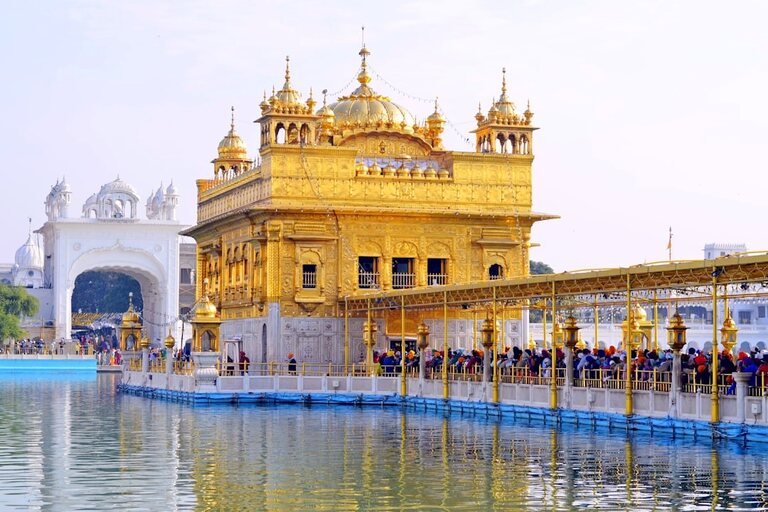
Located in the heart of Punjab, the Amritsar Golden Temple—also known as Harmandir Sahib—
is one of the most revered spiritual sites in India. This holy shrine holds immense significance for
Sikhs across the world and welcomes visitors from all faiths who seek peace, devotion, and divine
grace. The golden dome shimmering under the sun, the still waters of the Amrit Sarovar, and the
constant hum of prayer create a sanctuary of calm that is both powerful and humbling.
Visiting the Golden Temple in Amritsar is not just a sightseeing experience; it is a soulful journey
that invites self-reflection, gratitude, and an understanding of Sikh values rooted in humility,
service, and equality.
A Historical Overview of the Golden Temple
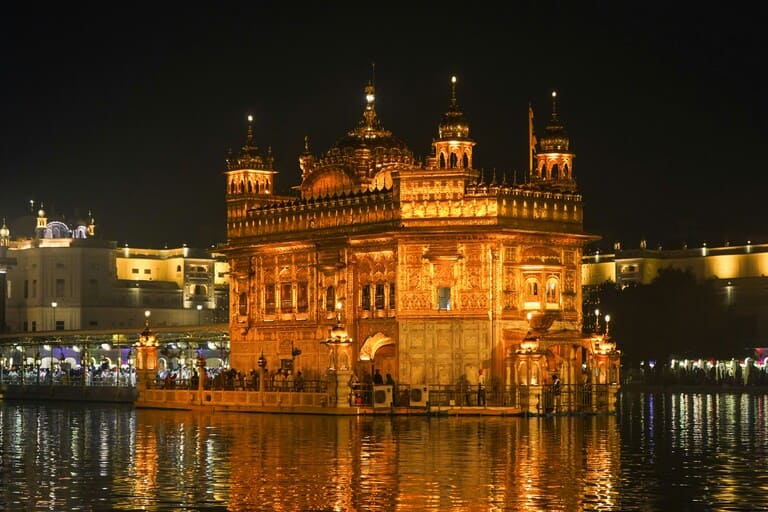
The history of the Amritsar Sahib Golden Temple dates back to the 16th century when Guru Ram
Das, the fourth Sikh Guru, founded the city of Amritsar. Guru Arjan Dev, the fifth Guru, later
envisioned and built the temple itself in the late 1500s. Unlike traditional Hindu temples that sit
atop high plinths, the Golden Temple is built at a lower level, symbolizing humility and welcoming
everyone from all walks of life.
The structure has withstood numerous attacks, reconstructions, and restorations over centuries,
only emerging stronger each time. Today, the tour of Golden Temple in Amritsar includes not just
the main sanctum but also museums, libraries, community kitchens, and architectural marvels that
narrate tales of devotion and resilience.
Exploring the Golden Temple Complex
The Sacred Harmandir Sahib (Golden Temple) Structure
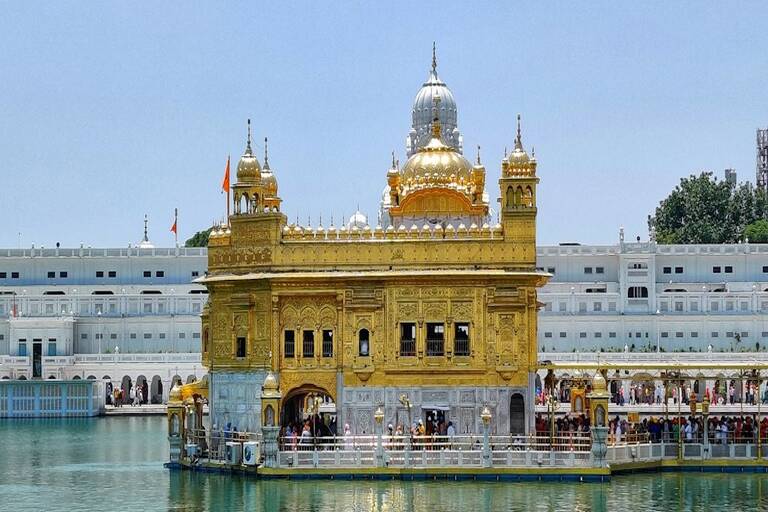
The central shrine, wrapped in layers of gold, sits serenely amidst the sacred Amrit Sarovar (pool
of nectar). A causeway leads devotees across the water to the sanctum, where the Guru Granth
Sahib (holy scripture) is recited continuously. The architecture blends Mughal and Rajput
elements, with intricate marble inlay work and gold-covered panels.
You can hear soulful kirtans (devotional hymns) being sung live by musicians, adding to the
spiritual ambiance. Morning and evening ceremonies, especially the palki procession of the
scripture, are worth witnessing during your Amritsar Golden Temple trip.
Akal Takht and the Historical Importance
Directly opposite the Golden Temple sits the Akal Takht, the temporal seat of Sikh authority.
Established by Guru Hargobind in 1606, it represents justice and governance within Sikhism.
While the Golden Temple focuses on spiritual guidance, the Akal Takht emphasizes worldly
responsibility—together completing the vision of Sikh ideology.
When you tour Amritsar Golden Temple, this site offers a deeper understanding of the courage,
sacrifice, and resilience embedded in Sikh history.
The Sikh Museum and Its Role in Preservation of Heritage
The Central Sikh Museum, located within the complex, chronicles the evolution of Sikhism and
honors martyrs who laid down their lives for faith and justice. The museum displays historical
paintings, ancient manuscripts, weapons used in battle, and rare photographs.
Exploring this museum provides valuable insights into the cultural and historical context of
Amritsar and its significance in Indian history.
Langar: The Community Kitchen and its Spiritual Significance
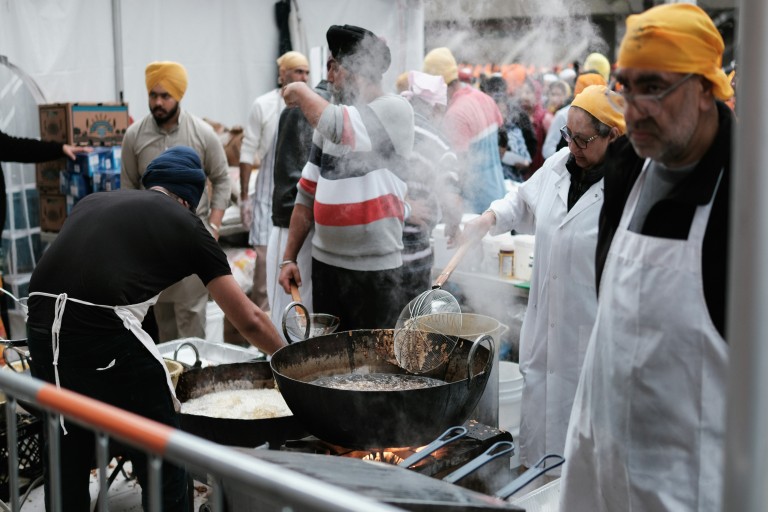
No trip to Amritsar Golden Temple is complete without participating in the langar—the world’s
largest free community kitchen. Open 24/7, it feeds over 50,000 people daily with freshly prepared
vegetarian meals, served and consumed in utter equality—irrespective of religion, caste, or
nationality.
Volunteering in the kitchen—be it chopping vegetables, washing utensils, or serving food—is
considered a form of selfless service or ‘seva.’ The sheer scale of this operation, fueled purely by
donations and volunteers, makes it one of the most inspiring parts of Amritsar tourism.
The Fields of Gold: A Scenic Experience
What are the Fields of Gold?
Beyond the divine glow of the temple lies a different kind of gold—the endless mustard fields that
stretch across Amritsar’s countryside. Especially during the winter and early spring, these vibrant
yellow fields create postcard-perfect views and symbolize Punjab’s agricultural richness.
Locals call these mustard expanses “Sunehri Khet,” and they have become a must-see on any trip
to Amritsar Golden Temple. They offer a peaceful retreat from the city’s spiritual fervor and are
perfect for photography, picnics, and rural exploration.
Best Time to Visit Amritsar for Golden Fields
The best months to witness the golden fields are between late December and March, when the
mustard blooms are in full glory. During this time, the weather is cool and pleasant, making it ideal
for both temple visits and countryside tours. If you plan your Amritsar Golden Temple trip around
this season, you get to witness both the cultural and natural splendor of Punjab.
Exploring the Surrounding Countryside and Rice Fields
Besides mustard, the surrounding farms of Amritsar grow basmati rice, wheat, and sugarcane.
Many villages offer farm-stay experiences where travelers can interact with farmers, take tractor
rides, and enjoy traditional Punjabi hospitality.
These immersive tours give travelers a chance to see a different side of Amritsar—its heartbeat
that lies in the fields, not just its landmarks.
Photography Tips for Capturing the Fields of Gold
● Visit during golden hour (just after sunrise or before sunset) for the best light.
● Use a wide-angle lens to capture the depth and scale of the fields.
● Wear contrasting colors for photoshoots—bright reds or blues pop against the mustard
yellow.
● Be respectful—ask farmers for permission before entering private land.
Things to Do in Amritsar Besides the Golden Temple
Visit the Jallianwala Bagh Memorial
Just a five-minute walk from the Golden Temple lies Jallianwala Bagh—a public garden that
serves as a poignant reminder of India’s colonial struggle. It marks the site of the tragic massacre
of 1919, where British troops opened fire on thousands of peaceful protesters. The preserved bullet
marks, eternal flame, and museum evoke deep reflection and are an essential stop in any tour of
Amritsar Golden Temple.
Explore the Wagah Border Ceremony
About 30 kilometers from the city, the Wagah Border is the only road border crossing between
India and Pakistan. Every evening, it hosts the Beating Retreat Ceremony—a spectacle of
synchronized military drills, patriotic slogans, and flag lowering. This high-energy event offers a
glimpse into national pride and is a memorable addition to your Amritsar tourism itinerary.
Experience the Culture and Cuisine of Amritsar
Food is a religion in Amritsar, and the city is a paradise for food lovers. From Amritsari kulchas
and chole puri to creamy lassi and makki di roti with sarson da saag, the flavors here are bold, rich,
and unforgettable. Take a culinary walk in the old town, visit dhabas like Kesar da Dhaba or
Bharawan Da Dhaba, and try jalebi, falooda, or rabri from local sweet shops.
Shop at the Local Markets and Bazaars
Lahori Gate, Hall Bazaar, and Katra Jaimal Singh are some of Amritsar’s best shopping
destinations. You can buy everything from Phulkari embroidery, juttis (embroidered shoes), and
handwoven shawls to brassware and wooden toys. These markets are bustling, colorful, and full
of cultural charm—ideal for picking up souvenirs from your trip to Amritsar Golden Temple.
Practical Travel Tips for Visiting Amritsar
Best Time to Visit Amritsar
Winter (October to March): Pleasant weather, ideal for temple visits and countryside
trips.
Summer (April to June): Hot and dry; less crowded.
Monsoon (July to September): Rainy but green and fresh, good for budget travelers.
The winter months are the most popular for a trip to Amritsar Golden Temple, thanks to cool
temperatures and mustard fields in bloom.
How to Reach Amritsar (By Air, Train, or Road)
By Air: Sri Guru Ram Dass Jee International Airport is well-connected to major Indian
and international cities.
By Train: Amritsar Junction connects the city to Delhi, Mumbai, Kolkata, and other major
hubs.
By Road: National Highways and luxury buses make Amritsar accessible from Delhi,
Chandigarh, and Ludhiana.
Accommodation Options Near the Golden Temple
There are a range of options from budget guesthouses and religious hostels to mid-range hotels
and luxury properties. For a spiritual experience, stay at the Sarai accommodations provided by
the temple complex. Popular hotels include Ramada Amritsar, Hyatt Regency, and Welcomhotel
by ITC. Booking in advance during festivals is recommended.
Safety Tips for Solo Travelers and Families
Always remove shoes and cover your head before entering the temple.
Pickpocketing is rare but stay alert in crowded markets.
Solo women travelers find Amritsar safe, especially around the temple area.
Carry a reusable water bottle and dress modestly out of respect for local customs.
Why Amritsar’s Golden Temple and Fields of Gold Should Be on Your Travel Bucket List
A Unique Blend of Spirituality, Culture, and Nature
Few places in India offer such a profound combination of spiritual depth, cultural vibrancy, and
natural beauty. A tour of Golden Temple in Amritsar is a soul-stirring experience, while the
surrounding fields provide a grounding connection to Punjab’s agrarian roots.
The Peace and Serenity of the Golden Temple Experience
From the soothing chants to the reflective waters of the Amrit Sarovar, the peace you feel inside
the Golden Temple is beyond words. Visitors often describe the experience as “transformational,”
with many returning for repeat visits.
Rich History and Symbolic Importance of the Golden Temple and Fields of Gold
Amritsar represents resilience—from the trials of colonial oppression to the spiritual light of
Sikhism. Whether it’s the sacrifices honored at Jallianwala Bagh or the farmers tending to their
fields, every part of the city tells a story of strength.
A Perfect Destination for Cultural and Spiritual Exploration
Whether you’re on a spiritual journey, a photographer’s quest, a culinary trail, or a history tour,
Amritsar meets all expectations. It’s where age-old traditions coexist with modern hospitality, and
every corner leaves an imprint on your soul.
Ready to walk the spiritual paths and golden fields of Punjab? Explore Thomas Cook’s Punjab
Tour Packages for a curated Amritsar Golden Temple trip filled with culture, devotion, and
discovery.
FAQs
1. What is the best time to visit the Golden Temple in Amritsar?
October to March is ideal, with pleasant weather and blooming mustard fields adding to the
experience.
2. Can I visit the Golden Temple during major religious festivals?
Yes. In fact, festivals like Gurpurab and Baisakhi see the temple lit beautifully, with special prayers
and processions. It’s crowded but culturally enriching.
3. Are there any entry fees to the Golden Temple?
No. Entry to the Golden Temple is free for all. Donations are voluntary and appreciated.
4. How can I visit the Fields of Gold in Amritsar?
Book a local countryside tour or a farm stay. Mustard fields are best visited in winter and are
typically located 10–20 km from the city center.
5. Are there any cultural etiquettes to follow while visiting the Golden Temple?
Yes. Cover your head, remove footwear, dress modestly, and maintain silence around the sanctum.
Photography is allowed in some areas but restricted in prayer halls.
6. What are the best restaurants near the Golden Temple in Amritsar?
Try Guru Ka Langar (inside the complex), Kesar Da Dhaba, Bharawan Da Dhaba, and Kulcha
Land for authentic Punjabi food
Recommended Articles for you

50 Best Places to Visit in the World – Top Travel Destinations
1 0 Traveling is our way to seek beauty, understand culture and feast our soul on the richness of diverse landscapes. Each travel destination in the world is a journey through these enriching factors that gives a true meaning to […]

Top 10 Biggest Festivals in the World You Must Experience
4 0 In a world rich with diverse cultures and traditions, festivals are vibrant expressions of human celebration, spirituality, and community. From ancient rites to modern spectacles, these gatherings bring people together to honour history, commemorate shared values, and revel […]

12 Best Places to Visit in June Outside India for a Perfect Summer Holiday
1 0 June is a fantastic month to set off on new adventures, with the world coming alive with pleasant weather, vibrant festivals, and fewer crowds before the peak holiday season. Whether you’re drawn to the cooling breezes of the […]
Famous Temples in Rameshwaram and Nearby Spiritual Sites
0 0 [table id=184 responsive=scroll /] Among the big list of Places to Visit in Tamil Nadu, Rameshwaram stands out for being one of the greatest pilgrimage sites. One of the char dhams in India, Rameshwaram is an island city resting in […]
Honeymoon in Kerala: A Beginning of Endless Love
0 0 Golden beaches, green waters, lush greenery, coconuts and wafts of delectable curries; Kerala offers all this and lots more. Kerala has been a thriving place for tourism and more than that a place where honeymooners find peace and […]
Munnar: A Piece of Heaven on Earth, in God’s Own Country
0 0 With the summer approaching, most of us must have begun the process of running away to the mountains, experience the blissful chills, winds of the hills and find an escape from the scorching sun. The obvious choice that […]
Everything You Need To Know About Houseboats in Kerala Backwaters
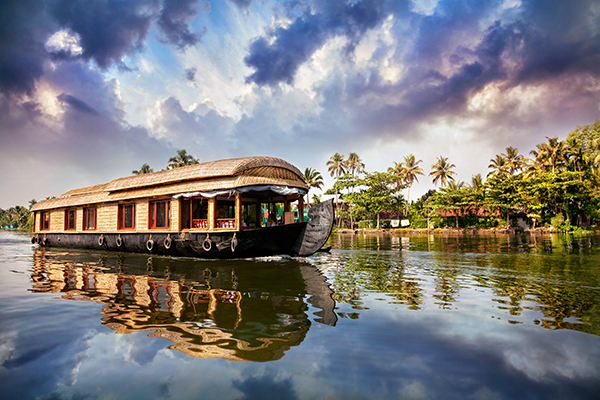
0 0 When God’s Own Country beckons, never say no. Kerala takes the crown for the exceptional natural beauty that surrounds it. The houseboats in Kerala peppered across the backwaters are unique and exciting attractions for many around the world. […]

6 Most Exuberant Places to Visit in Kerala
0 0 [table id=42 responsive=scroll/] Kerala, also historically prominent as Keralam is is one of the most beautiful states of India. It is located on the Malabar Coast of Southern India. Whenever you come across a traveller who has wandered […]
Top 6 Kerala Backwaters for a Blissful and Serene Experience
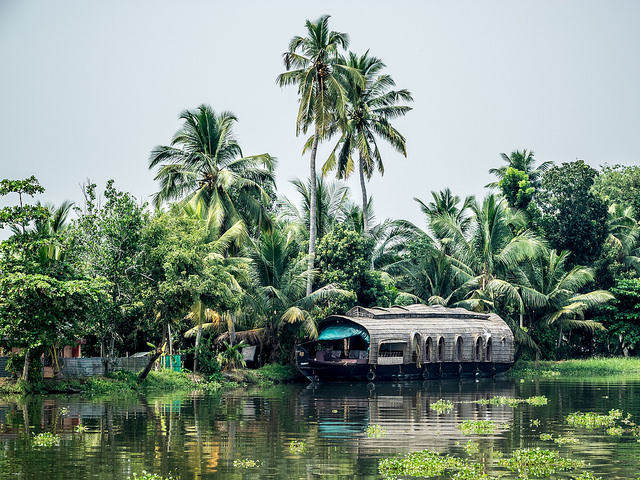
0 0 No matter how extensively you have traversed the world, nothing can quite compare to God’s Own Country, Kerala, your very own paradise on earth. A major reason why Kerala gets its charm is that it is set amidst […]
Top 10 Hill Stations In Kerala
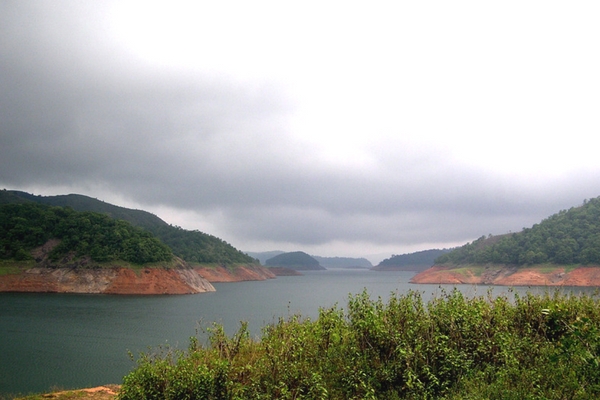
1 0 There are so many hill stations in India, some are popular for snow, others are known for the sheer greenery. With serene landscapes, tranquil backwaters, and diverse mix of culturally affluent people, you can find must visit hill […]

Everything You Need to Know About Kovalam Beach in Kerala
0 0 Image Source Because of several serene and beautiful places to visit in Kerala, the state holds a divinity among those who consider travel as a part of their lifestyle. Hiding a world within itself, this lovely state is […]
Tourist Places in Kerala: An Offbeat Trip Through God’s Own Country
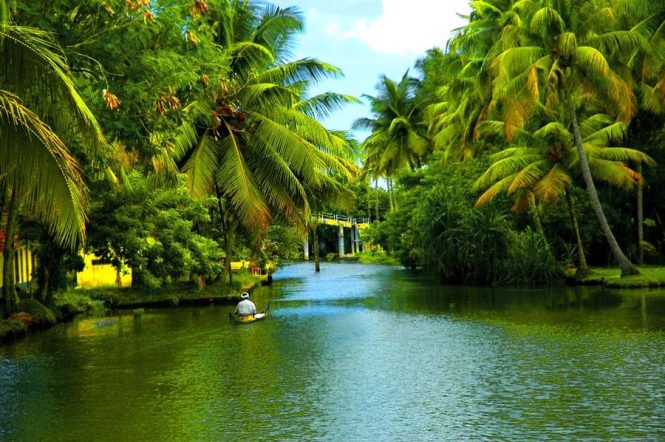
0 0 From the sparkling backwaters to the majestic elephants, and from the sweet coconuts to the yummy delicacies, Kerala has a lot to offer to capture the heart of travel enthusiast. Nature has truly bestowed all of its beauty […]
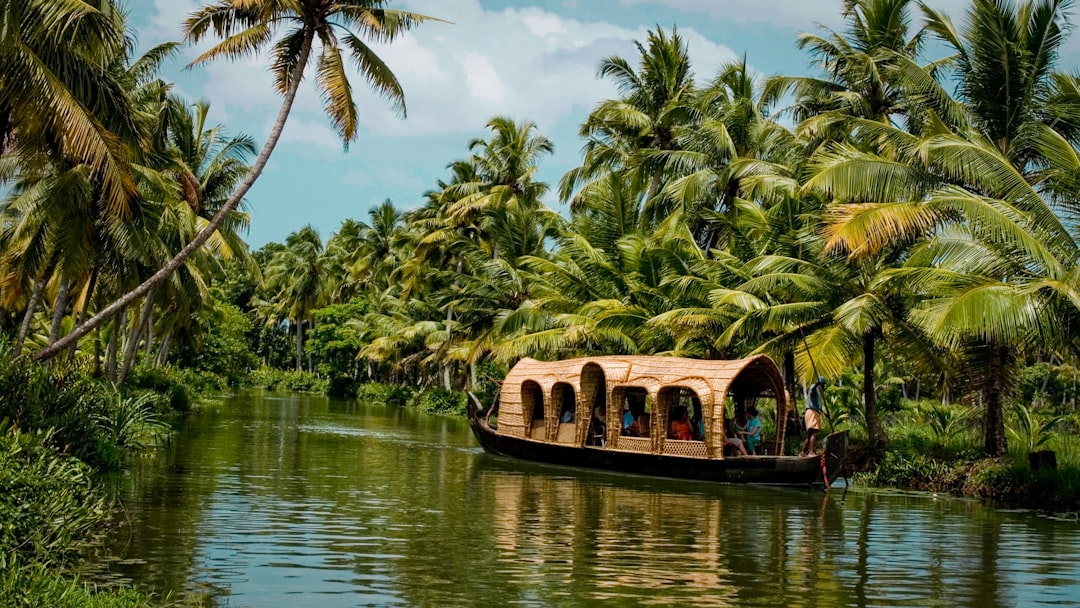
Offbeat Summer Destinations in Kerala: Beyond the Tourist Trail
0 0 Offbeat Summer Destinations in Kerala – Hidden Gems to Visit Kerala, often called God’s Own Country , stands out as a prime destination in India . Renowned for its breathtaking landscapes, the region consistently captivates visitors. The tourist […]
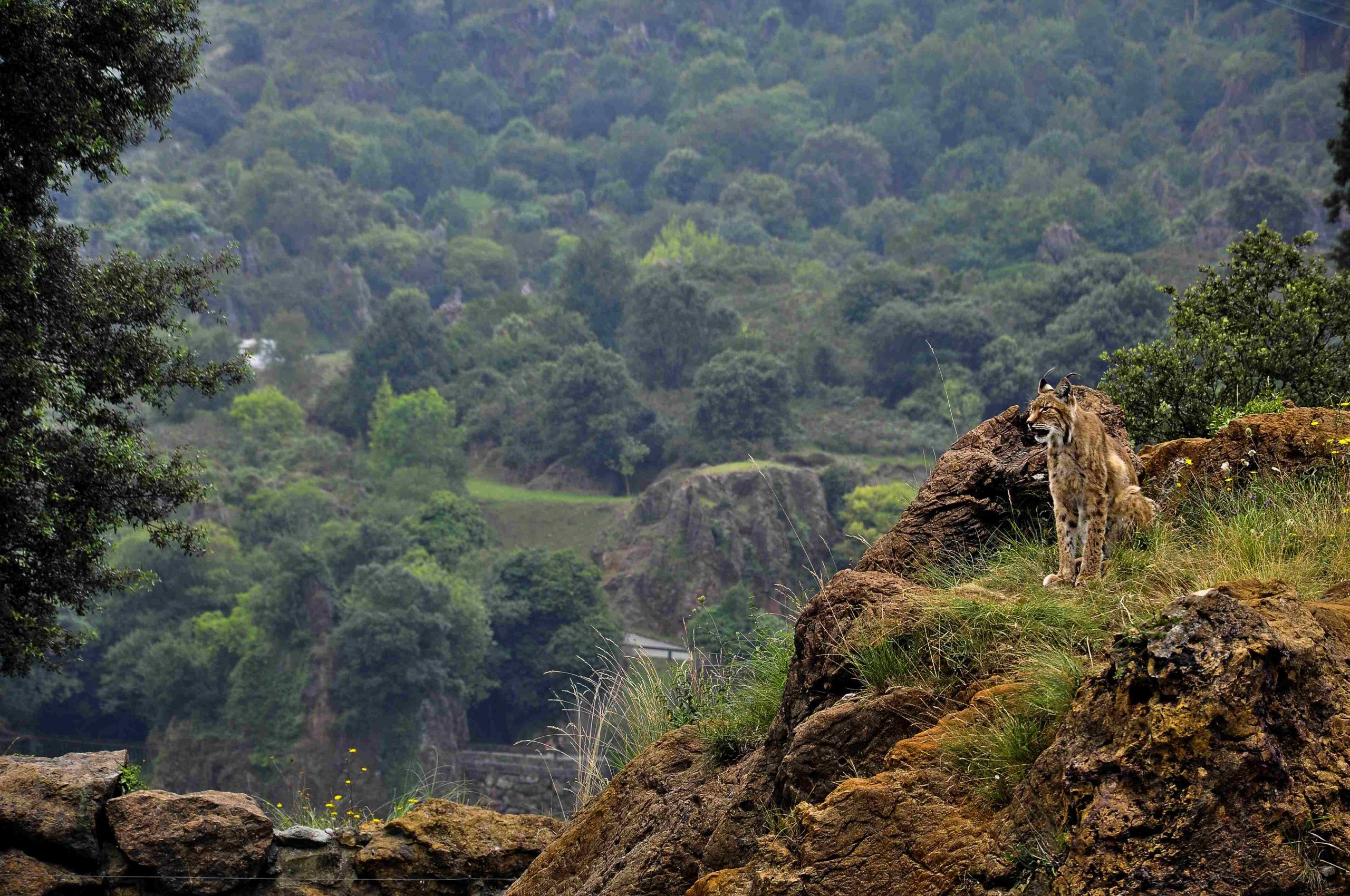
Everything You Need to Know About Silent Valley National Park In Kerala
0 0 Home to some of the rarest animals and the greenest of forests, the Silent Valley National Park in Kerala is one of the top destinations for wildlife fanatics and nature lovers in India.Silent Valley, with its beautiful views […]

How Much Cash Can You Legally Carry While Traveling Abroad?
1 1 The past couple of years have been tough for everybody. Thankfully, things are getting back to normal slowly. It was a delight when everyone got the news of the lifting of Covid restrictions in many countries. So, traveling […]

Australia Student Visa Application Guide 2026: Eligibility, Fees & Balance Requirements
0 0 So, you’ve set your sights on kangaroos, beachside barbeques, and a globally respected education system. Smart choice. Australia is one of the top destinations for international students, but before you start dreaming in Aussie slang, there’s a not-so-little […]
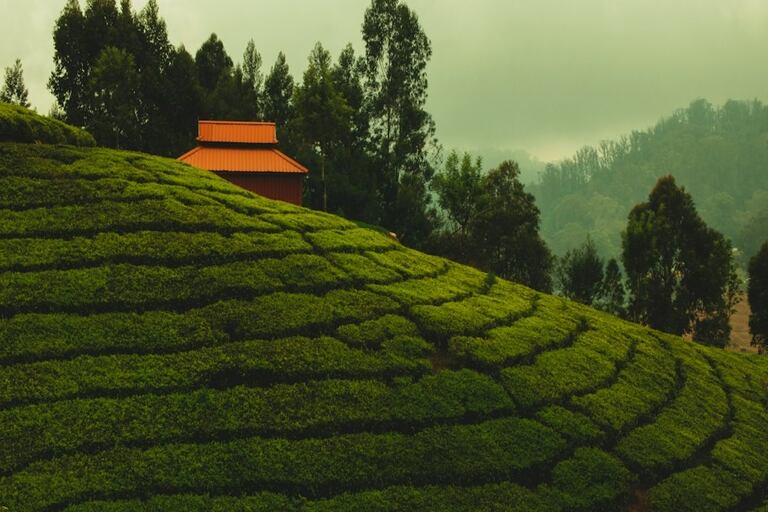
15+ Places to Visit in Ooty – The Queen Of Hill Stations
2 1 How does this sound to you: bright green soothing slopes, mystical pathways, and clouds that kiss your hair? Ooty is replete with such immense beauty and has enough activities and elements to keep every traveler happy and satisfied.One […]
Affordable Travel Tips and Planning for a Pocket-Friendly Trip To Ooty
0 1 Embarking on a journey to the hill station of Ooty need not be a financial burden. In this comprehensive guide, we’ll delve into practical and actionable tips to ensure your Ooty Trip is memorable and light on the […]
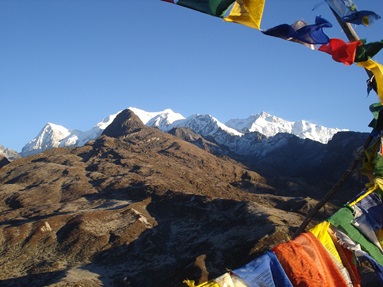
Sikkim’s Spiritual Splendour: Embarking on a Journey of Buddhist Discovery in Gangtok
0 0 Nestled amid the Himalayas, Gangtok stands as a tranquil haven for travelers seeking spiritual solace and natural beauty. With its serene monasteries, breathtaking viewpoints, and rich cultural heritage, Gangtok offers a unique blend of experiences that captivate the […]