 Call Us
 18002099100





0 0 Planning your international Dubai Packages? Here are the must see places in Dubai. Must Do Things in Dubai 1. Ride through the sunset on an at the picturesque Dubai creek, and all for just one dirham. Close your eyes […]

Table of contents
Mahashivaratri, or the “Great Night of Shiva”, is one of the most significant Hindu festivals celebrated all across India, as well as in several other parts of the world by Hindu devotees. This annual religious festival is celebrated in the month of Maagha or Phalguna according to the Hindu Lunar calendar and brings countless people together with its cultural and traditional practices, such as puja, rituals, fairs, local events, etc. If you want an elaborate explanation of the importance of Maha Shivaratri and the key rituals associated with it, go through the contents of this page.
How is Mahashivratri celebrated?
Mahashivratri is about honouring Lord Shiva and seeking his divine blessings and guidance in life. However, how exactly the Mahashivratri celebration across India takes place differs from place to place and from community to community. In general, Hindus across the country celebrate Mahashivaratri with early morning rituals at Shiva temples, which include special invocations and Abhishekams on Shiva Lingams, followed by observing a fast and participating in nightlong vigil, which includes chanting prayers, listening to religious sermons, singing devotional songs, and so on. Alongside this, various religious-themed cultural programs, such as dramas, discourses, dance and music events, etc., are organised, and the people of the local community attend them. Social gatherings, exchanging of greetings and meals and partaking in charitable actions are some other features that are evident during Mahashivaratri throughout India.
Mahashivratri Rituals

Mhadev and paravti
Mahashivratri is illustrated by age-old traditions and rituals that are widely performed and observed on this auspicious day by countless devotees even now. The festival is marked by a handful of ritualistic practices, such as;
Jaagran or Nightlong rituals
During the night of the festival, devotees gather together in an all-night vigil, called “Jaagran” or “Jaagaran” and partake in devotional activities, such as the offering of prayers, uttering of religious chants, meditation, etc. Jagran is believed to signify dedication to Lord Shiva and, in a way, is allegorical of overcoming darkness and incognisance.
Making offerings
During Mahashivratri, devotees offer sacred Bilva leaves to Shiva Lingam. This is believed to have a calming effect on the Lord’s fiery energy. Flowers (except red ones) are also offered to the Lord, which symbolises devotion as well as the destruction of negative energies. When making offerings, be sure to ask the priest what to offer. Instead of Kumkum or Sindoor, you should use sandalwood while worshipping the lord. This is because offering red vermillion is said to be equivalent to insulting the lord. Hence, it should be avoided at all costs.
Fasting
The practice of Mahashivratri fasting is a key ritual followed by many adherents during this festival. It signifies self-control and is believed to purify one’s soul, body and mind, which in turn helps them to focus their thoughts and divert their energies on spiritual purposes.
Meditation and religious chants
The chanting of the lord’s name, along with meditative practice during Mahashivratri, is said to help followers establish a strong spiritual connection with their inner selves and experience the lord’s divine aura. When you visit the key locations where Mahashivratri is celebrated, you will keep hearing people continuously chant the Panchakshara mantra, “Om Namah Shivaya”.
Maha Rudrabhishek:
This is a edic ritual followed by priests and devotees during Mahashivratri across India. It involves the ritual bathing of Shiva Lingam with milk, honey, curd ghee, etc., all while chanting religious mantras. This ritual is said to bring peace, growth, prosperity and success in one’s life.
Shiva Darshan:
During Mahashivratri, prayers are offered both at home and in temples. It is a great time to go on Lord Shiva temple visits, i.e., Shiva Darshan, seek blessings from the god, talk to priests and other devotees, witness and engage in ritualistic practices, etc. According to the Puranas, one should avoid completing a full circle around the Shiva Lingam. Instead, it should be a semi-circle (half-circumambulation) and then return to the starting point.
Types of Mahashivratri Fasting
Fasting, or “Vrat”, is a major Mahashivratri ritual observed by devotees. However, many have the misconception that it means not eating anything throughout the day of Mahashivratri, but that is not the case. There are mainly three types of Mahashivratri fasting observed by devotees during the festival. They are;
Phalahara Vrat

Faral
During Mahashivratri, devotees who partake in this type of fasting abstain from eating certain types of food, which include pulses, grains, and non-vegetarian food. Instead of these, they stay on a strict diet that includes fruits, nuts, yoghurts, milk, lassi, water, coconut water, and coffee. Just remember that these foods should not be salted. The food allowed in Phalahara Vrat is considered pure and can help facilitate spiritual growth.
Nirjala Vrat
On the other hand, Nirjala Vrat is another important but more strict version of fasting that many devotees observe during Mahashivratri. Nirjala Vrat literally means waterless fasting. In this kind of fasting, devotees abstain from not only solid but also liquid food, including water. It is observed throughout the day and night. It is very challenging, but devotees still manage to successfully observe it all while partaking in other ritualistic activities through sheer devotion and unwavering mental and physical strength.
Samapta
This type of fasting involves eating the food allowed under Phalahara Vrat, such as fruits, milk, nuts, water, etc., and a one-time meal consisting of sweets, such as sooji ka halwa, rice kheer, jaggery kheer, etc.
When observing Mahashivratri at home, make sure to place the idol or picture of Lord Shiva in the northeast direction of the house and make offerings, followed by performing aarti. Also, if you are observing a fast that allows the consumption of fruit juice, consider avoiding packaged juices. It’s because they may contain added preservatives and salt.
Importance of Mahashivratri and why it is celebrated

Mhashivratri
Must Read : Mahashivratri 2025: Date, History, and Significance Across India
Mahashivratri, or the “Great Night of Shiva”, has immense spiritual and cultural importance. Some legend suggests that this festival is said to be the night marking the auspicious union of Lord Shiva and Devi Parvati through marriage, while other suggests that it marks the night when the Lord performed Tandava Nritya, the celestial dance of creation, preservation and destruction.
There is another popular legend associated with Mahashivaratri that many may not know. According to this legend, it is believed that Mahashivaratri marks the day when Lord Shiva consumed the Halahala that was produced during Samudra Manthana. Otherwise called “Churning of the Ocean”, Samudra Manthan is elaborately explained in Vishnu Purana. This happened when the Devas and Asuras, as commanded by Lord Vishnu, began churning the ocean in search of the immortality nectar. During this event, Haalahala, a pot of toxic poison capable of wiping out all creation, came out of the ocean. The Devas approached Lord Shiva and requested him to take care of this poison. To protect the three worlds, Lord Shiva consumed the poison. As soon as he did it, Devi Parvati pressed her hand on his throat so the poison wouldn’t reach the stomach and spread to the rest of the body. The poison stayed in his throat, turning it blue, hence giving the god the epithet “Neelkantha”, meaning the “blue-throated one”. As therapy, the Devas were suggested to keep Mahadev awake through the night, which they did, and once morning came, the Lord Shiva gave his blessings to all the Devas. Hence, it is believed that the vigil associated with Mahashivratri is linked to this event.
All in all, it brings people of different backgrounds and social statuses together in performing ritualistic practices and being part of the Mahashivratri celebration. Through offerings, prayers, religious chants, fasting, etc., devotees get an opportunity to purify their mind, body and soul, align them to reach higher consciousness, connect with the divine presence of the lord and seek his blessings and guidance in life, to overcome challenges.
Conclusion:
The importance of Mahashivratri in Hinduism and India is immense. Lord Shiva represents inner strength and the ability to overcome difficulties and challenges in life. By fasting, making offerings, and taking part in other ritualistic practices, devotees get to cleanse their minds, body and soul and create a stronger bond with their inner selves and the Lord, which is said to help them overcome difficulties, eradicate negativities and reach their purpose in life.
Recommended Articles for you
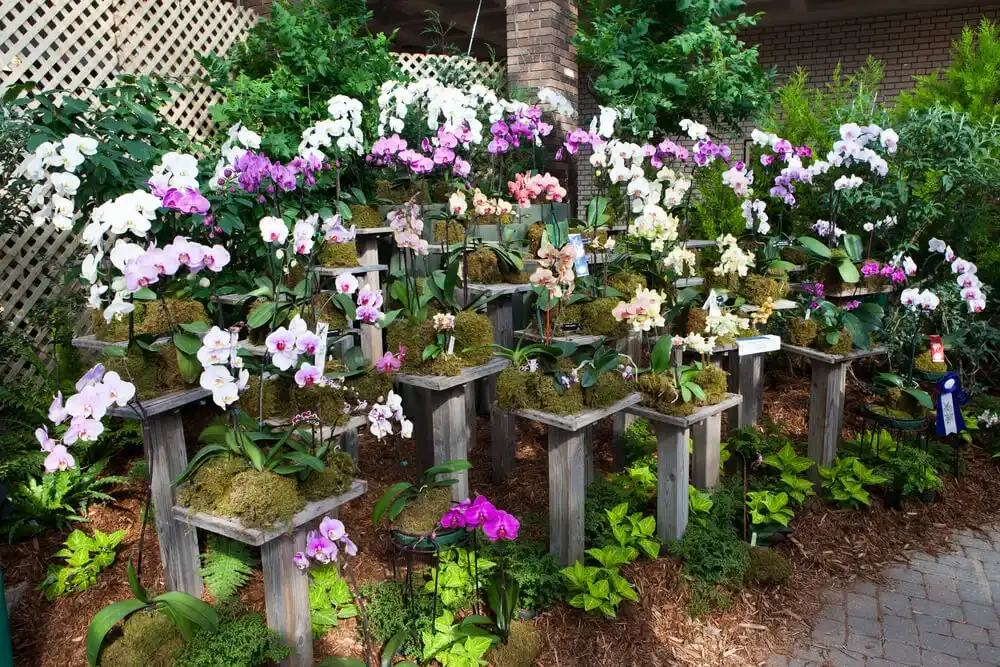
Flower Shows Around the World: A Celebration of Flowers and Fragrances
0 0 When God created the world, his most beautiful imagination led to the creation of flowers. If we take a close look at our lives we can see that the most special celebrations of our lives are adorned with […]
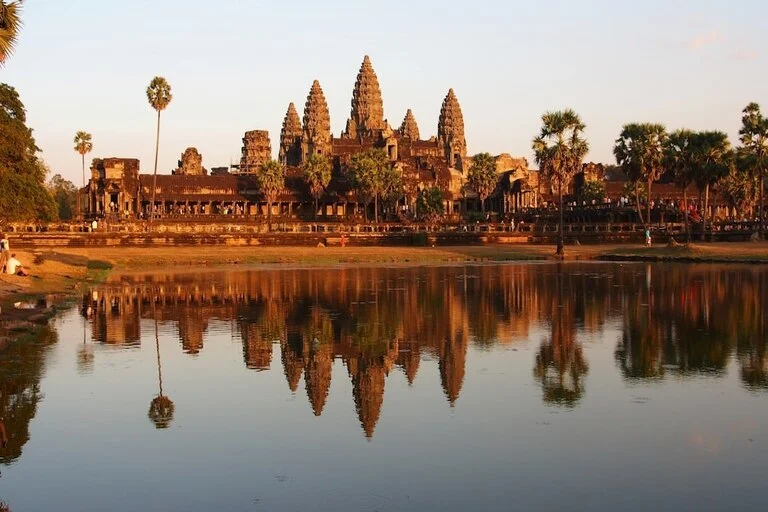
Guide to Visiting the Temples of Angkor Wat
0 0 A Guide to Temples of Angkor Wat at a Glance Angkor Wat Cambodia is one of the world’s most remarkable temple complexes. It is also the world’s most famous historical landmark. There are hundreds of ancient monuments in […]

Guide to Exploring Busan in South Korea
0 0 A Guide to Exploring Busan at a Glance Busan is known for: beaches, seafood markets, temples, colourful neighbourhoods and lively urban culture. Best places to visit in Busan: Haeundae Beach, Gamcheon Culture Village, Gwangalli Beach, Haedong Yonggungsa Temple, […]
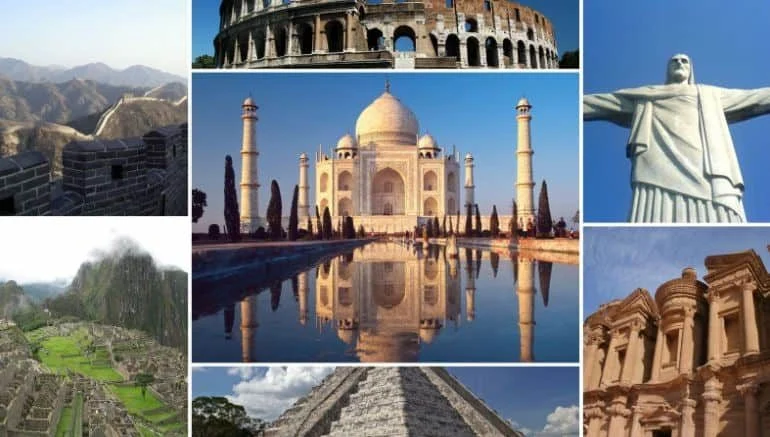
7 Wonders of the World: Amazing Facts About the World’s Greatest Wonders
5 0 Seven Wonders of the World at a Glance The seven wonders of the world are part of the history that everyone should witness at least once. Here’s some information about them: The 7 Wonders of the World: Great […]
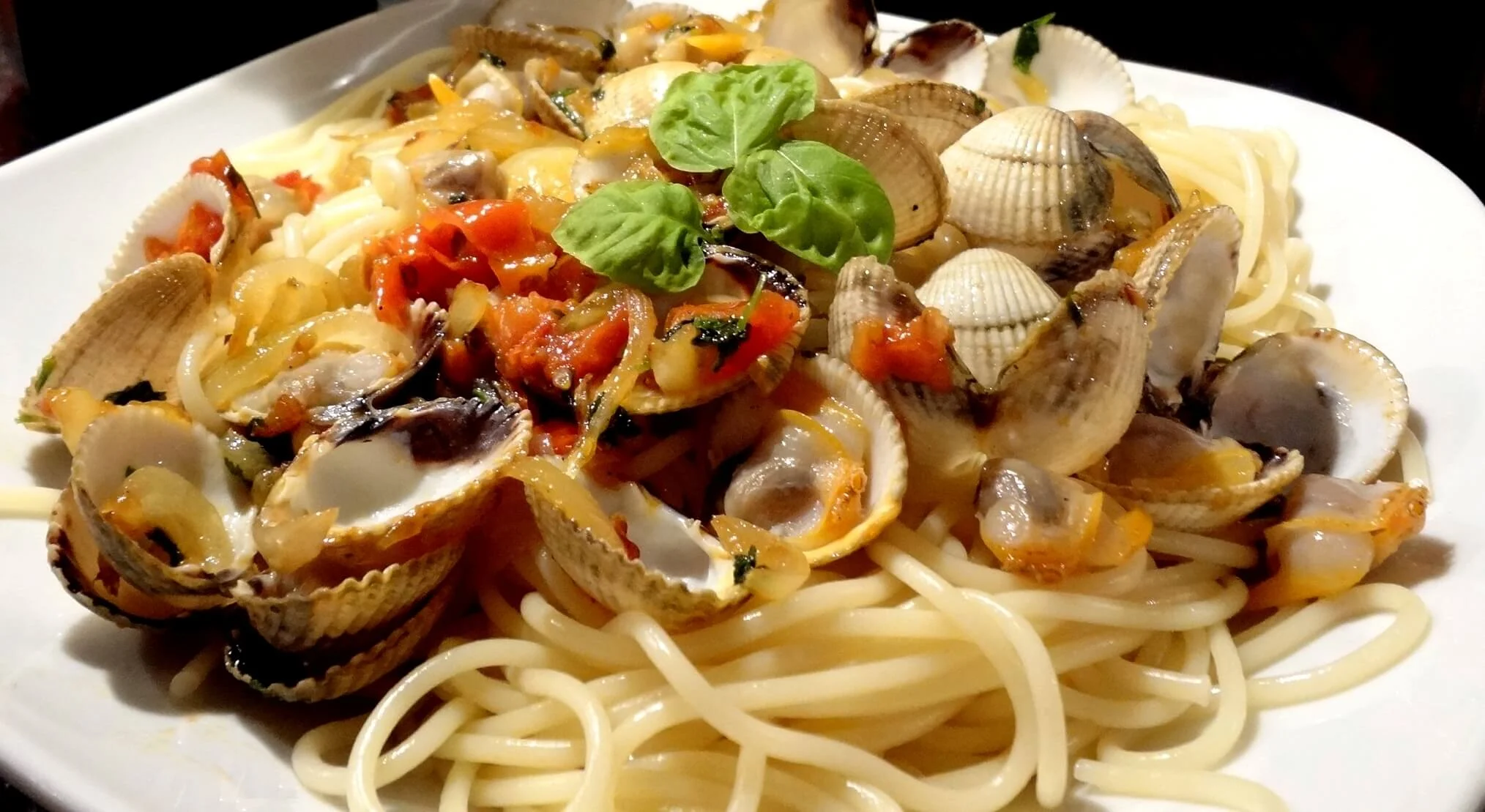
Italian Cuisine: Famous Dishes, Regional Specialities & Food Culture
0 0 From creamy northern risotto to spicy southern seafood, every area does its own food thing in Italy. It’s about simple, quality ingredients, eating together, and local rhythms. Skip tourist traps, eat what’s in season, and always save room […]

Paris Attractions: Famous Places and Experiences to Discover
0 0 When you ask a novelist to weave a tale of romance or when a painter intends to bring the most romantic backdrop to his canvas, it is the image of Paris from which they draw inspiration. Intrinsically beautiful […]

A Guide to the Best Places to Visit in Nepal
1 0 Nepal is geographically small, but it crams ancient temples, Himalayan treks, jungle safaris, and mountain lakes into one trip. Indians don’t need a visa. Hit Kathmandu for culture, Pokhara for views, Chitwan for wildlife. Trekking needs a licensed […]

Amazon Rainforest: Wildlife, Tours, Best Places to Visit & Travel Guide
0 0 The Amazon has got a bit of everything – wildlife, river trips, jungle hikes, and some real cultural stuff too. Brazil, Peru, or Ecuador are your main entry points, so pick whichever lines up with what you want […]

Busiest Airports in the World: Top Airports Around the Globe
0 0 Picture this: you’re running a little late for your flight. You leap out of the cab, collect your bags (with little or no grace) and walk into the airport, only to be hit by a wave of travellers […]

Guide to Planning an Ideal Day at Ocean Park
0 0 Ocean Park Hong Kong rolls theme-park rides, giant pandas, marine-life exhibits, scenic cable-car rides, and family-friendly stuff into one massive park. It’s split into the Waterfront and Summit, so you’ve got loads to get through in a full […]

Oktoberfest: Explore the World’s Biggest Beer Festival in Munich
0 0 If you call yourself a beer aficionado, you mustn’t miss out on Oktoberfest – the biggest beer festival in the world. Celebrated in Munich every year for 16-18 days, Oktoberfest marks the marriage ceremony of Prince Ludwig and […]
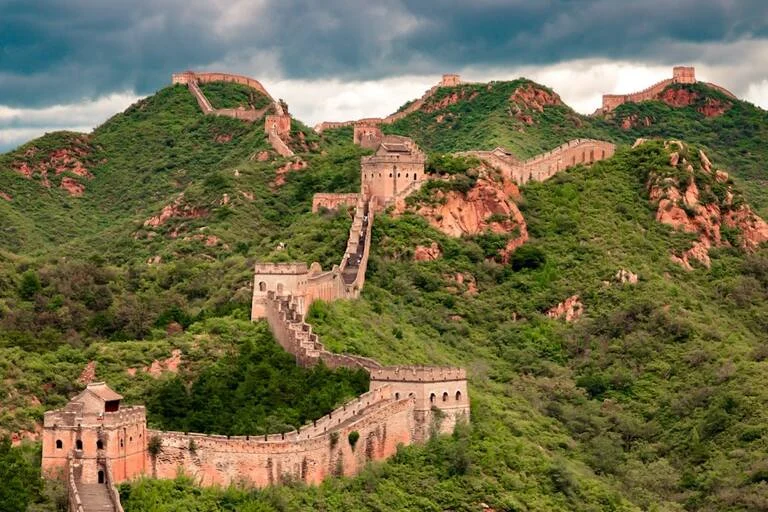
Guide to Visiting the Great Wall of China
0 1 Best sections for first-time visitors: Mutianyu for scenery and a balanced experience, Badaling for accessibility, and Jinshanling for longer, quieter walks. Best time to visit: Spring and autumn offer comfortable weather and beautiful mountain scenery. Summer can be […]

Guide to Visiting Palm Jumeirah in Dubai
0 0 The best travel memories do not begin with a checklist; rather, they begin with a moment that makes you pause and think, “I’m really here.” Imagine watching Dubai’s skyline glow gold from a beachfront café as the sun […]
The Ultimate Bali Vacation Guide: Things to Do & Offbeat Places
0 0 The Indonesian island of Bali is one of the most popular tourist destinations in the world. Both adventure lovers and holiday mongers love visiting this beautiful island to spend a few days of fun and relaxation away from […]

Finland Named the World’s Happiest Country: A Joyful Journey
0 0 Topping the world Happiness Index is something quite common for Nordic Countries today and as such, it is no wonder that the 2018 Annual Happiness Report saw Finland at the top. The country jumped from number five in […]

World Heritage Sites: Explore Iconic Places Around the World
0 0 When it comes to travelling; tourists usually like to visit beaches, hill stations and places that are renowned for monuments and wonders of the world. But how many of you have visited world heritage sites? A world heritage […]
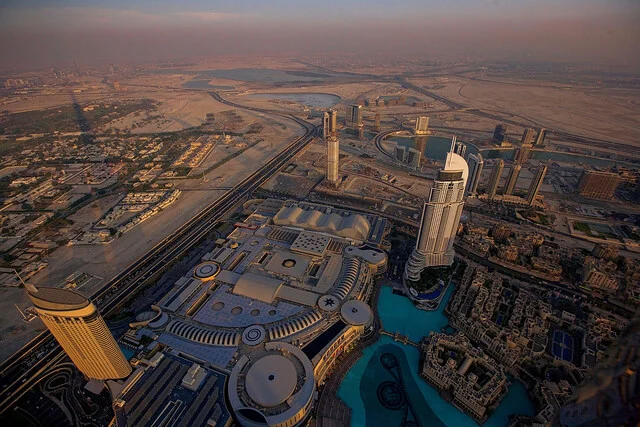
Things to Do in Dubai: The Ultimate Guide to Beaches, Desert & Shopping
0 0 The soft golden sun and clear warm beaches of Dubai offer the most glorious sights that we can ever witness. Every year thousands of travelers flock in to this part of the world from across to globe only […]
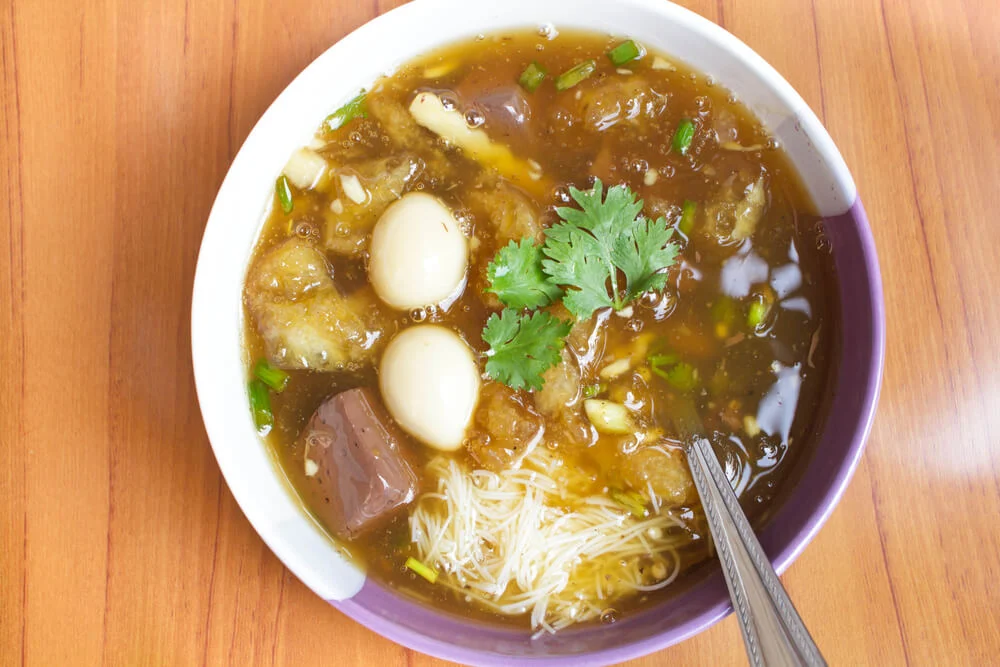
Chinese Cuisine: Traditional Food and Dishes to Explore
0 0 The touch of regality that comes along with Mesmerizing China essentially extends over its cuisine as well. Being dainty enough, Chinese Cuisine are huge favorites with people all over the world as they have transcended over geographical boundaries. […]

Australia Student Visa (Study Permit) Guide 2026: Eligibility, Fees & Requirements
0 0 The Australia Student Visa, officially the Subclass 500, lets you live in Australia for your full course at a recognised institution, with limited work rights built in. Covers everyone from a bachelor’s student in Sydney to a vocational […]