 Call Us
 18002099100


Table of contents
Have you ever noticed that the pound feels more expensive today than it did for your grandparents? While you may consider it to be inflation, it is much more than that. The GBP to INR history has seen its share of major political shifts, India’s independence, global crises, and many other turning points.
One of the most fascinating facts is the conversion of GBP to INR in 1947. In 1947, 1 GBP was around ₹13.33, whereas in 2022, it was a little over ₹100. This alone shows just how much exchange rates have changed over the years.
If you’re travelling to the UK or moving there for studies, it’s useful to understand how the GBP to INR conversion works. This article provides a thorough guide on how the pound has changed over the years.
The Pound-Rupee Connection: What You Need to Know
The British pound has a long and eventful history. It has endured economic crises, wars, and the rise and fall of empires. Today, it remains one of the most actively traded currencies in the global forex market. Accepted in South Georgia, Gibraltar, the Isle of Man and the UK mainland, the pound is available in the following denominations:
- £5
- £10
- £20
- £50
The Indian Rupee also has a significantly rich history, as it is one of the oldest currencies in the market. The symbol ₹ used to denote the Rupee was adopted in 2010. The Rupee is accepted in countries like Bhutan, Sri Lanka, Singapore, Indonesia, Nepal, and the UAE, apart from India. Managed by the Reserve Bank of India (RBI), the banknote denominations in the market include:
- ₹10
- ₹20
- ₹50
- ₹100
- ₹200
- ₹500
The Pound to INR rate history dates back to the colonial period. During British rule in India, the Rupee’s value was heavily influenced by economic and monetary policies set by the British government.
Historical exchange rates of GBP to INR have varied significantly, moving from ₹13.33 to up to ₹107. GBP has grown steadily and stood strong against INR.
GBP to INR Historical Data
Below is a detailed insight into the GBP INR rate history:
The Sterling Peg
The Sterling Peg existed from 1947 to 1949, when the pound was worth around USD 4.03. Therefore, during that time, 1 USD was around ₹3.30. The existence of the Sterling Peg played an important role in shaping the reserve policies of India.
The Sterling Devaluation
The Sterling devaluation began around September 1949 when the UK had reduced the pound by 30.5% against the USD. India also followed suit with regard to the rupee. While GBP INR historical rates remained the same at 1 GBP=₹13.33, INR to USD changed. Therefore, 1 USD eventually went from 3.30 INR to 4.76 INR.
The Circumstantial Devaluation
In 1965, India and Pakistan went to war and faced challenges and stress from the World Bank, which led to INR being devalued further. Therefore, by June 1966, INR was devalued by 36.5%, and the historical exchange rate of GBP to INR changed. As a result, 1 GBP was equal to approximately INR 21. The UK also devalued its currency further by 14% in 1967. By the late 1980s, GBP to INR was again back to 18 INR.
The Basket Peg Era
The Bretton Woods system went down in 1971, and the Rupee was further pegged to various currencies around 1975. Throughout the 1980s, there was a constant drift of INR against GBP by 18 to 30 INR. With the pound fluctuating against the dollar, the Rupee also started to weaken. Therefore, by 1990, the value of 1 GBP had reached 30 INR.
The Market-Determined Rates
It was during the early 1990s that the rates determined by the market began. By March 1993, India moved gradually towards an exchange rate determined by the market. Therefore, rupees started to freely trade against all major currencies. By the end of 1995, 1 GBP was valued at 50 INR and further increased to 68 INR by the 2000s.
The Steady Drift
A steady drift in GBP INR history rate was seen around the 2000s. Prior to the global financial crisis around 2007, 1 GBP had reached 82 INR. As the global crisis hit, it pulled down the pound significantly. As a result, historical exchange rates GBP to INR came to around INR 70.
Brexit and Beyond
A steady climb was noticed from 2011 to 2016, with the rates fluctuating between INR 90 and INR 100. In 2016, the UK decided to exit the European Union, and the market was hit by uncertainty. The pound collapsed significantly, and the price moved from 98-100 INR levels to 83 INR.
There was also an impact on GBP to INR history around the COVID-19 pandemic. Because of this, both economies suffered significantly, and the RBI had to intervene to stabilise the INR. However, by the end of 2020, 1 GBP climbed to an average of ₹ 95.
A New Normal
The period from 2021 to 2026 is considered to be a new normal in today’s time. In the early 2020s, the GBP to INR rate suffered significantly because of India’s growing strong economy. However, by 2021, the rate had reached 101 INR.
The currency suffered a lot of instability in 2022 because of the Russia-Ukraine War. The rate fell to around the mid-90s. As funds flowed out of the Indian economy around 2023, the GBP to INR rate rose to ₹102.73. It reached around ₹104 in 2024 and climbed further to ₹107.38 in 2025.
What Affects the British Pound to Indian Rupees Exchange Rate History?
Various factors have been driving the British pound to Indian rupee exchange rate history, such as the following:
The Monetary Policy
The Bank of England has a strict monetary policy where its decisions move the pound against major currencies. This movement eventually has a direct impact on GBP-INR.
Capital Flows
The capital outflows, especially with regard to the foreign investment portfolio in and out of the Indian markets, affect the demand for rupees. 2025 and early 2026 witnessed significant heavy outflows, which eventually contributed to the recent weakness in the rupee.
Indian Inflation and Trade Deficit
Persistent inflation differentials and a wide trade deficit have been a steady drag for over two decades now.
What Factors Affect GBP to INR Exchange Rates?
Several factors over the years have affected the historical GBP to INR exchange rates. Some of the key ones are as follows:
Inflation Rates:
Countries that have a low inflation rate eventually observe their currencies appreciating over time. If the inflation in India is significantly higher than that of the UK, the Rupee will eventually weaken against the pound.
Political and Economic Stability:
Various political events like fiscal policies, government regulations, and elections can affect forex rates, while also impacting investor sentiment.
Trade Balance:
If a particular country imports more than what it exports, the currency is likely to depreciate. Therefore, the exchange rate will be significantly affected by bilateral agreements, UK-India trade relations, and oil prices.
Interest Rate Differentials:
Central banks such as the Reserve Bank of India and the Bank of England set the benchmark interest rates. If the UK’s interest rates rise while that of INR stays stable or decreases, GBP will strengthen. This will eventually lead to an improvement in the remittance value.
Market Speculation and Global Events:
Global events like pandemics, geopolitical tensions, and economic slowdowns also affect the forex markets. This kind of volatility can create a shift in the exchange rates only for a short time.
How Do Exchange Rates and History Affect You?
Whether you’re moving to the UK for studies or travel, knowing the exchange rates is extremely important. Every pound that you spend is a significant amount of INR that you’ll be spending. Therefore, you must use a card that’s helpful.
Using Thomas Cook’s card can help you manage your transactions seamlessly. The One Currency Card or Zero Forex Markup Card offers the benefit of easy international spending. It offers the benefit of locked-in rates, leading to zero currency fluctuations.
The Study Buddy Card is, however, an ideal choice for students travelling to the UK for studies. This card is designed to support students who are travelling abroad for international studies. The Study Buddy Card by Thomas Cook has a key feature: the Free International Student Identity Card.
With the exchange rates and cards, you can get a real-time view of how much you’re spending. The real-time visibility enables you to plan your finances better.
How to Get Better GBP to INR Rates?
Before you buy forex, you should know how to get the best GBP to INR rates. This enables you to get the most while also planning your finances better.
Below are some of the key ways to get better GBP to INR rates:
Be Mindful About Exchange Rates
It is extremely crucial to be mindful of the GBP to INR exchange rates. If there’s no urgency, it is advisable to wait for a while, compare, and then send. One small change in GBP can also bring you better value.
You can keep an eye on the exchange rates through the Thomas Cook app. Just set up the rate alert feature and you’ll be notified about changes in exchange rates. Tracking the exchange rates live through Thomas Cook enables you to get the best rates possible.
Follow a Transparent Pricing Structure
When you’re sending money from India to the UK, it is extremely important to have a transparent pricing structure in place. Therefore, you must work with a provider that provides clarity on what exchange rate they’re considering, the estimated delivery date, the transfer fee, and the final amount you will get.
A vendor that provides you transparency in regards to pound to INR exchange rate history can help to avoid unwanted surprises. You’ll know how much you’re paying and what you’re paying for.
Compare the Final INR Amount
One of the key ways to get better GBP to INR rates is to always compare the final amount. Many individuals compare exchange rates, but you must also compare the final INR amount.
Sometimes, the exchange rate will be slightly weaker, and you may not receive the expected amount. While focusing on the exchange rates is crucial, you must also focus on the ultimate exchange amount.
Lock in the Exchange Rates
When you turn on the rate alert feature on the Thomas Cook app, you will constantly be informed about the live rates. However, these may not stay constant, and you may miss out on the deal.
To prevent this from happening, you must lock in the exchange rates. Thomas Cook allows users to lock in the exchange rates at those particular rates by paying a small amount. Therefore, these locked-in rates won’t be affected by market fluctuations.
Latest Offers on Thomas Cook
Thomas Cook has great offers and benefits on the GBP to INR exchange rates. Keep an eye on the live rates on the platform to lock in the best rate for transactions. Offers are subject to change based on validity.
[See Latest Offers]
FAQs
How much was 1 GBP worth in Rupees in 1947?
In 1947, 1 GBP was worth around ₹13.33. You should know the GBP to INR history to understand why GBP is so strong against the Indian rupee today.
Why is GBP stronger against INR?
GBP to INR in 1947 was strong and continues to be so even today. Some of the key reasons why GBP is stronger against INR include structural pressure on the rupee, persistent UK interest rates and safe-haven capital flows.
Is GBP expected to fall against INR?
Yes, it is predicted that GBP will fall against INR in the coming months. However, it will be a gradual fall in the coming months and not a sudden fall.
What is the lowest GBP to INR history?
The lowest was for 1 GBP to INR in 1947, when the pound was valued at ₹13.33 in modern history. This was the official pegged rate when India gained independence.
How much is ₹1 in 1947 worth today?
Depending on the purchasing power, ₹1 from 1947 is worth somewhere between ₹1,100 and ₹1,400 today. Economists continuously set benchmarks to determine what a single rupee could help Indians buy when the country gained independence.
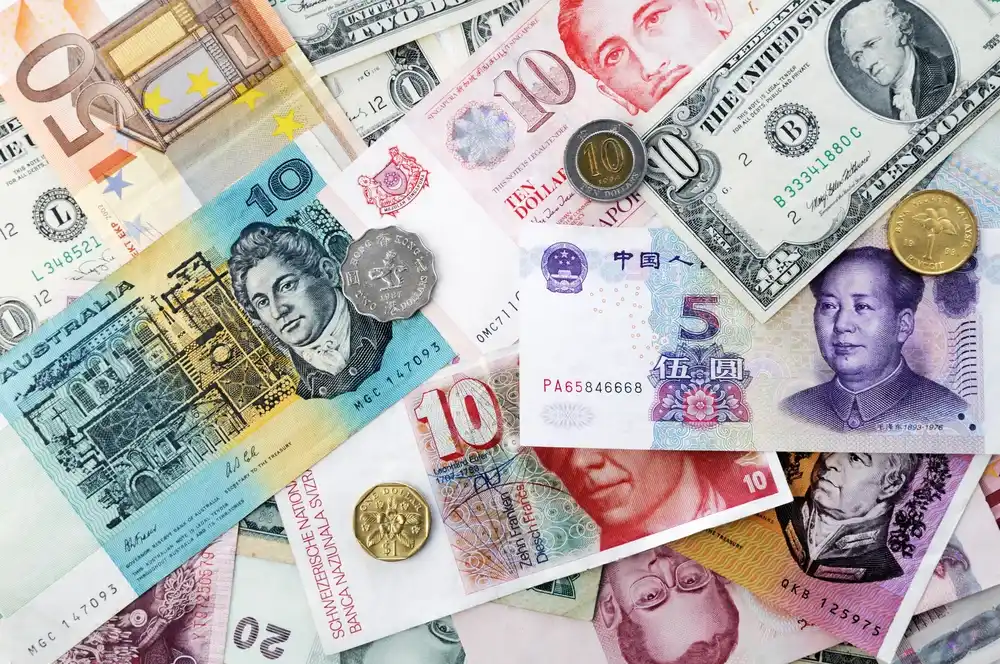
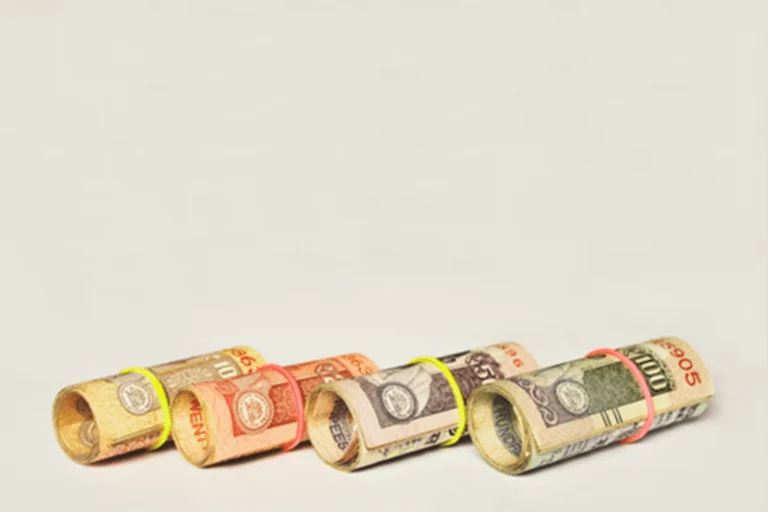
Table of contents
Our Forex Offerings
Recommended Articles for you

Meghalaya Itinerary: How Many Days Do You Actually Need?
0 0 A Meghalaya tour itinerary should be around 5-7 days to cover major destinations such as Mawlynnong, Dawki, Shillong and Cherrapunji. For a shorter itinerary, you can explore only Shillong and Sohra. How many days you need to experience […]
Ram Setu (Adam’s Bridge): Myth, Science and the View from Dhanushkodi
0 0 What Should You Know About Ram Setu? Location: Ram Setu is located between Pamban Island in Tamil Nadu and Mannar Island in Sri Lanka. Other name: Adam’s Bridge. Religious significance: The bridge is associated with Lord Rama’s journey […]
Best Places to Celebrate Christmas in India
0 0 Goa is the most popular place to celebrate Christmas in India, known for midnight mass at the Basilica of Bom Jesus, beach parties, and festive lights. Other top picks include Shillong and Pondicherry for a quieter, cultural Christmas, […]
Best Long Weekend Getaways in India: Your Nov-Dec 2026 Calendar
0 0 Popular weekend getaways from Delhi include Neemrana, Mathura-Vrindavan, Rishikesh, Jaipur and Agra, each within 2-7 hours by road. From Mumbai and Pune, Lonavala, Mahabaleshwar and Goa are common short-break choices, while Mysore and Coorg are frequent weekend picks […]
What Is Dynamic Currency Conversion and How Can It Affect Your Forex Transactions
0 0 DCC allows overseas shops to bill your card in rupees. The company handling the payment decides the conversion rate, which often adds 3% to 7% to your bill. Choosing the country’s own currency is usually the cheaper option. […]
What Is Remittance? Meaning, Types, and How It Works
0 0 Remittance means sending money from one person or business to another, often to a different country. The sender is the remitter, the receiver is the beneficiary, and the money moves through a bank, a money transfer provider or […]
What Is Outward Remittance? Purpose Codes, Process & Charges Explained
0 0 Outward remittance is the process of transferring money from a bank account in India to an account abroad by a resident of India. Each transfer needs a specific RBI purpose code for outward remittance, such as S0305 for […]

Countries Where Indians Get Visa On Arrival
0 0 Indian passport holders have found international travel more accessible as many destinations have simplified entry procedures. Depending on the country, travellers may be able to enter without a visa, with a visa on arrival or with an e-visa. […]

Destinations You Did Not Know Existed: The World’s Best-Kept Secrets
0 0 Some places you have to see to believe, and some you have to hear about first. Beyond the bucket-list capitals and the postcards everyone owns lies a whole category of travel that does not make the front of […]
Hong Kong Visa for Indians: The Complete 2026 Guide
0 0 Hong Kong has a way of pulling Indian travellers in. Maybe it is the skyline glowing over Victoria Harbour at night, the dim sum trolleys rattling through noisy teahouses, or the sheer energy of a city that never […]

Discover Sri Lanka Tourist Attractions: Temples, Beaches & Beyond
1 0 Sri Lanka, the younger cousin of good old India, is an absolute beauty. A country that has so much to offer, and is worthy of featuring in your ‘places to visit’ list. It is known as the ‘Pearl […]

Explore Easter Island: Meet the Mysterious Moai Statues of Rapa Nui
0 0 Easter Island in South America, also known as Rapa Nui, is a popular destination in the Pacific Ocean that has attracted tourists worldwide. Renowned for its enigmatic moai statues, stunning landscapes, and rich Polynesian culture, Easter Island in […]

Wanderlust Calling: Bucket List Experiences to Chase Before You Settle Down
0 0 It’s 4:47 a.m., and the world is still asleep. Imagine that you are standing on a mountain ridge, breathing in the cold air, a warm cup of tea in your hands, and the first golden light spilling over […]

How to Enjoy a Comfortable Hotel Stay: A Complete Guide for Smart Travellers
0 0 A hotel room is rarely just a place to sleep. For a business traveller arriving after a long flight, it is a place to recover. For a family on holiday, it is a base between adventures. For a […]

The Best Beaches In The World
0 0 There is a particular moment, right after you step off a long journey and onto warm sand, when everything else falls away. The sound of the sea does something to people that no other landscape quite manages. It […]

The Most Popular Tourist Attractions in France
0 0 The Best Tourist Attractions in France: Beyond the Postcards France has a quiet confidence about it. No other country manages to be so many things at once: a living museum of European history, a masterclass in art and […]

Discover the Best Honeymoon Destinations for Your Dream Escape
0 0 Your honeymoon is not just another trip. It’s a special time for you and your partner to connect on an emotional level. It requires careful amount of planning so that you and your better half can bring back […]
Maldives Beaches: Your Complete Guide to the Islands’ Finest Shores
0 0 Some places you visit. The Maldives, you feel. Scattered across the Indian Ocean as a handful of pearls dropped from a great height, this island nation has spent decades at the very top of every beach lover’s wish […]

Experience the Songkran Festival in Thailand: Get Soaked in Joy
0 0 The Songkran Festival in Thailand is an annual festival that takes place during Thai New Year, the festival is observed for three days (i.e.)April 13th-15th. Although Songkran is a three-day festival, it is celebrated for the whole week. […]

Exploring South Korea: Jeju Island
0 0 Lush green flora for as far as you can look, emerald clear waters meeting cloudy blue skies, the sound of distant waterfalls and chirping birds and the smell of marshy Earth; Jeju Island, South Korea’s largest island that […]