 Call Us
 18002099100

0 0 There is a particular kind of silence that falls over you the first time the sky turns green above your head. It is not something a screen can prepare you for. That unforgettable moment is what makes Northern […]
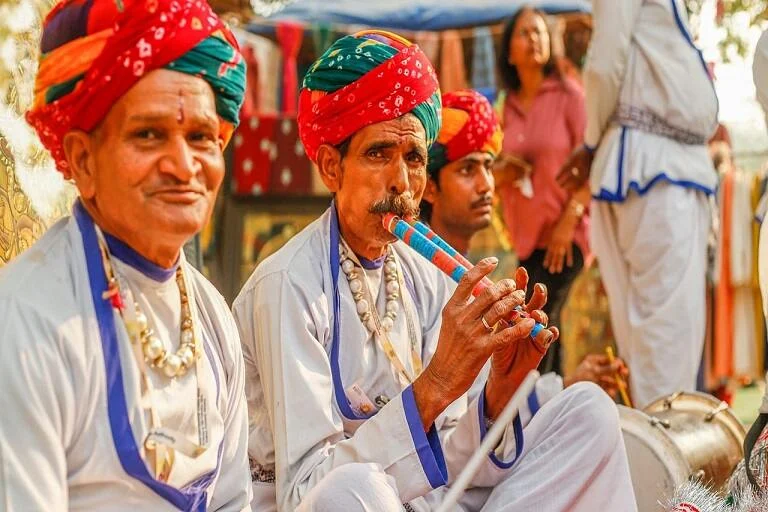
Table of contents
Introduction to Rajasthan’s Rich Art and Culture

Rajasthan, the largest state in India, lies at the crossroads of desert and mountains. Its landscape is
dotted with imposing forts, ornate palaces, and bustling bazaars, all reflecting a centuries-old royal
heritage. More than a backdrop, this environment has nurtured an enduring creative spirit—from
the decorative frescoes of Amber Fort to the folk melodies echoing in desert camps—making the
region’s art and culture a living tradition rather than a static relic.
Why Rajasthan’s Art and Culture Are So Unique
In Rajasthan, every aspect of daily life is infused with artistic expression. Men drape vibrant
turbans that signify community and status, while women wear mirror-studded lehengas that catch
the desert sun. Village homes are painted with geometric patterns and mythological scenes, and
local festivals—from the Pushkar Camel Fair to the Teej processions—become vivid displays of
music, dance, and craftsmanship. These living customs ensure that art and culture remain woven
into the social fabric.
The Role of Art and Culture in Rajasthan’s History

Rajasthan’s princely states served as crucial patrons of the arts. Maharajas commissioned
miniature painters in Udaipur and Jodhpur, while court musicians perfected ragas that are still
performed today. Siege-scarred forts like Chittorgarh bear mural art that commemorates heroic
legends. Even utilitarian objects—such as enamel-inlaid daggers from Jaipur or blue pottery from
Jodhpur—reflect centuries of royal sponsorship. Through invasions, alliances, and reforms, these
artistic lineages have been preserved, adapted, and celebrated across the world.
The Vibrant Colors and Patterns of Rajasthani Art
Traditional Rajasthani Paintings (Mewar, Shekhawati, and Pichwai)
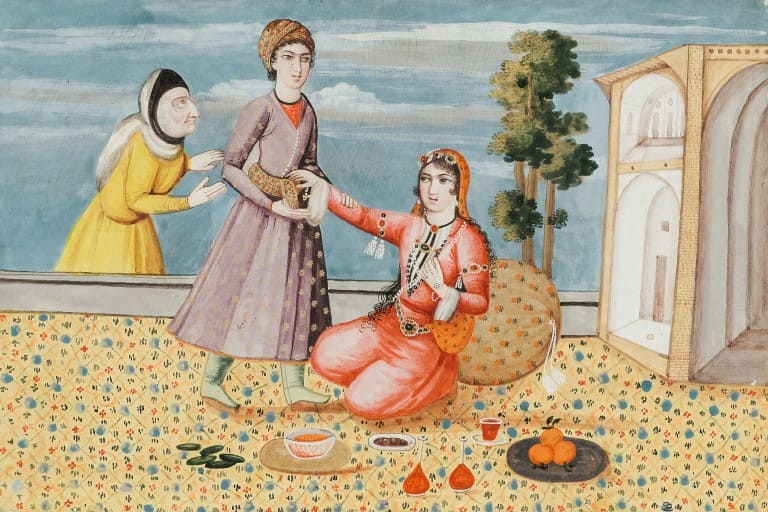
Traditional Rajasthani paintings are known for their exquisite detail, vibrant colors, and
storytelling nature. The Mewar school is one of the oldest, showcasing themes from Hindu
mythology and court life. Shekhawati murals, painted on havelis, depict historical events, daily
life, and religious stories using bold lines and rich palettes. Pichwai paintings, typically created in
Nathdwara, are devotional artworks that portray scenes from the life of Lord Krishna, often on
fabric or cloth. These painting styles reflect the spiritual, aesthetic, and historical richness of the
region.
These paintings also served a functional purpose. For example, Pichwai works were used to
decorate temples and influence devotional moods, while frescoes in Shekhawati homes depicted
the wealth and social status of the owner. Paintings were not just decor—they were integral to
storytelling and religious life.
The Influence of Royal Courts and Palaces on Local Art

Rajasthan’s palaces were artistic hubs where styles were refined and preserved. From hand-painted
ceilings to grand courtyards filled with Rajasthani artwork, the influence of royal culture is
unmistakable. In cities like Udaipur and Jaipur, miniature paintings were created under royal
commissions to record events, spiritual beliefs, and daily routines. These paintings still influence
today’s art forms and remain an integral part of art and craft in Rajasthan.
Court painters often combined local styles with Persian and Mughal influences, creating hybrids
that gave rise to distinct schools such as the Marwar, Hadoti, and Dhundhar schools of painting.
The diversity among these schools highlights the fusion of regional aesthetics with outside
influence, showcasing the cultural openness of Rajasthan’s courts.
Where to Experience Rajasthan’s Art (Museums, Galleries, and Markets)
Travelers can explore Rajasthan’s art through a range of immersive experiences:
- The City Palace Museum in Udaipur for royal miniatures and weaponry.
- Albert Hall Museum in Jaipur for ancient artifacts and textile displays.
- Local bazaars like Bapu Bazaar, Hathi Pol, and Sadar Bazaar to buy handmade Rajasthani
handicrafts and traditional Rajasthani art. - Shilpgram near Udaipur for live demonstrations by rural artisans.
- Jawahar Kala Kendra, Jaipur for exhibitions, performances, and artist residencies.
- Forts like Mehrangarh and Junagarh also showcase murals and decorative elements unique
to specific dynasties.
The Richness of Rajasthani Handicrafts
Block Printing and Textile Craftsmanship
Textile art is one of the most globally recognised elements of Rajasthani handicrafts. Sanganeri
and Bagru block printing techniques use natural dyes and wooden stamps to produce stunning
patterns on cotton and silk. Bandhani, the traditional tie-and-dye art, creates colorful dotted
patterns often seen in turbans, sarees, and dupattas. Leheriya, with its flowing stripes, is another
dyeing technique used primarily during festivals. These crafts sustain thousands of artisans and
are exported worldwide.
Rajasthan’s textile hubs like Barmer and Jodhpur produce intricate embroidery work such as
mirror work, applique, and zari. Each style reflects the identity and traditions of a community. For
instance, Barmer prints feature geometric patterns influenced by Sindh, while Jaipur’s motifs tend
to be floral and Mughal in origin.
Pottery, Jewelry, and Metal Work
Pottery from regions like Alwar and Pokhran features geometric motifs and natural forms. Jaipur’s
blue pottery is distinctive for its non-clay composition and turquoise-blue glaze. Rajasthan is also
a treasure trove for jewelry lovers—offering Kundan, Meenakari, Thewa, and tribal silver
ornaments. Metalware such as engraved brass utensils, locks, and oil lamps add to the grandeur of
Rajasthani homes. These items not only showcase craftsmanship but also embody the soul of
traditional Rajasthani art.
Terracotta figures, utility items, and decorative ware are commonly made in villages and sold
during fairs and melas. Local smiths use ancient casting techniques such as Dhokra (lost-wax
method) to produce intricate items. Jewelry-making has also evolved, with semi-precious stones
and fusion designs now appealing to urban and global tastes.
The Legacy of Rajasthani Craftsmanship in Modern Times
Modern boutiques and designers regularly collaborate with local artisans, ensuring that Rajasthani
handicrafts continue to evolve without losing their identity. Craft fairs like the Surajkund Mela
and Rajasthan Handloom Festival serve as platforms where ancient meets contemporary. Rural
tourism programs also introduce travelers to workshops where they can learn and even participate
in crafting block-printed fabrics or hand-thrown pottery.
The government’s support through GI tagging, training programs, and e-commerce portals has
also opened global avenues. Artisans now ship worldwide through platforms like Amazon Karigar
and Gaatha, taking traditional Rajasthani art to living rooms across the globe.
The Influence of Music and Dance in Rajasthan’s Culture
Classical Music of Rajasthan: Dhrupad and Gharana Styles
Rajasthan’s classical music traditions are deeply spiritual and rooted in ancient practices. Dhrupad,
one of the oldest forms of Hindustani classical music, is performed with a solemn dignity and
spiritual depth that resonates through temples and palaces. The Jaipur-Atrauli Gharana has
significantly contributed to this genre, preserving rare ragas and vocal techniques that are distinct
to Rajasthan.
Rajasthani folk music is equally rich, with every community contributing its unique voice. The
Langas and Manganiyars, two hereditary musician communities, are guardians of oral traditions
and ballads that recount legends of valor, devotion, and romance.
Traditional Dance Forms: Ghoomar, Kalbeliya, and More
Dance is an essential expression of identity in Rajasthan. Ghoomar, a graceful dance performed
by women in swirling ghagras (skirts), is a symbol of femininity and celebration. Kalbeliya,
performed by the snake-charmer community, is marked by fluid, serpentine movements that mimic
the slithering of snakes.
Bhavai is a dramatic balancing act where women dance atop brass pitchers, glassware, or sword
edges. Terah Taali involves rhythmic cymbals tied to the body, played in coordination with music.
Each form has a story, purpose, and spiritual or celebratory origin.
Where to Experience Live Music and Dance Performances in Rajasthan
Rajasthan offers numerous venues for witnessing its vibrant performing arts:
- Bagore Ki Haveli, Udaipur: Known for its nightly cultural performances.
- Chokhi Dhani, Jaipur: A themed village resort with dance, puppet shows, and traditional
Rajasthani meals. - Jaisalmer Desert Festival: Held in February, this festival includes folk performances,
camel parades, and fire dancing. - Kumbhalgarh and Mewar Festivals: Blend classical and folk music in historic settings.
- Haat bazaars and local melas across villages showcase impromptu performances.
Festivals and Celebrations: A Window to Rajasthan’s Culture
Pushkar Camel Fair: A Blend of Culture and Commerce
The Pushkar Camel Fair is one of the most iconic festivals in Rajasthan, drawing thousands of
traders, tourists, and spiritual seekers. While originally centered on camel trading, the fair has
evolved into a cultural extravaganza.
Events like camel races, mustache competitions, acrobatic displays, and folk music contests
provide an engaging experience. Artisans and craftsmen from across Rajasthan set up stalls,
offering textiles, puppets, jewelry, and paintings. The fair is also a major pilgrimage event during
Kartik Purnima, when devotees bathe in Pushkar Lake.
Diwali, Teej, and Other Important Festivals in Rajasthan
Rajasthan lights up during Diwali, not just with lamps and fireworks but with rituals that honor
wealth, knowledge, and family. Homes are decorated with rangoli and traditional Rajasthani art
painting. The markets buzz with festive sales of Bandhani sarees, sweets, and handicrafts.
Teej and Gangaur are women-centric festivals involving processions, decorated idols, and vibrant
outfits. Holi, celebrated with music and colors, is especially exuberant in places like Barsana and
Jaipur. Urs at Ajmer Sharif draws people of all faiths, showcasing Rajasthan’s spiritual inclusivity.
The Role of Festivals in Preserving Rajasthani Traditions
Festivals act as living museums of Rajasthani culture. They are moments when communities come
together to practice traditional music, dance, crafts, and cooking. Children learn through
observation and participation, keeping the customs alive.
Artisans unveil their latest work during fairs. Dancers and musicians hone their craft in anticipation
of performances. Storytellers narrate local legends. The festivals thus act as a crucial cycle of
cultural transmission.
Why Rajasthan’s Art and Culture Should Be on Your Bucket List
Cultural Immersion in Rajasthan’s Forts and Palaces
There’s no better way to understand Rajasthan’s legacy than by staying in a restored haveli or
palace hotel. These heritage accommodations feature hand-painted walls, carved balconies, and
antique decor—offering not just luxury but storytelling.
Guests can enjoy live music over dinner, partake in folk dance workshops, or take guided heritage
walks that reveal centuries of artistic evolution. Forts like Chittorgarh and Jodhpur come alive
through sound and light shows narrating royal sagas.
Rajasthan as a Living Heritage: How to Experience Local Culture Firsthand
Responsible tourism allows visitors to participate in cultural preservation. You can:
- Learn tie-dye at a Bandhani workshop in Jaipur
- Make terracotta at a potter’s wheel in Alwar
- Join a puppet-making session in Nagaur
- Cook Rajasthani cuisine with locals in Shekhawati
- Take a camel safari to tribal villages around Jaisalmer
These immersive experiences bridge the gap between tourism and tradition, providing both
education and enrichment.
How Rajasthani Art and Culture Will Enhance Your Travel Experience
Every interaction in Rajasthan—whether with a storyteller in a market, a weaver in a village, or a
singer under the stars—adds depth to your journey. The state’s culture elevates even a simple
sightseeing tour into a sensory celebration. Whether you’re an art lover, historian, photographer,
or spiritual seeker, Rajasthan’s cultural offerings are bound to inspire.
Its handmade richness, oral histories, vibrant celebrations, and community spirit make it an
unforgettable destination.
FAQs About Rajasthan’s Art and Culture
What are the best places to explore Rajasthani art and culture?
Some of the top destinations include:
- Udaipur: Known for miniature painting and performing arts
- Jaipur: A hub for jewelry, blue pottery, and block printing
- Jaisalmer: Famous for folk music and stone carving
- Jodhpur: Renowned for bandhej textiles and Marwari folk traditions
- Bikaner and Barmer: Excellent for woodwork and embroidery
How can I buy authentic Rajasthani handicrafts?
Visit government-run emporiums like Rajasthali, attend state-organised fairs such as Shilpgram
and Surajkund Mela, or buy directly from artisans via verified e-commerce platforms.
Are there workshops to learn Rajasthani arts and crafts?
Yes, several NGOs and cultural organisations offer short courses in pottery, puppet-making, block
printing, and traditional Rajasthani art painting. These include Sadhna in Udaipur and Jaipur Rugs
Foundation.
What are the most popular dance forms in Rajasthan?
- Ghoomar (performed at weddings and festivals)
- Kalbeliya (performed by snake charmer tribes)
- Bhavai (performed on brass pitchers)
- Chari Dance (involving flaming pots on heads)
- Terah Taali (13 cymbals tied to the body)
When is the best time to experience Rajasthan’s festivals?
From October to March. This season includes Diwali, Pushkar Fair, Desert Festival, and Mewar
Festival. The weather is also pleasant for sightseeing and outdoor events.
Want to explore Rajasthan’s artistic soul for yourself? Discover our exclusive Thomas Cook
Rajasthan Tour Packages and step into a world of color, tradition, and timeless stories.
Recommended Articles for you

Cherry Blossom Festival in Japan – The Ultimate Spring Escape
0 0 If there is one country that can consistently surprise you, enchant you and make you feel blessed about life, it has to be Japan. From retaining deep-rooted cultural beliefs to staying ahead in technology and being a pioneer […]

Sakura Cherry Blossom – Witness Japan’s Pink Spring
0 0 Every year, Japan’s gardens, trees and parks turn from a glorious green of jade to the soft pink of a blushing bride. That’s right, the cherry blossoms are ready to bloom, bringing with it the promise of a […]
Places to Visit in India in December
0 0 December marks the beginning of the peak travel season in India. From the North of the country to the South, every region has pleasant weather and clear skies, perfect for sightseeing. After the hot summer and muggy monsoon, […]
12 Best Places To Visit In November In India In 2026
0 0 November is a month of vibrant transitions in India, offering an array of travel experiences from the cool Himalayan foothills to the warm beaches of the south. If you’re planning your travel itinerary for November 2026, India presents […]

What is the average cost of living in Singapore in 2026?
0 0 The Cost of Living in Singapore At A Glance Average monthly budget: A single person may need S$1505 every month excluding accommodation. The rest of the budget depends on lifestyle and location. Biggest expense: Accommodation is the largest […]
Top Universities in Germany for International Students
0 0 Germany universities for international students have been one of the most preferred destinations for many years. Public universities charge little to no tuition fees, offering excellent opportunities for globally valued research and English-taught programs across engineering, business, and […]
RBI Forex Guidelines for Foreign Exchange Transactions in India
0 0 What Do RBI Forex Guidelines Say? FEMA oversees the legal mechanism governing foreign exchange transactions in India. All Indian residents should deal in forex only through RBI-authorised persons and for permitted purposes. Under the Liberalised Remittance Scheme (LRS), […]
Cost of Living Index by Country: Compare Living Expenses Around the World (2026 Guide)
0 0 No two countries charge the same price for everyday life. A coffee that costs $2 in Hanoi can cost $7 in Zurich, and a one-bedroom apartment renting for $300 in Cairo might command $3,000 in Manhattan. These gaps […]
Delhi To Haridwar distance: Best Route, Train Timings & Travel Guide
0 0 Delhi to Haridwar At A Glance Haridwar is an integral religious destination for Hindus. In 2025, 3.4 crore people visited Haridwar, and that number is only expected to be higher at the end of 2026. If you are […]
Delhi to Kedarnath distance: Best Route, Train Timings & Travel Guide
0 0 Delhi to Kedarnath cannot be called a road trip, but it is a journey where the destination is sacred, so every part of the journey becomes a kind of storytelling. Most of the people ask, “Delhi to Kedarnath […]
Jodhpur to Udaipur journey is an ultimate Rajasthan travel journey.
0 0 These two destinations have completely different personalities, but the journey between the two destinations is mesmerising. Imagine yourself waking up to the blue-painted buildings of Jodhpur, covered with mighty forts and surrounded by beautiful desert vibes. And then […]
Kullu to Manali distance: Best Route, Train Timings & Road Trip Guide
0 0 Kullu to Manali At a Glance Kullu and Manali sit in the same valley, so this isn’t really a “journey” in the way Delhi to Manali is; it’s more of a short hop most travellers do on their […]
Everything You Need to Know About Mumbai to Goa Distance
0 0 Mumbai to Goa At a Glance Goa is one of the most happening places in India. It offers nature, partying, waterfalls, trails, water activities, and whatnot. Goa sees millions of tourists every year from all across the globe, […]

Varanasi to Haridwar distance: Best Route, Train Timings & Travel Guide
0 0 Varanasi to Haridwar at a Glance Here are the numbers, before anything else. People do this route mostly for one reason: both cities run a daily Ganga aarti, and pilgrims like pairing them into one circuit. Road: roughly […]
Ride the World’s Longest Cable Car to Hon Thom Island: Your Complete Phu Quoc Travel Guide
0 0 The Hon Thom cable car in Phu Quoc is renowned for its Guinness World Record as the longest sea-crossing cable car. Offering a great view of the Gulf of Thailand, this cable car ride stretches across 7.9 km. […]
Longest Bridge in the World: Where Record-Breaking Engineering Meets Stunning Landscapes
0 0 Ask most people to name the world’s longest bridge, and you’re likely to get a confident answer like the Golden Gate Bridge or the Brooklyn Bridge or some other famous landmark plastered across postcards and movies. But the […]
World’s Largest Waterfall: Experience the Majestic Beauty of Angel Falls Like Never Before
0 0 Angel Falls in Venezuela is the highest waterfall in the world. It is 979 metres high. The falls are in a large forest area called Canaima National Park. Getting there takes time, but the views are amazing. You […]
Visit the Largest Mall in the World: Everything You Need for the Perfect Shopping Trip
0 0 Largest Mall In The World Iran Mall in Tehran, Iran, is the world’s biggest mall by total reported area. The mall is approximately 1.95 million square metres, or 21 million square feet. Note: The discussion of the biggest […]
Top 10 Highest Railway Bridges in the World: Discover the Tallest Train Bridges and Their Incredible Stories
0 0 The world’s highest railway bridges are mostly in China and India. India’s Chenab Bridge is the tallest railway arch bridge at 359 metres, which is even higher than the Eiffel Tower. China’s Najiehe Bridge, at 310 metres, still […]