 Call Us
 18002099100


0 0 Diwali is the festival of lights and is celebrated with great zeal and enthusiasm in different parts of the country. It is marked by 5 days of celebrations, starting from Dhanteras to Narak Chaturdashi and Diwali. The next […]

7 min read
Table of contents
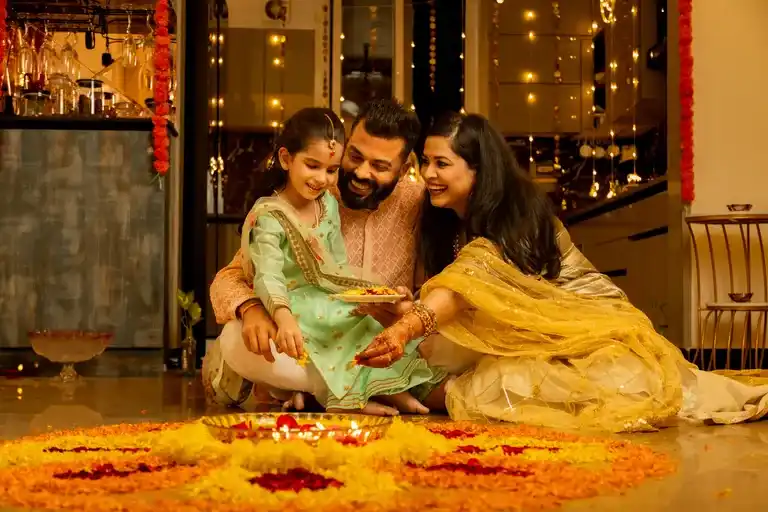
Diwali is the festival of lights and is celebrated with great zeal and enthusiasm in different parts of the country. It is marked by 5 days of celebrations, starting from Dhanteras to Narak Chaturdashi and Diwali. The next day of Diwali is Govardhan Puja, and the 5th day is celebrated as Bhai Dooj.
Importance of Diwali
From the glowing ghats of Varanasi to the very famous and grand Deepotsav of Ayodhya, to those sparkling and illuminated bazaars of Jaipur and those magnificent Kali Puja pandals of Kolkata, read on to discover the dazzling glory of India’s most celebrated festival – Diwali. Just imagine a sky which is painted with all the colourful fireworks, that gentle glow of the earthen diyas, the aroma of those freshly prepared mithaai, and all the sparkling homes welcoming their loved ones with warm smiles and open doors. This is Diwali, India’s festival of lights, a moment that brings people from all across the country together in faith, food, festivities and family.
If all you want to know is what is the importance of Diwali? You need to experience it to know it. And for that, you might have to travel to different parts of the country because every country has its own festive style and vibe. If you think Diwali is just lighting a few diyas at your home, you definitely need to plan to discover how India celebrates it! Certain parts of the country transform their famous streets and historic landmarks into completely different wonderlands; some illuminate their entire riverfront, some regions highlight their local cultures and traditions, while some completely celebrate according to their temple rituals – you must experience this magic yourself!
Diwali 2026 – Significance of Diwali celebration and five days of Diwali
Celebrated on Amavasya, Diwali, also known as Deepavali, has derived its name from the Sanskrit language “Deepa” which means lamp and “avali” which means rows – together it describes some beautiful rows of lamps that lit up every corner of the country from homes to temples and streets.
In the year 2026, the Diwali celebrations fall on 8th November, with the surrounding festivities beginning on 6th November, such as Dhanteras and Bhai Dooj.
Given below are some quick facts about Diwali celebrations in India in 2026
1. Main Diwali falls on 8th November 2026
2. Naraka Chaturdashi, or Choti Diwali, will be celebrated on 7th November
3.Dhanteras will be celebrated on Friday, 6th November 2026
4. For those who celebrate Govardhan Puja, it falls on 10th November 2026
5. The auspicious festival of Bhai Dooj will be celebrated on 11th November 2026.
Want to know the Spiritual significance of Diwali? Read on to know some very interesting and historic facts that make this festival one of the biggest and most celebrated festivals of India. On a moonless night, why does an entire country light lamps? Why do all the families suddenly start to clean their homes or decorate their houses with sparkling lights and bandhwars? Why is the tradition of exchanging gifts and beginning new ventures considered so auspicious?
The answer to all your questions is simple – light has the supreme power to overcome any darkness! And this is what Diwali’s timeless magic is.
1. The return of Lord Rama to Ayodhya
One of the best-known stories we all have grown up hearing from tales of the Ramayana associated with Diwali is when Lord Rama defeated Ravana and came back to Ayodhya after 14 years with Goddess Sita and brother Lakshmana. The people of Ayodhya welcomed Lord Rama by lighting diyas and illuminating the whole city of Ayodhya with lamps and lights.
2. Goddess Lakshmi – a symbol of prosperity
Most of the hindu families associate the celebration of Diwali by worshipping Goddess Lakshmi, who is considered a deity of wealth, good fortune and prosperity. Entrances of the houses are decorated with rangolis, earthen diyas are lit near the doorways, and families are thrilled to welcome good fortune and abundance in their lives.
3. New beginnings and victory of good over evil
Some people associate Diwali with a fresh start. Families may think of starting a new venture; businessmen may opt to open new account books; some families may start to buy a new home or cars – Diwali is basically a festival of positivity, new beginnings, faith and healthy bonds.
The festival therefore has diverse meanings across different communities yet is united by spiritual significance and hopes.
4. The demon Naraksura was defeated by Lord Krishna
In some parts of the country, Diwali is also celebrated for the fact that Lord Krishna attained victory by killing the demon Naraksura. Narak Chaturdashi is celebrated just one day before the main Diwali celebrations and marks the destruction of evil deeds and the liberation of those who suffered.
The five days of the Diwali festival explained
The beauty of the festivity of Diwali is marked because each day tells a different story. Let us read about the importance of Diwali Padwa and why the festival is celebrated with so much zeal and enthusiasm in the country. You will be delighted to know the importance and history behind the five days of Diwali festival:
Day 1 – Dhanteras
The theme of the festival, Dhanteras, is good health, wealth and happy beginnings. Dhanteras is derived from the Sanskrit word. Dhan meaning wealth and teras meaning the 13th day of the lunar calendar. The day feels so special when you walk by any Indian market because the jewellery shops are glowing with their intricate silver and gold jewellery designs; utensil stores are all geared up to welcome their new customers, and people are shopping for new things for their homes. It is considered fortunate if you buy metal on Dhanteras. To celebrate Dhanteras, you need to clean your house, prepare sweets of your choice, light a small diya and purchase something that fits your budget.
Day 2 – Naraka Chaturdashi
The theme of Naraka Chaturdashi is cleansing, new vibes and the victory of good over evil.
Also known as Choti Diwali in most parts of the country, this day celebrates the victory of Lord Krishna over the demon Naraksura. In many Indian families, people indulge in various spiritual activities like taking an oil bath and performing morning prayers. To celebrate Choti Diwali, people make beautiful Rangoli at their entrance, start illuminating Diyas, and even burn firecrackers to celebrate the victory of good over evil.
Day 3 – Lakshmi puja and Diwali
The theme of the festival of lights, Diwali, is prosperity, togetherness, wealth, and happiness. Diwali is not just a festival. It is a feeling that most people already picture in their minds as soon as they hear this word. The centrepiece of the festival of Diwali is the puja of Lakshmi Ganesh ji. Families then prepare delicacies, distribute sweets, light diyas and spend quality time together.
Day 4 – Govardhan Puja
The theme of this festival is gratitude, blessings and togetherness. On this day, people worship Govardhan Hill, which is a famous and sacred hill near Mathura and Vrindavan. This day reminds people that they should always be kind and loving towards the world and the people who sustain their lives. The tradition of Annakut, meaning mountain of food, is very famous. Dishes such as aaloo puri, halwa, and kadi chawal are prepared and are offered to Lord Krishna.
Day 5 – Bhai Dooj
The theme of the festival is love, the bond between siblings and protection. Bhai Dooj is celebrated after days of shopping, prayers, blessings and celebrations as the bond between brothers and sisters. It is traditionally associated with the story of Yamraj and his sister Yamuna and is celebrated in a way that sisters pray for their brother’s well-being and good fortune.
Diwali celebration in different states of India
India offers a range of festivities beyond your home. If you want to experience the illumination by the riverfront or want to discover how the different traditions unfold across different parts of the country, you need to plan to see how every destination showcases its different personalities in the festival. Read on to know the best places to celebrate Diwali in India:
1. Ayodhya in Uttar Pradesh celebrates the spectacular Deepotsav and is considered the most meaningful place to celebrate Diwali. The devotional music fills the air with divinity, and beautiful earthen lamps light up every street. Ayodhya offers large-scale public celebrations with mythology, faith and devotion.
2. Varanasi is a famous mythological spot that you can explore to have a Magical riverside Ganga experience. The beautifully lit lamps and lights add a layer to this already mesmerising city.
3. Jaipur, Rajasthan, is a city famous for Rajasthani craftsmanship and illuminated heritage buildings. Experience the vibrant festival through its colourful streets and prominent buildings, and discover its rich historic and architectural heritage.
Kolkata in West Bengal is famous for its dramatic and iconic Kali Puja during Diwali time. The city is no less than a lively canvas painted in illuminated colours with artistic pandals, sparkling streets and devotional offerings.
4. Delhi is an excellent choice for you to celebrate your next Diwali. The capital city is full of festive spirit with flooded markets, decorative items, different types of lights, flowers, sweets, gift hampers and clothes. The public spaces are decorated, community events are held, and the city has something to offer for any kind of budget.
5. Mathura and Vrindavan are an ideal choice for people who wish to explore Diwali knowing Krishna’s stories and traditions. Travellers get to enjoy their temple visits while enjoying the famous vegetarian food and traditional sweets.
Not just to brighten the night sky, Diwali is a festival and a reminder to fill your lives with hope, kindness and gratitude. It is spiritually so significant that it forces new beginnings in our everyday lives. From the festival of Dhanteras promising prosperity to Narak Chaturdashi teaching us the importance of renewal, Diwali and its 5 days of festivities have a lot to offer.
And there is not just a single way to experience this magic; you can choose to celebrate it closely with your family or enjoy it through the glittering bazaars of Jaipur; you may witness the grandeur of the Deepotsav at Ayodhya or admire Varanasi’s riverfront illuminated vibes.
So, as Diwali 2026 is just round the corner, choose the celebration that speaks to you! That fills your heart with love, kindness and happiness. Light a diya, share sweets with your loved ones, reconnect with your lost ties, and simply enjoy the festive aura. Because the real beauty of Diwali is not just in how brightly the world shines; it actually lies in the inner light that you share and bring to others’ lives.
Frequently asked questions
1. Why is Diwali celebrated for five days instead of one?
Diwali is the main festival for the people of India. It is a five-day festival starting from Dhanteras to Narak Chaturdashi. The main Diwali is celebrated as Lakshmi Puja to welcome wealth and prosperity in life. The next day of Diwali is Govardhan Puja, and the last day is celebrated for the bond between siblings as Bhai Dooj.
2. What is the real significance of lighting a diya on Diwali?
The real significance of Diwali is to remove darkness and spread happiness in everyone’s lives. It is one ritual that is common to nearly every tradition and is celebrated by people all across the country.
3. Is Diwali celebrated the same way across all of India?
Different parts of India celebrate Diwali differently. Ayodhya hosts a grand Deepotsav while Varanasi illuminates its entire riverfront with lamps and diyas. In urban cities like Delhi, Mumbai and Kolkata, Diwali is celebrated by decorating buzzing streets, welcoming shoppers to big markets and distributing sweets.
4. Which city is best to visit to actually experience Diwali in India?
It solely depends on the traveller type, how and what kind of Diwali he would like to celebrate. Diwali celebrations in India are celebrated differently across different regions depending on scale, faith and spirituality. The best Diwali vibe can be experienced in Ayodhya or Varanasi with the popular Deepotsav and Ganga Aarti.

Recommended Articles for you

Best Countries for Solo Travel Every Indian Must Visit
1 0 Solo travel isn’t a “someday” thing anymore. More and more Indians are packing a bag, booking a ticket and heading out on their own, and honestly, we get it now. When you travel alone, you decide everything: where […]
Unique Winter Festivals Around the World You Should Experience
1 0 Winter isn’t just about sweaters and hot chocolate. It’s also the season of snow sculptures, glowing lights, loud music and big celebrations. Winter festivals give you a reason to travel in the cold months, and they show you […]
12 Best Places To Visit In November In India In 2026
0 0 November is a month of vibrant transitions in India, offering an array of travel experiences from the cool Himalayan foothills to the warm beaches of the south. If you’re planning your travel itinerary for November 2026, India presents […]

10 Best Places to Visit in December in India 2026
0 0 December marks the beginning of the peak travel season in India. From the North of the country to the South, every region has pleasant weather and clear skies, perfect for sightseeing. After the hot summer and muggy monsoon, […]
Cheapest Countries to Study Abroad for Indian Students in 2026
0 0 Overseas education costs have climbed steadily over the past few years, and tuition fees alone no longer tell the full story. Indian students planning to study abroad in 2026 need to weigh tuition fees against living expenses, visa […]

How Much Does It Cost to Study Abroad as an Indian Student
0 0 Studying overseas is an exciting opportunity, but it is also an equally expensive opportunity. Honestly, tuition is only one part of the equation. There is also accommodation, food, transportation, health insurance, visa fees, flights, study materials and even […]
How NRIs Can Send Money Home as a Gift to Their Parents in India
0 0 Most NRIs sending money home aren’t doing it for just one reason. It might be covering a parent’s hospital bill this month, helping fund their retirement next year, fixing up the family home, or simply sending routine support […]

Why Prepaid Forex Cards Are Better Than Credit or Debit Cards for International Leisure Travel
0 0 A crucial decision to make while planning for International Leisure Travel is how to carry the currency you will be using there. Which of these you must carry – Cash, Credit cards, Debit cards, or Foreign Exchange Cards? […]
Best Forex Cards in India (2026): How to Choose the Right One
6 1 There isn’t one card that wins for everyone, and any article claiming otherwise is probably selling something. What makes a card the best forex card for you comes down to the markup, whether it holds the currencies you […]

GBP to INR History: How the Pound Has Changed Against the Rupee Since 1947
0 0 Have you ever noticed that the pound feels more expensive today than it did for your grandparents? While you may consider it to be inflation, it is much more than that. The GBP to INR history has seen […]
Foreign Exchange in India, Now Easier than Ever
0 0 A trip to the foreign shores is indeed an exciting thought. Meticulous planning and itineraries follow. However, one thing that can be mildly discerning is buying and managing foreign exchange that would be needed during the trip. All […]
Rial Is the Currency of Which Country? Countries That Use the Rial
0 0 Understanding “rial” currency can be confusing because when you search for it, some searches will show you Iran, Yemen, and Oman as countries that use it. Some searches may also show Saudi Arabia and Qatar. And this is […]
Money Transfer Scams to Watch Out For When Sending Money Abroad
0 0 With the advancements in technology, there are a lot of benefits, especially the ability to transfer money globally. Those working abroad can send money back home to their family. As for the students abroad, they can get necessary […]

Cherry Blossom Festival in Japan
0 0 All You Need To Know Before Planning a Cherry Blossom Trip to Japan The cherry blossom season Japan is usually from March to early May. Tokyo, Kyoto, and Osaka are popular destinations if you are visiting for the […]

Sakura Cherry Blossom in Japan
0 0 Sakura Cherry Blossom in Japan: Best Time, Places, Festivals and Travel Tips The sakura season in Japan usually starts in March in many popular destinations and continues into May in northern regions. Sakura is the Japanese word for […]
Why Is the Dollar Rising? Understanding the Factors Behind USD Strength
0 0 Why dollar price is increasing because of changes in interest rates, inflation expectations, economic growth, capital flows, and demand for the US dollar. Overall, this change is closely linked to the difference between US interest rates and those […]

Why Study in Australia? Here’s What Indian Students Should Know
1 0 Australia is a popular destination for students who want to study internationally. The opportunity to study in Australia gives access to internationally recognised qualifications, modern campuses and an environment with many cultures, helping you grow. What to keep […]
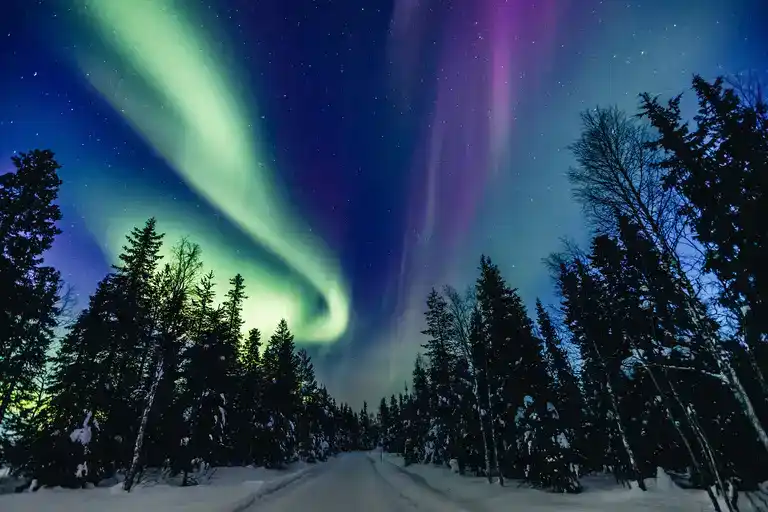
Chasing the Lights Across the World’s Best Northern Lights Countries
1 0 There is a particular kind of silence that falls over you the first time the sky turns green above your head. It is not something a screen can prepare you for. That unforgettable moment is what makes Northern […]
What is the average cost of living in Singapore in 2026?
0 0 The Cost of Living in Singapore At A Glance Average monthly budget: A single person may need S$1505 every month excluding accommodation. The rest of the budget depends on lifestyle and location. Biggest expense: Accommodation is the largest […]