 Quick Chat
 Call Us
 18002099100



0 0 Barren mountains, glacial-blue lakes, monasteries older than memory, and an altitude that humbles you before it amazes you. I nearly cancelled twice before we even left Kolkata. Altitude sickness stories online had properly spooked me, the kind of […]
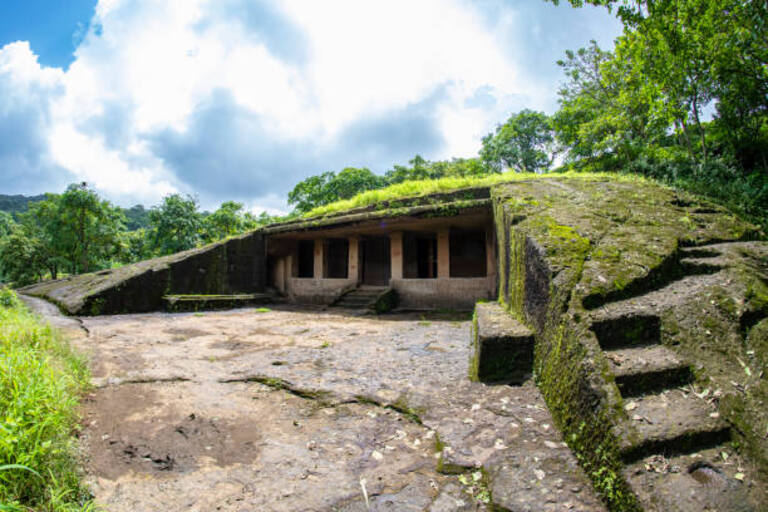
Table of contents
Nestled within the bustling metropolitan landscape of Mumbai, Sanjay Gandhi National Park stands as an ecological oasis, a verdant sanctuary that offers a respite from the city’s relentless pace. This sprawling expanse of lush greenery and diverse wildlife is a testament to nature’s resilience and the city’s commitment to preserving its natural heritage.
Spanning an impressive 104 square kilometers, Sanjay Gandhi National Park Mumbai is one of the world’s largest urban national parks. Its sheer size and remarkable biodiversity make it a true gem in the heart of this vibrant city. As you step through its gates, you are immediately transported into a world that seems worlds away from the surrounding concrete jungle.
The park is home to an impressive array of species, including leopards, deer, monkeys, and over 170 species of birds. The park’s leopard population, in particular, has garnered significant attention as these elusive big cats have adapted to coexist within the urban landscape. Beyond its rich biodiversity, the park also boasts a wealth of historical and cultural significance. Ancient Buddhist rock-cut caves dating back to the 1st century BCE can be found within its boundaries.
History of Sanjay Gandhi National Park
The origins of Sanjay Gandhi National Park can be traced back to the late 19th century when the British recognized the need to preserve the region’s natural landscape. 1869, the area was declared a reserved forest, known as the Bombay Forest. This move aimed to protect the existing flora and fauna from the rapidly expanding city of Bombay (now Mumbai).
Over the next few decades, the reserved forest underwent several changes and was renamed Krishnagiri National Park in 1950. In the 1970s, the park underwent a significant expansion with the addition of the Tulsi and Vihar lakes. These man-made water bodies enhanced the park’s natural beauty and provided vital habitats for various species of birds and aquatic life.
In 1996, the Krishnagiri National Park was renamed Sanjay Gandhi National Park in honor of the late Prime Minister Sanjay Gandhi, who had played a pivotal role in promoting environmental conservation efforts in India. This renaming also coincided with the park’s recognition as a national park, solidifying its status as a protected area of immense ecological importance. The park received further recognition in 2003 when it was declared a UNESCO World Heritage Site.
Flora and Fauna at Sanjay Gandhi National Park
Sanjay Gandhi National Park is a true biodiversity hotspot, housing an impressive array of flora and fauna within its verdant boundaries.
Flora

Flora in Sanjay Gandhi National Park
The park’s vegetation is a tapestry of diverse plant life, ranging from towering trees to vibrant wildflowers. One of the most prominent features is the dense forest cover that blankets the rugged Trimbakeshwar Hills, comprising Ain, Hirda, Kanchan, and Sag species.
The park is home to over 1,000 species of plants, including several rare and endangered species. Karvi, an evergreen tree species, is a notable resident known for its medicinal properties and striking appearance. The park also boasts diverse flowering plants, including the beautiful Flame of the Forest and the vibrant Indian Laburnum.
Fauna
Sanjay Gandhi National Park Mumbai is a haven for wildlife, offering sanctuary to a diverse range of animal species. Perhaps the most iconic residents are the elusive leopards, which have adapted remarkably well to coexisting within the urban landscape. These majestic big cats roam the park’s dense forests, making occasional appearances and captivating visitors with their grace and power.
The park is also home to various deer species, including spotted deer, sambar deer, and barking deer. Monkeys, including the ubiquitous bonnet macaque and the more elusive rhesus macaque, are a common sight throughout the park. The park boasts an impressive avian population, with over 170 species of birds recorded within its boundaries. Colourful residents such as the Indian Pitta, the Asian Koel, and the Malabar Trogon can be spotted flitting among the trees while raptors like the Crested Hawk-Eagle soar overhead.
The park’s lakes and wetlands are home to diverse aquatic life, including fish species such as the Catla, Rohu, and Mrigal. These waters also attract a variety of amphibians, including frogs and toads, which add their melodic calls to the park’s natural soundscape.
Top Attractions in Sanjay Gandhi National Park
Sanjay Gandhi Wildlife Sanctuary offers a remarkable blend of natural beauty, historical significance, and recreational opportunities, making it a must-visit destination for both local and international visitors. Here are some of the top attractions that should not be missed when exploring this urban oasis:
1. Kanheri Caves
Situated within the park’s boundaries, the Kanheri Caves are a remarkable archaeological site dating back to the 1st century BCE. These ancient Buddhist rock-cut caves, carved into the basaltic rock formations, are adorned with intricate carvings, sculptures, and inscriptions that offer a glimpse into the region’s rich cultural heritage. Guided tours are available, providing visitors with a deeper understanding of the caves’ historical significance.
2. Nature Trails and Hiking

Nature Trails and Hiking in Sanjayy Gandhi National Park
The park boasts an extensive network of well-maintained nature trails that wind through its diverse landscapes. The most popular trail is the Shilonda Trail, which takes visitors through dense forests and offers breathtaking views of the Trimbakeshwar Hills. Along the way, hikers may catch glimpses of the park’s resident wildlife, including leopards, deer, and a variety of bird species.
3. Vihar Lake and Boating

Enjoy boating at Vihar Lake at Sanjay Gandhi National Park
The serene Vihar Lake is a popular destination for those seeking a tranquil escape from the city’s hustle and bustle. The lake’s calm waters reflect the surrounding lush greenery, creating a picturesque setting for boating, picnicking, and bird-watching. Visitors can rent boats and paddle around the lake, taking in the natural beauty and spotting various species of waterfowl.
4. Tulsi Lake and Gardens
Another scenic spot within the park is Tulsi Lake, surrounded by well-manicured gardens and walking paths. The lake’s tranquil waters and the vibrant floral displays provide a serene environment for relaxation and contemplation. The gardens are also a popular spot for outdoor yoga sessions and nature photography.
5. Wildlife Viewing
Sanjay Gandhi National Park is home to a diverse array of wildlife, making it a prime destination for nature enthusiasts and photographers. The park’s leopard population, in particular, has garnered significant attention, with guided safaris offering the opportunity to spot these elusive big cats in their natural habitat. Other commonly sighted animals include deer, monkeys, and a variety of bird species.
6. Environmental Education Centre

lush greenery of Sanjay Gandhi National Park
The park’s Environmental Education Centre is crucial in raising awareness about conservation and promoting sustainable practices. The centre offers interactive exhibits, educational programmes, and workshops for visitors of all ages. It is an excellent place to learn about the park’s ecosystems, the challenges faced, and the efforts being made to preserve its natural heritage.
7. Camping and Adventure Activities
For those seeking a more immersive experience, the park offers camping opportunities in designated areas. Camping within the park’s boundaries provides a unique opportunity to connect with nature and experience the sights and sounds of the wilderness. Additionally, adventure enthusiasts can indulge in activities such as rock climbing and rappelling under the guidance of trained professionals.
Sanjay Gandhi National Park Timings
Here are the details of Sanjay Gandhi National Park Mumbai timings and opening hours for visitors:
Entry Timings:
- The park gates open for entry at 7:30 a.m.
- The last entry is permitted until 5:30 p.m.
Exit Timings:
- Visitors must exit the park premises by 6:30 p.m.
- No one is allowed to remain inside the park after the designated closing time.
Timings for Specific Attractions:
Some attractions and facilities within the park may have their own operating hours, which may differ from the general park timings. Here are the typical times for some of the popular attractions:
- Kanheri Caves: Open from 7:30 a.m. to 5:30 p.m.
- Vihar Lake and Boating: Boating is available from 9:00 a.m. to 5:00 p.m.
- Environmental Education Centre: Open from 9:00 a.m. to 5:00 p.m.
Sanjay Gandhi National Park Entry Fee
Sanjay Gandhi National Park has a fee structure in place to help manage visitor numbers and generate revenue for conservation efforts and park maintenance. Here are the details regarding the Sanjay Gandhi Wildlife Sanctuary tickets:
Entry Fees:
- Indian Adults: ₹25 per person
- Indian Children (up to 12 years): ₹10 per child
- Foreign Nationals: ₹500 per person
- Students (with valid ID): ₹10 per student
Vehicle Entry Fees:
- Two-wheelers: ₹10 per vehicle
- Four-wheelers: ₹50 per vehicle
Kanheri Caves:
- Indian Adults: ₹10 per person
- Indian Children (up to 12 years): ₹5 per child
- Foreign Nationals: ₹300 per person
- Students (with valid ID): ₹5 per student
Boating at Vihar Lake:
- Pedal Boat (2 persons): ₹100 for 30 minutes
- Rowboat (4 persons): ₹150 for 30 minutes
- Motorboat (4 persons): ₹200 for 30 minutes
Camping:
- Camping charges are applicable for overnight stays within the designated camping areas.
- Indian Nationals: ₹200 per person per night
- Foreign Nationals: ₹500 per person per night
How do I reach Sanjay Gandhi National Park?
Sanjay Gandhi National Park is located within the bustling city of Mumbai, making it easily accessible by various modes of transportation.
By Road:
If you’re travelling by car or taxi, the park is easily accessible from various parts of Mumbai. The main entrance is located near the Western Express Highway in Borivali. You can use navigation apps or follow directions to reach the Sanjay Gandhi Wildlife Sanctuary gate.
Mumbai’s efficient public transportation system makes reaching the park by bus convenient. Several bus routes operated by Brihanmumbai Electric Supply and Transport (BEST) connect different areas of the city to the park’s vicinity. You can take a bus to the Aarey Milk Colony or Borivali and then walk or take a short auto or cab ride to the park entrance.
By Train:
If you’re travelling by train, the closest railway stations are Borivali and Goregaon on the Western Railway line. From these stations, you can take an autorickshaw or cab to reach the park’s entrance. The approximate distance from Borivali station to the park is around 5 kilometers, while Goregaon station is about 8 kilometers away.
By Metro:
Mumbai’s metro system provides a convenient way to reach the park. The closest metro station is Aarey Colony on the Green Line (Line 7). From Aarey Colony station, you can take an autorickshaw or cab to cover the remaining distance to the park entrance, which is approximately 3–4 kilometers away.
Whether you are a nature enthusiast, a history buff, or simply someone seeking a respite from the city’s hustle and bustle, Sanjay Gandhi Wildlife Sanctuary offers an enriching and rejuvenating experience. Step into this urban oasis, and let the sights, sounds, and nature’s essence wash over you.
Sanjay Gandhi National Park Mumbai offers a verdant oasis where the wonders of nature intertwine with the city’s vibrant spirit. Let Thomas Cook be your guide to this urban paradise. Whether you’re a local seeking a rejuvenating escape or a traveler craving a unique urban adventure, Sanjay Gandhi Wildlife Sanctuary promises an unforgettable experience. Book your Mumbai tour packages with Thomas Cook today and discover the hidden gem that lies within this bustling city.
Recommended Articles for you

Forex Markup Fee Explained: Meaning, Charges & How to Avoid It
0 0 Forex card charges are the fees you pay to get, load, and use a prepaid travel card abroad, covering issuance, reload, currency conversion, ATM withdrawal, and the markup baked into the rate. Most of these sit between 0% […]

Abu Dhabi Offers Free UAE Visas for Indians: All You Need to Know
0 0 Imagine planning a three-night Abu Dhabi holiday, with the offer taking care of your 30-day UAE tourist visa. From the Sheikh Zayed Grand Mosque and Louvre Abu Dhabi to Yas Island and Ferrari World, there is plenty to […]

Kashi Vishwanath Temple Guide 2026: Timings, Darshan, VIP Booking & Travel Tips
0 0 Kashi Vishwanath Temple Guide at a Glance The Kashi Vishwanath Temple in Varanasi is one of the 12 Jyotirlingas of Hindu Dharma. All Jyotirlingas are dedicated to Lord Shiva. If you believe in Shiva, it must be your […]
Bhimashankar Jyotirlinga Guide 2026: Temple Timings, Trek Route, Wildlife Sanctuary & Shravan Darshan Tips
0 0 Bhimashankar is that rare Jyotirlinga where your darshan ends and your trek begins. The Bhimashankar Jyotirlinga Temple is situated inside a wildlife sanctuary, surrounded by the thick Sahyadri forest. You can attend the Kakad Aarti at dawn, spot […]
Char Dham Yatra 2026: Complete Registration, Route, Cost & Itinerary Guide
0 0 Quick introduction: Opening dates: Between April 19 and 23, 2026. Yamunotri & Gangotri open together on Akshaya Tritiya (Apr 19), Kedarnath on Apr 22, Badrinath on Apr 23 Registration: Free, but mandatory, and opened Mar 6 at registrationandtouristcare.uk.gov.in […]
Grishneshwar Jyotirlinga Guide: Temple Timings, Ellora Caves & Travel Tips
0 0 Close your eyes and imagine the moment: the sky is still dark, the air smells faintly of camphor and incense, and you are standing barefoot on cool stone before a shrine where you are praying. Your morning begins […]
Rameshwaram Temple Travel Guide: Timings, Darshan & Places to Visit
0 0 One of the most important religious travel destinations in India, Rameshwaram is an icon by itself. With its roots deeply connected to the holy Ramayana, Rameshwaram is one of the 12 Jyotirlingas in India. Rameshwaram is also a […]
Trimbakeshwar Temple Guide: Timings, VIP Darshan & Kumbh Significance
0 0 “Where faith meets silence, every prayer finds its way.” There is a different kind of silence that settles over the moment you catch your first glimpse of the Brahmagiri hills rising behind the temple spire. It’s not the […]
Places to Visit in September in India – Top Destinations & Travel Tips
2 0 September is one of the best months to travel across India. The monsoon begins to retreat, waterfalls remain full, hill stations turn lush green, and many destinations are less crowded than during the peak holiday season. Whether you’re […]
Best Countries to Visit in July from India
1 0 July is the peak of monsoon in India, but in many parts of the world it is a beautiful summer season. This is why July is a great time for international travel. If you are planning your next […]
Breathtakingly Beautiful Places to Visit Near Mumbai During Monsoon
1 1 Monsoon is one of the most beautiful seasons in India. On the one hand, you get lashing rains and cool, misty weather. On the other hand, you get to see green valleys, roaring waterfalls, and other magical natural […]
Best Monsoon Destinations in India for July and August
1 0 When you plan your annual vacation, you often think about travelling in summer or winter. But have you considered travelling in the rainy season? Well, the most magical holidays happen when you go offbeat and make an epic […]
Best Places to Visit in Monsoon in India
1 0 India is one of the most beautiful countries in the world. And, at certain times, the magic simply comes alive. The monsoon is one of them. With the rains lashing different parts of the country, the flora, fauna, […]
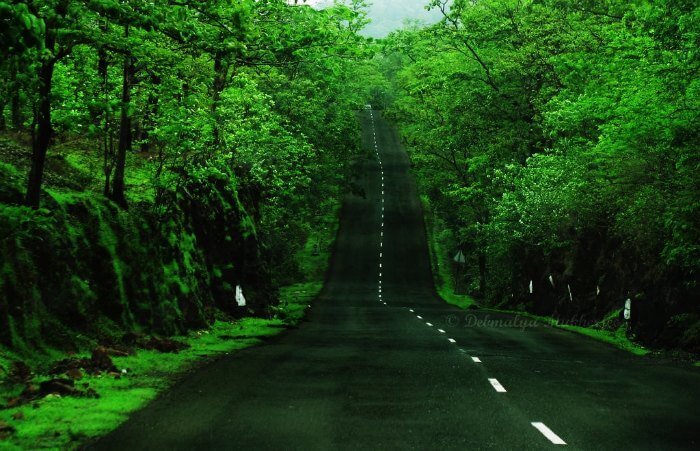
21 Best Places to Visit Near Pune in Monsoon
12 0 Often called the twin city of Mumbai, Pune is a unique and lively metropolis in Maharashtra. With tons of great Places to Visit in and around the city, surely every avid traveller will love to explore the absolute wonders […]
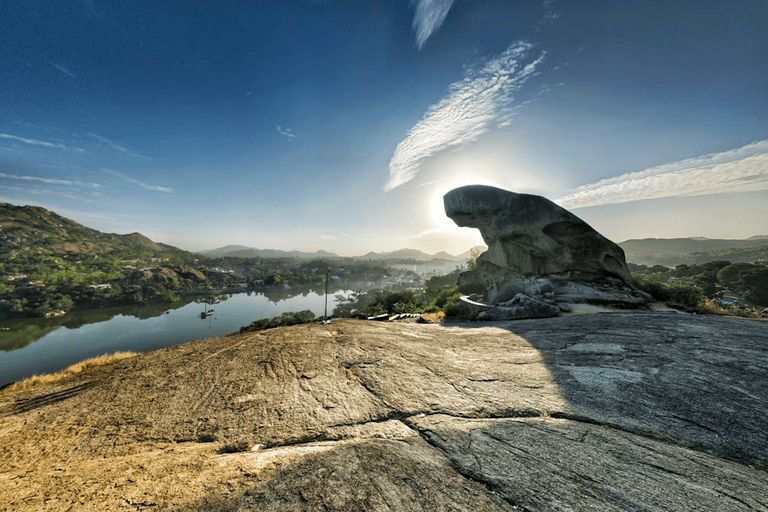
10 Best Places To Visit In July In India On A Budget
2 0 Looking for the best places to visit in July in India without spending too much? July is one of the most rewarding months to travel. The monsoon transforms hills, forests and waterfalls, while many destinations offer attractive off-season […]
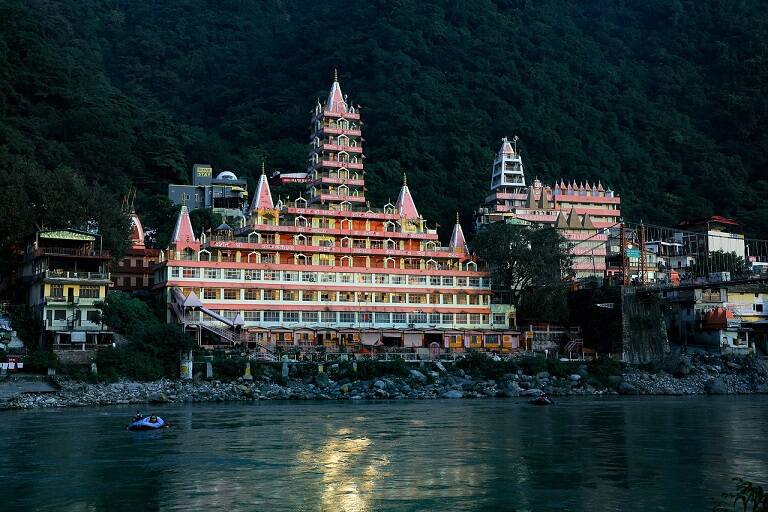
Temples and Traditions: Exploring the Culture of North India
1 1 North India is basically one giant temple trail. From the Himalayas to the Gangetic plains, this region has temples that are old, powerful, crowded, freezing, burning hot, and occasionally all of those things at once. If you are […]
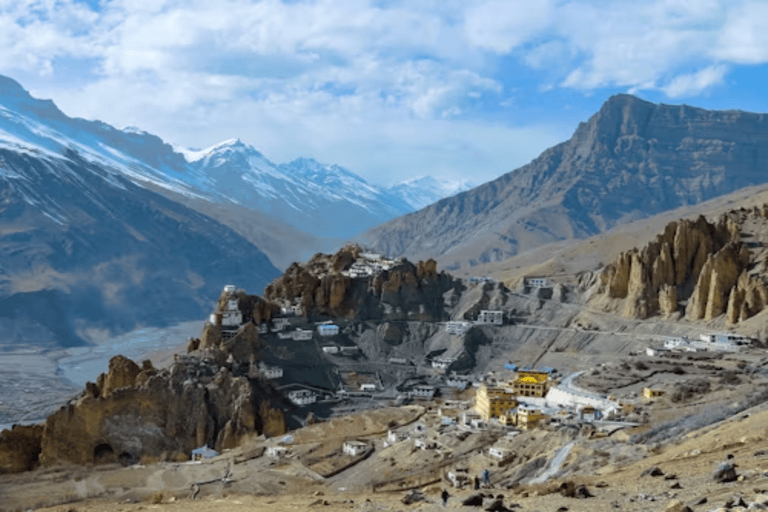
Best Places to Visit in October in India – Ultimate Travel Guide 2026
-1 0 October is truly a magical time to travel within India. The post-monsoon nourishment of nature, coupled with pre-winter temperatures, makes this an ideal travel time. You can explore most of the country very smoothly, and make the best […]
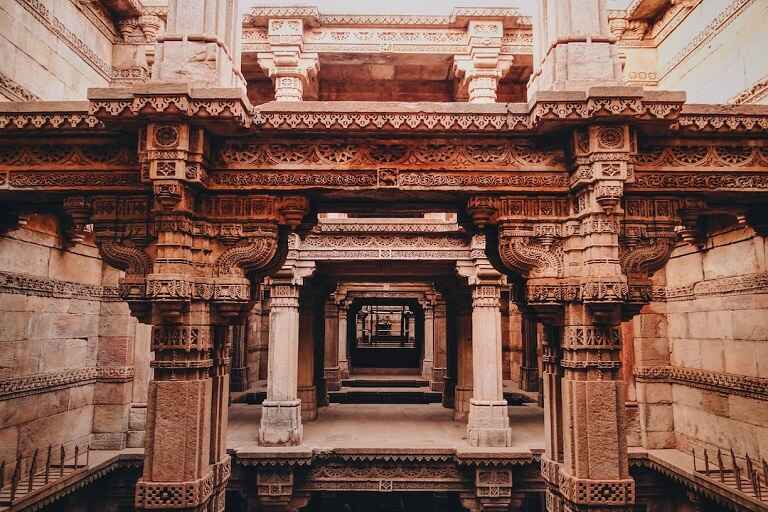
Explore Famous Temples and Spiritual Places in Gujarat
6 1 Gujarat does not disappoint when it comes to temples. This state has Jyotirlingas, Shakti Peethas, Jain temple complexes that require a 3,000-step climb, and a temple so old it predates most countries. If you are doing a spiritual […]
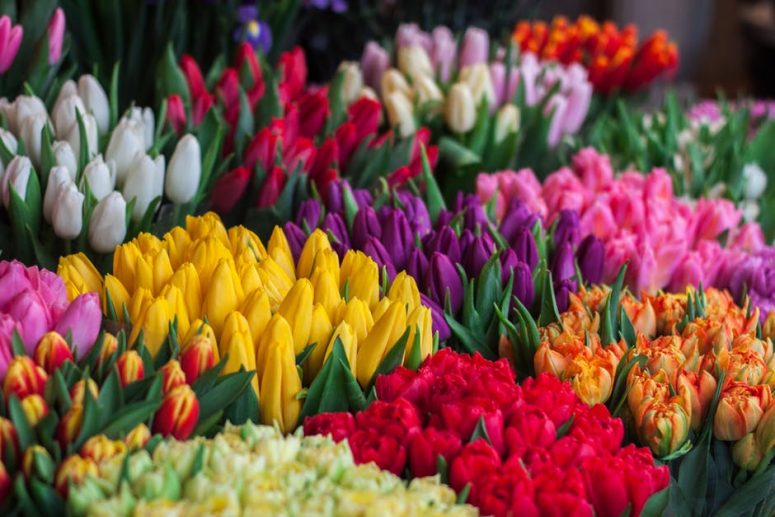
Tulip Festival Kashmir: Tulip Season, Garden Guide and Travel Tips
0 0 The annual tulip festival in Kashmir is one of the most anticipated shows. Around spring each year, millions of tulips start blooming in Srinagar’s Indira Gandhi Memorial Tulip Garden. It is one of the most spectacular naturally occurring […]