 Call Us
 18002099100


0 0 Why Should Central Asia Be on Your Travel List? I’ll be honest. If someone had asked me a year ago to choose between Europe and Central Asia, I would have booked Europe without thinking twice. It’s familiar. You […]
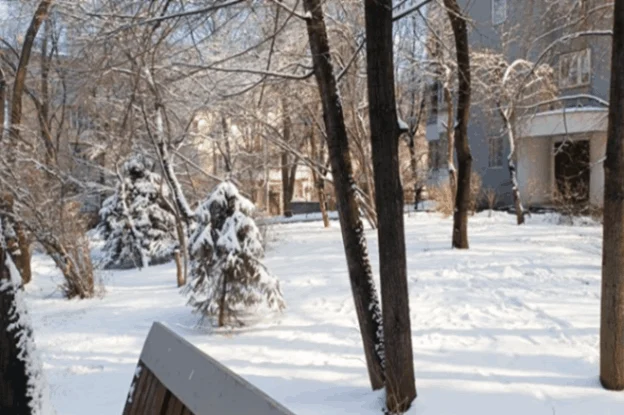
Table of contents
Why Should Central Asia Be on Your Travel List?
I’ll be honest. If someone had asked me a year ago to choose between Europe and Central Asia, I would have booked Europe without thinking twice.
It’s familiar. You know exactly what you’re signing up for. Switzerland gives you the Alps. Italy gives you history. France gives you cafés and museums. Central Asia, on the other hand, has always sat quietly in the background. Most people have heard of Kazakhstan. A few know Samarkand because of history lessons. Kyrgyzstan rarely enters the conversation at all.
The funny thing is that this region once connected the entire world.
Long before commercial flights and high-speed rail, caravans travelled across these lands carrying silk, spices, precious stones, ideas and culture between China and the Mediterranean. The Silk Route wasn’t a single road but a vast network that shaped trade and civilisation for nearly fifteen centuries. Every major empire wanted control over it. Every important traveller eventually passed through it. Yet somewhere along the way, Central Asia quietly disappeared from our holiday conversations.
That made us curious.
Sometimes the best destinations are the ones nobody is talking about.
This wasn’t another holiday. It was a story waiting to be explored.
Our interest in Central Asia actually began much earlier.
In 2024, we travelled to Azerbaijan, exploring the western end of the Silk Route. During that trip, someone casually remarked, “We’ve seen where the Silk Route ended. Imagine following it back to where it truly began.”
That idea refused to leave us.
A few months later, we called Thomas Cook India’s Powai Branch with what sounded like a fairly ambitious request. We had less than two weeks. We wanted to cover as much of the eastern Silk Route as possible without making the trip feel rushed. Good hotels were important, but so were experienced English-speaking guides, comfortable private transport, and enough flexibility to stop, explore, and simply absorb the places we visited.
The itinerary, which was eventually designed by Vanasari Thakur, Manager – Sales at Thomas Cook’s Powai Branch, was not simply about covering destinations. It was about connecting experiences. Instead of treating Central Asia as one country, the itinerary allowed us to experience three very different personalities within the same journey—Kazakhstan, Kyrgyzstan, and Uzbekistan. Even the transit through Almaty became an opportunity to experience another country rather than simply wait for the next flight.
Looking back now, that small decision perfectly captured what this holiday eventually became. Nothing felt like a missed opportunity.
Three neighbouring countries that couldn’t be more different
One of the biggest misconceptions about Central Asia is that every country offers a similar experience. They don’t.
Yes, Kazakhstan, Kyrgyzstan, and Uzbekistan share a common Soviet past. All three became independent in 1991. Russian is still widely spoken, hospitality remains deeply rooted in local culture, and every country proudly carries the legacy of the Silk Route.
But that’s where the similarities begin to fade. Kazakhstan feels confident and contemporary. Wide boulevards, organised cities and open landscapes give it a surprisingly European character.
Kyrgyzstan is nature at its purest. Mountains dominate almost every view, rivers run alongside highways, and alpine valleys seem to appear around every bend.
Uzbekistan feels entirely different again. Here, history becomes the main attraction. Cities like Samarkand and Bukhara have welcomed traders, scholars and explorers for centuries, and that legacy is still visible in every street and monument.
The beauty of travelling through all three countries isn’t simply ticking them off a list. It’s watching the landscape, culture and rhythm of life change every few days while the Silk Route quietly ties everything together.
Kazakhstan gave us the perfect introduction.
Our first stop wasn’t even supposed to be a holiday destination. It was a transit.
Instead of flying directly into Bishkek, our itinerary routed us through Almaty, giving us enough time to explore the city before our onward journey. I’ll admit, I wasn’t expecting much.
Transit cities usually mean airports, coffee shops and checking the departure board every thirty minutes. Almaty had other plans. Within a few hours, it had completely rewritten my first impression of Central Asia.
The roads were broad and remarkably clean. Snow-covered parks stretched across different parts of the city. Soviet-era buildings stood comfortably alongside modern architecture, creating a skyline that somehow felt both familiar and different at the same time. The city moved at an unhurried pace. Nobody seemed to be rushing anywhere, yet everything worked exactly as it should.
Perhaps that’s what surprised me the most. Nothing here seemed designed purely for tourists. People were going about their everyday lives, cafés were busy with locals, parks were full despite the cold weather, and we felt less like visitors and more like temporary participants in the city’s daily rhythm.
It was only a few hours. Yet those few hours quietly challenged every assumption we had carried about Central Asia. By the time we boarded our evening flight to Bishkek, one thought kept returning. If this was only the beginning of the journey, what else had we completely underestimated?
Kyrgyzstan Was the Part We Weren’t Prepared For
Before this trip, if someone had asked me to describe Kyrgyzstan, I probably would have said, “It’s somewhere in Central Asia with lots of mountains.”
Technically, I wouldn’t have been wrong. But I would have missed the point entirely.
Kyrgyzstan isn’t a destination that impresses you with one iconic landmark. It wins you over little by little. Through the roads that seem to disappear into mountain ranges, the rivers that accompany you for hours, and the quiet confidence with which nature dominates everything around it.
The country is almost entirely defined by the Tian Shan Mountains, and unlike many mountain destinations that have become heavily commercialised, these landscapes still feel untouched. Tourism contributes only a small share to the country’s economy, and perhaps that’s precisely why travelling here feels refreshingly authentic. You’re not moving from one tourist attraction to another. You’re simply experiencing the country as it is. One thing became clear rapidly. If you enjoy mountains, you’ll probably fall in love with Kyrgyzstan.
Ala-Archa Gorge Was the Perfect Introduction
Our first morning in Kyrgyzstan took us to Ala-Archa Gorge, around 40 kilometres from Bishkek. Most cities have a nearby viewpoint or a nature park that locals recommend. Ala-Archa is much more than that.
The drive itself was spectacular. Snow-covered peaks slowly appeared in the distance before giving way to dense forests, icy rivers, and deep valleys. By the time we reached the gorge, the city felt like it belonged to another country altogether.
What I loved most was the simplicity of the experience. There were no elaborate visitor centres trying to entertain us. No endless souvenir shops. No carefully staged photo points. Just walking trails, mountain air, flowing rivers, and complete silence.
It’s amazing how quickly your pace changes when you spend time in a place like this. You stop checking your phone. Conversations become slower. Even photographs become less important because you’re too busy looking around.
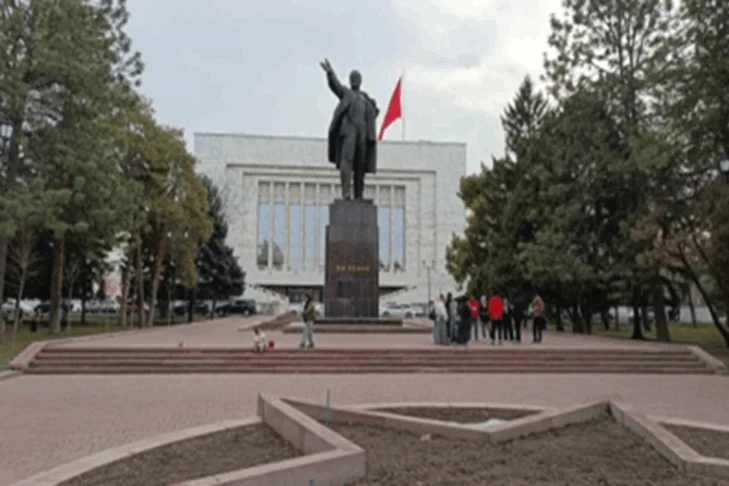
Later that afternoon, we returned to Bishkek and explored landmarks like Ala-Too Square, the Victory Monument, Osh Bazaar and the National Theatre. Bishkek doesn’t overwhelm visitors with famous attractions, but that’s part of its charm. It feels like a city built for the people who live there rather than for tourists passing through.
Osh Told a Story We Didn’t Expect
Every trip has one place that quietly surprises you. For us, it was Osh. One of the oldest cities in Central Asia, Osh sits along the historic Silk Route and has witnessed centuries of travellers, traders and empires passing through its streets. Today, it is best known for the UNESCO-listed Sulaiman-Too Sacred Mountain, a place that continues to hold immense cultural and spiritual significance.
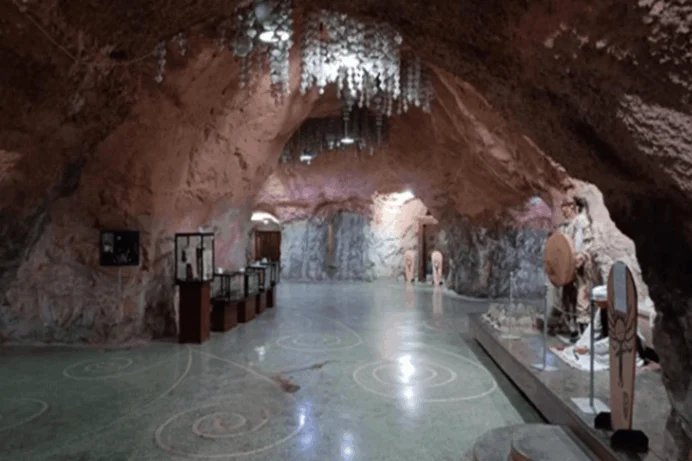
What made the visit especially meaningful for us as Indians was its connection with Babur. Long before he founded the Mughal Empire in India, Babur is believed to have spent part of his childhood around Sulaiman-Too. Standing there, looking across the same landscape, history suddenly felt much less distant.
It’s one thing to read about historical figures in textbooks. It’s another to stand where they once stood. Moments like these quietly become the highlights of a journey because they connect places in ways you never expected.
Konorchek Canyon Made Us Question Why Everyone Talks About the Grand Canyon
If someone showed me photographs of Konorchek Canyon without revealing the location, I would probably guess the American Southwest. The resemblance is remarkable.
Towering red sandstone formations, narrow gorges, and dramatic rock sculptures stretch across the landscape, creating scenery that feels almost cinematic. Yet unlike many famous canyons around the world, Konorchek remains wonderfully uncrowded.
Getting there requires a moderate hike, and during our February visit, parts of the trail were covered with ice. Walking across frozen sections while cold mountain winds swept through the canyon certainly made the experience memorable. Thankfully, travelling with experienced local guides meant we could simply enjoy the surroundings without worrying about the route.
One thing I’ve realised over the years is that some landscapes don’t need dramatic introductions. You simply stand there for a few minutes and let them speak for themselves. Konorchek was one of those places.
Issyk-Kul Lake Changed the Pace of the Journey
After the canyon came Issyk-Kul Lake. Calling it a lake somehow doesn’t feel adequate. It stretches so far into the distance that it feels more like an inland sea framed by mountains.
We reached the lake towards evening, just as the light began to soften. The mountains reflected across the water, the wind slowed down, and for a while, nobody said much. There wasn’t any grand activity planned here. We simply walked along the shore, took in the views, and allowed ourselves to enjoy the moment.
Looking back, that pause was just as memorable as the more adventurous parts of the day. Modern travel often encourages us to keep moving. More attractions. More photographs. More experiences. Issyk-Kul quietly reminds you that sometimes the best experience is doing absolutely nothing at all.
History and Wilderness Exist Side by Side Here
Our final full day in Kyrgyzstan brought together two completely different experiences. The morning began at Burana Tower, one of the region’s oldest surviving monuments and an important reminder of the Silk Route’s rich past. Standing beside the ancient tower, it was easy to imagine caravans passing through these lands centuries ago.
By afternoon, history had given way to wilderness. The drive to Kegety Gorge took us through pine forests, alpine meadows and frozen waterfalls. Fresh snow covered the surrounding mountains, while the sound of flowing water echoed through the valley. Even an unexpected spell of rain and hail on the drive back somehow became part of the adventure rather than an inconvenience.
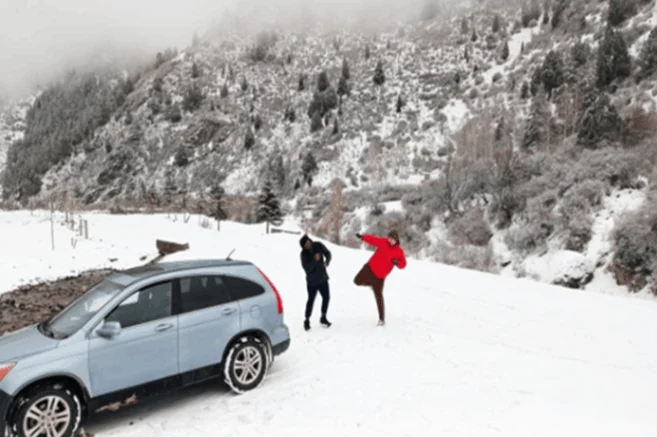
That probably sums up Kyrgyzstan better than anything else. It doesn’t constantly demand your attention. Instead, it quietly rewards those willing to slow down, look around, and appreciate places that haven’t yet been shaped by mass tourism. By the time we boarded our flight to Uzbekistan, one thing was certain. The Silk Route had already given us far more than we had expected, and we were only halfway through the journey.
Uzbekistan Is Where the Silk Route Stops Being History and Starts Feeling Real
By the time we reached Uzbekistan, we thought we had understood Central Asia. We hadn’t. Kazakhstan has introduced us to the region. Kyrgyzstan has shown us its mountains. Uzbekistan completed the picture by reminding us why this part of the world once sat at the centre of global trade.
If Kyrgyzstan is nature’s masterpiece, Uzbekistan is civilisation’s. For centuries, cities like Samarkand, Bukhara, Tashkent and Ferghana welcomed merchants, scientists, scholars, and explorers travelling along the Silk Route. Wealth flowed through these streets. Ideas travelled alongside silk and spices. Some of the greatest Islamic architecture in the world was built here, not because tourists would one day admire it, but because these cities were once among the most important crossroads on Earth.
That’s exactly what makes Uzbekistan different. You’re not visiting monuments that have been restored for tourism. You’re walking through places that have simply continued to exist
Tashkent Wasn’t What We Expected
I’ll admit, I expected Tashkent to feel like an old Silk Road city. Instead, it felt surprisingly contemporary. The roads were wide. Public spaces were spotless. Construction cranes dotted the skyline, but the city never felt chaotic. Digital governance, modern universities, clean public transport and a growing focus on artificial intelligence and sustainability gave Tashkent a confidence that I hadn’t associated with Central Asia before arriving.
One detail stayed with me. Across different parts of the city, electronic displays showed the Air Quality Index alongside weather information. It’s a small thing, but it reflects how much emphasis Uzbekistan places on urban planning and public infrastructure.
Even the roads told a story. Electric and hybrid vehicles were everywhere, with BYD emerging as one of the most popular brands. For a country that many people still imagine through the lens of ancient history, the present felt remarkably progressive.
The City Balances History and Modern Life Effortlessly
Every city has landmarks. Tashkent has stories. Our city tour took us through Amir Timur Square, the Hazrat Imam Complex, the Monument of Courage, the Romanov Prince Duke Residence, the Tashkent TV Tower and the bustling Chorsu Bazaar. Each stop reflected a different chapter in Uzbekistan’s journey—from imperial influences and Soviet history to Islamic heritage and modern nation-building.
One place resonated particularly strongly with us as Indians.
It was in Tashkent that Prime Minister Lal Bahadur Shastri signed the historic peace declaration with Pakistan in January 1966 before his untimely passing later that night. It’s a moment that quietly links India’s history with this Central Asian capital, yet very few Indian travellers know about it before visiting.
History here doesn’t feel confined to museums. It quietly exists around you.
Uzbekistan Isn’t Only About Ancient Cities
One of the biggest surprises of the trip came when we left Tashkent for the Chimgan Mountains. Most people associate Uzbekistan with blue-domed mosques and Silk Route architecture. Very few talk about its mountains.
The drive itself was beautiful, gradually climbing towards snow-covered peaks that looked completely different from the landscapes we had experienced earlier in Kyrgyzstan. Once there, the day became wonderfully playful. Horse riding across snowy trails, snowmobile rides through the mountain slopes and a chairlift carrying us to panoramic viewpoints made this feel like an entirely different side of Uzbekistan.
On the return journey, we stopped at Charvak Lake. The lake wasn’t crowded. There were no elaborate viewing platforms or organised entertainment. Just calm blue water surrounded by mountains. Sometimes, that’s more than enough.
The Bullet Train Was One of the Best Decisions We Didn’t Make
When most people think about memorable travel experiences, they usually think about destinations. Sometimes, it’s the journey that stays with you.
One of the smartest decisions in our itinerary was replacing short domestic flights with the Afrosiyab Bullet Train. Instead of rushing between cities, we travelled through the Uzbek countryside, watching villages, open plains and changing landscapes unfold outside the window.
The train connected Tashkent, Bukhara and Samarkand, making the journey feel far more immersive than simply hopping between airports. It also reflected how efficiently Uzbekistan has invested in connecting its historic cities while preserving their cultural identity.
It’s a small detail. But it’s often these small decisions that change the character of an entire holiday.
Shopping Here Still Feels Personal
Every destination has souvenirs. Uzbekistan has craftsmanship. The interesting part is that every historic city has its own specialisation.
Ferghana is known for its beautiful IKAT silk. Bukhara and Samarkand are famous for their intricate Suzani embroidery, while traditional Pichak knives remain one of Bukhara’s signature handicrafts. These aren’t products created purely for tourists. They’re part of traditions that have been passed down through generations. Shopping here felt less like buying gifts and more like carrying home small pieces of the Silk Route.
Uzbekistan Doesn’t Feel Like a Museum. It Feels Alive.
That’s probably what stayed with me the most. Many historic destinations become frozen in time. Uzbekistan hasn’t. Students fill out their university applications. Markets remain busy. Families gather in public squares. Cafés stay open late into the evening. Ancient monuments coexist comfortably with modern infrastructure, and life continues around them instead of being interrupted by them.
By the time we left Uzbekistan, we had realised something. The Silk Route isn’t simply a chapter in a history book. It’s still visible in the cities, the architecture, the traditions, and the people who continue to keep that legacy alive. And that’s what makes travelling through Central Asia so rewarding. You don’t simply learn about history. For a few days, you become part of it.
Is Central Asia the Next Big Destination for Indian Travellers?
Every once in a while, you visit a destination that makes you wonder why it isn’t already on everyone’s travel list. Central Asia was that destination for us.
Not because it has one iconic landmark that everyone wants to photograph. Not because it’s the cheapest holiday you can plan. And certainly not because it’s trying hard to become the next big tourism hotspot.
In fact, quite the opposite. The biggest luxury Central Asia offers today is that it still feels genuine.
The streets haven’t been designed around tourists. The mountains haven’t been crowded with selfie queues. The historic cities haven’t become open-air theme parks. Life simply goes on, and visitors get to experience it as it is. Perhaps that’s exactly why the journey stays with you long after you’ve returned home.
Every Traveller Will Find Their Own Favourite Country
One question almost everyone asked us after we returned was, “So… which country did you like the most?”
Honestly, that’s impossible to answer.
If you’re someone who measures a holiday in terms of landscapes, Kyrgyzstan will probably steal your heart. The Tian Shan Mountains, alpine gorges, frozen rivers, and endless valleys make every road journey feel like part of the destination rather than simply a way of getting there. It’s difficult to remember another place where we stopped the car so many times simply to admire the view.
If history fascinates you, Uzbekistan offers an entirely different experience. Walking through cities like Samarkand and Bukhara isn’t about ticking UNESCO sites off a list. It’s about understanding how trade, culture, science, and architecture came together to shape one of the world’s most influential regions. Every monument has a story, and every market feels like a continuation of the Silk Route itself.
And then there’s Kazakhstan.
Although our time there was brief, Almaty turned out to be the perfect introduction to Central Asia. Modern, organised and surprisingly relaxed, it gently eased us into a part of the world that many of us know very little about. Instead of feeling like a transit stop, it became the opening chapter of the journey.
That’s probably the biggest strength of travelling through all three countries together. Each one complements the others.
Why We Were Glad We Didn’t Plan This Ourselves
I’ll admit something else. Before this trip, I briefly considered planning everything independently. Three countries aren’t impossible to organise. Until you actually start organising them.
Multiple international and domestic flights. Private road journeys through remote regions. Reliable English-speaking guides. Premium hotels. Cross-border logistics. High-speed train reservations. Flexible timings that still allow enough room to actually enjoy the holiday.
It quickly became obvious that this wasn’t the sort of itinerary that came together after a few evenings of online research. Looking back, that’s where the experience designed by Thomas Cook India, Powai Branch, made the biggest difference.
The itinerary wasn’t built around simply covering destinations. It was designed around the journey itself.
Routing us through Almaty instead of bypassing Kazakhstan. Including the Afrosiyab Bullet Train instead of replacing every sector with flights. Arranging knowledgeable English-speaking local guides who could explain the history rather than simply point towards monuments. Even choosing hotels that reduced unnecessary travel within cities; these were small decisions individually, but together they transformed the entire holiday.
Special credit goes to Vanasari Thakur, whose understanding of the region helped shape an itinerary that balanced history, nature, and comfort remarkably well. The trip never felt hurried, even though it covered three countries in less than two weeks. That’s much harder to achieve than it sounds.
One Thing Central Asia Taught Us
When we started planning this holiday, we thought we were travelling to three countries. In reality, we were travelling through centuries.
We saw how the Silk Route connected distant civilisations long before modern borders existed. We stood where traders once rested after crossing mountain passes. We walked through cities that had already become centres of learning and commerce while much of the world was still developing.
At the same time, we experienced a region that is looking firmly towards the future:
- Modern cities.
- Clean infrastructure.
- Growing economies.
- Digital public services.
- Sustainability initiatives.
- Universities focusing on artificial intelligence.
Thus, Central Asia isn’t living in its past. It’s building on it.
Final Thoughts
Some destinations impress you immediately. Others grow on you slowly. Central Asia does both.
It begins with curiosity. Then comes surprise. By the end of the journey, curiosity has turned into admiration.
What stayed with us wasn’t any single monument or viewpoint. It was the incredible diversity packed into one itinerary. Snow-covered mountains in Kyrgyzstan. Timeless Silk Road cities in Uzbekistan. A modern introduction through Kazakhstan. Every few days, the landscape changed. The history changed. The rhythm of life changed. Yet the spirit of the Silk Route connected everything together.
Very few journeys offer that kind of variety without feeling disjointed. Would we return? Without hesitation. Because Central Asia isn’t the sort of destination you finish in one visit.
It’s the sort of destination that leaves you wondering what lies just beyond the next mountain, the next ancient city, or the next forgotten Silk Road town. And perhaps that’s the best compliment any destination can receive.
Planning Your Own Silk Route Adventure?
If you’ve been dreaming of travelling to Central Asia, think of it as a journey through multiple countries rather than a single destination. With the right itinerary, you can experience the dramatic landscapes of Kyrgyzstan, the timeless heritage of Uzbekistan, and the modern charm of Kazakhstan all in one seamless holiday.
The Powai Branch of Thomas Cook India, led by Vanasari Thakur, is a team that specialises in creating customised itineraries that provide a blend of comfort, cultural immersion, and authentic local experiences. As our trip revealed, the difference between a good holiday and one to remember forever can sometimes be in the planning well before you set off.