 Call Us
 18002099100




0 0 There is a particular kind of silence that falls over you the first time the sky turns green above your head. It is not something a screen can prepare you for. That unforgettable moment is what makes Northern […]
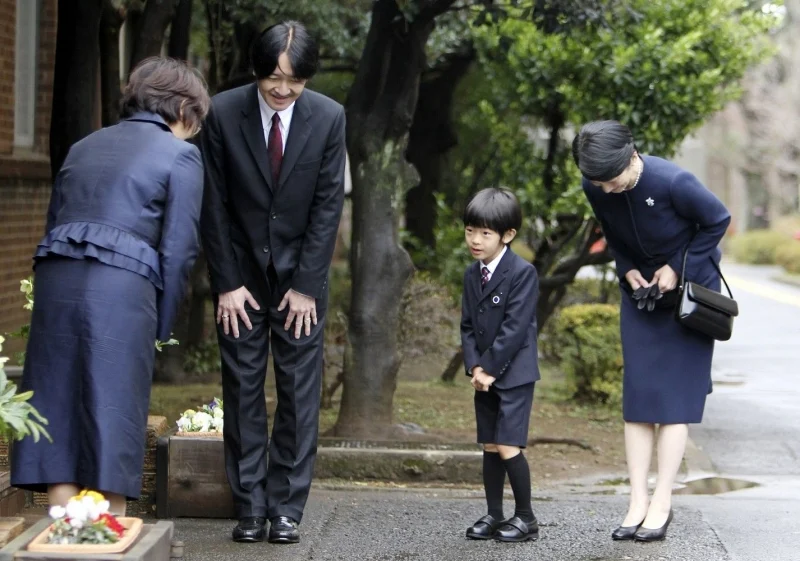
Table of contents
Kon’nichiwa or hello!
Nippon (Japan) – the land of the rising sun welcomes you! Busy cities, quiet prefectures. Cherry blossoms and Mt. Fuji. Clean and pristine streets and bustling city centres. Anime and exquisite scroll paints. Elegance and energy go hand in hand in this fascinating country.
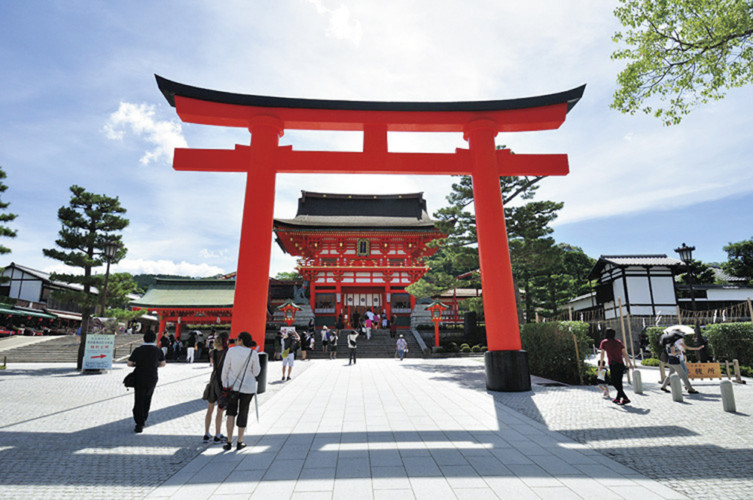
Immerse yourself in the sacred serenity of Mt. Yoshino in the Nara prefecture, the regal grounds of the imperial palace in Tokyo, the ruddy glow of the pillars at the Fushimi Inari-taisha shrine in Kyoto. They all speak of the quiet elegance of Japan.
However, flip the switch and this graceful country reveals its marvellous metropolitan side. Blend into the massive crowds at JR Shinjuku station – the busiest train station in the world. Go shopping at Shibuya and cross one of the busiest pedestrian crossings in the world.
You’ll find that the Japanese are polite and pleasant. However, the same country that prides itself on its traditions, has its own cheerful and charming streak. Ever heard of “kawaii” culture? It’s a celebration of everything cute and adorable. Love Hello Kitty and Pikachu? They’re from Japan, and undoubtedly kawaii. It’s twists and surprises like these, that will keep you on your toes in Japan.
Still, order takes precedence here. So, you’ll find clean, beautiful streets and polite locals, which will make navigating around Japan simple and pleasant. However, the Japanese also have set customs – everything from greeting someone, to the shoes you wear in the house, to how you hold your chopsticks. Although locals will understand that you’re not well-versed in these customs, knowing that they exist and practicing them will be greatly appreciated. So, slip your feet into some comfy shoes, we’re going to navigate the ins and outs of Japanese etiquette!
Suggested Read : Cherry Blossom Festival In Japan Is Something We Bet You Don’t Want To Miss
Bow in respect
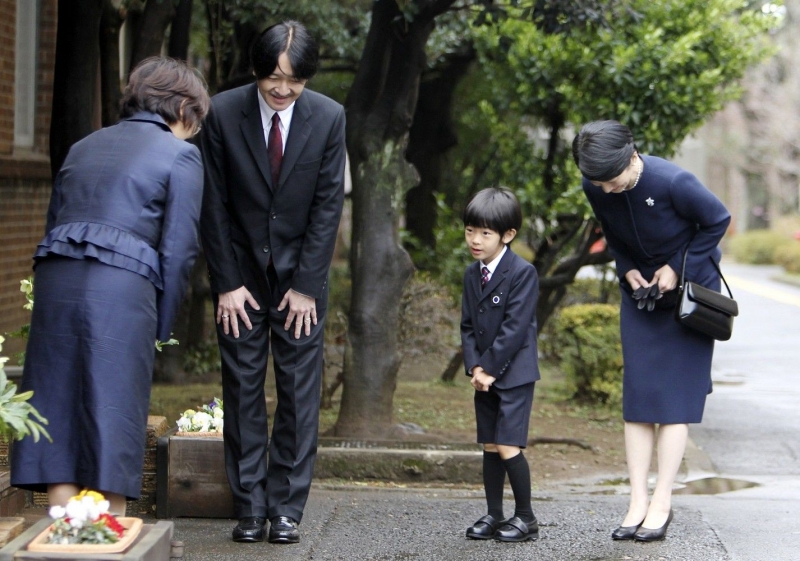
How do you greet people? Hi or hello? A handshake or a hug? Well, things are a little different in Japan. This is one of the most commonly known etiquettes in Japan. Here, when you meet someone, you bow. The difference is the depth and duration of that bow. For people on the street, or tourists simply inclining your head or a slight bow at the waist is sufficient. It can also be a quick 3-second movement. A superior at work or a respected elder, will get a deeper bow of a longer duration. This is entirely dependent on who you meet and are interacting with.
Forms of address
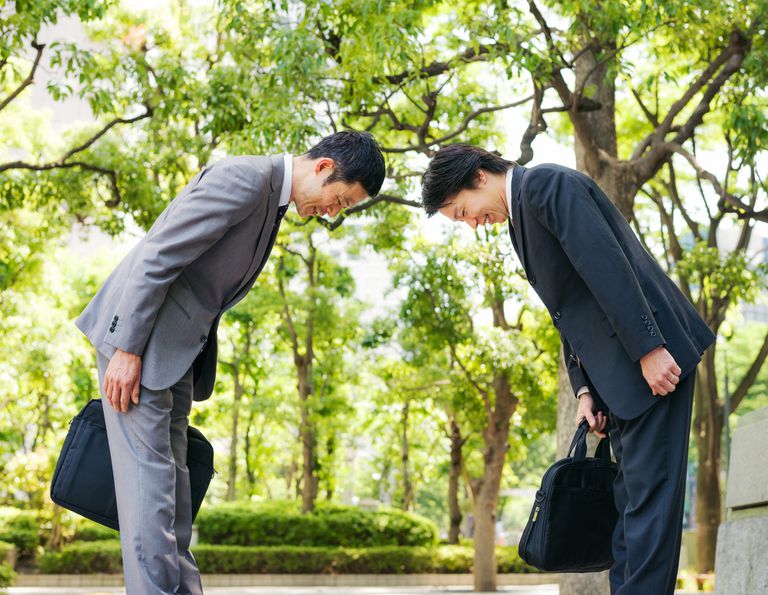
In addition to bowing, there is another custom that the Japanese practice when greeting someone. You will need to attach a suffix (in the context of a name, a suffix is the explanation of a name). If you want to be respectful, attaching a “san” or “sama” at the end of the name would be ideal. This can extend to children as well. You can address young boys with “kun” after their name, and “chan” after a girl’s name.
Chopsticks
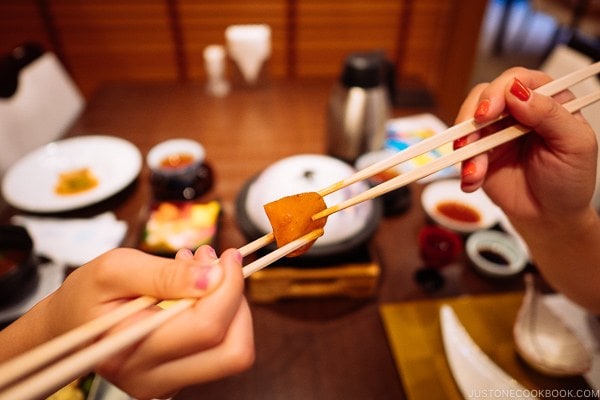
It’s understandable if you’re a little intimidated by chopsticks. There is a particular way of holding them, when you’re in Japan. Most locals will understand if you commit a mistake. However, it will go a long way with them, if you try to hold the right posture. (Try and practice before you leave for your trip.) Here are some rules to follow – always place your chopsticks in a holder when you’re not using them. Sticking them in your bowl is a big no-no, as chopsticks in rice resemble a ceremony performed at funerals. If you’re sharing a dish, take from the top, don’t dig around with your chopsticks. Never lick the end of the chopstick. Never transfer food from chopstick to chopstick – always set it down on the other person’s plate. Do not cross your chopsticks once you’re done – keep them straight in the holder. This seems like a lot, but it can avert a serious table faux pas.
Table Manners, Japanese Etiquette for Food
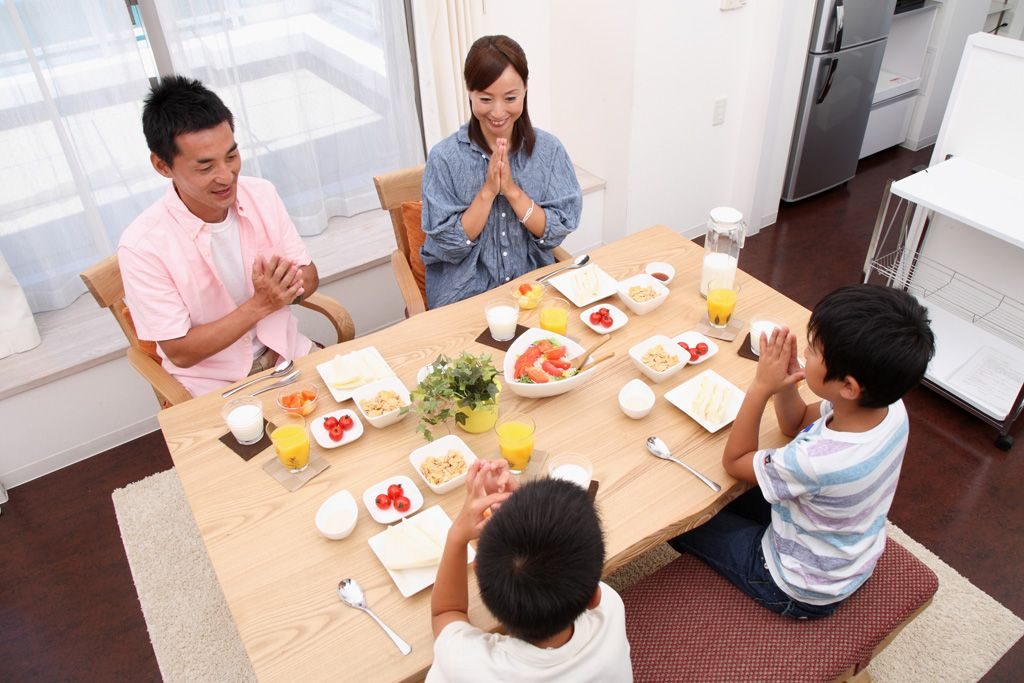
Let us summarise these quickly for you.
As is common in many countries, do not drink first. Once everyone is served, and the speeches are done, then you can start sipping your drink.
Many Japanese restaurants offer a small moist towel to clean your hands before eating. Use it to clean your hands and then fold it and set it aside. Note, this is only for your hands and not for your face.
If you’re worried about slurping, don’t! Slurping up a soupy bowl of noodles is indicative of how much you’re enjoying the dish.
You can bring the bowl closer to your mouth, particularly if you’re eating rice with your chopsticks.
Before you eat, it’s polite to say “itadakimasu”, which roughly translates to “I will receive”. It indicates your gratitude for the food.
Tipping

Think about those frustrating moments after a meal, when all you want to do is digest but you need to figure out a tip. Should you give more? Or less? What a quandary! Luckily, in Japan there is no requirement for tipping. Not to cabbies, or restaurants or for any other personal service. The tip is included in the service charge and to offer a tip is sometimes considered offensive.
Shoes and Homes
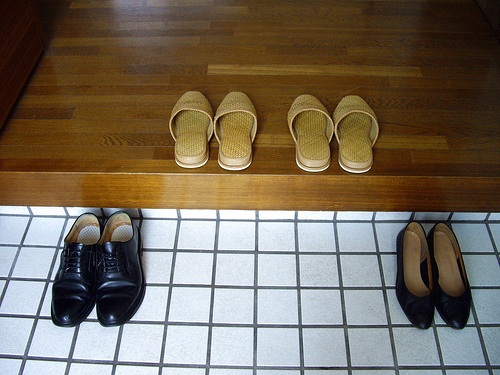
Shoes and homes in Japan have a unique relationship. When you enter a local’s home, custom dictates that you remove your shoes at the entrance. This also applies to businesses and hotels. However, do not worry. You will not need to go barefoot or worry about losing your shoes. Most places have a shoe rack where you can store your shoes. You’ll also be provided (or you’ll need to carry) a set of indoor slippers. There are also a different set of slippers for the bathroom. Make sure you don’t mix outdoor, indoor and bathroom slippers – there’s a time and a place for each. Do note, that when you sit on a traditional tatami mat, you should not wear any slippers. We told you Japan was a clean country, didn’t we?
Masks
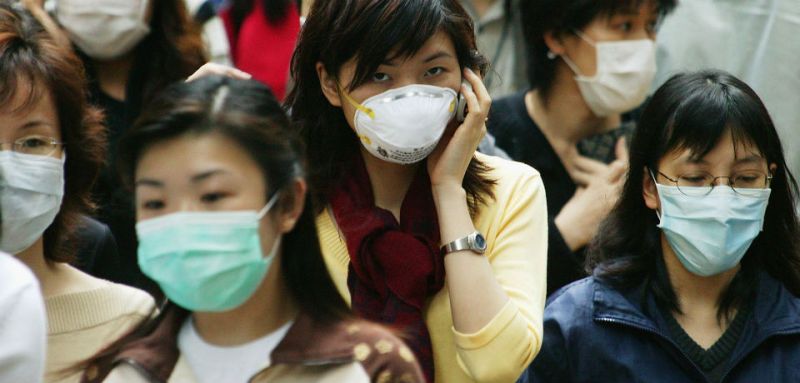
We’ve all seen people wearing masks – usually they’re associated with a viral outbreak. Hold on though! Before you panic, know that many Japanese wear sterilized masks on their way to work, school or in public areas. This is not unusual. It’s a thoughtful gesture on the part of the Japanese – protecting themselves and others from germs. Many locals also wear masks to prevent a slight cold from spreading. Don’t let it stop you, and don’t stare.
Bathing
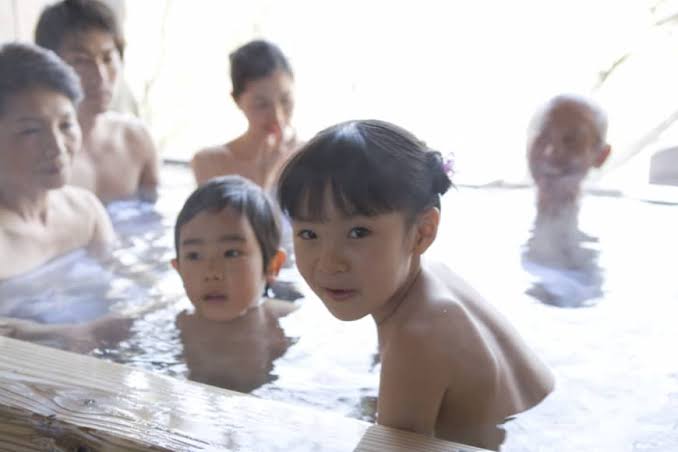
Bathing is a form of bliss in Japan. And why not? Soak your body in clean, hot water at the end of the day and you can feel those troubles melting away. If you can’t do this at home, you can at the many public bathing houses across the country. There are two types – sento and onsen. Sento refers to the public bathhouse, whereas onsen uses the water from a natural hot spring (with a temp higher than 25 degrees). You can store your clothes in the lockers provided outside. However, swimwear is not allowed inside. You, and the other patrons will be naked. You are allowed to walk in covered in a towel, but this cannot enter the water. Carry a small towel so that you can wipe the steam and sweat off your face. The Japanese usually bathe and scrub themselves down before soaking in the hot water. There are areas, with small white stools, reserved for your initial scrub. Keep them clean and remove any trace of soap and shampoo when you’re done. Once you’re done, step into the water and soak. Make sure you’re at least partially dry when you leave. Remember, there’s no rule to do this if you’re uncomfortable. The choice is left to you!
Recommended Read : Happy Honeymooning in Japan
Taxi Doors, Japanese Etiquette for Traveling
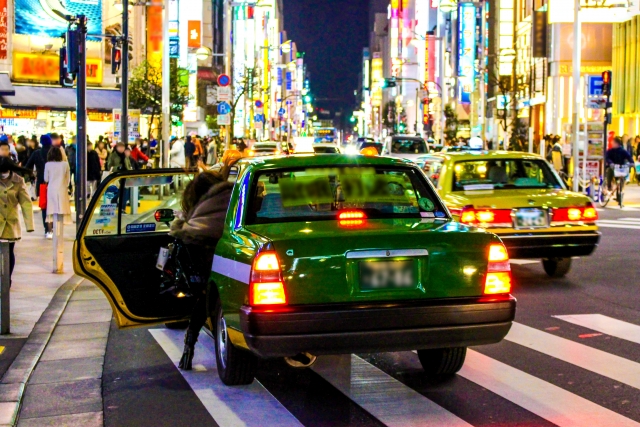
This might be a strange topic but hear us out! This isn’t a custom but in Japan, taxi doors open and shut automatically. Simply wait for it to open, climb into the taxi and it will shut automatically. Convenient right?
Also Read : You simply cannot Miss these Majestic Places to see in Japan
Passing Money
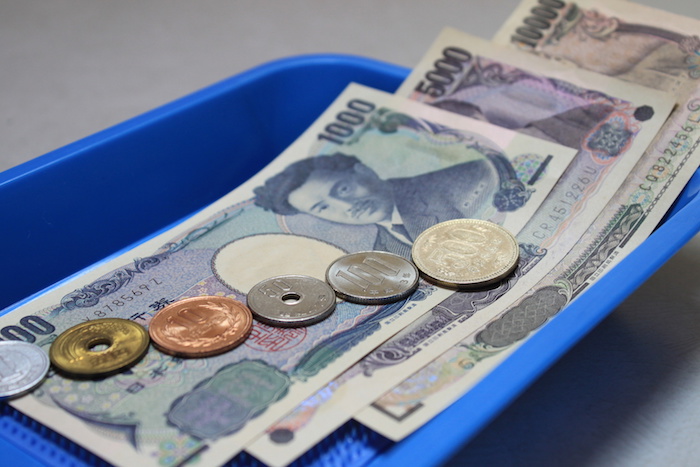
In Japan, money rarely moves from hand to hand. When you’re out shopping, you will place the money (or card) in a small tray on the counter, as opposed to handing it to the cashier. Your change will be placed there as well.
Must Read : 19 Times Shopping in Japan Will Empty Your Pockets
So, there you have it! There are smaller customs that are prevalent in Japanese culture, but you can pick these up as you go. Like we’ve mentioned earlier, locals don’t expect you to be perfect, but will be touched by your attempt to master their customs. More importantly, it gives you an opportunity to truly immerse yourself in a different culture. An opportunity to leave your day-to-day behind, and vacation in the shoes of the other. So, if you’re intrigued, this might be the time to visit the Thomas Cook website, book your trip, hotel, flights, visa and buy all the Japanese Yen you require.
Sayonara and safe travels!
---->
Recommended Articles for you

Cherry Blossom Festival in Japan – The Ultimate Spring Escape
0 0 If there is one country that can consistently surprise you, enchant you and make you feel blessed about life, it has to be Japan. From retaining deep-rooted cultural beliefs to staying ahead in technology and being a pioneer […]

Sakura Cherry Blossom – Witness Japan’s Pink Spring
0 0 Every year, Japan’s gardens, trees and parks turn from a glorious green of jade to the soft pink of a blushing bride. That’s right, the cherry blossoms are ready to bloom, bringing with it the promise of a […]
Places to Visit in India in December
0 0 December marks the beginning of the peak travel season in India. From the North of the country to the South, every region has pleasant weather and clear skies, perfect for sightseeing. After the hot summer and muggy monsoon, […]
12 Best Places To Visit In November In India In 2026
0 0 November is a month of vibrant transitions in India, offering an array of travel experiences from the cool Himalayan foothills to the warm beaches of the south. If you’re planning your travel itinerary for November 2026, India presents […]

What is the average cost of living in Singapore in 2026?
0 0 The Cost of Living in Singapore At A Glance Average monthly budget: A single person may need S$1505 every month excluding accommodation. The rest of the budget depends on lifestyle and location. Biggest expense: Accommodation is the largest […]
Top Universities in Germany for International Students
0 0 Germany universities for international students have been one of the most preferred destinations for many years. Public universities charge little to no tuition fees, offering excellent opportunities for globally valued research and English-taught programs across engineering, business, and […]
RBI Forex Guidelines for Foreign Exchange Transactions in India
0 0 What Do RBI Forex Guidelines Say? FEMA oversees the legal mechanism governing foreign exchange transactions in India. All Indian residents should deal in forex only through RBI-authorised persons and for permitted purposes. Under the Liberalised Remittance Scheme (LRS), […]
Cost of Living Index by Country: Compare Living Expenses Around the World (2026 Guide)
0 0 No two countries charge the same price for everyday life. A coffee that costs $2 in Hanoi can cost $7 in Zurich, and a one-bedroom apartment renting for $300 in Cairo might command $3,000 in Manhattan. These gaps […]
Delhi To Haridwar distance: Best Route, Train Timings & Travel Guide
0 0 Delhi to Haridwar At A Glance Haridwar is an integral religious destination for Hindus. In 2025, 3.4 crore people visited Haridwar, and that number is only expected to be higher at the end of 2026. If you are […]
Delhi to Kedarnath distance: Best Route, Train Timings & Travel Guide
0 0 Delhi to Kedarnath cannot be called a road trip, but it is a journey where the destination is sacred, so every part of the journey becomes a kind of storytelling. Most of the people ask, “Delhi to Kedarnath […]
Jodhpur to Udaipur journey is an ultimate Rajasthan travel journey.
0 0 These two destinations have completely different personalities, but the journey between the two destinations is mesmerising. Imagine yourself waking up to the blue-painted buildings of Jodhpur, covered with mighty forts and surrounded by beautiful desert vibes. And then […]
Kullu to Manali distance: Best Route, Train Timings & Road Trip Guide
0 0 Kullu to Manali At a Glance Kullu and Manali sit in the same valley, so this isn’t really a “journey” in the way Delhi to Manali is; it’s more of a short hop most travellers do on their […]
Everything You Need to Know About Mumbai to Goa Distance
0 0 Mumbai to Goa At a Glance Goa is one of the most happening places in India. It offers nature, partying, waterfalls, trails, water activities, and whatnot. Goa sees millions of tourists every year from all across the globe, […]

Varanasi to Haridwar distance: Best Route, Train Timings & Travel Guide
0 0 Varanasi to Haridwar at a Glance Here are the numbers, before anything else. People do this route mostly for one reason: both cities run a daily Ganga aarti, and pilgrims like pairing them into one circuit. Road: roughly […]
Ride the World’s Longest Cable Car to Hon Thom Island: Your Complete Phu Quoc Travel Guide
0 0 The Hon Thom cable car in Phu Quoc is renowned for its Guinness World Record as the longest sea-crossing cable car. Offering a great view of the Gulf of Thailand, this cable car ride stretches across 7.9 km. […]
Longest Bridge in the World: Where Record-Breaking Engineering Meets Stunning Landscapes
0 0 Ask most people to name the world’s longest bridge, and you’re likely to get a confident answer like the Golden Gate Bridge or the Brooklyn Bridge or some other famous landmark plastered across postcards and movies. But the […]
World’s Largest Waterfall: Experience the Majestic Beauty of Angel Falls Like Never Before
0 0 Angel Falls in Venezuela is the highest waterfall in the world. It is 979 metres high. The falls are in a large forest area called Canaima National Park. Getting there takes time, but the views are amazing. You […]
Visit the Largest Mall in the World: Everything You Need for the Perfect Shopping Trip
0 0 Largest Mall In The World Iran Mall in Tehran, Iran, is the world’s biggest mall by total reported area. The mall is approximately 1.95 million square metres, or 21 million square feet. Note: The discussion of the biggest […]
Top 10 Highest Railway Bridges in the World: Discover the Tallest Train Bridges and Their Incredible Stories
0 0 The world’s highest railway bridges are mostly in China and India. India’s Chenab Bridge is the tallest railway arch bridge at 359 metres, which is even higher than the Eiffel Tower. China’s Najiehe Bridge, at 310 metres, still […]