 Call Us
 18002099100




0 0 Planning your international Dubai Packages? Here are the must see places in Dubai. Must Do Things in Dubai 1. Ride through the sunset on an at the picturesque Dubai creek, and all for just one dirham. Close your eyes […]
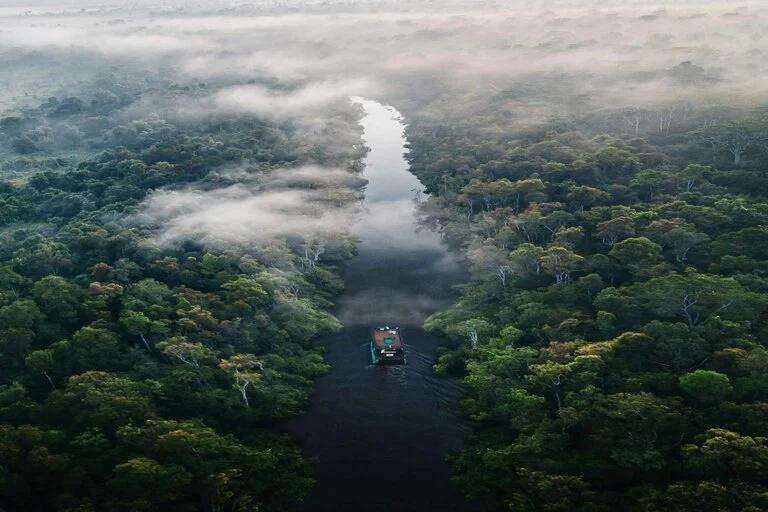
Table of contents
The Amazon has got a bit of everything – wildlife, river trips, jungle hikes, and some real cultural stuff too. Brazil, Peru, or Ecuador are your main entry points, so pick whichever lines up with what you want and how much time you’ve got. Get the timing right; find a tour operator that isn’t sketchy. Pack light but sensibly, and give yourself a few actual days out there. You can’t do the rainforest properly if you’re rushing it.
The Amazon isn’t just another place on the map. It feels massive. You get around by boat, cutting through waterways that twist everywhere, walking under a thick green roof so dense it blocks the sky. If luck’s on your side, you’ll spot everything from bright macaws to beautiful pink river dolphins. But here’s the thing – the Amazon Rainforest isn’t one spot. It sprawls across a bunch of South American countries, and the trip you end up with depends a lot on where you decide to jump in.
Maybe you want to see animals up close. Maybe you want a raw jungle adventure. Or maybe you just want a decent eco-lodge where you can relax without destroying the place. Either way, a bit of planning goes a long way.
The Amazon Rainforest at a Glance
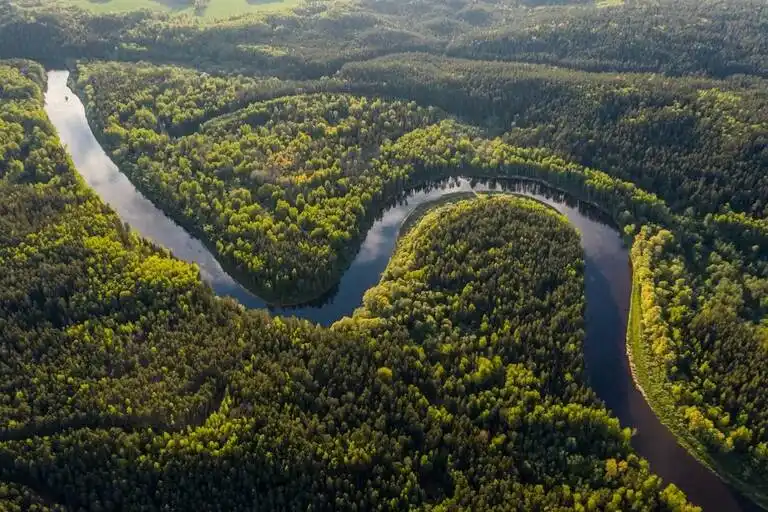
This is the biggest tropical rainforest on the planet, sitting right in the middle of the massive Amazon basin. That basin covers something like 2.7 million square miles, stretching across Brazil, Peru, Ecuador, Colombia, Bolivia, Venezuela, Guyana, Suriname, and French Guiana. It’s also incredibly biodiverse. Thousands upon thousands of plants, birds, fish, reptiles, and mammals live in this region. This indeed is one of the most fascinating Amazon rainforest facts!
Amazon rainforest facts worth knowing
And if the Amazon rainforest facts amaze you, here are some more interesting ones:
Fact | Details |
| Location | South America |
Countries | 8 countries + French Guiana |
| Amazon Basin | Around 2.7 million sq miles |
Known for | Exceptional biodiversity, rivers, and tropical forests |
| Major gateways | Manaus, Iquitos, Puerto Maldonado and Coca |
Why visit the Amazon?
You don’t come here to tick boxes on some sightseeing list. The rainforest is the attraction. You can cruise down giant rivers, paddle through flooded forests in a canoe, hike jungle trails, catch birds at sunrise, and see what the forest turns into after the sun goes down. It’s also great if you want nature mixed with actual culture. Plenty of Amazon rainforest ecotourism tours swing by riverside villages or Indigenous communities, let you try local food, and pair you with guides who actually know the forest inside out.
Amazon Wildlife
Amazon rainforest wildlife is all over the place. Depending on your exact spot, you might run into:
- Pink river dolphins: These guys show up in the rivers and flooded forests pretty regularly
- Jaguars: Good luck. They’re ghosts out here. If you see one, treat it like winning the lottery, not something you paid for
- Sloths and monkeys: Several species hang out in the canopy, and they’re among the easier mammals to spot
- Macaws, toucans, and parrots: Early morning is your best shot for birdwatching
- Caimans: You usually catch these on night boat trips along the riverbanks
- Anacondas and other reptiles: Possible in wetlands and waterways, but don’t hold your breath
- Giant river otters: You’ll find these more in certain protected areas and oxbow lakes
The fish, amphibians, and insects here are also highly diverse. Even a quick jungle stroll can turn into an accidental wildlife spotting session!
The Best Things to Do in the Amazon
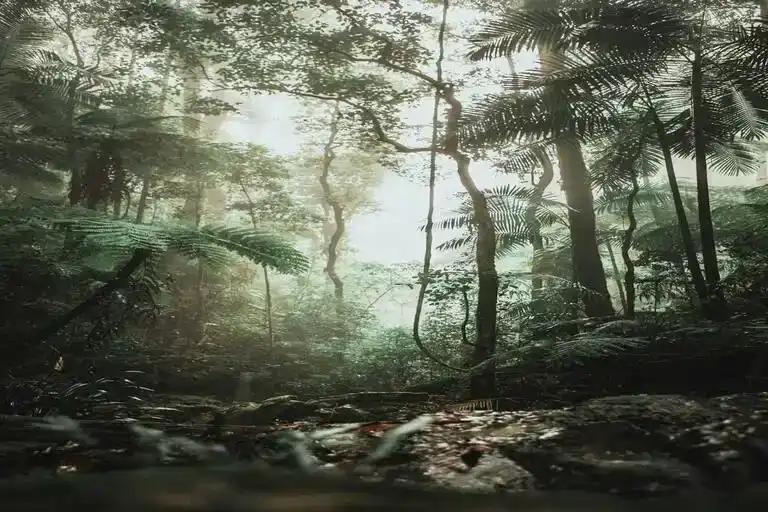
Apart from spotting the Amazon rainforest wildlife, you can also find some other interesting things to do in the Amazon rainforest, such as:
Take a jungle boat trip.
Boating is the easiest way to get around and see stuff. You can explore the Amazon Basin, cruise main rivers, slip down narrow tributaries, and weave through flooded forest channels while keeping an eye out for birds, monkeys, dolphins, and reptiles.
Go on a guided jungle walk.
A naturalist guide will point out the native Amazon rainforest animals and plants you’d probably march right past on your own. Some tours do short walks; longer programs might go through several different trails.
Try a night safari
The forest completely changes once it’s dark. Guided night walks and boat trips let you look for nocturnal birds, frogs, insects, caimans, and whatever else is moving around after hours.
Go birdwatching
If you’re into birds, bring binoculars. Macaws, parrots, toucans, hummingbirds – the list goes on.
Explore by canoe
In areas with lots of flooded forest, canoes can squeeze into waterways that bigger boats can’t touch. This works best when water levels are up.
Experience local Amazonian culture.
Some of the better tours include visits to local or Indigenous communities. You get a real sense of how people actually live along these rivers and how they use what the forest gives them.
What does Amazon rainforest ecotourism look like?
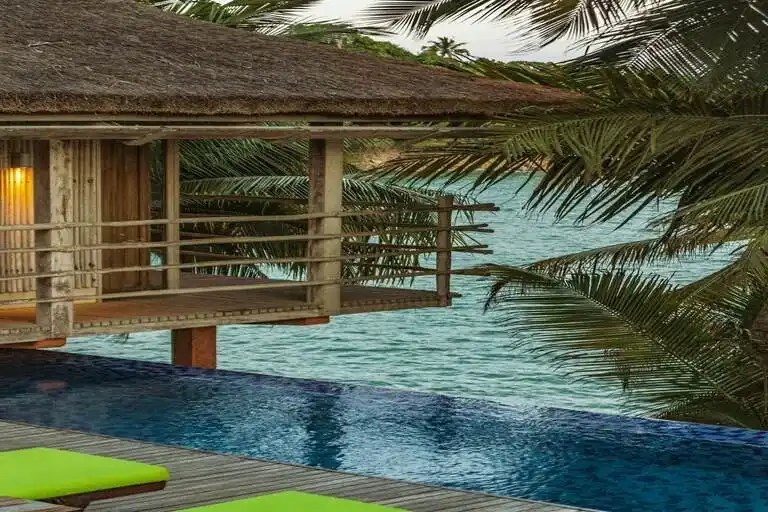
The Amazon rainforest ecotourism scene is very promising. Look for lodges and operators that actually work with local communities, hire local guides, and operate inside protected areas or real conservation programs. Small-group tours, community-based stuff, and eco-lodge stays get you closer to the forest without turning the whole thing into some rushed theme-park ride.
The Brazilian Ministry of Tourism itself pushes wildlife watching, forest trails, boat trips, and community-based tourism as the backbone of nature tourism here.
You can find some interesting Thomas Cook travel packages that take you to this part of the country. Check out the Thomas Cook portal for seamless flight bookings and amazing package deals.
Brazil, Peru or Ecuador: Where Should You Go?
You don’t need to see the whole Amazon. Picking the right gateway changes everything. Here’s a detailed lowdown on the areas in the region:
Brazil: Go for the scale
Brazil holds the biggest chunk of the Amazon by far. Manaus is your main entry point. You can mix jungle lodge stays with river cruises and check out the famous Meeting of the Waters, where the Rio Negro and Solimões run side by side without mixing.
Peru: Go for wildlife and variety
Peru gives you two major ways in. Iquitos is the popular pick for northern Amazon trips, while Puerto Maldonado gets you into areas like Tambopata. Peru is especially handy if you’re already doing the Cusco and Machu Picchu circuit and just want to tack on a few Amazon rainforest days.
Ecuador: Go for convenience
Ecuador’s slice of the Amazon is smaller, but that’s not necessarily bad if you’re short on time. From Quito, you can connect to the eastern Amazon, then continue by road and river to jungle lodges.
How to plan your Amazon trip?
For a first-timer, 3 to 4 nights in the rainforest is usually enough to do several activities without dragging the trip out forever. If wildlife is your main thing, think about 5 to 7 days so you get more chances to actually see all the attractions.
When you’re comparing the Amazon rainforest tours, check what’s actually included in the price. Look for:
- Airport or city transfers
- Boat transfers to the lodge
- Accommodation and meals
- Guided excursions
- Night walks or boat trips
- Park or reserve fees
- Local guides
- Drinking water
What is the cost of an Amazon trip?
Honestly? There’s no straight answer. It swings wildly. Depends on which country you’re heading into, whether your lodge is basic or luxurious, how many nights you’re staying, how you’re getting from the airport to the middle of nowhere, and whether you’re tagging along with a group or doing your own private thing.
Rough numbers, though: if you’re looking at budget or mid-range lodge packages, you’re probably starting somewhere around INR 30,000 to INR 50,000 for a few nights. But if you want the premium stuff? Those high-end jungle lodges or luxury river cruises? Be ready to pay INR 1 lakh or more. International flights are usually on top of that.
Pro tip – Don’t just grab the cheapest Amazon tour you find. Compare what’s included, how good the guides are, where exactly you’ll be, and how much time you’re actually spending inside the forest.
Best Time to Visit the Amazon Rainforest
There’s no magic month that works perfectly across the entire basin. Water levels, rain, and wildlife activity all shift depending on where you are.
Broadly speaking, you’ve got two seasons:
Season | Approx. period | What you can expect |
| Higher water | December–May/June | Flooded forest, easier canoe access, and lush landscapes |
Lower water | June/July–November | More exposed trails and river beaches, often better conditions for some land-based activities |
The best time to visit the Amazon rainforest really comes down to what you want to do. High water opens up flooded forests for canoeing, while low water makes jungle trails and riverbanks easier to get to. Since conditions vary between Brazil, Peru, and Ecuador, look up the seasonal pattern for wherever you’re actually going before you book.
What to pack for the Amazon?
Keep it practical. Don’t overpack. Here’s what you should take with you:
- Lightweight, quick-drying clothes
- Long trousers and long-sleeved shirts
- Comfortable walking shoes
- Sandals or waterproof footwear
- Insect repellent
- Sunscreen and sunglasses
- Hat or cap
- Rain jacket or poncho
- Reusable water bottle
- Binoculars and camera
- A small daypack
Pro tip: Mosquito protection matters, and you should talk to a travel-health professional about vaccinations and malaria prevention well before you leave. What you need depends on exactly where you’re going and what your itinerary looks like.
Final tips for your Amazon adventure
Don’t rush the Amazon. Give yourself enough time to get past the gateway town, pick an operator with a decent reputation, and choose activities that actually match what you’re into. Whether you land in Brazil for those massive rivers, Peru for wildlife-heavy rainforest, or Ecuador for something quick and accessible, this won’t feel like a normal holiday. Get the right base, allow a few days to wander, and let the forest call the shots. That’s when the Amazon starts feeling like a real adventure.
FAQs About the Amazon Rainforest
1. What are five facts about the Amazon Rainforest?
The Amazon is the world’s largest tropical rainforest. It is home to around 10% of all known species on Earth. The Amazon River is the largest in the world by water volume. The rainforest stores billions of tonnes of carbon. Hundreds of Indigenous communities live in the Amazon. Finally, the forest spans 9 countries.
2. Where is the Amazon Rainforest?
The Amazon Rainforest is in the northern part of South America.
3. Why is the Amazon Rainforest important?
The Amazon rainforest is important in maintaining the ecological balance of the world. It also plays a huge role in regulating the water cycle.
4. What animals live in the Amazon Rainforest?
Thousands of species of mammals, reptiles, insects and birds live gloriously in the Amazon rainforest.
5. What is the best time to visit the Amazon Rainforest?
June to September is considered to be the best time to visit the Amazon rainforest.