
Walk Along the Great Wall of China: A Marvel of Defence
Table of contents
Stretching across the vast expanse of northern China, the Great Wall stands as an awe-inspiring testament to human ingenuity, perseverance, and resilience. This colossal fortification, built and rebuilt over centuries, has captured the imagination of travelers and historians alike, becoming an enduring symbol of China’s rich cultural heritage.
Engineering Marvel
The Great Wall of China is a true marvel of ancient engineering, a testament to the ingenuity and determination of its builders. Spanning over 13,000 miles (21,000 kilometers) across treacherous terrain, including mountains, deserts, and grasslands, the wall’s construction posed immense challenges.
To overcome these obstacles, the builders employed a variety of innovative techniques. Granite, limestone, and other locally sourced materials were meticulously quarried and transported to the construction sites. Complex ramp systems and pulley mechanisms facilitated the movement of heavy materials, while advanced masonry techniques ensured the wall’s structural integrity.
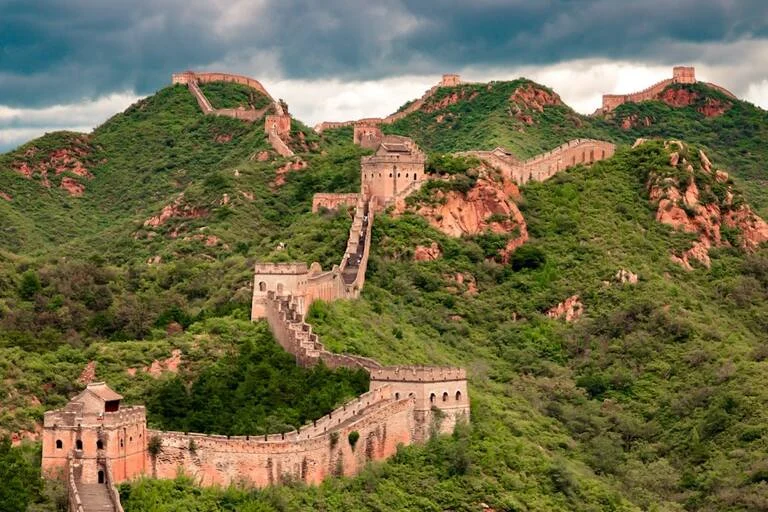
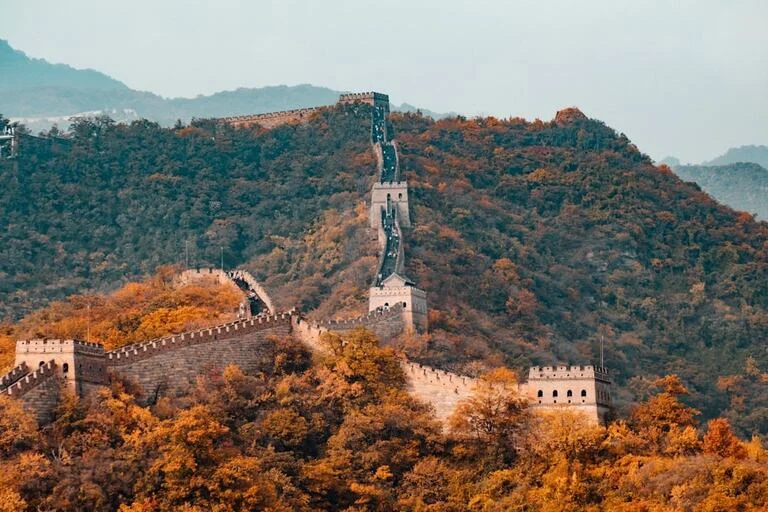
One of the most remarkable engineering feats was the integration of the wall’s defensive structures with the natural landscape. Watchtowers and fortresses were strategically positioned on hilltops and mountain passes, providing unobstructed views and maximizing the wall’s defensive capabilities.
Cultural Significance
Beyond its defensive purpose, the Great Wall of China holds immense cultural significance, representing the resilience, determination, and ingenuity of the Chinese people. It is a powerful symbol of unity, reminding us of the collective effort and sacrifice required to construct such a monumental feat.
The wall’s cultural impact extends to literature, art, and folklore, inspiring countless works celebrating its grandeur and historical significance. Poets and writers have woven tales of the wall’s construction, the lives of its builders, and the battles fought along its length, capturing the essence of this iconic structure.
History of the Great Wall of China

The Great Wall of China
The Great Wall of China is an engineering marvel with a rich and fascinating history spanning over two millennia. This colossal fortification, stretching across the vast expanse of northern China, has witnessed the rise and fall of dynasties, the clash of civilizations, and the unwavering determination of a people to protect their homeland.
Origins and Early Construction

Early Construction of Great Wall of China
The history behind the Great Wall can be traced back to the 3rd century BC, during the reign of the first emperor of the Qin Dynasty, Qin Shi Huang. Driven by the desire to protect his empire from invasions by nomadic tribes from the north, Qin Shi Huang ordered the construction of a series of defensive walls and fortifications. This initial structure, however, was merely the foundation upon which subsequent dynasties would build and expand.
The Han Dynasty (206 BC–220 AD) continued the construction and reinforcement of the wall, extending it further westward and incorporating advanced defensive features such as watchtowers and signal fires. The Han period saw the wall’s transformation from a series of disconnected fortifications into a more cohesive and formidable defensive system.
The Sui Dynasty (581 – 618 AD) undertook significant repairs and renovations to the wall, strengthening its defences and improving communication along its length. However, it was the Ming Dynasty (1368–1644) that oversaw the most extensive and ambitious phase of construction, transforming the Great Wall into the awe-inspiring structure we know today.
Read More :The Only Guide You Need to Know the Best Time to Visit China
The Ming Dynasty’s Contribution
The Ming Dynasty, facing constant threats from nomadic groups such as the Mongols and the Manchus, recognised the strategic importance of a robust defensive system. Under the leadership of Emperor Yongle, a massive reconstruction and fortification project was initiated in 1404.
This period saw the incorporation of advanced defensive features, including watchtowers, fortresses, and intricate gatehouses, all designed to enhance the wall’s defensive capabilities and facilitate communication and supply lines. The construction employed innovative techniques, including using locally sourced materials like granite and limestone and implementing advanced masonry and engineering methods.
The Ming Dynasty’s contribution to the Great Wall extended beyond its physical construction. They also established a system of garrisons and patrols, ensuring a constant military presence along the wall’s length. This defensive strategy and the wall’s formidable fortifications played a crucial role in deterring and repelling invaders for centuries.
Decline and Restoration

Restoration of Great wall of china
Despite its imposing presence, the Great Wall could not withstand the relentless march of time and the changing political landscape. After the fall of the Ming Dynasty in 1644, the wall fell into a state of neglect and disrepair, with sections crumbling and succumbing to the ravages of nature.
It wasn’t until the 20th century that efforts were made to restore and preserve this iconic structure. In the 1980s, the Chinese government launched a comprehensive restoration project, utilising both traditional techniques and modern technologies to repair and reinforce wall sections.
Modern-day Legacy
Today, the Great Wall of China stands as one of the most iconic and recognizable landmarks globally, attracting millions of visitors each year. UNESCO designated it a World Heritage Site in 1987, acknowledging its outstanding universal value and the need for its protection and preservation.
Efforts are underway to conserve and restore sections of the wall that have succumbed to the ravages of time and natural elements. These restoration projects use advanced technologies and traditional techniques to ensure that future generations can experience the grandeur of this engineering marvel and appreciate the rich cultural heritage it represents.
Beyond its historical and cultural significance, the Great Wall of China serves as a powerful reminder of humanity’s capacity for perseverance, ingenuity, and cooperation. It stands as a testament to the enduring spirit of the Chinese people and their resilience in the face of adversity, inspiring awe and wonder in all who gaze upon its majestic form.
Interesting Info about The Great Wall of China

Info about The Great Wall of China
Here are ten interesting facts about the Great Wall of China:
- Length: The Great Wall of China is an astonishing 13,170 miles (21,196 kilometres) long, making it one of the longest man-made structures in the world.
- Construction Materials: It is estimated that over 300 million cubic metres of materials, including stone, brick, and rammed earth, were used in the construction of the Great Wall.
- Visibility from Space: Contrary to popular belief, the Great Wall of China is not visible to the naked eye from space or the moon. However, it can be seen from low-earth orbit and some high-resolution satellite images.
- Defensive Features: The Great Wall was fortified with numerous defensive features, including watchtowers, fortresses, and gatehouses, designed to protect against invaders and facilitate communication along the wall.
- Labour Force: Hundreds of thousands of workers, including soldiers, peasants, and prisoners, were involved in the construction of the Great Wall over various dynasties.
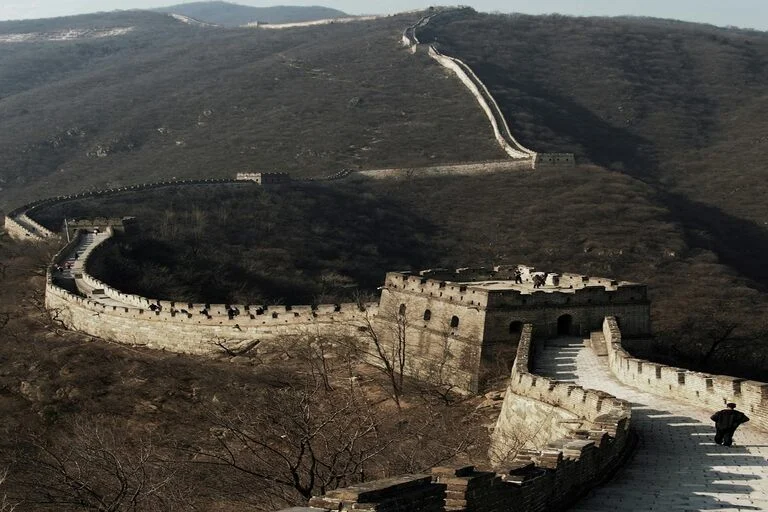
- Badaling Section: The Badaling section of the Great Wall, located near Beijing, is one of the most visited and best-preserved sections, featuring impressive gatehouses and intricate carvings.
- Cultural Significance: The Great Wall is not only a defensive structure but also a symbol of Chinese culture, represented in art, literature, and folklore, reflecting the resilience and determination of the Chinese people.
- Preservation Efforts: In 1987, the Great Wall of China was designated a UNESCO World Heritage Site, recognising its outstanding universal value and the need for its protection and preservation.
- Challenging Terrain: The Great Wall was built across diverse and challenging terrains, including mountains, deserts, and grasslands, showcasing the ingenuity and perseverance of its builders.
- Myths and Legends: Over the centuries, numerous myths and legends have surrounded the Great Wall, including tales of ghosts, hidden treasures, and the wall’s construction using the bones of deceased workers.
These fascinating facts highlight the incredible engineering marvel that is the Great Wall of China, its historical and cultural significance, and the enduring legacy it holds as a testament to human ingenuity and determination.
Read More : Wonder If You Know All About The 7 Wonders Of The World
The Importance of the Great Wall of China
The Great Wall of China is undoubtedly one of the most remarkable and iconic structures in human history, and its importance extends far beyond its primary defensive purpose. This colossal fortification, stretching across the vast expanse of northern China, holds immense cultural, historical, and symbolic significance that has transcended time and geographical boundaries.
1. Defensive Fortification
The primary purpose behind the construction of the Great Wall was to protect the Chinese Empire from invasions by nomadic tribes from the north. Throughout its long history, the wall served as a formidable defensive system, deterring and repelling countless invaders, thus safeguarding the sovereignty and territorial integrity of China. Its strategic placement, fortified watchtowers, and intricate gatehouses allowed for effective surveillance, communication, and deployment of troops, making it an invaluable military asset for centuries.
2. Engineering Marvel
The Great Wall stands as a testament to the ingenuity and perseverance of its builders. Its construction across treacherous terrains, including mountains, deserts, and grasslands, posed immense challenges that were overcome through innovative engineering techniques and the sheer determination of the workforce. Using locally sourced materials, advanced masonry methods, and integrating the wall’s defensive structures with the natural landscape showcased the remarkable engineering skills of ancient Chinese civilisations.
3. Cultural Symbol
Beyond its defensive purpose, the Great Wall has become an enduring symbol of Chinese culture and national identity. It represents the resilience, unity, and determination of the Chinese people, who overcame countless obstacles to construct this monumental feat. The wall has been celebrated in art, literature, and folklore, reflecting its deep-rooted cultural significance and the pride of the Chinese nation.
4. Historical Significance
The Great Wall of China is a physical manifestation of the country’s rich history, spanning over two millennia. Its construction and expansion were undertaken by various dynasties, each leaving its mark on this iconic structure. The wall bears witness to the rise and fall of empires, the clashes of civilisations, and the enduring spirit of the Chinese people in the face of adversity, making it an invaluable historical treasure.
5. Tourism and Economic Impact
In the modern era, the Great Wall of China has become a major tourist attraction, drawing millions of visitors from around the world each year. Its iconic status and stunning landscapes have symbolised China’s allure, contributing significantly to the country’s tourism industry and economic growth. The preservation and restoration efforts undertaken by the Chinese government not only safeguard this cultural heritage but also promote sustainable tourism and generate revenue for local communities.
6. Environmental Conservation
The Great Wall of China’s vast expanse traverses’ diverse ecosystems, including mountains, forests, and deserts, making it an important component of China’s environmental conservation efforts. The preservation and protection of the wall and its surrounding landscapes contribute to the conservation of biodiversity, ecosystems, and natural resources, ensuring a harmonious balance between human culture and the natural environment.
The Great Wall of China is a true marvel of human achievement, standing as a powerful reminder of our capacity for perseverance, ingenuity, and cooperation. Its importance extends beyond its physical presence, transcending time and geography to become an enduring symbol of cultural heritage, national pride, and the indomitable spirit of humanity.
Location of the Great Wall of China

Location of the Great Wall of China
The Great Wall of China is a colossal fortification that winds its way across the northern part of the country, stretching from Shanhaiguan on the Bohai Gulf to Jiayuguan in the Gobi Desert. This iconic structure covers a vast area, traversing diverse landscapes, including rugged mountains, arid deserts, and lush grasslands.
It spans multiple provinces, including Hebei, Beijing, Tianjin, Shanxi, Inner Mongolia, Ningxia, Shaanxi, and Gansu. The wall’s strategic location was carefully planned to protect the ancient Chinese empires from invasions by nomadic groups from the northern steppes, acting as a formidable defensive barrier and a symbol of the country’s resilience and ingenuity.
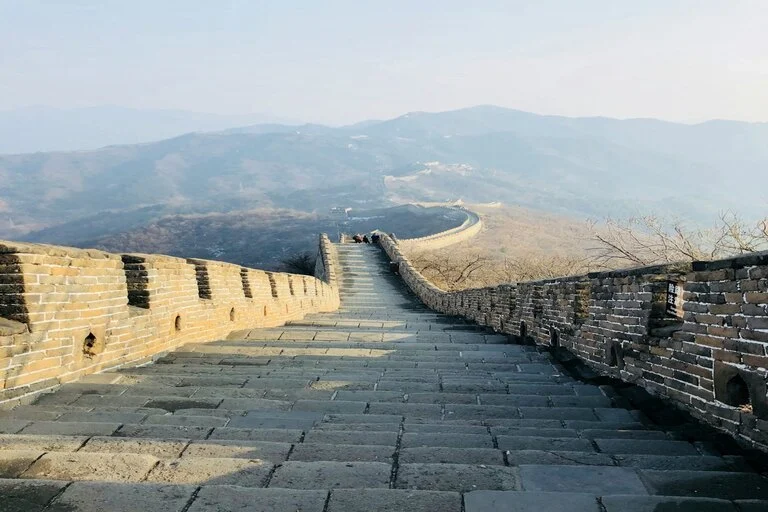
Visiting the Great Wall of China is an experience that leaves an indelible mark on the soul. As you stand atop this ancient wonder, gazing out over the undulating fortifications that stretch as far as the eye can see, you cannot help but be awestruck by the sheer magnitude of human achievement.
Visiting the Great Wall is not merely a tourist experience but a pilgrimage, a journey into the heart of human ingenuity and perseverance. It reminds us of our capacity to overcome seemingly insurmountable challenges, to forge unity in the face of adversity, and to create something truly remarkable that transcends time and geography.
Embark on an Odyssey Along the Great Wall of China with Thomas Cook. For centuries, the Great Wall of China has stood as an enduring symbol of human ingenuity, resilience, and the indomitable spirit of the Chinese people. Now, it’s your turn to experience the grandeur of this architectural wonder. Answer the call of adventure and let Thomas Cook be your guide on this unforgettable odyssey with exciting China tour packages.
Table of contents
Places to Visit in Kerala this Summer – Offbeat Summer Destinations 2026
Places to Visit in Andaman for Honeymoon
Invigorating and Exciting Things to Do in Ladakh
20 Hippie Cities and Places Around the World
Top 10 Hottest Places on Earth with Extreme Temperatures
Recommended Articles for you
Best Places to Visit in May in India – 2026 Guide for Summer Travel
2 0 May 2026 is a great time to plan a summer holiday in India, especially if you want to escape the heat. Popular destinations include Leh-Ladakh for mountain views and adventure, Srinagar and Gulmarg for green valleys, Manali and […]
Places to Visit in Kerala this Summer – Offbeat Summer Destinations 2026
1 0 Most people think Kerala in summer is humid, crowded, and just not good, but that is not true. Kerala is one of the most exciting places to visit in summer, as it offers many lesser-known places that are […]
Places to Visit in Andaman for Honeymoon
0 0 Travelling to Andaman is like walking into a fairyland. These majestic islands welcome travellers from every walk of life. The lovely vibes and gorgeous views make it a perfect place for couples to plan their honeymoon. Turquoise blue […]
6 Best Places for Scuba Diving in Andaman
0 0 Andaman, the Land of Beauty is the best place for the ones who wish to pump up their adrenaline. Some just like to plunge into the waves, hit and play with them. You can enjoy watching and swimming […]
Ultimate Guide to Solo Backpacking Trip to Andaman
0 0 Andaman Island is all about white sand beaches, crystal clear waters and blue skies. It is a perfect getaway to unwind, spend some quality time with loved ones or self-introspect. Andaman Island is like a gold mine for […]
Invigorating and Exciting Things to Do in Ladakh
0 0 Think of Ladakh and you’ll be dreaming of the pristine blue skies, the motorcycle ride, monasteries and perhaps the movie ‘Three Idiots’. Known for its breathtaking landscapes and a culture that is remarkable, Ladakh is more than just […]
Top 10 Biggest Festivals in the World You Must Experience
5 1 In a world rich with diverse cultures and traditions, festivals are vibrant expressions of human celebration, spirituality, and community. From ancient rites to modern spectacles, these gatherings bring people together to honour history, commemorate shared values, and revel […]
12 Best Places to Visit in June Outside India for a Perfect Summer Holiday
1 0 June is a fantastic month to set off on new adventures, with the world coming alive with pleasant weather, vibrant festivals, and fewer crowds before the peak holiday season. Whether you’re drawn to the cooling breezes of the […]
20 Hippie Cities and Places Around the World
0 0 The 60s surely marked the beginning of the hippie culture. It was the time when people with a free soul wandered around the world without any attachment. Slowly, in this journey, they met one another and formed a […]
Top 10 Hottest Places on Earth with Extreme Temperatures
0 0 The United States border in the west stretching from Canada to Mexico is a fun 30-hour road trip filled with great sceneries, beautiful beaches and awe-inspiring coastal towns that will make you want to take your time and […]
15 Best August Travel Destinations Outside India for 2026
3 0 As August approaches, many travellers seek destinations that offer a change of pace from the usual summer heat. Whether you’re escaping the warm Indian climate or looking to experience unique cultural events, August presents the perfect opportunity for […]
The Unsolved Mysteries of Mount Kailash and Mansarovar Lake Explained
0 0 In the remote Tibet Autonomous Region, Mount Kailash and Lake Mansarovar are among the most enigmatic and sacred places on Earth. Towering at 6,714 meters (22,028 feet), Mount Kailash, also known as Kailash Parvat, is revered by four […]
Top 10 Destinations for an International Summer Holiday
0 0 This summer, don’t just Google for the top destinations for an international summer holiday but pack your bags and leave for one. It’s time you pack your bags and leave to a far-off place that does not offer […]
6 Budget Friendly Places to Visit in May Outside India
2 1 Travelling outside India doesn’t have to be expensive! With a bit of planning, you can explore incredible international destinations on a budget while still enjoying unique cultural experiences and stunning landscapes. From the ancient temples of Southeast Asia […]
50 Best Places to Visit in the World – Top Travel Destinations
1 0 Traveling is our way to seek beauty, understand culture and feast our soul on the richness of diverse landscapes. Each travel destination in the world is a journey through these enriching factors that gives a true meaning to […]
Famous Temples in Rameshwaram and Nearby Spiritual Sites
0 0 [table id=184 responsive=scroll /] Among the big list of Places to Visit in Tamil Nadu, Rameshwaram stands out for being one of the greatest pilgrimage sites. One of the char dhams in India, Rameshwaram is an island city resting in […]
Honeymoon in Kerala: A Beginning of Endless Love
0 0 Golden beaches, green waters, lush greenery, coconuts and wafts of delectable curries; Kerala offers all this and lots more. Kerala has been a thriving place for tourism and more than that a place where honeymooners find peace and […]
Munnar: A Piece of Heaven on Earth, in God’s Own Country
0 0 With the summer approaching, most of us must have begun the process of running away to the mountains, experience the blissful chills, winds of the hills and find an escape from the scorching sun. The obvious choice that […]
Everything You Need To Know About Houseboats in Kerala Backwaters
0 0 When God’s Own Country beckons, never say no. Kerala takes the crown for the exceptional natural beauty that surrounds it. The houseboats in Kerala peppered across the backwaters are unique and exciting attractions for many around the world. […]
6 Most Exuberant Places to Visit in Kerala
0 0 [table id=42 responsive=scroll/] Kerala, also historically prominent as Keralam is is one of the most beautiful states of India. It is located on the Malabar Coast of Southern India. Whenever you come across a traveller who has wandered […]
Call Us
18002099100