 Call Us
 18002099100



0 0 There is a particular kind of silence that falls over you the first time the sky turns green above your head. It is not something a screen can prepare you for. That unforgettable moment is what makes Northern […]
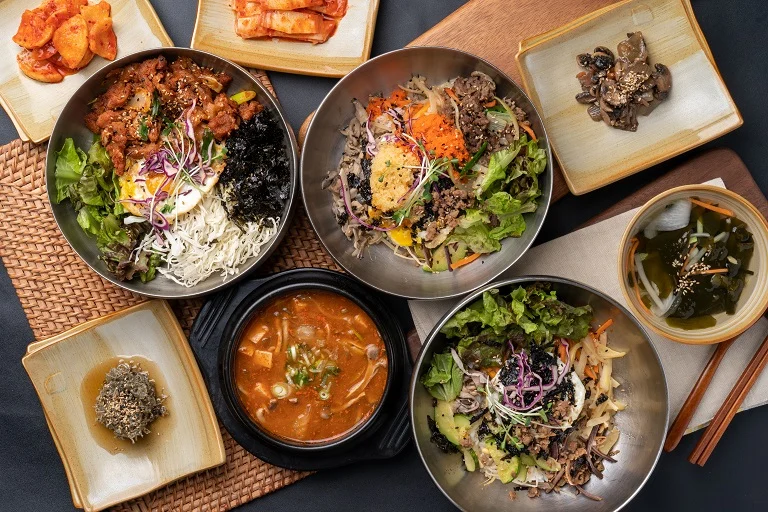
Table of contents
South Korea’s food scene is something you don’t just eat, you experience. Rooted in centuries-old farming traditions, Korean food culture is built around balance, colour, and seasonality. A typical meal, called a bapsang, brings together rice, soup, and several small side dishes, all served at once. It may look simple at first, but every element has a role, from fermented flavours like kimchi to fresh vegetables that change with the season.
What makes Korean food stand out today is how easily it blends tradition with modern trends. Thanks to K-dramas, K-pop, and social media, Korean food has become globally popular, but the real charm lies in trying it locally. If you’re planning a trip, be ready for shared meals, bold flavours, and a strong focus on health. South Korea’s famous food suits curious travellers who enjoy trying new textures and don’t mind a bit of spice.
Most Iconic Korean Dishes to Try
Here are a few iconic Korean cuisines you need to try:
1. Kimchi – The staple fermented dish, part of every meal
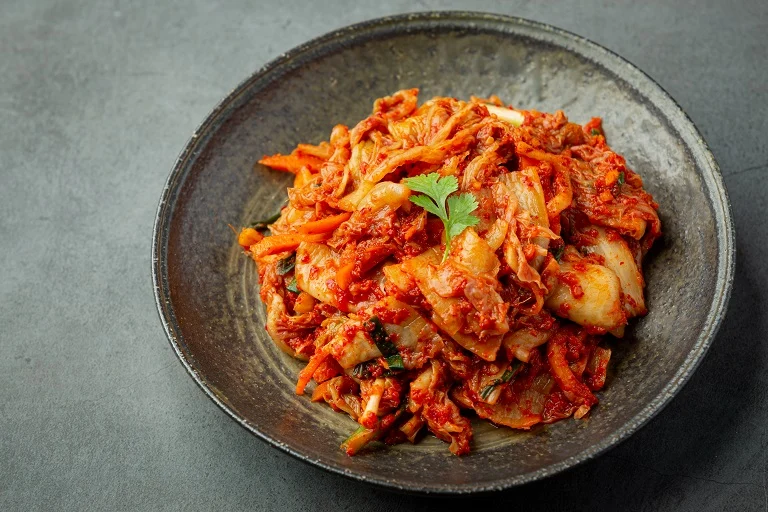
Since kimchi is served with practically every Korean cuisine, if you were to try just one dish, it would probably be kimchi. The pungent, acidic, somewhat spicy flavour of this fermented meal, which is typically cooked with cabbage or radish, grows on you. It is an essential component of Korean cuisine and demonstrates the nation’s passion for seasonal, preserved food. Small quantities of kimchi will be offered with everything from rice to BBQ when you sit down to eat. Try cooking it in recipes like kimchi fried rice, or start with a milder variety if you’re new to it. It is ideal for those who like strong flavours and are interested in regional customs.
2. Bibimbap – The mixed rice with vegetables & meat
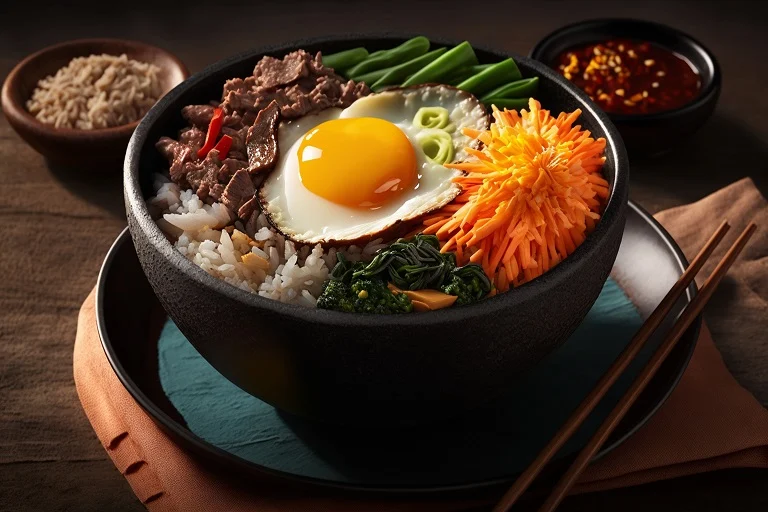
As it combines everything into one bowl, bibimbap is one of the simplest ways to comprehend South Korea’s famous food. Vegetables, meat, eggs, and a dollop of hot gochujang sauce are placed on top of the rice. Mixing it yourself before eating is the fun part. The rice at the bottom becomes crispy and adds a wonderful texture if you get the stone bowl version. If you want a well-balanced lunch without worrying too much about what to order, this is ideal. For lone travellers or anyone searching for something substantial but not overly heavy, this is a great option.
3. Bulgogi – The marinated grilled meat
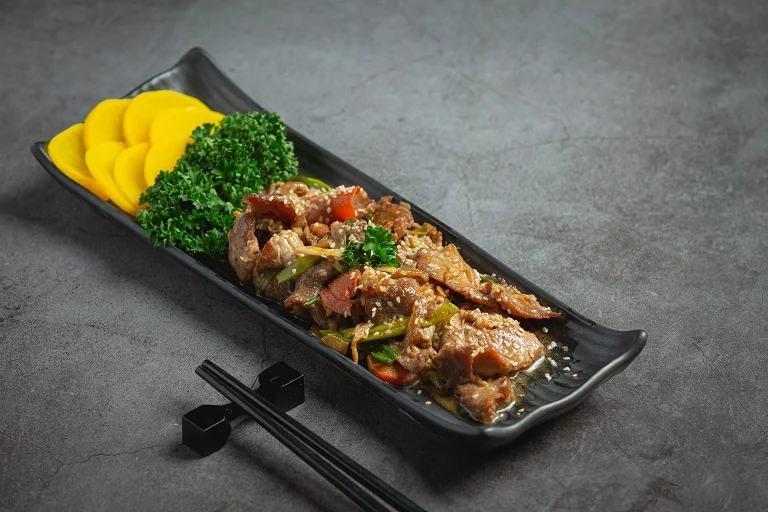
Thin beef slices marinated in a mixture of soy sauce, garlic, sesame oil, and a touch of sweetness are called bulgogi, which translates to “fire meat.” After that, it is stir-fried or grilled. This is a fun and safe place to start if you’re not sure about spicy food. Soft and flavorful, the meat is frequently served with lettuce leaves so you can wrap it in sauces or garlic. It is often served as part of a set dinner at restaurants, allowing you to sample many sides as well. For first-time tourists looking for something familiar but authentically Korean, it is perfect.
4. Tteokbokki – The iconic spicy street food snack
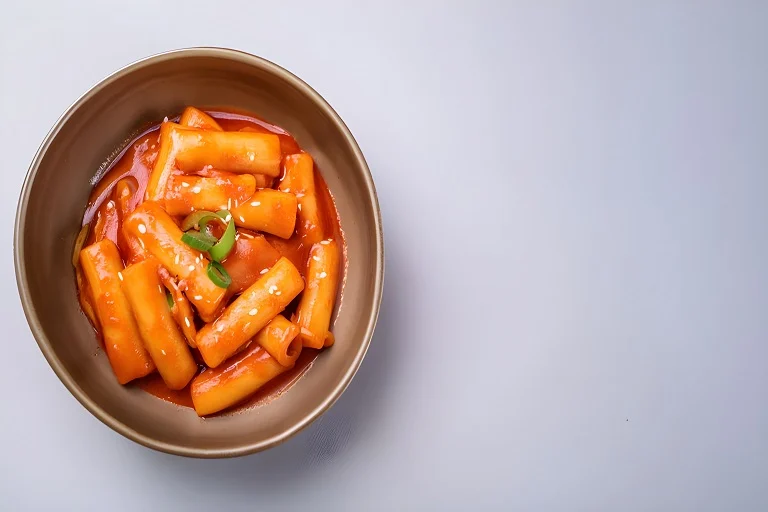
Tteokbokki is clearly identifiable in crowded street markets, particularly at night. These chewy rice cakes are prepared in a rich, sweet, and spicy red chilli sauce. It’s one of those foods you pick up on the go, particularly in places like night markets or close to retail avenues. Ask for a less spicy version or share a portion if you’re not used to spiciness. Travellers who appreciate street cuisine experiences and don’t mind trying something a little different in texture will find it most appealing.
5. Samgyeopsal – The ultimate Korean BBQ experience
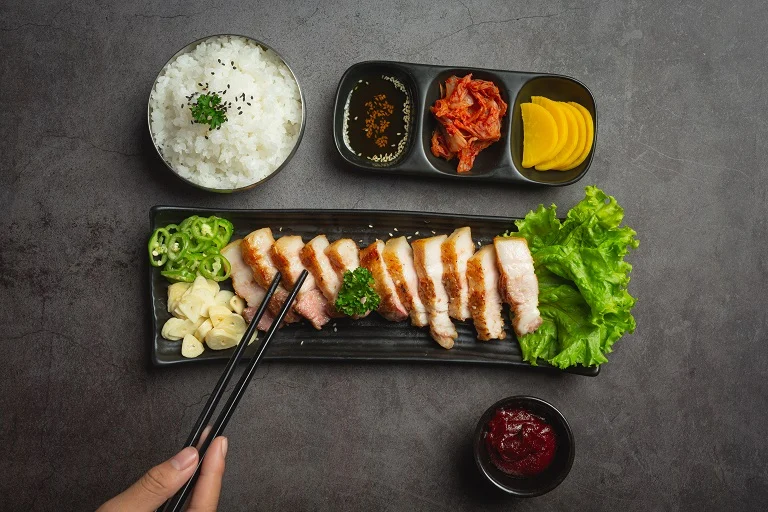
Samgyeopsal is an experience rather than merely a meal. Thick slices of pig belly are grilled right at your table, and you prepare them yourself. When the meat is finished, it is wrapped in lettuce with sauces, garlic, and occasionally kimchi. It’s a lot of fun, social, and a little messy. For the complete experience, try it with friends or a group in the evening when eateries are bustling. Remember that meals are typically meant to be shared, so unless you discover a restaurant that welcomes singles, it might not be the best option if you are dining alone.
Together, these dishes provide you with a comprehensive understanding of Korean cuisine, from participatory meals to fermented staples. When choosing what to eat first, start with something simple like bulgogi or bibimbap, then gradually experiment with stronger flavours like kimchi and tteokbokki. But Korean food isn’t just about what you eat, it’s also about how you eat it.
Korean Food Culture & Dining Experience
Here are a few Korean food culture and dining etiquette and experiences you should definitely know about before diving headfirst into cultural cuisine exploration:
1. Banchan: More than just side dishes
- The assortment of little dishes on the table is one of the first things you will notice about Korean cuisine. We refer to these as banchan.
- These are free and refillable in the majority of restaurants. If you like something, don’t be afraid to ask for more.
- They should be consumed with your main meal, not as an appetiser. Consider stir-fried foods, pickled veggies, kimchi, and more.
- A helpful piece of advice is to try a little of each dish rather than devouring it all at once. Balance, not quantity, is the key.
2. Communal dining & sharing food
- It is rare to dine alone here. Dishes are typically arranged in the middle for everyone to share, even at restaurants.
- Order a variety of dishes rather than separate meals if you are travelling with others. It improves the flavour of Korean food.
- People are frequently seen sharing a pot of stew or cooking together at the table.
- Travellers who are travelling alone can still enjoy this, but it helps to choose smaller restaurants or establishments that provide single portions.
3. Street food culture vs restaurants
- When you are browsing marketplaces or retail areas, street food is quick, inexpensive, and ideal. Stalls are most vibrant in the evenings.
- In contrast, restaurants are slower and more engaging. Meals can be prolonged, particularly when sharing stews or grilling meat.
- While strolling around, you can sample treats like sweet pancakes, fish cakes, or spicy rice cakes.
- A straightforward strategy: combine the two. For short eats, use street food; for a real sit-down experience, use restaurants.
4. Importance of fermentation (kimchi, sauces)
- Fermentation has a significant role in Korean food culture. This began as a means of preserving food during difficult times.
- These meals are renowned for being beneficial to digestion in addition to their flavour.
- The fermentation of staples like kimchi, soybean paste, and chilli paste gives food its rich, multilayered flavour.
- If you are unsure, try the cooked versions of these components first, then move on to the stronger ones.
5. Food etiquette basics
- Don’t start eating until the oldest member at the table has done so. It demonstrates respect.
- Because sticking chopsticks upright in rice has cultural connotations associated with ceremonies, avoid doing so.
- For side dishes, use chopsticks; for rice or soup, use a spoon. Don’t hold them both together.
- Avoid using chopsticks that have been in your mouth on shared plates when sharing meals.
- When someone pours you a drink, take it with both hands. Although it is a modest gesture, it is valued.
Korean Cuisine: Where tradition meets modern trends
The food culture from Korea was never about what you eat; it was always about how you experience it. Thanks to the popularity of K-dramas and K-pop, it has finally come to the forefront of it all. Nowadays, due to the popularity, you can experience this wonderful notion from almost anywhere in the world. So whether you’re visiting Korea and exploring it for the first time, or trying it closer to home, if you are someone who enjoys diversity and can handle a little bit of heat, then K-food will be right up your alley.
---->
Recommended Articles for you

Cherry Blossom Festival in Japan – The Ultimate Spring Escape
0 0 If there is one country that can consistently surprise you, enchant you and make you feel blessed about life, it has to be Japan. From retaining deep-rooted cultural beliefs to staying ahead in technology and being a pioneer […]

Sakura Cherry Blossom – Witness Japan’s Pink Spring
0 0 Every year, Japan’s gardens, trees and parks turn from a glorious green of jade to the soft pink of a blushing bride. That’s right, the cherry blossoms are ready to bloom, bringing with it the promise of a […]

Places to Visit in India in December
0 0 December marks the beginning of the peak travel season in India. From the North of the country to the South, every region has pleasant weather and clear skies, perfect for sightseeing. After the hot summer and muggy monsoon, […]
12 Best Places To Visit In November In India In 2026
0 0 November is a month of vibrant transitions in India, offering an array of travel experiences from the cool Himalayan foothills to the warm beaches of the south. If you’re planning your travel itinerary for November 2026, India presents […]

What is the average cost of living in Singapore in 2026?
0 0 The Cost of Living in Singapore At A Glance Average monthly budget: A single person may need S$1505 every month excluding accommodation. The rest of the budget depends on lifestyle and location. Biggest expense: Accommodation is the largest […]
Top Universities in Germany for International Students
0 0 Germany universities for international students have been one of the most preferred destinations for many years. Public universities charge little to no tuition fees, offering excellent opportunities for globally valued research and English-taught programs across engineering, business, and […]
RBI Forex Guidelines for Foreign Exchange Transactions in India
0 0 What Do RBI Forex Guidelines Say? FEMA oversees the legal mechanism governing foreign exchange transactions in India. All Indian residents should deal in forex only through RBI-authorised persons and for permitted purposes. Under the Liberalised Remittance Scheme (LRS), […]
Cost of Living Index by Country: Compare Living Expenses Around the World (2026 Guide)
0 0 No two countries charge the same price for everyday life. A coffee that costs $2 in Hanoi can cost $7 in Zurich, and a one-bedroom apartment renting for $300 in Cairo might command $3,000 in Manhattan. These gaps […]
Delhi To Haridwar distance: Best Route, Train Timings & Travel Guide
0 0 Delhi to Haridwar At A Glance Haridwar is an integral religious destination for Hindus. In 2025, 3.4 crore people visited Haridwar, and that number is only expected to be higher at the end of 2026. If you are […]
Delhi to Kedarnath distance: Best Route, Train Timings & Travel Guide
0 0 Delhi to Kedarnath cannot be called a road trip, but it is a journey where the destination is sacred, so every part of the journey becomes a kind of storytelling. Most of the people ask, “Delhi to Kedarnath […]
Jodhpur to Udaipur journey is an ultimate Rajasthan travel journey.
0 0 These two destinations have completely different personalities, but the journey between the two destinations is mesmerising. Imagine yourself waking up to the blue-painted buildings of Jodhpur, covered with mighty forts and surrounded by beautiful desert vibes. And then […]
Kullu to Manali distance: Best Route, Train Timings & Road Trip Guide
0 0 Kullu to Manali At a Glance Kullu and Manali sit in the same valley, so this isn’t really a “journey” in the way Delhi to Manali is; it’s more of a short hop most travellers do on their […]
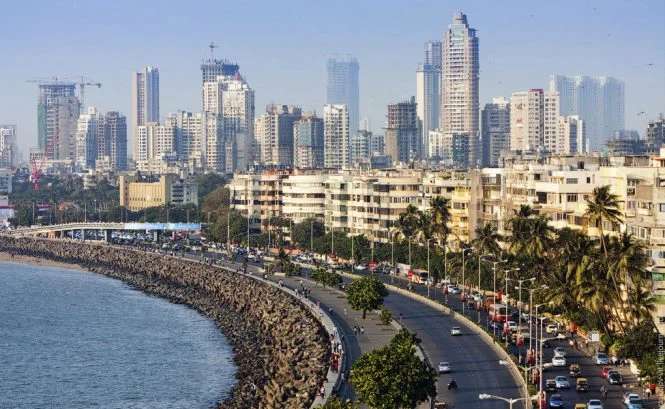
Everything You Need to Know About Mumbai to Goa Distance
0 0 Mumbai to Goa At a Glance Goa is one of the most happening places in India. It offers nature, partying, waterfalls, trails, water activities, and whatnot. Goa sees millions of tourists every year from all across the globe, […]

Varanasi to Haridwar distance: Best Route, Train Timings & Travel Guide
0 0 Varanasi to Haridwar at a Glance Here are the numbers, before anything else. People do this route mostly for one reason: both cities run a daily Ganga aarti, and pilgrims like pairing them into one circuit. Road: roughly […]
Ride the World’s Longest Cable Car to Hon Thom Island: Your Complete Phu Quoc Travel Guide
0 0 The Hon Thom cable car in Phu Quoc is renowned for its Guinness World Record as the longest sea-crossing cable car. Offering a great view of the Gulf of Thailand, this cable car ride stretches across 7.9 km. […]
Longest Bridge in the World: Where Record-Breaking Engineering Meets Stunning Landscapes
0 0 Ask most people to name the world’s longest bridge, and you’re likely to get a confident answer like the Golden Gate Bridge or the Brooklyn Bridge or some other famous landmark plastered across postcards and movies. But the […]
World’s Largest Waterfall: Experience the Majestic Beauty of Angel Falls Like Never Before
0 0 Angel Falls in Venezuela is the highest waterfall in the world. It is 979 metres high. The falls are in a large forest area called Canaima National Park. Getting there takes time, but the views are amazing. You […]
Visit the Largest Mall in the World: Everything You Need for the Perfect Shopping Trip
0 0 Largest Mall In The World Iran Mall in Tehran, Iran, is the world’s biggest mall by total reported area. The mall is approximately 1.95 million square metres, or 21 million square feet. Note: The discussion of the biggest […]
Top 10 Highest Railway Bridges in the World: Discover the Tallest Train Bridges and Their Incredible Stories
0 0 The world’s highest railway bridges are mostly in China and India. India’s Chenab Bridge is the tallest railway arch bridge at 359 metres, which is even higher than the Eiffel Tower. China’s Najiehe Bridge, at 310 metres, still […]