 Call Us
 18002099100



0 0 There is a particular kind of silence that falls over you the first time the sky turns green above your head. It is not something a screen can prepare you for. That unforgettable moment is what makes Northern […]
Table of contents
In 2026, travelling is about feeling safe, appreciated, and truly at peace wherever you go, not merely crossing places off a list. Safety is becoming the most crucial consideration when making travel decisions as the world’s travel industry recovers, thanks to improved infrastructure and digital-first systems. Travellers today prioritise peace of mind over scenic beauty and actively investigate the safest countries in the world 2026 before making travel plans.
However, what does safety actually mean? It is much more than just low crime rates. Political stability, effective public services, dependable healthcare systems, and well-maintained infrastructure all contribute to a nation’s reputation. You start to understand why some places routinely score as the safest countries for travel when you combine that with responsive emergency services, inclusive social environments, and transparent governance.
It’s interesting to note that modern safety also encompasses clean urban planning, digital security, and the ease with which visitors can use payment, transportation, and communication services. Because of these changing criteria, the definition of the safest place in the world is dynamic and always changing to meet contemporary demands.
There is more to this guide than just rankings. It examines not just the safest locations but also the unseen elements that set them apart for tourists looking for comfort, self-assurance, and a higher standard of living.
Safest Countries in the World 2026
Rankings alone do not provide an accurate picture of the safest countries in the world. How these countries create mechanisms that make daily life—and travel—easy and safe is what really counts. The locations listed here consistently rank among the safest places to travel, both in terms of statistics and overall impression.
Iceland
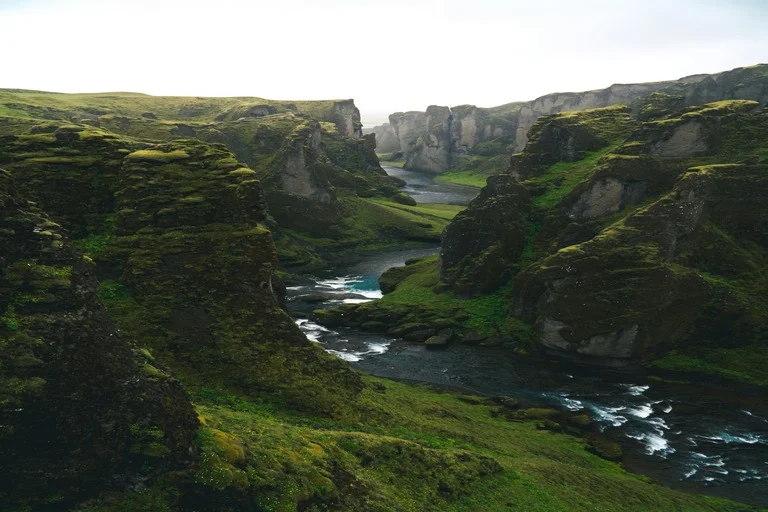
Iceland’s safety is strongly ingrained in its culture and is frequently considered the top safest country in the world. Communities rely heavily on trust; there is no military, and police seldom carry guns. It is one of the best for lone travellers because of its small population, which makes its crisis response mechanisms extremely effective.
- There is very little policing and no standing army, but crime is almost nonexistent.
- Because they have such a high level of trust, locals frequently leave their automobiles running when they momentarily step outside.
- Trained volunteers from all throughout the nation are part of emergency response teams.
- The real wow factor: it’s rather common for parents to sit inside cafés while their infants are left outside in strollers.
Iceland ranks among the safest countries in the world thanks to its exceptional social trust.
New Zealand
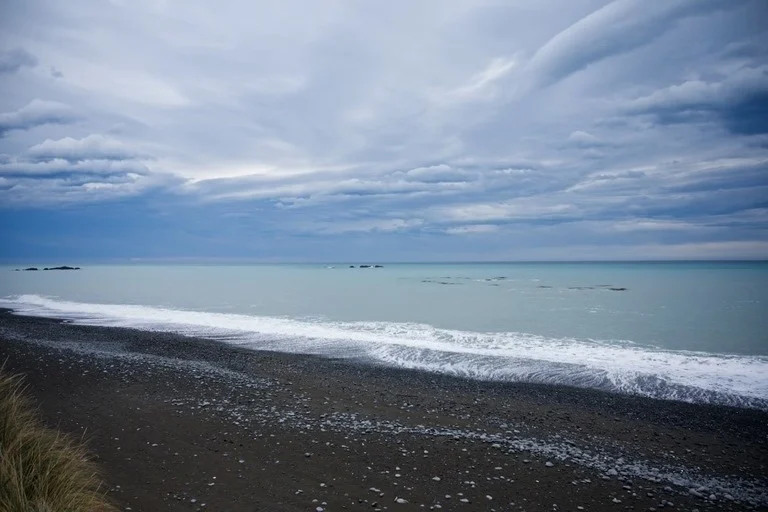
New Zealand combines independence and safety. Its emergency preparedness measures are among the most sophisticated in the world, guaranteeing passengers’ safety even in isolated areas. The nation consistently contends for the title of top safest country in the world due to its transparent governance.
- The world’s capital of adventure, yet among the safest.
- Trekkers are never really lost because of GPS-monitored trekking routes.
- Infrastructure prepared for earthquakes makes even catastrophes tolerable.
- Rare insight: farmers leave gates open with honesty boxes for payments – no supervision needed.
For thrill-seekers, it stands out as one of the safest places to travel.
Switzerland
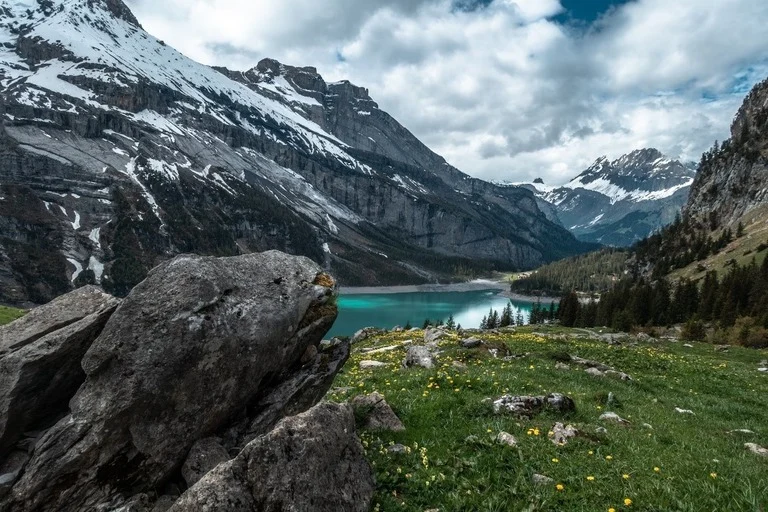
Switzerland is designed for precision living in addition to being safe. Every element improves security, from timely transportation to rigorous civic discipline. Even travelling late at night feels entirely natural in one of the safest countries in the world.
- Trains operate with military precision, with delays measured in seconds.
- Because of societal discipline, even isolated settlements are safe without CCTV.
- Incorporated into infrastructure, public shelters serve as emergency bunkers.
- Lost wallets are often shipped back with cash intact, which is a hidden treasure.
It is one of the best safest countries in the world as a result of its efficiency.
Singapore
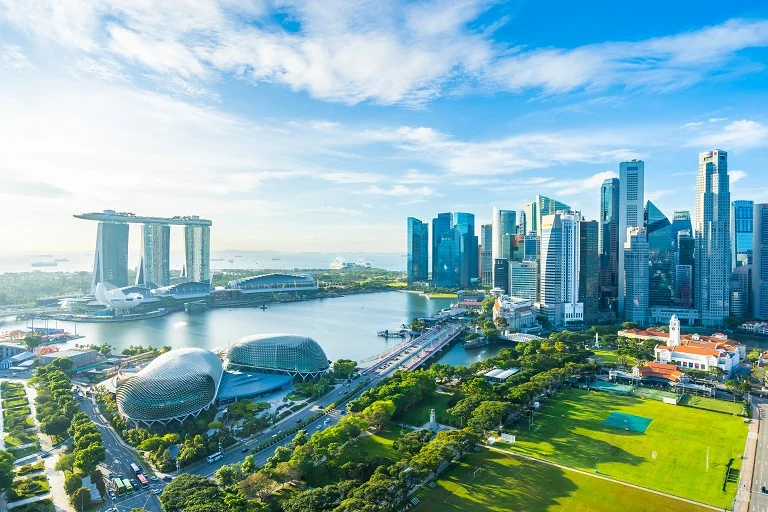
The safety of Singapore is deliberate. Impeccable urban design, strict legislation, and real-time surveillance all contribute to an almost crime-free society. For urban tourists looking for regularity and organisation, it is generally mentioned as the safest place in the world.
- Laws are quite effective, but they are also very rigid.
- AI-enabled surveillance systems keep an eye on the streets.
- At all times, public transport is immaculate, on time, and quite safe.
- Unknown fact: They have some of the fastest emergency response times in the world.
For urban adventurers, it is one of the safest places to travel.
Japan
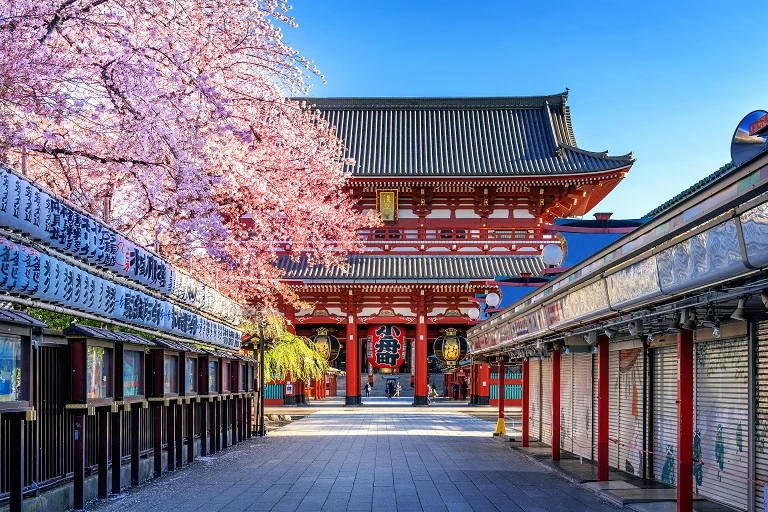
Respect and discipline are the foundation of Japanese safety. Public procedures work perfectly, and lost goods are frequently restored. It is one of the safest countries in the world due to its cultural emphasis on accountability.
- The success rate for returning misplaced things is almost ideal.
- From an early age, children commute alone.
- Order and quiet in public lessen strife and mayhem.
- Train employees bow to passengers—respect is cultural. This is a unique element.
Japan is one of the safest countries in the world as a result of this discipline.
Canada
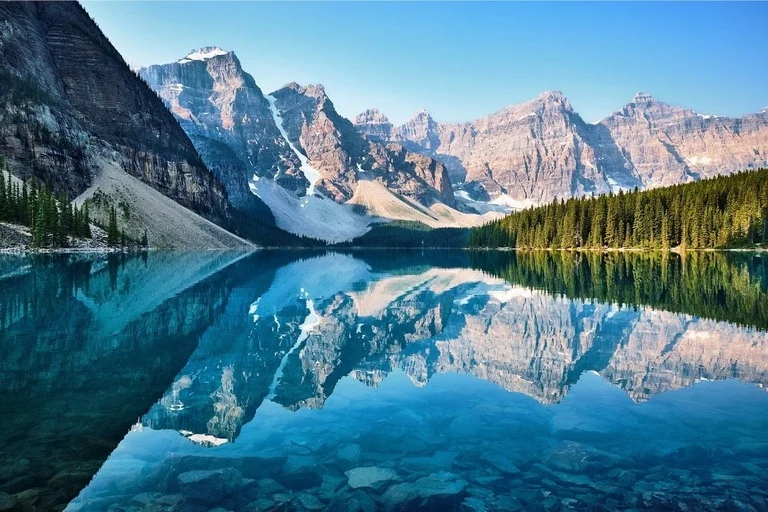
Canada is unique in that it is inclusive. Emergency services are quick to respond, and cities are made to be friendly and walkable. It is one of the safest places to travel, particularly for first-time foreign visitors and families.
- Cities with a diverse population foster harmony and inclusivity.
- Police are not authority-driven, but rather community-focused.
- For the safety of visitors, nature parks are kept up to date and monitored.
- Unusual realisation: public libraries serve as secure communal havens.
For extended stays, it is one of the safest places in world.
Why Are These Countries Safe?
These locations are safe because of robust systems, careful planning, and a people-first mentality. Because of their low crime rates and welcoming surroundings, these countries consistently rank among the safe travel destinations.
Low Crime Rates & Strong Law Enforcement
The fact that there is little crime and effective law enforcement is one of the main factors contributing to their safety. Instead of concentrating on response, authorities prioritise prevention.
- Modern surveillance systems keep an eye on public areas.
- Prompt emergency response guarantees prompt assistance.
- Clear legal frameworks foster public confidence.
As a result, there is less crime, and people feel safe even in unfamiliar places.
Welcoming Environment for Travellers
Laws are only one aspect of safety; visitors’ treatment is another. These nations have a very friendly environment.
- Locals who are amiable and eager to assist
- Clear signage and infrastructure that is welcoming to tourists
- Multilingual assistance in large cities
This facilitates navigation and lessens the anxiety associated with travelling to a new location.
High Quality of Life & Stability
These places are also referred to as high quality of life countries, where general living standards are closely linked to safety.
- Organised urban planning and clean cities
- Dependable medical systems
- Robust social support networks
When taken as a whole, these elements produce a setting where safety feels organic rather than imposed. With the knowledge that every system in their environment is built to safeguard and assist them, travellers are free to explore.
These countries are remarkable not only because they are among the safest in the world, but also because safety permeates every aspect of daily life, making travel easy, safe, and genuinely pleasurable.
FAQs About Safest Countries in the World
1. Are these countries safe for solo female travellers?
Of course. The majority of the places on the list are renowned for their courteous social behaviour, robust public safety systems, and gender equality. Finland, Iceland, and Japan are frequently cited as some of the world’s safest destinations for women travelling alone.
2. Which factors should I personally check before choosing a safe destination?
Go beyond rankings. Examine local legislation, language accessibility, public transportation dependability, and healthcare availability. Choosing the top safest country in the world is frequently less important than these practical considerations.
3. Are safe countries always expensive to travel to?
Not always. Budget-friendly solutions are available at many high-ranking places; however, others are more expensive. Finding the safest place in the world is only one aspect of safety; processes and governance are more important.
---->
Recommended Articles for you

Cherry Blossom Festival in Japan – The Ultimate Spring Escape
0 0 If there is one country that can consistently surprise you, enchant you and make you feel blessed about life, it has to be Japan. From retaining deep-rooted cultural beliefs to staying ahead in technology and being a pioneer […]

Sakura Cherry Blossom – Witness Japan’s Pink Spring
0 0 Every year, Japan’s gardens, trees and parks turn from a glorious green of jade to the soft pink of a blushing bride. That’s right, the cherry blossoms are ready to bloom, bringing with it the promise of a […]

Places to Visit in India in December
0 0 December marks the beginning of the peak travel season in India. From the North of the country to the South, every region has pleasant weather and clear skies, perfect for sightseeing. After the hot summer and muggy monsoon, […]
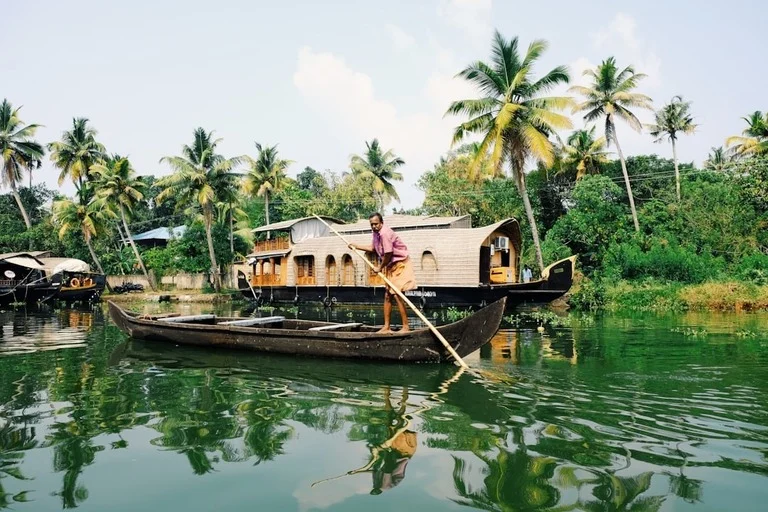
12 Best Places To Visit In November In India In 2026
0 0 November is a month of vibrant transitions in India, offering an array of travel experiences from the cool Himalayan foothills to the warm beaches of the south. If you’re planning your travel itinerary for November 2026, India presents […]

What is the average cost of living in Singapore in 2026?
0 0 The Cost of Living in Singapore At A Glance Average monthly budget: A single person may need S$1505 every month excluding accommodation. The rest of the budget depends on lifestyle and location. Biggest expense: Accommodation is the largest […]
Top Universities in Germany for International Students
0 0 Germany universities for international students have been one of the most preferred destinations for many years. Public universities charge little to no tuition fees, offering excellent opportunities for globally valued research and English-taught programs across engineering, business, and […]
RBI Forex Guidelines for Foreign Exchange Transactions in India
0 0 What Do RBI Forex Guidelines Say? FEMA oversees the legal mechanism governing foreign exchange transactions in India. All Indian residents should deal in forex only through RBI-authorised persons and for permitted purposes. Under the Liberalised Remittance Scheme (LRS), […]
Cost of Living Index by Country: Compare Living Expenses Around the World (2026 Guide)
0 0 No two countries charge the same price for everyday life. A coffee that costs $2 in Hanoi can cost $7 in Zurich, and a one-bedroom apartment renting for $300 in Cairo might command $3,000 in Manhattan. These gaps […]
Delhi To Haridwar distance: Best Route, Train Timings & Travel Guide
0 0 Delhi to Haridwar At A Glance Haridwar is an integral religious destination for Hindus. In 2025, 3.4 crore people visited Haridwar, and that number is only expected to be higher at the end of 2026. If you are […]
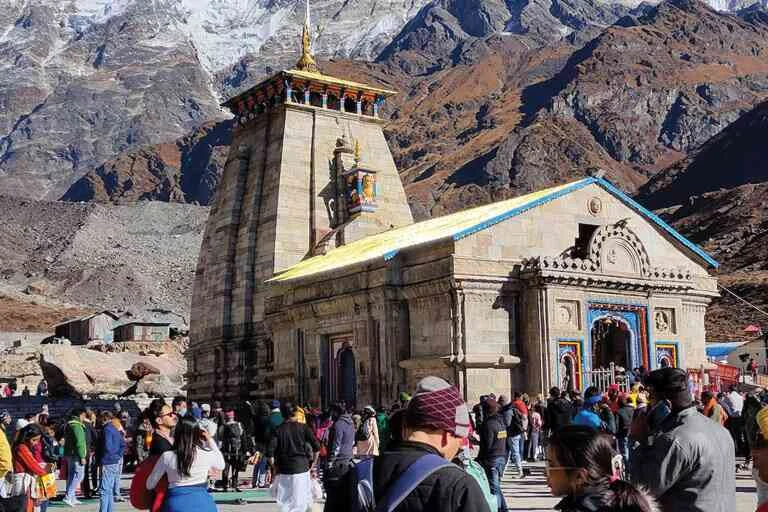
Delhi to Kedarnath distance: Best Route, Train Timings & Travel Guide
0 0 Delhi to Kedarnath cannot be called a road trip, but it is a journey where the destination is sacred, so every part of the journey becomes a kind of storytelling. Most of the people ask, “Delhi to Kedarnath […]
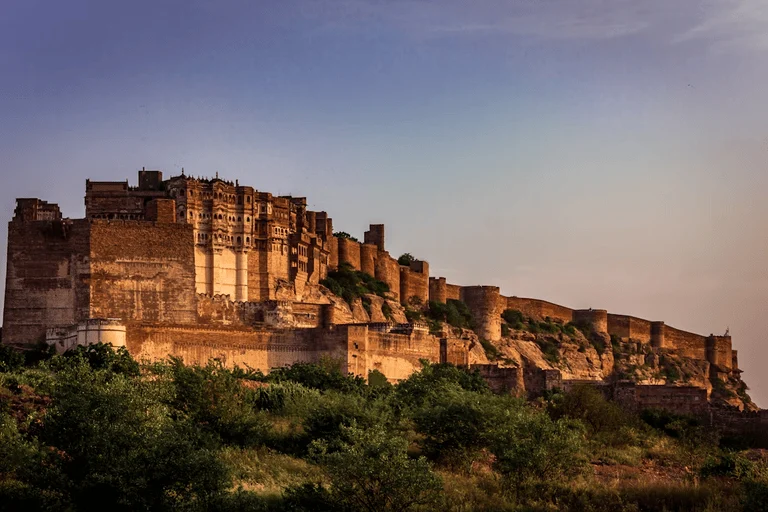
Jodhpur to Udaipur journey is an ultimate Rajasthan travel journey.
0 0 These two destinations have completely different personalities, but the journey between the two destinations is mesmerising. Imagine yourself waking up to the blue-painted buildings of Jodhpur, covered with mighty forts and surrounded by beautiful desert vibes. And then […]
Kullu to Manali distance: Best Route, Train Timings & Road Trip Guide
0 0 Kullu to Manali At a Glance Kullu and Manali sit in the same valley, so this isn’t really a “journey” in the way Delhi to Manali is; it’s more of a short hop most travellers do on their […]
Everything You Need to Know About Mumbai to Goa Distance
0 0 Mumbai to Goa At a Glance Goa is one of the most happening places in India. It offers nature, partying, waterfalls, trails, water activities, and whatnot. Goa sees millions of tourists every year from all across the globe, […]

Varanasi to Haridwar distance: Best Route, Train Timings & Travel Guide
0 0 Varanasi to Haridwar at a Glance Here are the numbers, before anything else. People do this route mostly for one reason: both cities run a daily Ganga aarti, and pilgrims like pairing them into one circuit. Road: roughly […]
Ride the World’s Longest Cable Car to Hon Thom Island: Your Complete Phu Quoc Travel Guide
0 0 The Hon Thom cable car in Phu Quoc is renowned for its Guinness World Record as the longest sea-crossing cable car. Offering a great view of the Gulf of Thailand, this cable car ride stretches across 7.9 km. […]
Longest Bridge in the World: Where Record-Breaking Engineering Meets Stunning Landscapes
0 0 Ask most people to name the world’s longest bridge, and you’re likely to get a confident answer like the Golden Gate Bridge or the Brooklyn Bridge or some other famous landmark plastered across postcards and movies. But the […]
World’s Largest Waterfall: Experience the Majestic Beauty of Angel Falls Like Never Before
0 0 Angel Falls in Venezuela is the highest waterfall in the world. It is 979 metres high. The falls are in a large forest area called Canaima National Park. Getting there takes time, but the views are amazing. You […]
Visit the Largest Mall in the World: Everything You Need for the Perfect Shopping Trip
0 0 Largest Mall In The World Iran Mall in Tehran, Iran, is the world’s biggest mall by total reported area. The mall is approximately 1.95 million square metres, or 21 million square feet. Note: The discussion of the biggest […]
Top 10 Highest Railway Bridges in the World: Discover the Tallest Train Bridges and Their Incredible Stories
0 0 The world’s highest railway bridges are mostly in China and India. India’s Chenab Bridge is the tallest railway arch bridge at 359 metres, which is even higher than the Eiffel Tower. China’s Najiehe Bridge, at 310 metres, still […]