Reading Time: 9 minutesClose your eyes and imagine the moment: the sky is still dark, the air smells faintly of camphor and incense, and you are standing barefoot on cool stone before a shrine where you are praying.
Your morning begins with the sound of temple bells and the steady flow of devotees entering one of Lord Shiva’s most sacred shrines. A few hours later, the same journey leads you into the Ellora Caves, where centuries of devotion and craftsmanship still echo through the stone corridors.
That is what makes travelling to Grishneshwar Jyotirlinga so remarkable. Revered as the twelfth and final Jyotirlinga of Lord Shiva, it offers something few pilgrimage destinations can. It’s the rare chance to experience a sacred place and a UNESCO World Heritage Site within the same visit.
This guide covers Grishneshwar Temple timings, darshan details, dress code requirements, the temple’s layered history, and practical tips for combining your visit with Ellora Caves; everything you need before and during your trip.
Here’s the essential shape of a Grishneshwar-Ellora visit, whether you’re closing a Jyotirlinga circuit or passing through Aurangabad.
- Best for: Jyotirlinga pilgrims, heritage travellers, and day-trippers from Aurangabad
- How much time do you need? Half a day for darshan plus a focused Ellora visit; a full day for all 34 caves
- Best way to explore: Early darshan first, then walk to Ellora before the midday heat and crowds set in
- Don’t miss: The five-tiered shikhara and Nandi statue at Grishneshwar Temple.
- Best single stop at Ellora: Cave 16, the Kailasa Temple
- Best time to visit: October to March
- Plan around: Ellora’s Tuesday closure, and Shravan Monday crowds in August–September 2026
Grishneshwar: The Final Jyotirlinga & the Legend of Ghushma
This Grishneshwar temple story comes from the Shiva Purana. A devout woman named Ghushma worshipped Lord Shiva with unwavering discipline, even after tragedy struck her family through her sister’s jealousy.
Her devotion moved Shiva to intervene directly, and out of respect for her faith, he chose to remain permanently at that spot, taking the name Ghushmeshwar Jyotirlinga, which evolved into Grishneshwar, “the lord of compassion.” The Ghushmeshwar Jyotirlinga location and Grishneshwar’s are one and the same: Verul village, beside Ellora.
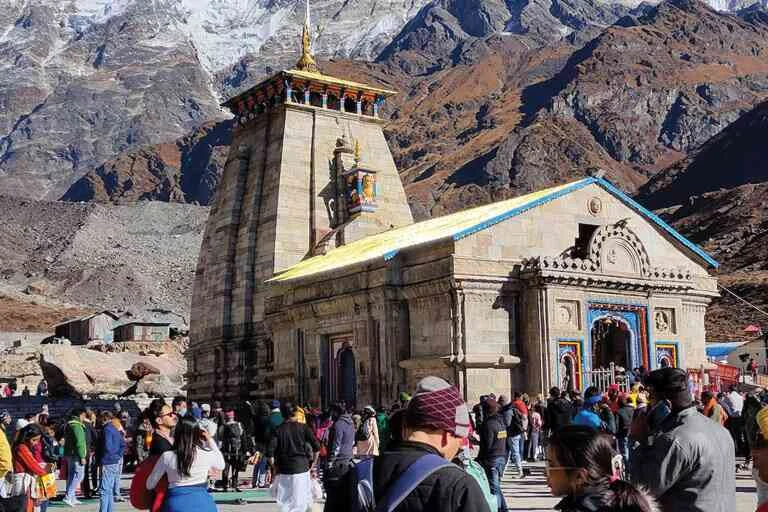
That legend is why tradition places this shrine last among the twelve Jyotirlingas, devotion that outlasts grief, a fitting close to a circuit spanning Somnath in Gujarat to Kedarnath in the Himalayas.
Quick Facts Box
For the exact Grishneshwar Jyotirlinga location and everything else you need before you set out, here is the complete picture at a glance.
Detail | Information |
| Location | Verul village, near Ellora Caves |
State | Maharashtra |
| Nearest City | Chhatrapati Sambhajinagar (Aurangabad), ~30 km |
Temple Timings | 5:30 AM to 9:30 PM daily |
| Darshan Windows | Morning darshan window from 5:30 AM to 12:00 PM and an evening window from 4:00 PM to 9:30 PM. (Timings may vary during festivals and Shravan) |
Best Time to Visit | October to March |
| Entry Fee | Free (general darshan); Special pujas and abhishek rituals require separate booking and charges. |
UNESCO Attraction Nearby | Ellora Caves (approx. 1.5–2 km away) |
History & Restoration: Destruction, Maloji Bhosale’s 16th-Century Rebuild & Ahilyabai Holkar’s 18th-Century Restoration
Grishneshwar temple history stretches back centuries, marked by repeated destruction and equally persistent restoration. Its original construction date is lost to record, though scholars place it before the 13th century.
The temple was razed during the Delhi Sultanate’s 13th–14th century campaigns, then damaged further through Mughal-Maratha conflicts. Maloji Bhosale of Verul, grandfather of Chhatrapati Shivaji Maharaj, led its first major revival in the 16th century using treasure said to be discovered nearby. A stone inscription bearing his name still survives in the complex.
By the 18th century, Grishneshwar’s survival depended on yet another revival. That revival came through Ahilyabai Holkar, the visionary queen of Indore whose patronage helped restore many of India’s sacred sites. The temple standing today is a testament to that effort, placing Grishneshwar among a network of revered shrines, from Kashi Vishwanath to Omkareshwar, that owe part of their preservation to her enduring legacy.
Temple Architecture
Aurangabad Jyotirlinga, Grishneshwar is carved from red volcanic rock native to the Deccan plateau, giving it a warm-toned exterior distinct from Ellora’s grey basalt. It follows a South Indian architectural style, unusual for Maharashtra, with a five-tiered shikhara above the sanctum.
The outer walls and pillared mandapa carry detailed carvings of Hindu mythology, and a large Nandi statue faces the entrance. The complex spans roughly 44,000 square feet and is protected by the Archaeological Survey of India. A smaller Kokila Mata sanctum sits nearby, visited as part of the same darshan.
Darshan Timings & Dress Code
Grishneshwar temple timings run from 5:30 AM to 9:30 PM, split into a morning darshan window from 5:30 AM to 12:00 PM and an evening window from 4:00 PM to 9:30 PM. General darshan is free, and there is currently no official Grishneshwar online booking portal through the temple’s channels for Grishneshwar temple darshan booking, VIP or Special Darshan slots.
The dress code inside the sanctum sanctorum (garbhagriha) follows long-standing local tradition: men must remove their shirt before entering, while women are expected to wear modest, traditional Indian attire such as a saree or salwar kameez. The outer temple premises and courtyard have no such restriction. Early mornings generally offer a calmer atmosphere and cooler temperatures, making them one of the most comfortable times to visit the temple.
Pro tip: Carry a light shawl or stole if you’re travelling with men in the group. It doubles as a quick cover-up once you’re back outside the sanctum, and saves you from walking around bare-chested longer than the ritual actually requires.
Combining Grishneshwar with Ellora Caves: A 1-Day UNESCO + Jyotirlinga Itinerary
Most travel guides treat Grishneshwar Jyotirlinga Temple visit and Ellora as two separate destinations. But practically, they form one seamless half-day plan, and the sequence below is the one local guides and repeat visitors actually follow.
Time | Stop | What To Do |
| 5:30 AM to 7:30 AM | Grishneshwar Temple | Morning darshan and Abhishekam before the queue builds |
7:30 AM to 8:00 AM | Walk or short auto ride | Cover the roughly 1 km stretch to Ellora Caves |
| 8:00 AM to 12:30 PM | Ellora Caves | Kailasa Temple (Cave 16) first, then the Buddhist and Jain caves |
12:30 PM to 1:30 PM | Lunch break | Local Maharashtrian thali near the Ellora complex |
| Afternoon | Daulatabad Fort or Khuldabad | Optional add-on if energy and time allow |
Ellora Caves are open Wednesday to Monday (closed Tuesdays), 6:00 AM to 6:00 PM. Entry costs ₹40 for Indian/SAARC nationals and ₹600 for foreign visitors; children under 15 enter free.
Pro tip: Book your tickets online on the official ASI portal and get there early in the day to explore the caves at leisure before the rush hour.
Shravan 2026 at Grishneshwar: Monday & Mahashivratri Crowd Tips
Shravan dates differ in different parts of India as the different states follow different Hindu calendar systems. Since Grishneshwar is located in Maharashtra, this guide follows the Maharashtra Amanta calendar, under which Shravan runs from 13 August to 11 September 2026. The four Shravan Mondays fall on 17 August, 24 August, 31 August, and 7 September 2026. Readers following North Indian calendars may see earlier dates listed elsewhere.
Temple schedules and darshan arrangements may be adjusted during major festivals. Visitors should check the latest temple announcements before travelling.
Pro tip: Visiting on a Shravan Monday? Do Ellora first while the temple queue is longest, then visit Grishneshwar in the late evening once the crowd thins.
How to Reach Grishneshwar?
Many travellers looking for how to reach Grishneshwar assume the train is the fastest option, but because Chhatrapati Sambhajinagar (formerly Aurangabad) is not located on one of India’s major trunk rail corridors, road and air connections can often be more convenient depending on your starting point.
1. From Aurangabad / Chhatrapati Sambhajinagar
Chhatrapati Sambhajinagar Airport (IXU) is roughly 30–37 km away, a 45-minute to hour-long drive. Aurangabad Railway Station sits about 27–30 km away and connects to Mumbai and Pune, though Manmad Junction (100–140 km away) is an alternative. Buses to Verul or Ellora run every 30–45 minutes from CBS, for around ₹60–₹80.
2. From Pune / Mumbai / Nashik
Mumbai covers roughly 320 km, a 6–7 hour drive via the Samruddhi Mahamarg expressway. Pune runs approximately 257–309 km, typically 5 hours. Nashik is closest, at roughly 150–160 km. MSRTC and private buses connect all three, alongside trains like the Devagiri Express.
Route | Distance | Travel Time | Best Mode |
| Aurangabad Airport → Grishneshwar | 30 to 37 km | 45 min to 1 hr | Taxi |
Aurangabad Railway Station → Grishneshwar | 27 to 30 km | 40 to 50 min | Taxi / State bus |
| Mumbai → Grishneshwar | 320 km | 6 to 7 hrs | Car / Overnight bus |
Pune → Grishneshwar | 257 to 309 km | Approx 5 hrs | Car / Train to Aurangabad |
Nashik → Grishneshwar | 150 to 160 km | 3 to 3.5 hrs | Car |
| Manmad Junction → Grishneshwar | 100 to 140 km | 2.5 hrs | Taxi / State bus |
Pro tip: If you’re taking a long-distance train, book to Aurangabad rather than Manmad even if the ticket costs slightly more. The extra hour or two you save on the last-mile taxi ride is almost always worth it.
Know the Best Time to Visit Jyotirling in Aurangabad Because the Season Changes the Whole Day
October through March is the best time to visit Grishneshwar Jyotirlinga. Temperatures hover between 15°C and 30°C, mornings stay cool for an unhurried darshan, and a full day at Ellora doesn’t turn into an endurance test.
Monsoon months (July–August) work differently; Shravan’s spiritual pull brings crowds regardless of rain, but expect muddy paths and slower cave exploration. Summer (April–June) is worth avoiding beyond an early temple visit, since afternoon heat climbs fast and Ellora’s stone interiors trap it.
Pro tip: Planning around Shravan anyway? Shift your Ellora exploration to right after temple opening, and save the afternoon for shaded indoor caves.
Where to Stay?
Aurangabad city, roughly 30 km from the temple, offers the widest range of hotels and better restaurant variety. Staying on the Ellora side cuts down morning travel time, though options are fewer.
Early darshan pilgrims: Stay on the Ellora side, minutes from the temple.
Families: Base in Aurangabad city for easier access to Bibi Ka Maqbara and restaurants.
Travellers adding Ajanta Caves: Aurangabad city works better, since Ajanta lies roughly 100 km in the opposite direction.
Budget-conscious pilgrims: Simple lodges near Verul village or the railway station cover the essentials.
Pro tip: If you’re only staying one night, base yourself near Ellora; it saves an early commute and beats the tour buses to the temple.
Nearby Attractions
Grishneshwar’s location makes it easy to combine a pilgrimage with some of Maharashtra’s most celebrated heritage landmarks. A short drive from the temple brings you to several major attractions including UNESCO-listed cave complexes and mediaeval forts and monuments from the Mughal era.
For travellers planning to combine Grishneshwar with Ellora, Ajanta, Daulatabad and other heritage destinations across the state, Maharashtra tour packages can make it easier to cover multiple attractions as part of one trip.
1. Ellora Caves:
Located just a kilometre away, this UNESCO site features 34 rock-cut caves of Buddhist, Hindu and Jain traditions, with the monolithic Kailasa Temple as its centrepiece.
2. Daulatabad Fort:
About 20 km from Grishneshwar, Daulatabad Fort was the capital of the Delhi Sultanate in the past and is one of the most formidable mediaeval forts in India.
3. Bibi Ka Maqbara:
This Mughal-era mausoleum, Bibi Ka Maqbara, is situated in Aurangabad city, about 30 km from the temple and is known as the “Mini Taj Mahal”.
4. Khuldabad:
Located barely 5 km from Grishneshwar, this fortified town is home to the tomb of Mughal emperor Aurangzeb and a number of Sufi shrines. There is also a temple here depicting Lord Hanuman in a reclining posture.
Suggested 2-Day Aurangabad Heritage + Pilgrimage Itinerary
Day 1:
Early morning Grishneshwar darshan, followed by a full exploration of the Ellora Caves through the afternoon. End the day with a stop at Daulatabad Fort if daylight and energy permit.
Day 2:
Visit Bibi Ka Maqbara and Khuldabad in the morning, then either head toward Ajanta Caves for travellers with an extra day to spare, or use the afternoon for local Aurangabad markets and departure.
Pilgrim Tips & Local Food
A little planning can make your visit to Grishneshwar and Ellora far more comfortable, especially during weekends, holidays, and the Shravan season. Wear footwear that is easy to remove before entering the temple, carry drinking water for sightseeing around the caves, and start early if you plan to cover both attractions on the same day. Ellora involves a fair amount of walking, so comfortable clothing and sun protection are recommended.
For food, the Verul and Chhatrapati Sambhajinagar region offers simple Maharashtrian meals, vegetarian thalis, local snacks, and roadside eateries around the temple and cave complex. Those with more time can head into the city to sample regional favourites and Mughlai-inspired cuisine that the area is known for.
Travel Tip: Book tickets, maps and important travel information well in advance and try to get to Ellora early in the morning to avoid the crowds that come later in the day.
What to Avoid While Planning Your Grishneshwar Visit?
A few recurring mistakes turn what should be an easy half-day into a rushed, frustrating one.
- Visiting on a Tuesday: Ellora closes every Tuesday.
- Arriving after mid-morning: Queues stretch fast once the sun is up.
- Assuming online VIP booking exists: As of now, it is not available; counter-only booking is the reality.
- Skipping Ellora as an afterthought: The two sit barely a kilometre apart; treating them separately doubles your travel for no reason.
Frequently Asked Questions
1. What is the legend behind Grishneshwar Jyotirlinga?
The temple takes its name from Ghushma, a devotee whose faith led Shiva to remain permanently at this site as Ghushmeshwar, later Grishneshwar.
2. How far is Grishneshwar from Ellora Caves?
Less than a kilometre; most pilgrims walk between the two.
3. Why is Grishneshwar called the “last” Jyotirlinga?
Shaiva tradition counts it as the twelfth and final Jyotirlinga in the Shiva Purana’s Kotirudra Samhita, the traditional close of the pilgrimage circuit.
4. What is the dress code inside the temple?
Men must be bare-chested inside the sanctum sanctorum; women should wear modest, traditional clothing. Outer premises have no restriction.
5. How do I reach Grishneshwar from Aurangabad airport?
About 30 to 37 km away, a 45-minute to hour-long taxi ride via Ellora Road.
6. Can Grishneshwar and Ellora Caves be covered in one day?
Yes, an early darshan followed by several hours at Ellora fits comfortably into a day, provided it isn’t a Tuesday.
7. What is the best time to visit Grishneshwar?
The weather is most pleasant between October and March, but even with the rains, the biggest crowds descend during Shravan (mid-August to mid-September 2026).
Conclusion
The beauty of Grishneshwar lies in how much it offers within such a small stretch of land. A sacred Jyotirlinga, a UNESCO World Heritage Site, centuries of history, and living traditions all come together here.
Whether it is your final Jyotirlinga darshan or the beginning of a larger spiritual journey through Maharashtra, Grishneshwar rewards those who take the time to explore beyond the temple gates. For travellers looking to connect multiple sacred sites, or who want to visit Maharashtra’s specific Jyotirlingas, the right travel tips create a seamless path through some of Lord Shiva’s most revered shrines.
 Call Us
 18002099100