 Call Us
 18002099100



Table of contents
Forex card charges are the fees you pay to get, load, and use a prepaid travel card abroad, covering issuance, reload, currency conversion, ATM withdrawal, and the markup baked into the rate. Most of these sit between 0% and 4.25% depending on the fee type and the card you pick. This guide breaks down every charge, the hidden ones included, so you know exactly what your next trip will actually cost.
What Are Forex Charges? (Cash, Cards, and Transfers Compared)
Say you’re booking a flight in six weeks and you’ve started wondering how you’ll actually pay for things once you land. You’ve got three real options: carry cash, use your regular international debit or credit card, or get yourself a forex card. Cash is simple but risky to carry in bulk, and you’ll lose out at the airport exchange counter, where rates are often the worst you’ll see anywhere.
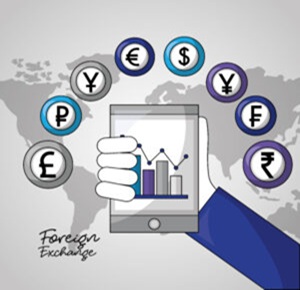

Your regular bank card works abroad too, but nearly every swipe brings a forex markup fee, sometimes 3.5% or more, tacked quietly onto the exchange rate. So, what is forex card charges? A forex card sits between the two. You load it with foreign currency in advance, lock in a rate, and spend it like a debit card overseas. It’s not free, though, and that’s really what this guide is about.
What Are Forex Card Charges?
Forex card charges are the fees layered onto a prepaid travel card across its whole life cycle: issuance, reload, currency conversion, ATM withdrawal, and the markup baked into the exchange rate itself. Cross-currency conversion, which kicks in whenever you spend in a currency your card isn’t loaded in, typically costs around 3.5%. The markup itself varies enormously: 0 to 1% on low-markup cards, against 2 to 3.5% on a standard international credit card. If you’re asking what is a forex fee at its simplest is, it’s the gap between the real interbank exchange rate and the rate you’re actually charged.
Types of Forex Card Charges You Should Know
Here’s the full stack of forex card fees you’re likely to run into, in the order you’ll usually meet them.
1. Issuance & Reload Charges.
Once you have found the answer to what is forex charges, getting the card in the first place often costs somewhere between ₹300 and ₹500, though quite a few providers now waive this. Reloading forex card typically adds another ₹75 to ₹100 each time, so a card you top up five times over a long trip can quietly cost you an extra ₹500 before you’ve spent a rupee.
2. Currency Conversion Cost.
This is the big one, and it’s where the real money leaks out. Say you’re taking ₹2 lakh on a European trip. At a 3% markup, conversion alone costs you around ₹6,000. Find a card with a 0.5% markup instead, and that same trip costs you just ₹1,000 in conversion. That’s a ₹5,000 difference for doing nothing but picking a different card.
3. ATM Withdrawal Fees.
Pulling cash out abroad usually costs a flat fee, often around $2 to $3 per withdrawal, plus whatever the local ATM operator decides to charge on top. Withdraw four or five times on a two-week trip, and that adds up faster than most people expect.
4. Cross-Currency Charges.
Swipe your card in a currency it isn’t loaded with; say your card holds USD, but you’re paying in Thai baht, and you’ll usually pay 3% to 3.5% extra on that transaction. It’s one of the easiest charges to avoid and one of the most commonly ignored.
5. Inactivity & Maintenance Fees.
Leave a prepaid card untouched for around 12 months, and some providers start charging a small monthly fee, often about $1 to $1.50. It’s not much on its own, but it’s the kind of charge that sits there silently on a card you forgot you had.
6. Encashment / Refund Charges.
Cashing out whatever’s left on your card when you get home isn’t always free. Providers can apply a redemption fee, plus you’ll convert back at whatever the buy-back rate happens to be that day, which is rarely in your favour.
Forex Card Charges – Simple Comparison Table
Scan this table about forex card charges in India before you commit to a card. The forex conversion charges row and the cross-currency row are usually where a card either earns its keep or quietly costs you far more than you planned for.
Fee type | Typical range |
| Issuance fee | ₹0 to ₹500 |
ATM withdrawal fee | $2 to $3 flat, plus local ATM fees |
| Markup | 0% to 3.5% |
Cross-currency fee | 3% to 3.5% |
| Encashment/redemption fee | Varies by provider, plus buy-back rate |
Reload fee | ₹0 to ₹100 |
Hidden Forex Card Charges Most Travellers Miss
This is the bit a well-informed friend would pull you aside and tell you when you ask what are the charges for forex card, because none of it shows up as a neat line item.
1. Dynamic Currency Conversion (DCC) Trap.
A merchant or ATM abroad asks, “Would you like that billed in rupees instead?” It sounds helpful. It isn’t. The exchange rate used for DCC is set by the merchant, not your card network, and it’s almost always worse. Always choose to pay in the local currency, every single time.
2. Weekend and Market Volatility Buffers.
Currency markets shut over the weekend, and some providers quietly widen their spread on Saturday and Sunday transactions to cover themselves against Monday’s opening moves. Book a big purchase on a Friday if you can, rather than a Saturday.
3. Double Conversion Loss.
Here’s a mechanism most people never clock: your card converts INR to USD, then USD to the local currency you’re actually spending in, because that’s how the card’s back end is built. You end up paying a markup twice on a single transaction, not once, and neither conversion is visible to you as it happens.
4. ATM Network Fees Beyond Bank Charges.
Your card issuer’s fee is only half the story. The physical ATM you use, especially a standalone one in an airport or tourist strip, often adds its own operator fee on top, sometimes $5 or more, and that charge never appears on your card provider’s fee schedule at all.
5. Refund Conversion Risk.
Return something you bought abroad and the refund doesn’t come back at the rate you originally paid. It converts at whatever the rate is on the day of the refund, which can leave you meaningfully out of pocket even when the merchant does everything right.
6. Micro Transaction Leakage.
A ₹150 coffee doesn’t feel like it should cost you anything extra, but percentage-based fees apply just as much to tiny purchases as large ones. String together a dozen small daily transactions on a trip and the cumulative markup can rival what you’d pay on one big purchase, just spread out so thin you never notice it.
Forex Card vs Debit Card vs Credit Card: Charges Compared
Here are a few things you should know before getting into it:
1. Core Difference: Fixed vs Floating Cost
A forex card locks your rate the moment you load it, so your cost is fixed and known in advance. A debit or credit card floats with the market rate on the day you spend, plus whatever markup your bank adds, so you genuinely don’t know your final cost until the statement arrives.
2. Transaction Cost Breakdown
Forex card fees tend to sit in the 0 to 1% range on the better cards, once you strip out ATM and cross-currency charges. Debit cards generally run 1% to 3%, and forex charges on credit card transactions typically land at 2% to 3.5%, layered on top of the exchange rate you’re shown.
3. ATM Withdrawals: Where Costs Spike
This is where credit cards hurt the most. A cash withdrawal on a credit card counts as a cash advance, which means interest starts accruing immediately, no grace period, alongside the withdrawal fee itself. Forex cards and debit cards avoid the interest problem entirely, since you’re only ever spending money you’ve already loaded or already own.
4. Forex Markup on Credit Cards: What You’re Actually Paying
When your statement shows forex charges on credit card purchases, that figure usually bundles a network conversion fee with your bank’s own markup, commonly 2% to 3.5% combined. It’s rarely broken into its two parts on the statement, so you’re trusting your bank’s math rather than checking it yourself.
5. Stability vs Convenience
If you’re travelling on a fixed budget, sitting through several countries, or you just don’t want any surprises on your statement, a forex card’s locked-in rate genuinely matters. If you’re taking a short, single-country trip and you already carry a low-fee credit card, the convenience of not managing a separate balance might outweigh the marginal savings. Match the tool to the trip, not the other way round.
How to Reduce Forex Card Charges While Travelling?
Here are a few tips for you to reduce forex charges while travelling:
1. Load Like a Strategist, Not a Tourist.
Work out roughly what you’ll spend before you go, then load close to that figure in one go rather than little and often, since every reload can carry its own fee.
2. Beat ATM Fees with Smart Withdrawal Timing.
Fewer, larger withdrawals beat frequent small ones, since the flat withdrawal fee applies per transaction regardless of the amount you take out.
3. Never Accept “Convert to INR” (This Is a Trap).
Whatever the machine or the cashier asks, choose the local currency. Every time.
4. Eliminate Double Conversion Loss.
Load the actual currency of the country you’re visiting wherever possible, rather than a default like USD, so your card never has to convert twice.
5. Time Your Load to Reduce Markup Impact.
Load on a weekday if you can, and check the rate against the interbank figure you’d find on a quick search, so you know roughly what fair looks like.
6. Track the Invisible: Micro Transactions.
Keep half an eye on your app during the trip. Small daily swipes are exactly where fees hide best, precisely because no single one looks worth worrying about.
7. Compare Before You Commit.
Pull the fee schedules for two or three providers side by side before you apply. If you haven’t already, our Forex Card vs Credit Card comparison and our first-trip currency guide both go deeper into which option suits which kind of traveller.
8. Use Cash + Card Hybrid Strategy.
Keep a small amount of local cash for taxis, tips, and stalls that don’t take cards, and let a prepaid forex card handle everything else. It cuts down on both ATM trips and card fees.
Thomas Cook Forex Card Charges: The Real Numbers
On Thomas Cook forex card charges for the current multi-currency prepaid cards, issuance and reload are free. ATM withdrawal is a flat, currency-specific fee, roughly USD 2 equivalent (GBP 1.50, EUR 1.50), and a balance enquiry at an ATM costs around USD 0.50 equivalent. Over-the-counter cash withdrawals abroad are charged at 1.75% of transaction value on the Borderless range, GST applies on top of all fees, and cards issued after 1 June 2023 carry no inactivity fee.
Cross-currency conversion for Thomas Cook forex card charges runs roughly 3.5% to 4.25% depending on the card variant. The One Currency Card is the outlier: bought through digital channels, it now carries zero forex markup and zero cross-currency fee, worth a look if your trip is USD-denominated.
FAQs on Forex Card Charges
1. What are forex card charges?
They’re the fees attached to owning and using a prepaid travel card, covering issuance, reload, ATM withdrawal, cross-currency spending, and the markup built into the exchange rate itself.
2. Are forex card charges different from credit card forex charges?
Yes. Forex charges on credit card transactions tend to run higher, typically 2% to 3.5%, and cash withdrawals attract interest straightaway. A forex card’s fees are usually lower, and there’s no interest, since you’re spending money you already loaded.
3. What are Thomas Cook’s forex card charges?
Thomas Cook forex card charges include zero issuance and reload fees, free ATM use within its partner network, and a cross-currency fee of around 3% to 3.5% outside your loaded currency. Always check the live fee schedule before you travel, since these details can shift.
4. How can I reduce forex card charges while travelling?
Check the live fee schedule before you travel, as they may change. Load a higher amount less frequently, avoid DCC altogether, withdraw cash in fewer larger amounts and load the actual local currency instead of a default one. Small habits like these add up to real savings over a trip.
5. Are forex card charges refundable?
Some are, and some aren’t. Issuance and reload fees are typically non-refundable, while unused balance can usually be encashed, though you’ll convert back at that day’s rate rather than the one you originally paid.
6. Is there a monthly fee on forex cards?
Not usually, unless the card sits unused for around 12 months, at which point some providers start applying a small inactivity fee until you use it again or close it.
7. Are forex card charges lower than debit cards?
Generally yes, particularly on markup. A well-chosen forex card can sit at 0% to 1% markup, while a standard debit card used abroad often runs 1% to 3% once its own forex conversion charges are added in.
8. What is the biggest hidden forex card charge?
Dynamic Currency Conversion, without question. Accepting the “pay in rupees” option at a foreign till or ATM routinely costs more than any other single charge on this list, and it’s entirely avoidable.
9. Do forex cards have zero charges?
No card is entirely free, though some come close on markup. Even a genuinely low-cost card will still carry ATM fees or cross-currency charges in specific situations, so it’s worth reading the fine print regardless of how the card is marketed.
Load a Thomas Cook Forex Card with Transparent, Low Charges
If you’d rather know your costs upfront than untangle them from a statement after you’re back, a Thomas Cook forex card is built for exactly that. Load the One Currency Card for a single-destination trip, or the Multi-Currency Card if you’re crossing borders, and travel knowing your rate is locked before you’ve even boarded.

Table of contents
Our Forex Offerings
Delhi to Kedarnath distance: Best Route, Train Timings & Travel Guide
Jodhpur to Udaipur journey is an ultimate Rajasthan travel journey.
Everything You Need to Know About Mumbai to Goa Distance
Varanasi to Haridwar distance: Best Route, Train Timings & Travel Guide

Recommended Articles for you

What is the average cost of living in Singapore in 2026?
0 0 The Cost of Living in Singapore At A Glance Average monthly budget: A single person may need S$1505 every month excluding accommodation. The rest of the budget depends on lifestyle and location. Biggest expense: Accommodation is the largest […]
Top Universities in Germany for International Students
0 0 Germany universities for international students have been one of the most preferred destinations for many years. Public universities charge little to no tuition fees, offering excellent opportunities for globally valued research and English-taught programs across engineering, business, and […]
RBI Forex Guidelines for Foreign Exchange Transactions in India
0 0 What Do RBI Forex Guidelines Say? FEMA oversees the legal mechanism governing foreign exchange transactions in India. All Indian residents should deal in forex only through RBI-authorised persons and for permitted purposes. Under the Liberalised Remittance Scheme (LRS), […]
Cost of Living Index by Country: Compare Living Expenses Around the World (2026 Guide)
0 0 No two countries charge the same price for everyday life. A coffee that costs $2 in Hanoi can cost $7 in Zurich, and a one-bedroom apartment renting for $300 in Cairo might command $3,000 in Manhattan. These gaps […]
Delhi To Haridwar distance: Best Route, Train Timings & Travel Guide
0 0 Delhi to Haridwar At A Glance Haridwar is an integral religious destination for Hindus. In 2025, 3.4 crore people visited Haridwar, and that number is only expected to be higher at the end of 2026. If you are […]
Delhi to Kedarnath distance: Best Route, Train Timings & Travel Guide
0 0 Delhi to Kedarnath cannot be called a road trip, but it is a journey where the destination is sacred, so every part of the journey becomes a kind of storytelling. Most of the people ask, “Delhi to Kedarnath […]
Jodhpur to Udaipur journey is an ultimate Rajasthan travel journey.
0 0 These two destinations have completely different personalities, but the journey between the two destinations is mesmerising. Imagine yourself waking up to the blue-painted buildings of Jodhpur, covered with mighty forts and surrounded by beautiful desert vibes. And then […]
Kullu to Manali distance: Best Route, Train Timings & Road Trip Guide
0 0 Kullu to Manali At a Glance Kullu and Manali sit in the same valley, so this isn’t really a “journey” in the way Delhi to Manali is; it’s more of a short hop most travellers do on their […]
Everything You Need to Know About Mumbai to Goa Distance
0 0 Mumbai to Goa At a Glance Goa is one of the most happening places in India. It offers nature, partying, waterfalls, trails, water activities, and whatnot. Goa sees millions of tourists every year from all across the globe, […]
Varanasi to Haridwar distance: Best Route, Train Timings & Travel Guide
0 0 Varanasi to Haridwar at a Glance Here are the numbers, before anything else. People do this route mostly for one reason: both cities run a daily Ganga aarti, and pilgrims like pairing them into one circuit. Road: roughly […]
World’s Largest Waterfall: Experience the Majestic Beauty of Angel Falls Like Never Before
0 0 Angel Falls in Venezuela is the highest waterfall in the world. It is 979 metres high. The falls are in a large forest area called Canaima National Park. Getting there takes time, but the views are amazing. You […]
Visit the Largest Mall in the World: Everything You Need for the Perfect Shopping Trip
0 0 Largest Mall In The World At A Glance Iran Mall in Tehran, Iran, is the world’s biggest mall by total reported area. The mall is approximately 1.95 million square metres, or 21 million square feet. Note: The discussion […]
Top 10 Highest Railway Bridges in the World: Discover the Tallest Train Bridges and Their Incredible Stories
0 0 The world’s highest railway bridges are mostly in China and India. India’s Chenab Bridge is the tallest railway arch bridge at 359 metres, which is even higher than the Eiffel Tower. China’s Najiehe Bridge, at 310 metres, still […]
The Longest Beach in the World – All You Need to Know
0 0 Praia do Cassino in Brazil is about 254 km long, making it the longest continuous beach in the world. Cox’s Bazar in Bangladesh is also very well known and is called the longest natural sandy sea beach. So, […]
Ride the World’s Longest Cable Car to Hon Thom Island: Your Complete Phu Quoc Travel Guide
0 0 The Hon Thom cable car in Phu Quoc is renowned for its Guinness World Record as the longest sea-crossing cable car. Offering a great view of the Gulf of Thailand, this cable car ride stretches across 7.9 km. […]
Longest Bridge in the World: Where Record-Breaking Engineering Meets Stunning Landscapes
0 0 Ask most people to name the world’s longest bridge, and you’re likely to get a confident answer like the Golden Gate Bridge or the Brooklyn Bridge or some other famous landmark plastered across postcards and movies. But the […]
Largest Desert in the World: The Surprising Science Behind Antarctica’s Record-Breaking Landscape
0 0 A Glimpse of the Largest Desert in the World If you think a desert is defined by the presence of sand or high temperature, you are wrong. It is actually defined by very low precipitation. So, by this […]
Explore the Tallest Building in the World: Everything You Need to Know About Burj Khalifa
0 0 The tallest building in the world, Burj Khalifa, is an epitome of architectural and engineering marvel. Located in the new Downtown Dubai, Burj Khalifa is a super-tall skyscraper. Being the most tall building in the world, the structure […]
Explore the Highest Mountain in the World: A Complete Guide to Mount Everest and the Himalayas
0 0 A Glance At Complete Guide to Mount Everest and the Himalayas Mount Everest is the highest mountain above sea level. It stands at 8,849 metres, or Mount Everest height in feet is 29,032 feet. It was Nepal and […]
Omkareshwar Jyotirlinga: Mandhata’s Om-Shaped Island, Mamleshwar Temple & Complete 2026 Travel Guide
0 0 Omkareshwar: Where the Narmada River Forms the Sacred ‘Om’ Omkareshwar lies on the banks of the Narmada, about 77 km from Indore. The river divides around Mandhata, also called Shivpuri, creating an island roughly 4 km long and […]