 Call Us
 18002099100

Must-See Things to Do in Dubai: Top Adventures Beyond the Malls
By Thomas Cook Admin



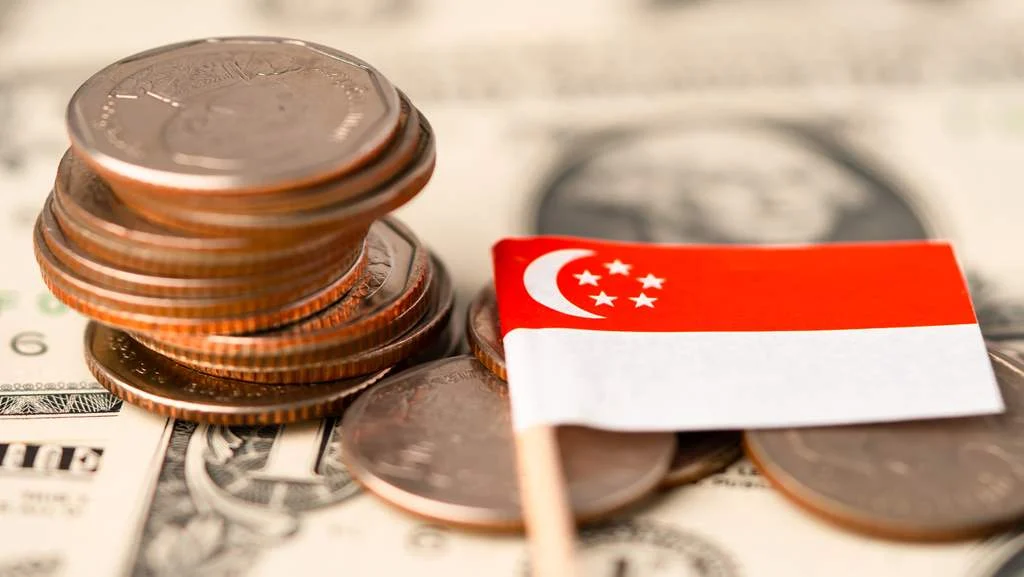
In today’s globalised economy, purchasing foreign currency is a common practice for individuals and businesses alike, whether for travel, investment, or conducting international trade. While it may seem as simple as exchanging one currency for another, there are important tax considerations that come into play with these transactions.
Many people are unaware that buying foreign currency can trigger tax liabilities or impact future financial decisions, particularly when exchange rate fluctuations lead to gains or losses. Understanding the tax implications of foreign currency purchases is crucial for staying compliant with tax regulations and avoiding unexpected financial consequences.
This article explores the key tax factors to consider when acquiring foreign currency for personal use, investment, or business purposes.
When individuals purchase foreign currency for personal reasons, such as travel or leisure, there are usually no immediate tax consequences. However, it’s essential to keep track of the foreign exchange rates and any associated transaction fees. In some countries, the tax authorities may impose a small tax on foreign currency purchases as part of the transaction. This tax is often built into the exchange rate or the service fee charged by the financial institution or money exchange service.
For example, in countries like India, a tax known as the Tax Collected at Source (TCS) applies to foreign currency purchases above a certain limit. In such cases, the tax on foreign currency purchase is a percentage of the total amount exchanged, and while the buyer may not need to file a separate return for it, it’s crucial to account for the tax when filing yearly tax returns, particularly if foreign assets are involved.
When foreign currency is purchased for investment, such as buying foreign stocks, bonds, or property, the tax implications become more complex. Here, the tax on foreign currency purchases goes beyond the initial exchange and can affect capital gains and other tax liabilities. If an individual or business realizes a gain or loss due to fluctuations in exchange rates when selling the foreign investment, they may need to report it as part of their income or capital gains tax, depending on local tax laws.
For example, if someone purchases foreign stocks using US dollars and later sells them at a profit, the difference in value due to exchange rate changes may also be subject to taxation. In the United States, this is regulated under capital gains tax laws. The Internal Revenue Service (IRS) requires taxpayers to calculate their gains and losses not only from the sale of the asset but also from the currency exchange involved in the transaction.
Foreign currency trading, or forex trading, is a popular investment strategy. While it offers the potential for high returns, it also comes with tax consequences. In most countries, forex traders are subject to income or capital gains tax on their profits. The tax on foreign currency purchases and sales in forex trading depends on the individual’s or business’s tax classification.
In the United States, forex trading is taxed under Section 1256 contracts or Section 988 contracts, depending on the type of forex contract. Section 1256 contracts provide a 60/40 split between long-term capital gains and short-term capital gains, which can be beneficial for some traders. Section 988 contracts, on the other hand, treat gains and losses as ordinary income, which might result in a higher tax rate for certain traders.
Other countries, like the United Kingdom, impose similar rules. Forex traders may be taxed as part of their income tax if they trade as individuals, or they may fall under capital gains tax regulations. In either case, accurate record-keeping of all trades and currency purchases is essential to avoid issues with tax authorities.
For many, the most common reason to purchase foreign currency is for travel. Whether embarking on a vacation or a business trip abroad, travellers often need to exchange local currency for the currency of their destination. In most cases, purchasing foreign currency for personal travel does not result in significant tax consequences. However, depending on the country, there may be certain taxes or fees that apply, which travellers should keep in mind.
• Some countries impose a small tax on foreign currency purchases. For instance, in India, a Tax Collected at Source (TCS) applies to foreign currency exchanges exceeding a certain threshold, generally for larger transactions.
• This tax is usually a percentage of the total amount converted and is collected at the time of purchase.
• While the tax might seem minimal for casual travellers, frequent travellers or those exchanging large sums should be mindful of how these charges add up over time.
• It’s important to retain records of your foreign currency exchanges, especially if any leftover currency is later used for non-personal reasons, such as investments or transfers. Proper documentation can prevent any potential tax issues if the funds are repurposed.
• While not taxes, currency conversion fees imposed by banks or exchange services can significantly affect the total cost of purchasing foreign currency. These fees may vary between providers, so travellers should compare rates.
• Different providers, including banks, airport exchange counters, and online platforms, offer varying exchange rates and fees. Comparing these options can help travellers mitigate additional costs.
Foreign exchange trading, commonly known as Forex or FX, is a highly liquid market where currencies are bought and sold for profit. Individuals and businesses that participate in the Forex market must be aware of the tax implications associated with such trades, as profits and losses from currency trading are subject to taxation in most jurisdictions.
Forex trading typically involves buying one currency and selling another, with the goal of capitalizing on fluctuations in exchange rates. Depending on the country, these transactions may be taxed as income or capital gains. In the United States, Forex profits are taxed under two distinct sections: Section 1256 and Section 988. Section 1256 contracts provide a beneficial 60/40 tax treatment, meaning 60% of the gains are taxed as long-term capital gains and 40% as short-term. Section 988 contracts, on the other hand, treat Forex gains as ordinary income, which may result in a higher tax rate.
Other countries, such as the United Kingdom, classify Forex trading profits under capital gains tax. As with other investments, traders are expected to maintain detailed records of their trades, including the dates, amounts, and exchange rates at the time of each transaction. Accurate reporting of Forex activity is essential to comply with tax regulations and avoid penalties.
Thomas Cook is a notable example of a foreign exchange service provider that caters to travellers and Forex traders alike. It offers a range of foreign currency exchange services, including the ability to purchase travel money and participate in Forex trading. For those trading in foreign exchange markets, platforms like Thomas Cook make it easy to access Forex services, but traders should always consult tax professionals to ensure that they meet their tax obligations.
Travellers face minimal tax on foreign currency purchases, though they should watch out for transaction fees and any applicable local taxes. Meanwhile, Forex traders are subject to income or capital gains tax on their profits, depending on their location and the type of contracts they trade.
Tax laws regarding foreign currency transactions vary from country to country, making it essential for individuals and businesses to understand the local rules before making significant foreign currency purchases. Many countries have agreements in place to prevent double taxation, but taxpayers need to be aware of their obligations in both the country where the currency was purchased and their home country.
For instance, the Foreign Account Tax Compliance Act (FATCA) in the United States requires American taxpayers to report any foreign financial accounts, including foreign currency holdings, if the total value exceeds a certain threshold. Similar regulations exist in other countries to ensure that taxpayers report their global income and assets.
Taxpayers should also consider consulting with tax professionals who specialize in international tax law to navigate the complex rules surrounding tax on foreign currency purchases. With the right guidance, individuals and businesses can avoid potential penalties and ensure they are compliant with all relevant tax regulations.
When dealing with foreign currency purchases, especially for businesses and investors, effective tax planning can significantly minimize tax liabilities and enhance financial outcomes. Here are some key tax planning strategies:
• Currency Hedging: Businesses and investors can use currency hedging strategies to protect themselves from exchange rate fluctuations. Hedging can help stabilize the cost of foreign currency, reducing the risk of unexpected tax liabilities due to gains or losses from currency fluctuations.
• Utilizing Tax Treaties: Tax treaties between countries often prevent double taxation on foreign currency transactions. Individuals and businesses should familiarize themselves with these treaties to maximize tax relief benefits.
• Timing of Currency Purchases: Timing is crucial when purchasing foreign currency, especially for large transactions. Monitoring exchange rate trends and choosing optimal times for purchases can help minimize taxable gains.
• Record-Keeping and Documentation: Maintaining accurate records of all foreign currency transactions, including dates, amounts, and exchange rates, is vital for tax reporting. Proper documentation ensures compliance with tax regulations and facilitates tax planning.
• Consulting with Tax Experts: Given the complexity of international tax laws, consulting with tax professionals specializing in foreign currency transactions can provide tailored advice. This can help identify tax-saving opportunities and ensure compliance with global tax regulations.
For travellers, purchasing foreign currency can be more than just a financial necessity—it can also be an opportunity to save money with the right strategies. By planning ahead and making smart currency exchange decisions, travellers can avoid unnecessary fees and minimize tax burdens. Here are a few ways to maximize savings:
Many credit cards charge a foreign transaction fee for purchases made abroad, typically ranging from 2% to 3%. Opting for a card that offers zero foreign transaction fees can save a significant amount, especially for frequent travellers.
Airport currency exchange counters are notorious for offering poor exchange rates and higher fees. Travellers can save money by purchasing foreign currency in advance from banks or online currency exchange services, which often provide more favourable rates.
When using a credit or debit card abroad, travellers are often offered the option of paying in their home currency (dynamic currency conversion) instead of the local currency. While it may seem convenient, the conversion fees for this service are often higher, leading to unnecessary costs. Paying in the local currency generally results in better exchange rates.
Travellers who monitor exchange rates before their trip can take advantage of favourable fluctuations. Planning ahead and exchanging currency when the rate is optimal can result in significant savings, particularly for long trips or large transactions.
Withdrawing foreign currency directly from ATMs in the destination country often yields better exchange rates than currency exchange services. However, travellers should check with their bank for any international withdrawal fees and find ATMs with lower or no fees for foreign withdrawals.
By following these strategies, travellers can reduce costs associated with foreign currency purchases, ensuring that more of their budget goes toward enjoying their destination rather than being spent on fees and poor exchange rates.
Purchasing foreign currency is not just about exchange rates and convenience; it also has tax implications that should not be overlooked. Whether for personal use, investment, or business transactions, understanding the tax on foreign currency purchases can help individuals and businesses avoid unexpected tax liabilities.
From personal travel to forex trading and international business operations, the tax consequences of foreign currency purchases vary depending on the context and jurisdiction. Being aware of these tax considerations, keeping detailed records, and seeking professional advice can help ensure compliance and minimize tax-related risks.





0 0 Planning your international Dubai Packages? Here are the must see places in Dubai. Must Do Things in Dubai 1. Ride through the sunset on an at the picturesque Dubai creek, and all for just one dirham. Close your eyes […]

0 0 When God created the world, his most beautiful imagination led to the creation of flowers. If we take a close look at our lives we can see that the most special celebrations of our lives are adorned with […]
0 0 A Guide to Temples of Angkor Wat at a Glance Angkor Wat Cambodia is one of the world’s most remarkable temple complexes. It is also the world’s most famous historical landmark. There are hundreds of ancient monuments in […]
0 0 A Guide to Exploring Busan at a Glance Busan is known for: beaches, seafood markets, temples, colourful neighbourhoods and lively urban culture. Best places to visit in Busan: Haeundae Beach, Gamcheon Culture Village, Gwangalli Beach, Haedong Yonggungsa Temple, […]
5 0 Seven Wonders of the World at a Glance The seven wonders of the world are part of the history that everyone should witness at least once. Here’s some information about them: The 7 Wonders of the World: Great […]

0 0 From creamy northern risotto to spicy southern seafood, every area does its own food thing in Italy. It’s about simple, quality ingredients, eating together, and local rhythms. Skip tourist traps, eat what’s in season, and always save room […]
0 0 When you ask a novelist to weave a tale of romance or when a painter intends to bring the most romantic backdrop to his canvas, it is the image of Paris from which they draw inspiration. Intrinsically beautiful […]
1 0 Nepal is geographically small, but it crams ancient temples, Himalayan treks, jungle safaris, and mountain lakes into one trip. Indians don’t need a visa. Hit Kathmandu for culture, Pokhara for views, Chitwan for wildlife. Trekking needs a licensed […]

0 0 The Amazon has got a bit of everything – wildlife, river trips, jungle hikes, and some real cultural stuff too. Brazil, Peru, or Ecuador are your main entry points, so pick whichever lines up with what you want […]

0 0 Picture this: you’re running a little late for your flight. You leap out of the cab, collect your bags (with little or no grace) and walk into the airport, only to be hit by a wave of travellers […]

0 0 Ocean Park Hong Kong rolls theme-park rides, giant pandas, marine-life exhibits, scenic cable-car rides, and family-friendly stuff into one massive park. It’s split into the Waterfront and Summit, so you’ve got loads to get through in a full […]

0 0 If you call yourself a beer aficionado, you mustn’t miss out on Oktoberfest – the biggest beer festival in the world. Celebrated in Munich every year for 16-18 days, Oktoberfest marks the marriage ceremony of Prince Ludwig and […]

0 1 Best sections for first-time visitors: Mutianyu for scenery and a balanced experience, Badaling for accessibility, and Jinshanling for longer, quieter walks. Best time to visit: Spring and autumn offer comfortable weather and beautiful mountain scenery. Summer can be […]

0 0 The best travel memories do not begin with a checklist; rather, they begin with a moment that makes you pause and think, “I’m really here.” Imagine watching Dubai’s skyline glow gold from a beachfront café as the sun […]

0 0 The Indonesian island of Bali is one of the most popular tourist destinations in the world. Both adventure lovers and holiday mongers love visiting this beautiful island to spend a few days of fun and relaxation away from […]

0 0 Topping the world Happiness Index is something quite common for Nordic Countries today and as such, it is no wonder that the 2018 Annual Happiness Report saw Finland at the top. The country jumped from number five in […]

0 0 When it comes to travelling; tourists usually like to visit beaches, hill stations and places that are renowned for monuments and wonders of the world. But how many of you have visited world heritage sites? A world heritage […]

0 0 The soft golden sun and clear warm beaches of Dubai offer the most glorious sights that we can ever witness. Every year thousands of travelers flock in to this part of the world from across to globe only […]

0 0 The touch of regality that comes along with Mesmerizing China essentially extends over its cuisine as well. Being dainty enough, Chinese Cuisine are huge favorites with people all over the world as they have transcended over geographical boundaries. […]
0 0 The Australia Student Visa, officially the Subclass 500, lets you live in Australia for your full course at a recognised institution, with limited work rights built in. Covers everyone from a bachelor’s student in Sydney to a vocational […]