 Call Us
 18002099100



Must-See Things to Do in Dubai: Top Adventures Beyond the Malls
By Thomas Cook Admin


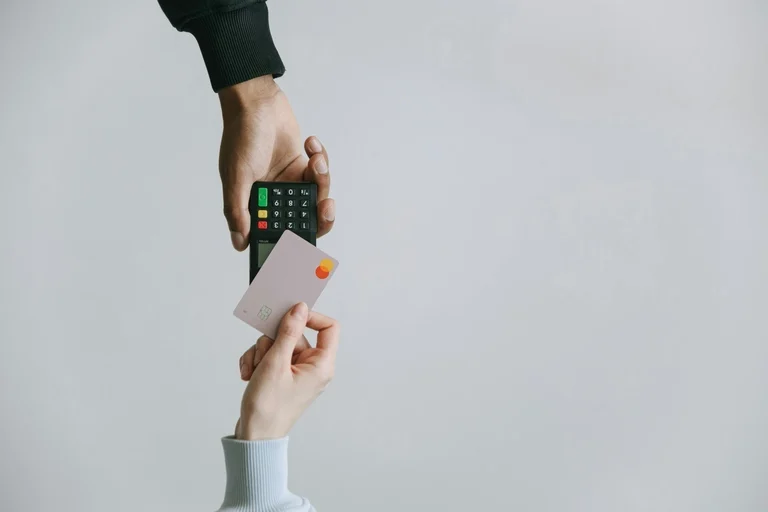
Navigating your finances while travelling abroad can be challenging, often leaving travellers wondering, “Can I use my debit card internationally?” Ensuring smooth access to your funds is key to enjoying a stress-free journey, no matter where your travels take you.
This guide presents ten essential tips to help you manage your finances effectively while travelling internationally, answering your pressing questions and providing the insight needed for financial ease.
From understanding foreign transaction fees to exploring alternative payment methods, these strategies will equip you with the tools necessary to make the most of your adventure without unnecessary financial worries.
Managing your finances effectively while travelling abroad can make the difference between a stress-free trip and one filled with unexpected surprises. Here are the top 10 best ways to handle your international finances, ensuring you make the most of your travel experience.
Before your trip, confirm with your bank, whether you can use your debit card internationally. Most banks do allow it, but there are often some important steps to take. You may need to activate international usage either temporarily or permanently, and some banks require you to set specific daily limits for international transactions to ensure security. It’s also important to ask about any restrictions that might apply to your card in certain countries, as some nations may be blocked due to security concerns.
Debit cards are highly convenient abroad, allowing you to withdraw cash in the local currency, but fees and policies vary widely. Make sure to inform your bank of your travel dates to avoid any blocks on your account due to suspicious activity. Understanding your bank’s policies can save you from unexpected charges, such as currency conversion fees or foreign ATM withdrawal fees, ensuring seamless access to your funds.
Using your debit card internationally often comes with foreign transaction fees, which are typically charged as a percentage of the total transaction amount. These charges usually range between 1-3%, which can add up significantly throughout your travels. If you’re wondering whether you can use your debit card internationally without incurring high fees, it’s crucial to do your research ahead of time. Some banks offer debit cards with low or no foreign transaction fees or have agreements with partner banks abroad to help you save money on ATM withdrawals.
It’s also helpful to inquire about currency conversion fees, which can be an additional cost when making purchases or withdrawing cash. Many travellers opt for travel-friendly bank accounts, specifically designed for frequent international travellers, which offer fee-free international transactions and favourable exchange rates. Understanding the costs associated with using your card can help you make better choices when managing your money abroad.
Having a mix of cash, credit cards, and a debit card can help you manage your finances effectively while travelling abroad. Relying solely on your debit card is risky due to potential fees and the chance of ATMs not being available in remote areas or small towns. Cash is essential for small purchases, like street food, tipping, and markets where card payments might not be accepted.
Credit cards can also be useful, especially for making larger payments like hotel bills or booking excursions, as they often provide added benefits such as travel insurance, fraud protection, and reward points. It’s also wise to spread your funds among multiple wallets, keep some cash in a safe place at your accommodation, and carry minimal amounts when sightseeing to reduce the risk of losing everything. Also, consider researching the payment preferences of your destination—some countries prefer cash, while others are largely cashless.
When using your debit card internationally, it’s crucial to be aware of exchange rates. Understanding the exchange rate helps you estimate costs and make smarter spending decisions. Using real-time currency converter apps can help you stay updated and avoid being overcharged when exchanging money or paying for services. Dynamic currency conversion (DCC) is offered by some merchants and ATMs, allowing you to pay in your home currency instead of the local one.
However, DCC often carries a less favourable exchange rate, along with hidden fees. Whenever you use your debit card internationally, it’s best to pay in the local currency, as this usually ensures a better exchange rate. Before finalising a transaction, confirm whether you’re being charged in your home currency or the local one—this small step can make a significant difference in your overall expenses.
One of the key answers to whether you can use your debit card internationally lies in setting up travel alerts with your bank before you leave. Travel alerts notify your bank of your plans, reducing the chances that they’ll flag foreign transactions as suspicious and block your card. Most banks offer convenient ways to set up these alerts through their mobile app, online banking, or by visiting a branch in person. This is a simple but crucial step to ensure uninterrupted access to your funds, especially in emergencies.
Additionally, setting up a travel alert allows your bank to closely monitor suspicious activities and take quick action if necessary, providing an extra layer of security. Make sure your contact information is updated, including an email or phone number they can reach while you’re abroad, in case they need to verify any transactions. Failure to set up a travel alert can result in unnecessary inconveniences, such as blocked cards and declined transactions during your travels.
When using ATMs abroad, it’s crucial to be strategic to avoid excessive fees and ensure your safety. Always look for ATMs affiliated with your bank or its global partners, as these usually offer better exchange rates and lower withdrawal fees. Using your debit card internationally at random ATMs can lead to higher withdrawal fees, unfavourable exchange rates, or additional bank surcharges that can quickly add up.
Before travelling, check with your bank to see if they have partnerships with foreign banks that waive or reduce these fees. When withdrawing cash, opt for ATMs located in secure places such as banks, malls, or hotels, as these are less prone to tampering or card skimming. Consider withdrawing larger amounts to reduce transaction fees, but make sure not to carry too much cash for safety reasons. Also, always shield the keypad while entering your PIN to avoid potential security risks.
While travelling abroad, sticking to a budget and tracking your spending are essential to ensure you don’t overspend and run out of money. If you’re using your debit card internationally, banking apps that provide instant transaction alerts can help you monitor spending in real-time. In addition, budgeting apps allow you to categorise and track every expense, including food, accommodation, and transportation.
Setting a daily or weekly spending limit helps ensure that you stay within your budget, and gives you a clearer idea of how much money you have left. Be mindful of using cash for smaller expenses and cards for larger ones to balance your spending more effectively. It’s also helpful to maintain a small contingency fund for unplanned expenses—having some buffer money can allow you to navigate unforeseen situations without stress.
Keeping emergency contact numbers easily accessible is vital when travelling abroad. This includes your bank’s customer care number, the helpline for reporting lost or stolen cards, and any local consulate numbers. If you use your debit card internationally and it gets lost or stolen, knowing whom to contact can make the difference between quickly securing your funds or potentially losing them.
Write down these numbers and store them separately from your cards; also, save them digitally on your phone. If your debit card is lost, acting quickly is key—you can have your card blocked immediately to prevent unauthorised transactions. Additionally, inquire with your bank before travelling to see if they provide emergency cash services, which can be a lifesaver if your card is compromised and you need quick access to funds. Taking these precautions ensures that if something goes wrong, you have a plan in place.
Prepaid travel cards are a great alternative to using your debit card internationally, offering convenience, security, and control over your travel expenses. These cards can be preloaded with multiple currencies, allowing you to lock in a favourable exchange rate before your trip, which protects you from currency fluctuations. Compared to using debit or credit cards, travel cards often have lower fees for transactions and ATM withdrawals.
Since these cards are not linked to your primary bank account, the risk of fraud is significantly reduced, providing an extra layer of security. Most prepaid travel cards allow you to instantly freeze or replace them through a mobile app if they are lost or stolen, adding an extra sense of security. Widely accepted by merchants, hotels, and ATMs worldwide, prepaid cards offer a practical solution for managing your travel expenses without overspending, allowing you to enjoy your travels worry-free.
Regularly monitoring your bank account while travelling is essential for protecting against unauthorised transactions and ensuring your finances are secure. Using your debit card internationally can expose you to potential fraud, so staying vigilant is crucial. Logging into your online banking app every few days allows you to review all recent transactions, ensuring that they align with your spending. Look for discrepancies, such as small unauthorised charges that could indicate skimming or data compromise.
Many banks offer SMS or email alerts for each transaction, allowing you to quickly identify any suspicious activities. If you do notice anything unusual, contact your bank immediately to block the card and prevent further unauthorised use. It’s also advisable to keep your banking app updated and use two-factor authentication (2FA) for added security. By taking these steps, you can prevent unauthorised access and enjoy peace of mind during your trip.
Understanding how to manage your finances effectively while travelling isn’t just about knowing if you can use your debit card internationally—it’s about making informed choices that can significantly enhance your travel experience. From setting up travel alerts and avoiding excessive fees to using a mix of payment options and tracking your expenses, these strategies help ensure that your finances are well-managed, allowing you to focus on enjoying your journey. By being proactive and prepared, you can make the most of your adventures abroad with financial peace of mind, free from unexpected surprises and stress.





0 0 Planning your international Dubai Packages? Here are the must see places in Dubai. Must Do Things in Dubai 1. Ride through the sunset on an at the picturesque Dubai creek, and all for just one dirham. Close your eyes […]

0 0 When God created the world, his most beautiful imagination led to the creation of flowers. If we take a close look at our lives we can see that the most special celebrations of our lives are adorned with […]
0 0 A Guide to Temples of Angkor Wat at a Glance Angkor Wat Cambodia is one of the world’s most remarkable temple complexes. It is also the world’s most famous historical landmark. There are hundreds of ancient monuments in […]
0 0 A Guide to Exploring Busan at a Glance Busan is known for: beaches, seafood markets, temples, colourful neighbourhoods and lively urban culture. Best places to visit in Busan: Haeundae Beach, Gamcheon Culture Village, Gwangalli Beach, Haedong Yonggungsa Temple, […]
5 0 Seven Wonders of the World at a Glance The seven wonders of the world are part of the history that everyone should witness at least once. Here’s some information about them: The 7 Wonders of the World: Great […]

0 0 From creamy northern risotto to spicy southern seafood, every area does its own food thing in Italy. It’s about simple, quality ingredients, eating together, and local rhythms. Skip tourist traps, eat what’s in season, and always save room […]
0 0 When you ask a novelist to weave a tale of romance or when a painter intends to bring the most romantic backdrop to his canvas, it is the image of Paris from which they draw inspiration. Intrinsically beautiful […]
1 0 Nepal is geographically small, but it crams ancient temples, Himalayan treks, jungle safaris, and mountain lakes into one trip. Indians don’t need a visa. Hit Kathmandu for culture, Pokhara for views, Chitwan for wildlife. Trekking needs a licensed […]

0 0 The Amazon has got a bit of everything – wildlife, river trips, jungle hikes, and some real cultural stuff too. Brazil, Peru, or Ecuador are your main entry points, so pick whichever lines up with what you want […]

0 0 Picture this: you’re running a little late for your flight. You leap out of the cab, collect your bags (with little or no grace) and walk into the airport, only to be hit by a wave of travellers […]

0 0 Ocean Park Hong Kong rolls theme-park rides, giant pandas, marine-life exhibits, scenic cable-car rides, and family-friendly stuff into one massive park. It’s split into the Waterfront and Summit, so you’ve got loads to get through in a full […]

0 0 If you call yourself a beer aficionado, you mustn’t miss out on Oktoberfest – the biggest beer festival in the world. Celebrated in Munich every year for 16-18 days, Oktoberfest marks the marriage ceremony of Prince Ludwig and […]

0 1 Best sections for first-time visitors: Mutianyu for scenery and a balanced experience, Badaling for accessibility, and Jinshanling for longer, quieter walks. Best time to visit: Spring and autumn offer comfortable weather and beautiful mountain scenery. Summer can be […]

0 0 The best travel memories do not begin with a checklist; rather, they begin with a moment that makes you pause and think, “I’m really here.” Imagine watching Dubai’s skyline glow gold from a beachfront café as the sun […]

0 0 The Indonesian island of Bali is one of the most popular tourist destinations in the world. Both adventure lovers and holiday mongers love visiting this beautiful island to spend a few days of fun and relaxation away from […]

0 0 Topping the world Happiness Index is something quite common for Nordic Countries today and as such, it is no wonder that the 2018 Annual Happiness Report saw Finland at the top. The country jumped from number five in […]

0 0 When it comes to travelling; tourists usually like to visit beaches, hill stations and places that are renowned for monuments and wonders of the world. But how many of you have visited world heritage sites? A world heritage […]

0 0 The soft golden sun and clear warm beaches of Dubai offer the most glorious sights that we can ever witness. Every year thousands of travelers flock in to this part of the world from across to globe only […]

0 0 The touch of regality that comes along with Mesmerizing China essentially extends over its cuisine as well. Being dainty enough, Chinese Cuisine are huge favorites with people all over the world as they have transcended over geographical boundaries. […]
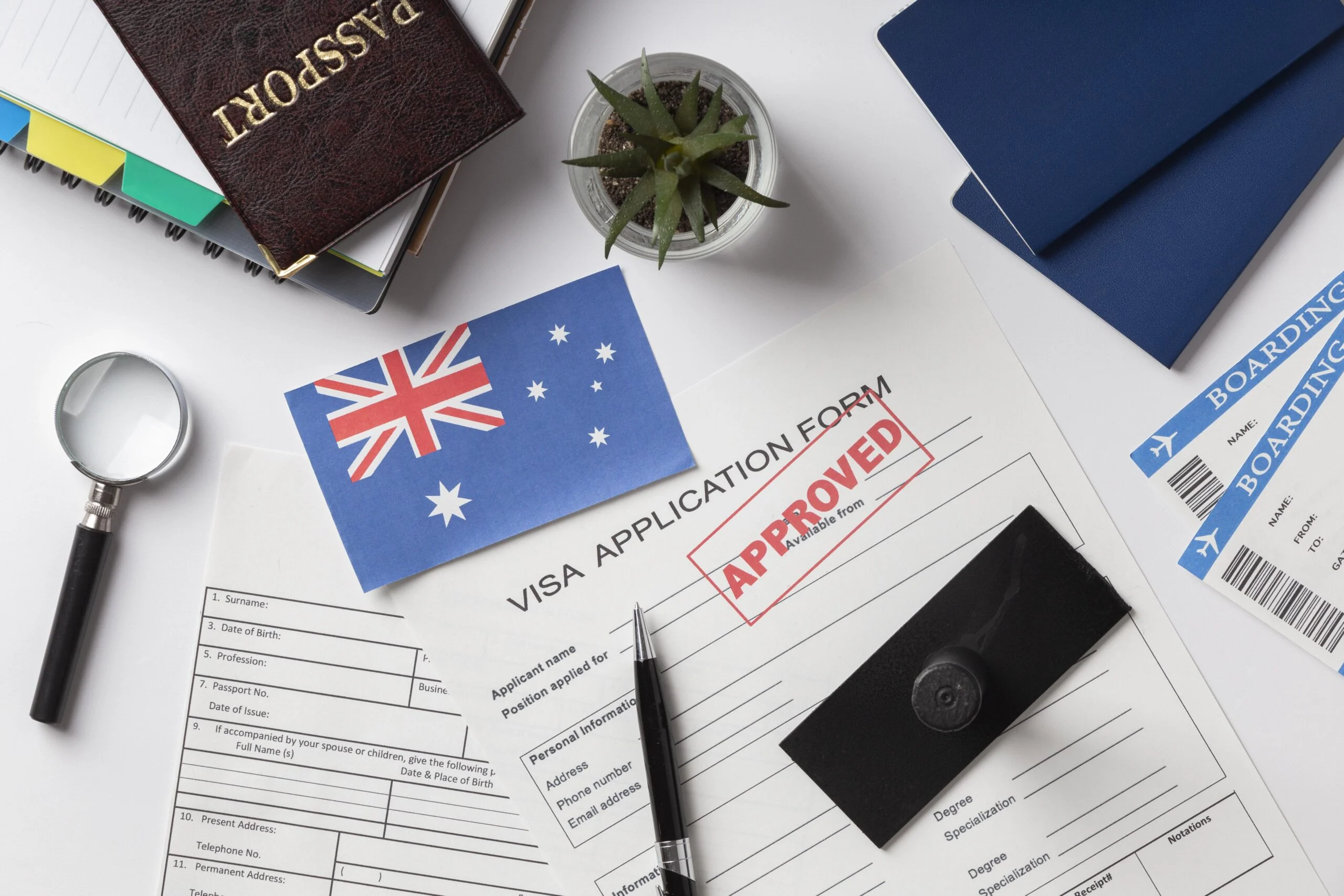
0 0 The Australia Student Visa, officially the Subclass 500, lets you live in Australia for your full course at a recognised institution, with limited work rights built in. Covers everyone from a bachelor’s student in Sydney to a vocational […]