 18002099100




Table of contents
Planning a trip to Japan? Whether you’re visiting the bustling streets of Tokyo, the serene temples of Kyoto, or the breathtaking landscapes of Hokkaido, managing your finances wisely is key to a smooth and stress-free experience. Understanding the best way to handle money, including using a forex card and avoiding unnecessary forex card fees, can help you maximise your budget while enjoying all that Japan has to offer.
If you’re traveling with a Japanese visa, this ultimate guide will help you navigate currency exchange, payment methods, and tips for managing your expenses efficiently.
Understanding the Japanese Currency System
Japan’s official currency is the Japanese Yen (JPY). Banknotes come in denominations of ¥1,000, ¥5,000, and ¥10,000, while coins include ¥1, ¥5, ¥10, ¥50, ¥100, and ¥500. While Japan is modernising its payment infrastructure, cash is still widely used, especially in small towns and traditional establishments. Always carry some cash, as many small businesses and rural areas may not accept cards.
Why You Should Use a Forex Card in Japan
A forex card is one of the safest and most cost-effective ways to carry money while traveling abroad. Unlike credit and debit cards, forex cards allow you to lock in exchange rates, protecting you from currency fluctuations. With easy reload options and minimal transaction fees, a forex card offers convenience and security while you explore Japan.
Best Forex Card for Japan
The best forex card for Japan should offer:
- Zero forex markup on transactions
- Multi-currency support for frequent travelers
- Low ATM withdrawal fees
- 24/7 customer support
Buying Japanese Yen Before You Travel
To get the best exchange rates, consider buying Japanese Yen before your trip. Purchasing currency in advance helps you avoid high exchange fees at airports and local money changers. Many forex providers allow you to order JPY online, ensuring you get the best rates with minimal hassle. Use a reliable forex service to reload your forex card online for convenience and better rates.
Forex Card vs. Credit/Debit Cards in Japan
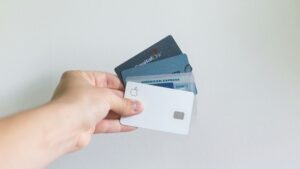
While credit and debit cards are widely accepted in major cities, a forex card remains the best way to travel with foreign currency due to lower fees and better exchange rates. Using a forex card also eliminates the risk of foreign transaction charges that come with traditional bank cards.
If you prefer carrying a backup option, ensure your credit or debit card has low international transaction fees and is accepted by major Japanese ATMs.
Reloading Your Forex Card
If you run low on funds, you can reload your forex card easily through online banking or authorised forex providers. This ensures you always have access to money without worrying about fluctuating exchange rates or excessive withdrawal fees. Ensure your forex card allows online reloading to avoid any travel inconveniences.
Managing Daily Expenses in Japan

Japan offers a variety of payment methods, from cash and credit cards to digital wallets like Suica and Pasmo. While major cities have extensive card payment options, rural areas and smaller businesses often prefer cash. Budgeting for transportation, food, and sightseeing in advance can help you manage your expenses effectively while avoiding unexpected financial stress.
Using ATMs in Japan
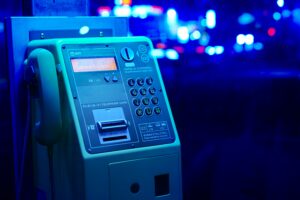
While Japan has a reputation for being cash-centric, ATMs at convenience stores (such as 7-Eleven, FamilyMart) and major banks accept international cards. Always check the withdrawal fees associated with your forex card before making transactions.
Avoiding Forex Card Fees and Hidden Charges
Some forex cards come with hidden charges, including ATM withdrawal fees, reload fees, and inactivity charges. Choosing a best forex card for Japan with minimal fees and transparent pricing ensures you get the most out of your travel budget.
Mobile Payments and Digital Wallets in Japan
Japan has a growing digital payment ecosystem, including Suica, Pasmo, Apple Pay, and PayPay. These options offer a seamless way to make purchases, especially for transportation and retail shopping.
Exchange Rates and When to Buy JPY

Monitoring exchange rates before your trip allows you to lock in the best conversion rates. Many forex providers offer online tools to track rates and notify you when it’s the best time to buy JPY or reload your forex card.
Emergency Financial Planning While in Japan
Unexpected expenses can arise while traveling. Always keep a backup credit card, some USD for emergencies, and the customer support numbers of your forex card provider and bank. Having these safeguards in place ensures you remain financially secure during your trip.
Conclusion
Traveling to Japan requires careful financial planning to ensure a seamless experience. From choosing the best forex card for Japan to knowing when and where to exchange currency, being well-prepared can help you avoid unnecessary expenses. Japan’s mix of traditional cash-based transactions and modern digital payment options means having multiple payment methods is ideal. With the right approach, you can enjoy your journey without financial stress, allowing you to focus on immersing yourself in Japan’s rich culture, cuisine, and breathtaking landscapes.
Table of contents
Our Forex Offerings





Recommended Articles for you
How Much Currency Should You Carry on Your First International Trip?
1 0 In the post-pandemic scenario, when life is getting back to normal, and people are resuming their long-awaited trip plans, it is essential to strategize about the expenses to be incurred. Prior to packing bags, understanding the financial baggage […]
Which Currency is Best to Use in Dubai?
0 0 Dubai, one of the world’s most vibrant and luxurious destinations, attracts millions of tourists and business travellers each year. Known for its towering skyscrapers, world-class shopping malls, and rich cultural experiences, Dubai’s allure often raises a common question […]
Step-by-Step Guide to Reloading and Unloading Your Forex Card
0 0 A Forex card is an indispensable tool for international travellers, offering a secure, convenient, and cost-effective way to carry foreign currency. Whether you are a frequent flyer, a student studying abroad, or simply on holiday, a Forex card […]
How Much Cash Can You Legally Carry While Traveling Abroad?
1 1 The past couple of years have been tough for everybody. Thankfully, things are getting back to normal slowly. It was a delight when everyone got the news of the lifting of Covid restrictions in many countries. So, traveling […]
10 Things to Do in Guwahati for an Unforgettable Experience
0 0 Guwahati, the gateway to Northeast India, offers a perfect mix of history, spirituality, and adventure. From visiting the famous Kamakhya Temple to enjoying a scenic cruise on the Brahmaputra River, there are endless experiences waiting for travelers. Here’s […]
21 Best Places to Visit in Bangalore
-78 -111 Bangalore has evolved from being the Garden City to the Silicon Valley of the country! It is one of the largest cities in India and has people migrating over from all across the country. The tourist places in […]
Maha Shivaratri – Significance and Importance
1 0 The way cosmos functions, the way it was formed and its future are all beyond human comprehension. We have been trying to study about the cosmos for over millenniums and haven’t gotten too far. If studying about what […]
Top 19 Famous Places in Delhi Everyone Needs to Visit
-198 -125 Delhi Attractions you won’t be able to skip visiting at least once Delhi, the capital of Incredible India, is in no way any less than incredible itself. With some of the most beautiful and captivating Tourist Places in […]
10 Places to Visit in India in February 2026
0 0 The ‘Month of Love’ is the perfect time to travel across India for two reasons. In February, winter is almost at an end but the weather is still pleasant without being too cold. Secondly, you won’t have to […]
5 Best Places to Visit in August Outside India in 2026
3 0 As August approaches, many travellers seek destinations that offer a change of pace from the usual summer heat. Whether you’re escaping the warm Indian climate or looking to experience unique cultural events, August presents the perfect opportunity for […]

Most Beautiful Places in the World – Top Travel Destinations
1 0 Traveling is our way to seek beauty, understand culture and feast our soul on the richness of diverse landscapes. Each travel destination in the world is a journey through these enriching factors that gives a true meaning to […]

The Ultimate Guide to the World’s Top 10 Biggest Festivals
4 0 In a world rich with diverse cultures and traditions, festivals are vibrant expressions of human celebration, spirituality, and community. From ancient rites to modern spectacles, these gatherings bring people together to honour history, commemorate shared values, and revel […]
The Ultimate Kumbh Mela guide 2026: Everything You Need to Know
2 0 Kumbh Mela 2026 is not merely a religious celebration but is the ultimate cultural experience, bringing millions together worldwide. Also regarded as the world’s biggest spiritual gathering, the Kumbh fair is one of the spectacular events that congregates […]

Thomas Cook Forex Card vs Niyo Global Card: A Real Travel Comparison
0 0 Planning a 2026 international trip and seeking the best forex card for travel to manage your international travel money? Whether you’re exploring budget-friendly destinations like Manali or jetting off to Paris, prepaid travel cards like the Thomas Cook […]

Top 20 Holiday Destinations to Visit in India in 2026
6 2 When it comes to travelling, India is a vastly underrated holiday destination that doesn’t get its due credit. From arid deserts to lush rainforests, from lofty mountains to mysterious valleys; you’ll get an overwhelmingly vast number of experiences […]
12 Best Places To Visit In November In India In 2026
0 0 November is a month of vibrant transitions in India, offering an array of travel experiences from the cool Himalayan foothills to the warm beaches of the south. If you’re planning your travel itinerary for November 2026, India presents […]

Top 10 Must-Visit Destinations in the World for an Unforgettable Family Vacation
2 0 Are you looking for some family travel inspiration? If yes, you need to look no further as you are on the right page. Under this guide, you can find some of the all-time favourite vacation destinations for families […]

Top 10 Places To Visit In Dharamshala For A Perfect Himalayan Getaway (2026)
0 0 Want to get away to a peaceful place in the Himalayas? Mountain tranquillity, Tibetan spirituality, and exciting hikes are all available at the Dharamshala tourist attractions. All of these things make it a great place to go on […]

Know Which Places is Better North Goa or South Goa
3 2 Whenever you hear the name Goa, your mind instantly starts to picture beaches and everything in between. Many of you even dream about spending a luxurious vacation there. Just in case you happen to be a party animal, […]
18 Must-Visit Places in Ooty – The Queen Of Hill Stations
18 7 How does this sound to you: bright green soothing slopes, mystical pathways, and clouds that kiss your hair? Ooty is replete with such immense beauty and has enough activities and elements to keep every traveler happy and satisfied.One […]