 Call Us
 18002099100


0 0 Why Should Central Asia Be on Your Travel List? I’ll be honest. If someone had asked me a year ago to choose between Europe and Central Asia, I would have booked Europe without thinking twice. It’s familiar. You […]
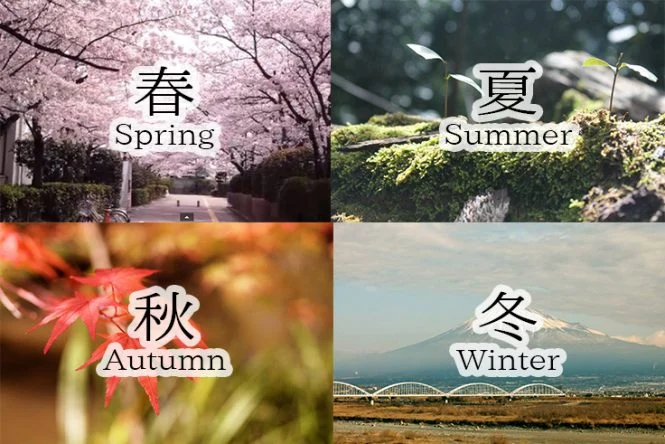
Table of contents
- Cherry Blossoms: The best time to see cherry blossoms, or sakura, is from late March to mid-April.
- Budget-friendly Travel Season: Peak winters (January to February) and June are the most budget-friendly travel seasons.
- Festivals: During summer and early autumn, attend the Gion Matsuri festival and fireworks by the beach in Shonan and Okinawa.
- Expensive Time to Visit: Avoid visiting during Golden Week and Obon, as travel is most expensive then.
- What to Pack? What you pack depends entirely on when you’re visiting and the kind of experience you wish to have.
Japan is rightly a year-round destination with something beautiful to offer, regardless of when you visit. Japan welcomes four distinct seasons, each bringing its own charm and beauty to the culture, travel experience, and landscape.
With so much to see and do, figuring out the best time to visit Japan comes down to what you want to experience. While spring is the season of cherry blossoms, it’s in summer that you can attend vibrant festivals; autumn brings fiery reds and golds; and winter transforms Japan into a winter wonderland.
This guide breaks down what you will experience each time you visit Japan. Experience the signature events and understand weather patterns and crowd levels to figure out the best time to go to Japan.
Best Time to Visit Japan

March to May (Peak Season)
What to expect?
Pleasant weather with temperatures usually around 14°C.
Cherry blossoms and the celebration of hanami parties.
Golden Week is celebrated around late April or early May, so travel costs will be high.
June-August (Off Season)
What to expect?
Hot and humid climate, but a great time for visiting the beaches of Japan.
Be ready to experience occasional rain.
Multiple festivals are held during this time, so it is a wonderful time to witness fireworks.
September to October (Semi-Moderate Season)
What to expect?
Maple and Ginkgo trees are in full bloom.
Pleasant weather for walking around temples and mountain trails.
Visit Chichibu, Nikko, and Naruko Gorge to experience the autumn beauty.
November to February (Moderate Season)
What to expect?
A small crowd who are visiting Japan to witness the festivities.
Cold temperatures with snowfall in some parts of the country.
A trip to the Sapporo Snow Festival to watch beautiful snow sculptures.
Japan Weather by Season
The best season to visit Japan completely depends on what you want to see and experience. With pleasant temperatures and clear skies, there’s a lot to experience in Japan.
Note that Japan’s weather varies significantly by season. For example, during spring, the weather will be clear. On the other hand, during winter, the places may be slightly foggy due to snow.
Here’s a brief look at the best seasons to visit Japan.
1. Spring (March-May)
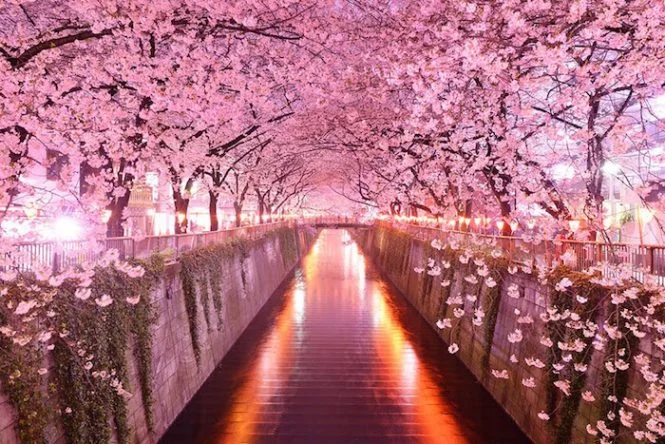
Officially, the Japan cherry blossom season, from March to May, is truly a wonderful and magical time to visit. Sakuras, or pink cherry blossoms, grace the country. These pink and white flowers symbolise the beauty of life and are widely celebrated with hanami parties.
The temperature is usually around 14°C, making it the perfect backdrop for experiencing the vibrant landscapes. However, spring in Japan is more than just cherry blossoms.
Apart from cherry blossoms, a wide range of other flowers bloom in Japan during this time. Some of the most popular ones include tulips, lilacs, wisterias, and more, adding to Japan’s vibrant landscape. You may enjoy a variety of spring festivals during this time.
2. Summer (June-August)
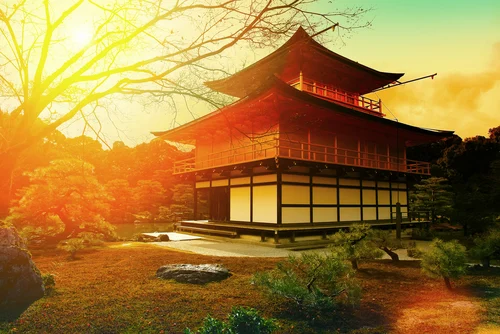
Although a bit hot and humid, summer in Japan is all about high energy and outdoor fun. During your visit, you get to experience vibrant festivals and lively beaches. If you track Japan’s weather by month before your visit, June is the rainy season, so be prepared for occasional rain.
Visit the beaches of Shonan and Okinawa by July to enjoy surfing and some pleasant sun. Summer is also an ideal time to experience Japan’s beautiful festivals. You shouldn’t miss out on the iconic Gion Matsuri in Kyoto or the fireworks lighting up various cities.
If you’re an adventure lover, you must hike to Mount Fuji and admire the stunning views from atop. It can get hot and humid, especially in cities such as Osaka and Tokyo. However, this is the perfect time to experience Japan’s festive vibes.
3. Autumn (September-October)
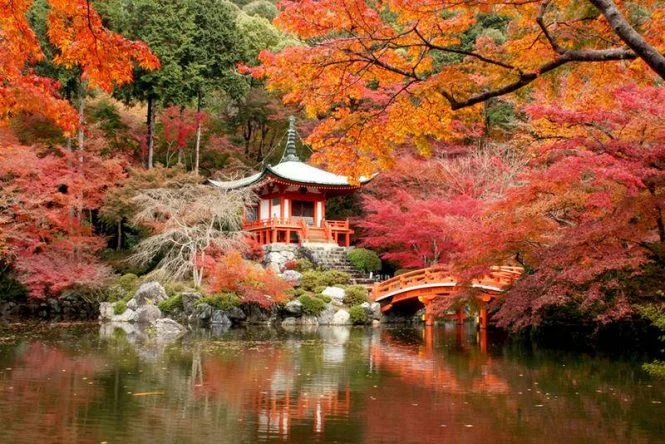
Want to experience the attractions in Japan turning fiery red and golden? Autumn is just the season to visit. With maple and ginkgo trees bursting with colours, you’ll be surprised by the beauty here.
The weather is crisp and cool, letting you enjoy a peaceful walk by the mountain trails, temples and gardens. To experience Japan in its peak autumn beauty, you must visit destinations like Naruko Gorge, Chichibu, and Nikko.
4. Winter (December-February)
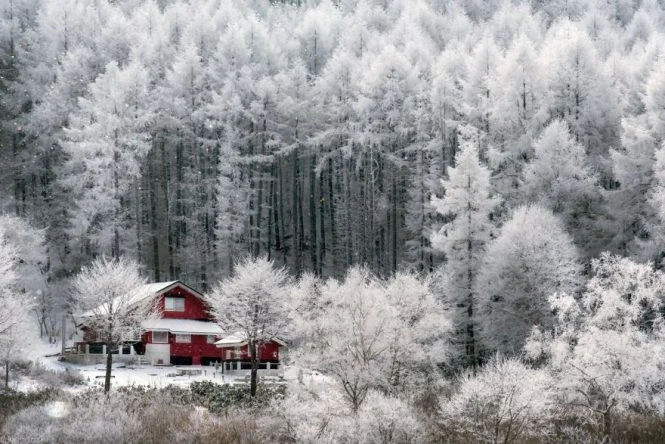
Winter is the time to be bewildered and charmed by the beauty of Japan. The landscape transforms into a snowy paradise, making it the best time to travel to Japan for nature lovers. The sun shines on the glistening snow, making the entire place golden. Very few tourists visit during this time, making it an ideal time to explore.
Visit Japan’s mountainous regions to experience thrilling activities like snowboarding and skiing. After trying the adventure activities, visit any steaming hot spring nearby and relax.
It’s also during this time that you get to witness the beauty of the Sapporo Snow Festival. You can watch multiple illuminations and ice sculptures during this time, leaving you in awe.
Best Time to Visit Japan for Your Travel Style
Below is a breakdown of the best month to visit Japan based on different travel styles:
For Cherry Blossom Lovers (Late March to Mid-April)
The sakura trees are in full bloom across the country during this time, turning every place into a dreamy, pink landscape. Tokyo and Kyoto turn out to be pure magic around this time, with multiple hanami parties happening around. However, the cherry blossom season may vary slightly, so check the calendars and book your trip accordingly.
For Culture and Sightseeing Exploration (October to November)
Autumn is the best time to experience some of Japan’s best attractions. As the weather is comfortable, you can go around exploring mountain trails, gardens, and temples. Chichibu and Kyoto are some of the best places to experience this visual miracle.
For Snow and Ski Enthusiasts (January to February)
Set out to explore the snowy region of Hokkaido, particularly popular among snowboarders and skiers. There are excellent slopes around Niseko and Nagao as well.
For Budget-Conscious Travellers (January to February and June)
It’s during the peak winter and summer months that costs go down. There are fewer crowds, which means lower hotel prices and lower flight prices. However, only during this time will you get to experience major cities and attractions.
Travel Tips Before Visiting Japan
Before your visit, you must know the basics for travelling in Japan peacefully.
What to Pack by Season?
- Spring: Keep it light—light jacket, light layers, and comfortable shoes.
- Autumn: Again, keep it light with sweaters. But carry puffer jackets for cooler evenings.
- Summer: Light, breathable clothes, but carry hats and portable fans.
- Winter: Heavy woollen clothes, thermal gloves, and waterproof boots.
Seasonal Travel Advice
- Spring and autumn are the perfect times for sightseeing.
- Summer can get hot and humid, so make sure to stay hydrated.
- Winter travel around snowy regions can be slightly challenging as snow covers the roads.
- Always book in advance when considering the best time to go to Japan for cherry blossoms. This is because the number of tourists will be high, so booking accommodation may be difficult.
FAQ’s
1. What is the best time to visit Japan?
Spring (March–May) and autumn (October–November) are the best seasons to visit Japan.
2. When is cherry blossom season in Japan?
Cherry blossoms usually bloom from late March to early April.
3. Do Indians need a visa for Japan?
Yes, Indian passport holders need a valid Japan visa.
4. How many days are enough for Japan?
A 7–10 day trip covers Japan’s major attractions.
5. What is the cheapest time to visit Japan?
January, February, and June are usually the most affordable months to visit Japan.
6. What are the top attractions in Japan?
Mt. Fuji, Tokyo, Kyoto, Osaka, and Hiroshima are must-visit places.
7. Can you go skiing in Japan?
Yes, Japan is one of the world’s best skiing destinations, known for its heavy snowfall and top ski resorts.