 Quick Chat
 Call Us
 18002099100

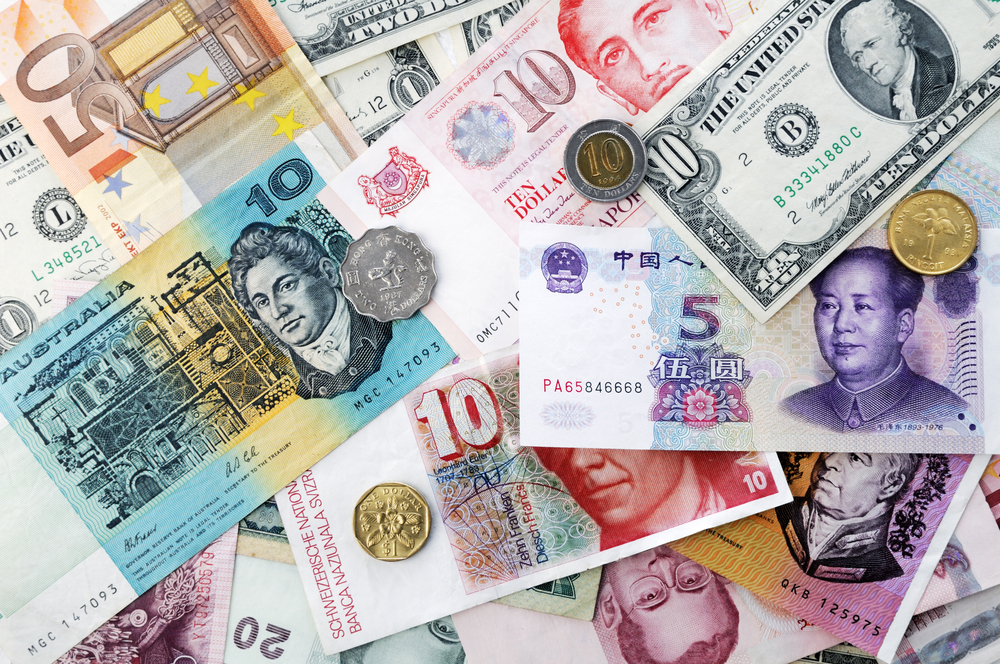

Table of contents
Learn how currency exchange works and the impact of fixed exchange rates vs flexible exchange rates on the economy of the country.
Understanding How Currency Exchange Works
Introduction to currency exchange and how it works:
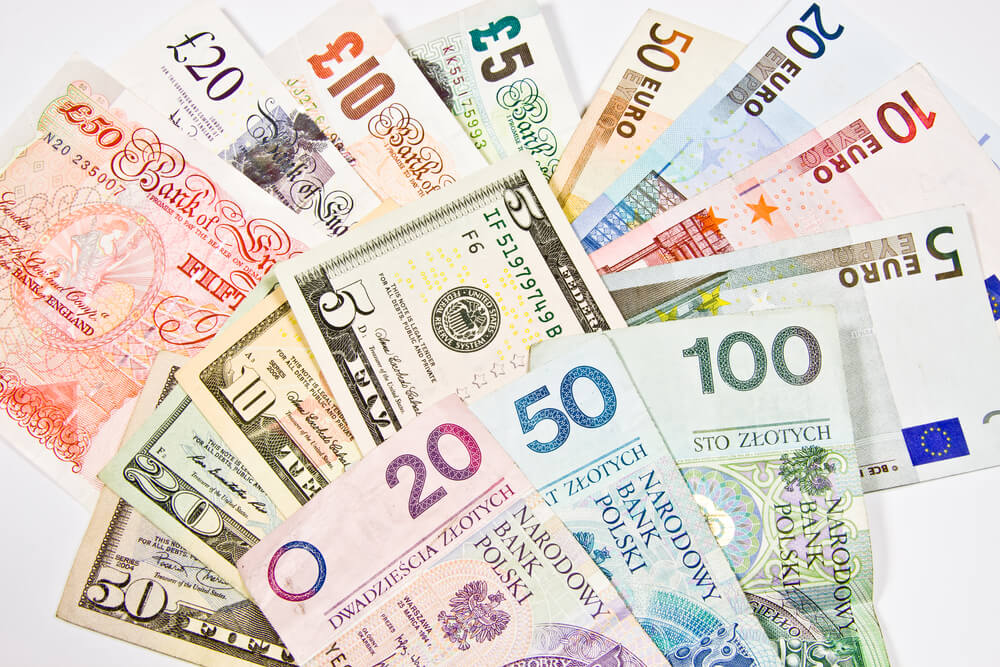
The business which has an authorized license to exchange one currency with another for its customers is known as Currency Exchange. Currency exchange of physical money (Paper notes & coins) is usually done over the teller’s counter of such business offices, we can found currency exchange offices in different forms and locations. It may be a small business operating out of a single office, or it may be a large business chain operating at different cities and airports, or it may be private, nationalize, or international banks.
The currency exchange can be both physical and online, which allows you to exchange one country’s currency for another by carrying out buy and sell transactions. Let us see the below examples of how currency exchange works, if you want to buy US Dollars against Indian Rupees, you need to bring Indian Rupees (Cash, Cheque, or Bank Card) to the currency exchange store to buy US Dollars. The amount you would be able to purchase would depend on the exchange rate. The market determines the currency value, which is known as an exchange rate, it tells you how much your currency is worth in foreign currency.
Two different types of Exchange Rates: Floating & Fixed Exchange Rate
There are broadly two types of exchange rates: Floating and Fixed. Floating/Flexible exchange rate changes constantly, while fixed exchange rates rarely change.
Floating/Flexible exchange rate:
Currency exchange rates are mostly determined by the Forex (Foreign Exchange) market. Such exchange rates are known as floating/flexible exchange rates. It fluctuates on a moment-by-moment basis. Currencies like Canadian dollars, European Euros, British pounds, and Japanese Yen uses floating exchange rates. The government and central bank of these countries do not actively intervene to keep the exchange rate fixed. Their policies can influence the rates over the longer term but cannot regulate the exchange rates.
Fixed Exchange rate:
Other currencies, like the Gulf –Saudi Arabian riyal, UAE dirham, Kuwaiti dinar, rarely change. That is because those countries use a fixed exchange rate that only changes when the government does so. These fixed currency rates are usually pegged to US Dollars. Their central banks have enough reserves in the form of foreign currency to control their currency worth. To keep the fixed exchange rate, the central bank holds US dollars. If the value of the local currency falls, the bank sells its US dollars for local currency. That reduces the supply in the marketplace, appreciating its currency value.
Floating vs. Fixed Exchange Rates
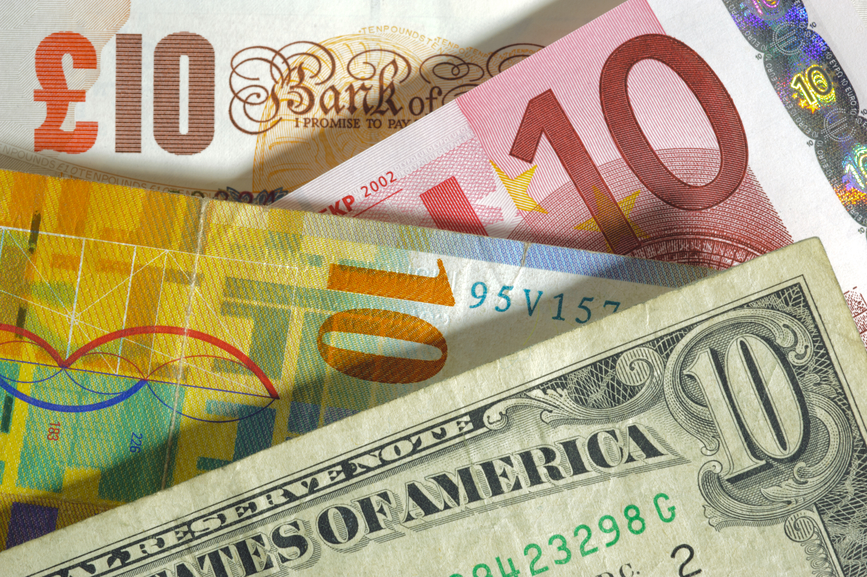
A fixed exchange rate is set firmly by the monetary authority with respect to a foreign currency on the other hand, a floating exchange rate is determined in foreign exchange markets depending on demand and supply, and it generally fluctuates constantly. Extensively when the government decides the exchange rate, it is called a fixed exchange rate, whereas when market influences determine the exchange rate, it is called flexible or floating exchange rates.
Both Fixed and Floating exchange rates have their own merits as mention below:
| Fixed Exchange Rates | Floating or Flexible Exchange Rates |
| It ensures stability in exchange rate which encourages foreign trade. | Deficit or surplus in Balance of Payment is automatically corrected |
| A fixed exchange rate ensures that major economic disturbances do not occur. | There is no need for the government to hold any foreign exchange reserve |
| It prevents capital outflow & speculation in foreign exchange market. | It helps in optimum resource allocation |
| Fixed exchange rates are more conducive to expansion of world trade because it prevents risk and uncertainty in transactions | It frees the government from the problem of balance of payment. |
Which one is better? Fixed or Floating Exchange Rate?
When it comes to choosing between fixed and flexible exchange rate, understanding their nuances can significantly impact your financial decisions, especially in forex. Let’s break the types of exchange rate down so you can see which might work better for you.
Fixed Exchange Rate:
Stability: If predictability is your thing, then a fixed exchange rate offers that. This means that the exchange rate is pegged to another currency, and therefore, you will have stable price levels when trading with other countries.
No Flexibility: For example, if the currency pegged was fluctuating you could get locked into a rate of depreciation. This is not very flexible in responding to other market changes.
Inflation Control: Countries with fixed rates tend to have lower inflation rates, and therefore, you can even budget and plan your expenses.
Floating Exchange Rate:
Market-Driven: A floating exchange rate is market-driven. This can be useful if you are looking to take advantage of favourable currency movement.
Volatility: This category also tends to be volatile, and you are bound to face risks related to changes in the market. So, it’s advisable to keep monitoring.
Scope for Gains: But keep in mind, that this type can be unpredictable. You might face risks from sudden changes in the market, making it crucial to stay informed.
In the end, it all boils down to your risk tolerance and financial goals. If you have a preference for having a fixed exchange rate over a floating one, then understand them because this will help you in making informed forex decisions between fixed and floating exchange rate.
Factors that influence the exchange rate: Supply and Demand, Country’s Economic Growth, Interest Rates
There are many factors that influence exchange rate but the below three factors are most important which has direct impact on exchange rates namely Interest rates, Demand and Supply & Country’s economic growth.
Interest rate:
The interest rate paid by a country’s central bank has a big impact. A higher interest rate offers lenders in an economy a higher return relative to other countries. Therefore, it attracts foreign capital and causes the exchange rate to rise. The opposite relationship exists for decreasing interest rates, i.e., lower interest rates tend to decrease exchange rates.
Supply and Demand:
The money supply is created by the country’s central bank, if the government prints too much currency, then there is too much currency chasing too few goods. Currency holders will bid up the prices of goods and services, which will create inflation. So some of the investors will invest overseas where there is nil or zero inflation, but they will find no demand for their currency since there so much of it. That is why inflation can push the value of currency down. The economics of supply and demand speak that when demand is high, prices rise and the currency appreciates in value. On the other hand, if imports are more than a country’s exports, there is relatively less demand for its currency, so prices should decline. In such cases currency, depreciates or loses value.
Country’s economic growth:
The currency exchange rate is determined independently to the economic growth rate. The exchange rate impact the economic growth of a country. And the economic growth rate can influence the exchange rate. Foreign investors inevitable seek out stable countries with strong economic performance. A country’s economic growth and financial stability impacts its currency exchange rates. If the country has strong, growing and stable economy will attract investors to buy its goods and services. The investors also take a call depending on the financial stability of a country. If the financial stability looks bad, they will refrain from investing. A country with positive ascribes will draw investment funds away from other countries perceived to have more political and economic risk. Political turmoil, for e.g., can cause the loss of confidence in a currency and a movement of capital to the currencies of more stable countries.
How exchange rates affect you?
Exchange rate affects in many ways when it comes to personal finances. There are lots of examples to prove the same.
In this era of globalization, goods of other countries are commonly used, or sometimes even more commonly, than those produced domestically. Exchange rates have a significant impact on the prices you pay for imported goods. A weaker domestic currency means that you need to pay more for foreign goods and a stronger domestic currency will reduce the prices of foreign goods.
Another example is, if you have planned to travel abroad to another country that uses a different currency, you must also plan for exchange rate values. When the Indian Rupees are strong, you can buy more foreign exchange and enjoy a more affordable trip. If the Indian Rupees are weak, your trip will cost more because you cannot buy much foreign currency. Since the exchange rate fluctuates and varies, you might find the cost of your trip has changed since you started planning it. This is how the exchange rate affects your finances. In short, when the exchange rate changes, the prices of imported goods will change in value, including domestic products that rely on imported parts and raw materials. The exchange rates also impact investment performance, influence the job market and real estate sector too, all these will directly or indirectly affect a common man.


Table of contents
Our Forex Offerings

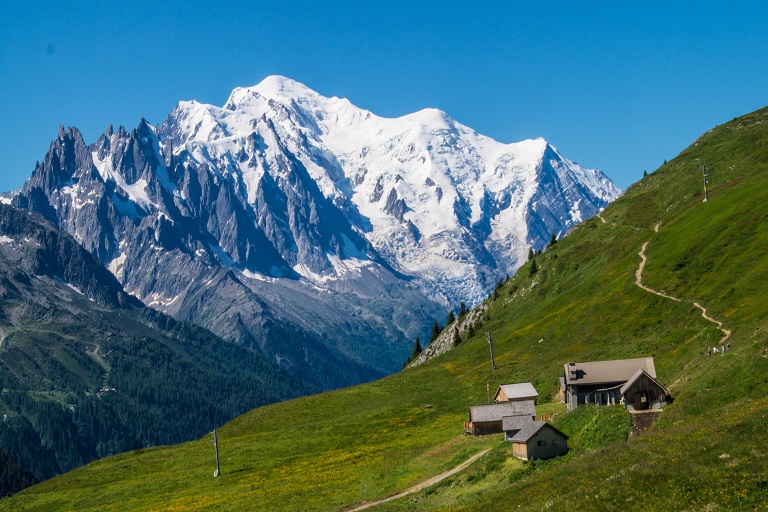
Alps Mountains: Most Iconic Peaks in Europe You Must Visit
Korean Food Culture: A Guide to the Most Iconic Korean Dishes

Philippines tourist spots – Top 10 Must-Visit Destinations

Recommended Articles for you

Top Honeymoon Destinations for Summer (2026)
0 0 Summer is not the ideal time for travel in India, given the warm weather conditions. However, if you are newly married and need to go on your honeymoon, you will need a nice destination. Thankfully, there are some […]
Hill stations in North India to visit in Summer 2026
0 0 The best hill stations in India to visit in summer 2026 include North Indian favourites like Manali, Shimla, Nainital, and Kashmir, along with South Indian escapes such as Munnar, Ooty, Coorg, and Kodaikanal. Together, these destinations offer cool […]
1 USD to INR from 1947 to 2026
18 3 Today, if we convert 1 USD to INR the Indian currency’s value is lower than USD. INR’s value ranges around 83.57 to 1 USD. Many travellers travelling abroad exchange INR to USD and then later get it converted […]
Alps Mountains: Most Iconic Peaks in Europe You Must Visit
0 0 There are landscapes you visit and landscapes that you will never forget. The Alps mountains are unquestionably in the second group. This stunning region, which stretches across Europe like a natural spine, is more than just a travel […]
Korean Food Culture: A Guide to the Most Iconic Korean Dishes
0 0 South Korea’s food scene is something you don’t just eat, you experience. Rooted in centuries-old farming traditions, Korean food culture is built around balance, colour, and seasonality. A typical meal, called a bapsang, brings together rice, soup, and […]
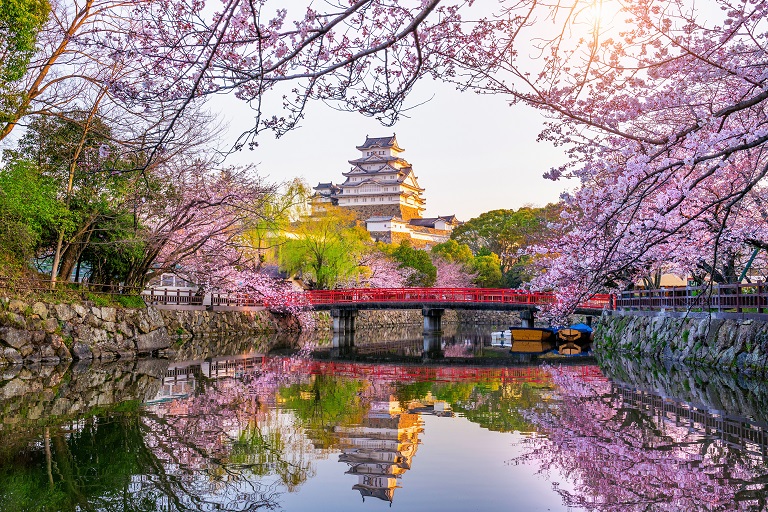
Everything You Need to Know About Golden Week Japan Before You Travel
0 0 If you are planning a trip to Japan, timing can define your entire experience, and nothing proves this more than Golden Week Japan 2026. Scheduled from April 29 to May 6, 2026, this period brings the country to […]

The Ultimate Guide to Phu Quoc Tourist Attractions and Stunning White Sand Beaches
0 0 Phu Quoc attractions, which are tucked away in the Gulf of Thailand, unfold like a well-kept secret where unadulterated luxury blends with raw nature. This Vietnamese island is more than simply palm-lined beaches; it is a dynamic environment […]
Philippines tourist spots – Top 10 Must-Visit Destinations
0 0 If you’re looking for more than just a beach vacation, the Philippines is the place to go. With more than 7,600 islands, it provides a variety of picture-perfect beaches, striking scenery, and an immediately hospitable culture. The variety […]
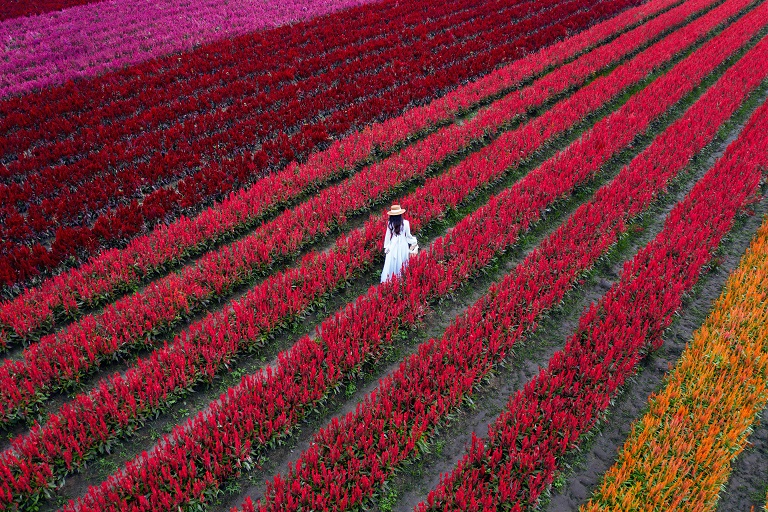
Netherlands tulip fields – A Complete Guide for the Best Views During Tulip Season
0 0 There are places you visit, and then there are places that stay etched in your senses forever. The Netherlands tulip fields belong firmly in the latter. Every spring, this small European nation transforms into a living canvas, where […]
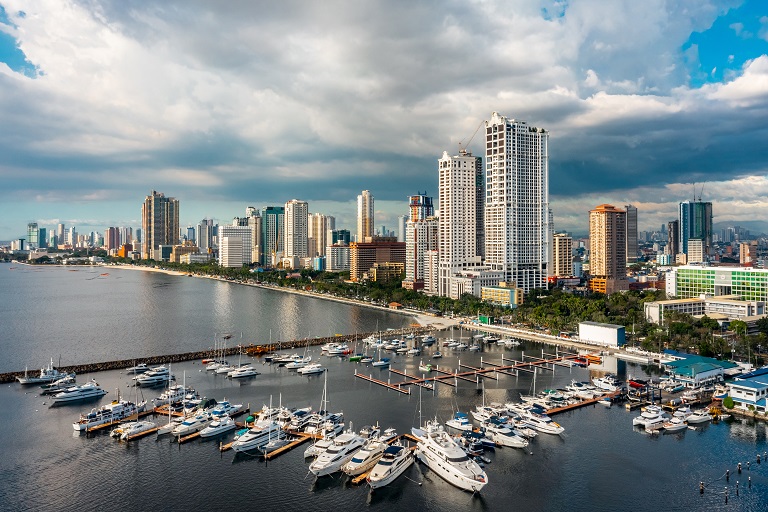
Top Manila Attractions That Blend Heritage Streets with Relaxed Beach Vibes
0 0 Manila is one of those places that initially seems crowded, but as you calm down, things begin to make sense. It combines history, culture, and daily life in a way that feels authentic rather than contrived, earning it […]
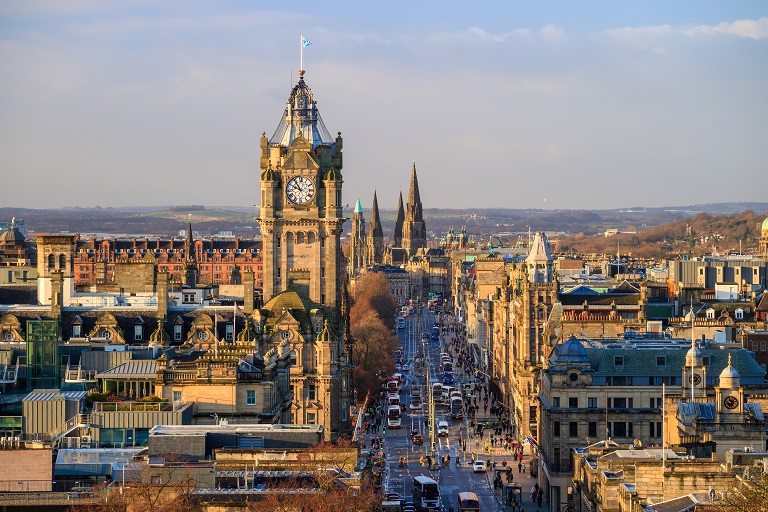
Visiting Edinburgh Castle: Everything You Need to Know
0 0 There are cities you visit, and then there are cities that unfold themselves to you slowly. Edinburgh belongs firmly to the latter. Constructed amidst historic volcanic ridges and medieval alleyways, the city seems to be a living story […]
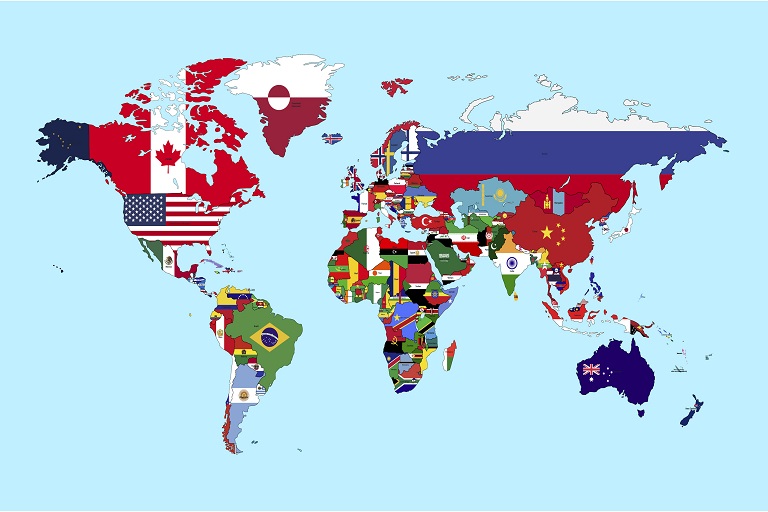
Explore the Safest Countries in the World for Stress Free Travel
0 0 In 2026, travelling is about feeling safe, appreciated, and truly at peace wherever you go, not merely crossing places off a list. Safety is becoming the most crucial consideration when making travel decisions as the world’s travel industry […]
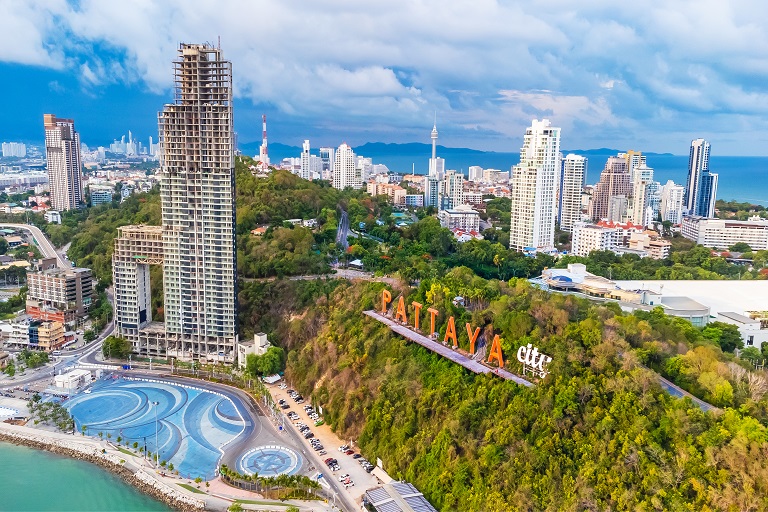
Inside Pattaya Museum Art in Paradise and Its Most Creative Attractions
0 0 If you think museums are places to “look but don’t touch,” you will think again after visiting Art in Paradise Pattaya. This isn’t like going to a normal museum—you can step inside the art, become a part of […]
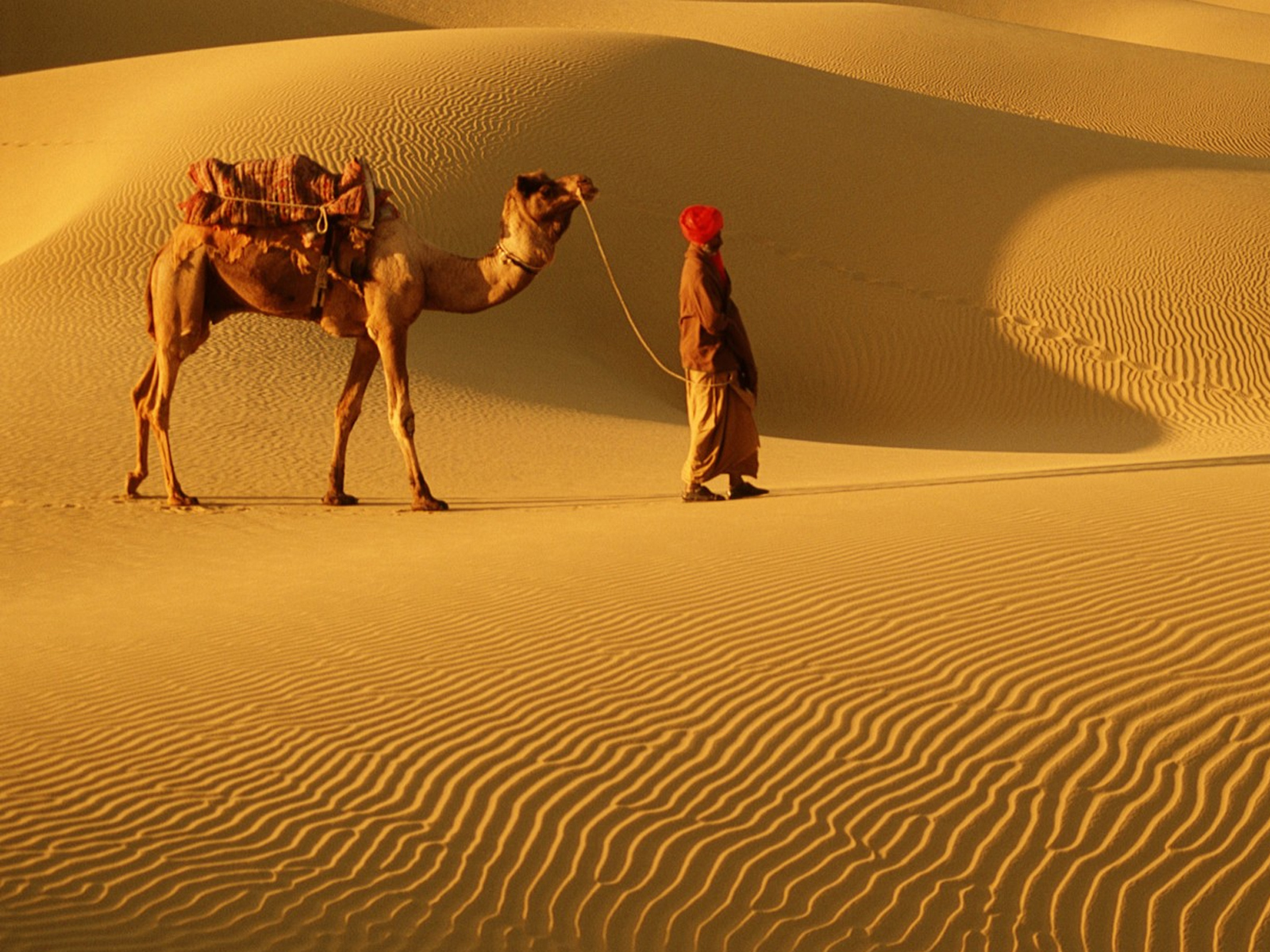
Jodhpur Things to Do that You Cannot Miss! – A Complete Itinerary of Things to do in Jodhpur
0 0 Historically, the capital of the Kingdom of Marwar, the blue city is highly spoken off on the internet. The Jodhpur tourist places photos populate every traveller’s gram and travelogues. However, for the ones who have not visited this […]
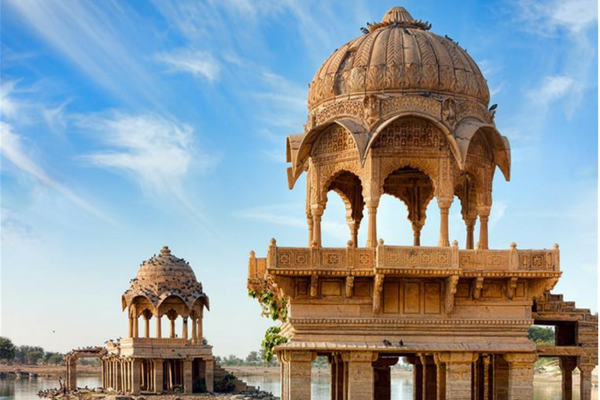
10 Places To Visit In Rajasthan For A Surreal Experience
0 0 A colourful melange of opulence and royalty best exemplifies Rajasthan tourism with its grand forts, desert safaris, fairytale palaces, and vibrant festivals all around. Delicious food, camels and hot-air balloon rides, captivating folk dances, exquisite handicrafts, wildlife expeditions, […]
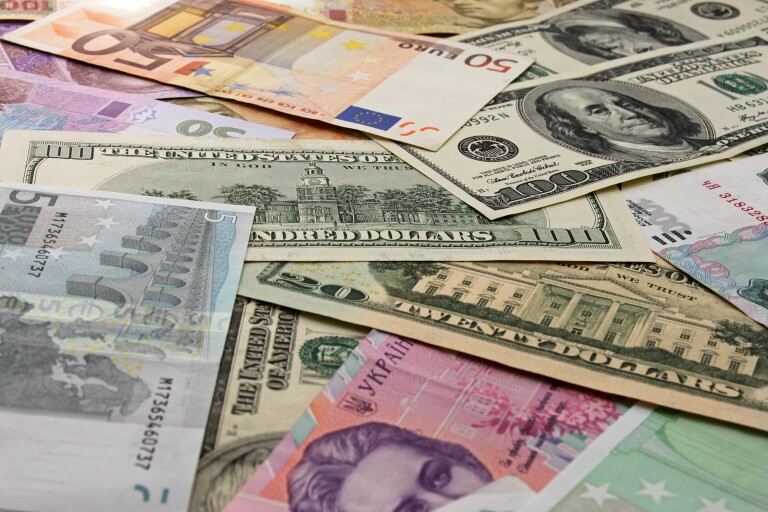
Lowest Currencies in the World with Exchange Rates in INR
5 0 As you plan your travels or delve into the economics of different countries, understanding currency values becomes crucial. The phrase ‘currencies with the lowest exchange rates in the world’ often piques curiosity, both for economic insights and the […]
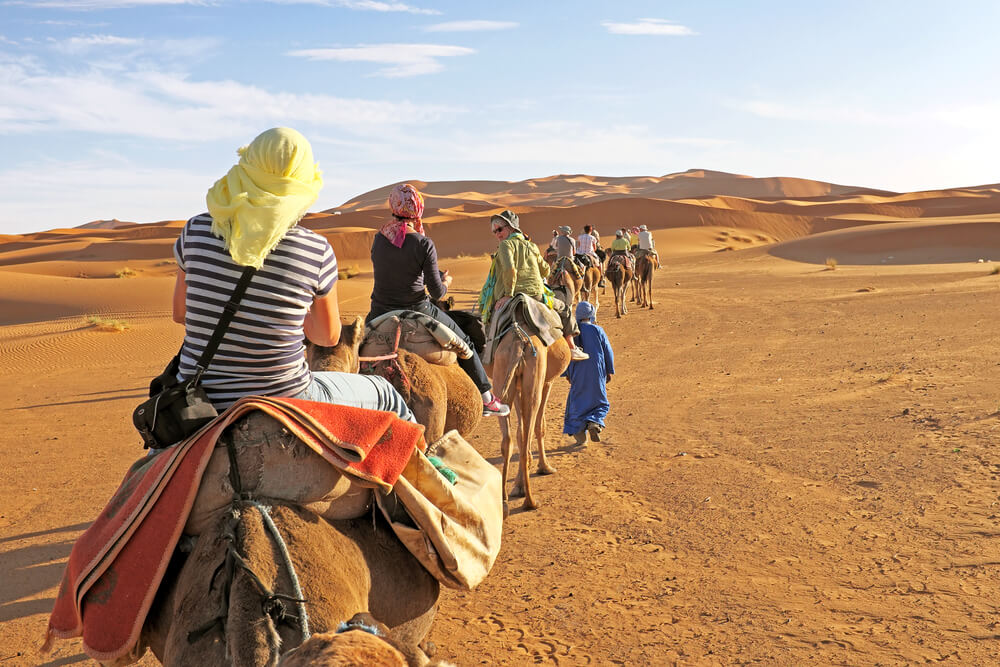
Enjoy exotic camel safari in Rajasthan
0 0 Get prepared for the great desert trips with the exotic Camel Safari in Rajasthan and have an unparallel experience. Deserts have an alluring charm of their own that attracts millions of tourists across the globe every year. Camel […]

North East – The land of undulating scenic beauty
0 0 A serene land tucked up in the lap of mighty Himalayas, the North East regions in India is bestowed with picturesque locale and inexorable culture. The vast stretch of land located on the foothills of Himalayas, is […]
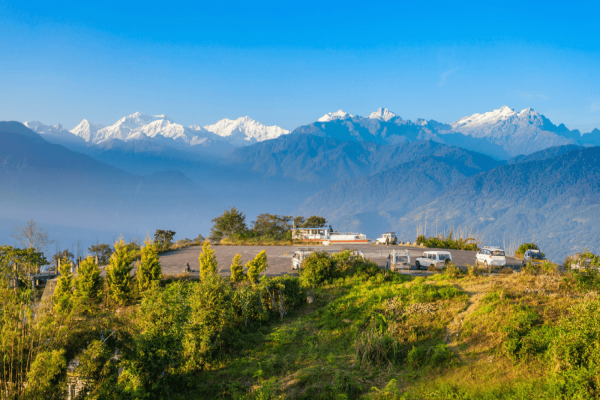
13 Most Beautiful Travel Destinations in North East India to Visit
0 0 This is the time to give wings to your fascination for wildlife. All you require is to just step into the land of North East India one that inspires the all the wildlife freaks across the world. So, […]