We use cookies to improve your website experience and provide more personalized services to you, both on this website and through other media. By continuing to use this website, you agree to our use of cookies as explained in our Cookie Policy. Please read our Cookie Policy for more information on how we use cookies and how you can disable them.
You soon discover that Somnath tourism is more than just a vacation when you start looking into it. The revered Somnath temple Gujarat welcomes you with the sound of the Arabian Sea and centuries of religion as it stands on the state's western coast. You sense Lord Shiva's serene presence as you approach the Gujarat Somnath Mandir. Travellers from all over India come to the Somnath Mahadev temple to see the sacred Jyotirlinga Somnath.
The history of the Somnath Mandir is replete with resilient tales of the shrine's repeated ascent over time. Finding the precise position of the Somnath temple near the sea, which is thought to contain the ancient Somnath Jyotirlinga, is another aspect of visiting the temple. The mystical allure of the Jyotirlinga Somnath Temple subtly lingers with you as you spend time here learning about it.
One location subtly sits in the centre of everything when you start looking at Somnath tourism. The Somnath temple Gujarat is more than just a place to visit while travelling. It is a location where dedication, faith, and history converge. The holy Gujarat Somnath Mandir, which is located next to the Arabian Sea, greets you with a serene ambience that causes you to pause and take it all in.
The Jyotirlinga Somnath is one of the main draws for tourists. The first of Lord Shiva's twelve Jyotirlingas is the revered Somnath Mahadev Temple. You experience the profound spiritual force that followers of Somnath Jyotirlinga have believed in for ages when you enter the temple.
The location of Somnath temple is another factor that makes this area feel unique. It is located next to Prabhas Patan, where faith and nature converge. The trip here seems extremely significant since devotees think the shrine safeguards the original Somnath Jyotirlinga.
The Somnath mandir history is a tale of unwavering faith. Throughout the ages, the shrine underwent multiple reconstructions, but it consistently reappeared. When you study Somnath temples, you may see why the Jyotirlinga Somnath Temple is frequently seen as a representation of dedication that endures all hardships.
Spending time here makes it clear that the temple is more than just a place to make pilgrimages. It's a spiritual encounter that silently lingers long after you're gone.
It’s very important to know the significance and the location of Somnath temple before you start your journey:
One of the first things you notice when you plan your trip to Somnath tourism is the serene surroundings of the shrine. The Somnath Temple is situated in the Gir Somnath area of Gujarat, next to Veraval in Prabhas Patan. Devotees travel to this hallowed location to see the well-known Somnath temple Gujarat, which is thought to contain the precious original Somnath Jyotirlinga. You start to see why the Somnath Jyotirlinga Temple has been a significant pilgrimage site for generations as you stroll around the Gujarat Somnath Mandir.
The location next to the Arabian Sea is what really sets the area apart. The temple bells blend with the sound of the sea as the Somnath Mahadev Temple stands proudly along the shore. As you stand here, you sense a peaceful bond between devotion and the natural world. Reminding you that the shrine of Jyotirlinga Somnath has witnessed centuries of faith unfold beside the boundless sea, this hallowed coastline site adds richness to the history of Somnath Mandir.
Because it's easy to go to the temple, Somnath tourism is increasing annually. The Veraval railway station is just a short drive away, and the area is easily connected to Gujarati cities via roadways. The Somnath temple Gujarat has grown to be a significant spiritual and cultural destination for tourists visiting India's western coast due to its convenient accessibility.
When you travel to this magnificent place, the site will pull you in with its history and glory:
You discover that this hallowed location has been revered for hundreds of years as you start learning about the history of Somnath Mandir. The ancient Somnath Jyotirlinga, which followers say was initially worshipped by the Moon God Soma, is where the story starts. Ancient customs state that he constructed a shrine to express gratitude to Lord Shiva for releasing him from a curse. The spiritual essence of Jyotirlinga Somnath remained the centre of the area even when kings and devotees reconstructed the temple in various ways over time. You may still experience that lengthy chain of devotion when you visit the Somnath Mahadev temple today.
The amazing aspect of Somnath Mandir's history is how the temple persevered through numerous trying times. The shrine was repeatedly attacked and destroyed over the course of several centuries. However, rulers and devotees who firmly believed in the power of the Somnath Jyotirlinga temple restored the temple each time. These reconstruction stages came to represent cultural resilience and faith. As you enter the Gujarat Somnath Mandir, you realise that the shrine is about resilience as much as architecture. Even under the most difficult circumstances, the loyalty to Jyotirlinga Somnath remained unwavering.
The modern Somnath temple Gujarat that you see today was rebuilt after India gained freedom. Restoring the shrine, according to leaders and followers, would honour the nation's spirit. The contemporary temple, which is situated next to the sea in the hallowed site of the Somnath Temple, has grown to be a potent symbol of cultural renewal. The temple is more than just a historical site for tourists interested in Somnath tourism. You get the impression that the Somnath Mahadev Temple serves as a reminder that tradition and religion can always triumph over adversity.
You can’t fully enjoy the trip without knowing the significance and the backstory of the place:
The spiritual presence of the Somnath Jyotirlinga Temple is immediately apparent when you come during the Somnath tourist season. The temple has great significance for believers since the holy Jyotirlinga Somnath is thought to be the first of Lord Shiva's twelve Jyotirlingas. You can feel the peaceful devotion that has lured pilgrims to the Somnath Mahadev temple for millennia as soon as you enter. This temple has always been more than just a building, even when you read tales about Somnath temple. It is a location where belief and faith have endured across time.
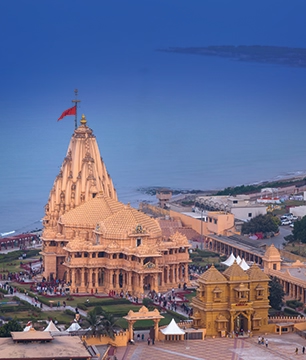
Even before you reach the sanctum, you can see how beautiful the Somnath temple Gujarat is. The Gujarat Somnath Mandir is a tall structure with intricate carvings and a magnificent shikhara facing the sea that was constructed in a great traditional style. You can see the Arabian Sea from the temple courtyard and comprehend why the Somnath Temple's setting feels so potent. The design preserves the sacred spirit of Jyotirlinga Somnath for contemporary visitors while reflecting the architecture of old temples.
Knowing the rituals will help you make the most of your visit. Darshan is held at the Somnath Jyotirlinga Temple from dawn until dusk. The Somnath Mahadev temple is filled with bells and chants during daily aartis, which typically take place in the morning, midday, and evening. Simple rules for guests, such as security inspections and phone bans inside the temple, are also evident during Somnath tourism and contribute to the preservation of the hallowed ambience.
The belief in the original Somnath Jyotirlinga is the strongest spiritual attraction for many believers. For generations, followers have worshipped Lord Shiva's heavenly light, which symbolises it. When you enter the Somnath temple Gujarat, you realise that it is more than simply a shrine; it is a living religious tradition that still acts as a guide for pilgrims from all over the nation.
This holy shrine is beautiful not just because of its devotion but also because of its amazing design and surrounding symbols.
The magnificent building immediately draws your attention when you first view the Somnath temple Gujarat. The Gujarat Somanath Mandir, which was constructed in the classic Chalukya style, exemplifies the grace of traditional Indian temple design. A formidable presence against the sky is created by the lofty spire rising proudly above the Somnath Mahadev Temple. The intricate carvings and expertly made pillars that honour years of craftsmanship are visible as you stroll through the Somnath Jyotirlinga Temple's halls. This architecture subtly conveys the history of the Somnath Mandir and serves as a reminder that the temple has been repeatedly rebuilt out of devotion to preserve the holy Jyotirlinga Somnath.
The renowned Baan Stambh is one of the most intriguing things you see when visiting Somnath. This historic pillar is located close to the temple complex and faces the sea. The site of the Somnath Temple is made even more memorable by the expansive Arabian Sea that is seen from this vantage point. Standing watch over the coast where devotees have gathered for millennia, the sea-facing edifice of the Somnath Mahadev Temple represents spiritual power and openness.
You come to understand that there is much more to learn about the complex than just the main temple. Smaller shrines, serene gardens, and a museum offering more in-depth information on Somnath Mandir history may also be found on the temple grounds. Sculptures, remnants of temples, and historical artefacts related to the revered original Somnath Jyotirlinga can be found inside. This museum offers a significant perspective on the spiritual journey of Jyotirlinga Somnath for anyone considering Somnath tourism.
Even though the holy shrine is the main attraction, you will find that there are several significant locations nearby that enhance your Somnath tourism experience.
The serene Triveni Sangam is located a short distance from the Somnath temple Gujarat. For pilgrims visiting the Somnath Jyotirlinga temple, this holy confluence of three rivers has profound spiritual significance. Before entering the Somnath Mahadev temple, many devotees take a ceremonial dip here because they believe it purifies the soul. The serene ambience and the neighbouring Gujarat Somnath Mandir serve as a reminder of the strong relationship between faith and nature in this hallowed area.
Bhalka Tirth, which is a few kilometres away from the Somnath temple, is another significant destination for tourists visiting Somnath. It is thought that Lord Krishna departed from this serene location. The serene temple here contributes to the spiritual significance of Jyotirlinga Somnath and shows decades of devotion. Learning about this location also makes a lovely connection to the region's spiritual legends and the larger history of the Somnath Mandir.
Another peaceful location you could check out while researching Somnath tourism is the Gita Mandir. The temple walls, which are made of vivid stone and include passages from the Bhagavad Gita, provide a contemplative ambience. It provides a peaceful respite after visiting the shrine that contains the original Somnath Jyotirlinga.
The serene Somnath Beach, located next to the Somnath temple Gujarat, provides a lovely view of the coast. From here, you may listen to the waves and take in the Somnath Mahadev Temple's seafront presence. It's a great spot to unwind after seeing the Gujarat Somnath Mandir.
The festivities that fill the air with devotion and celebration throughout the year make the holy town even more lively.
Mahashivratri is a really exceptional time to visit Somnath if you wish to experience its spiritual core. Thousands of pilgrims assemble to worship Lord Shiva on this holy night at the exquisitely decked Somnath temple Gujarat. As pilgrims donate milk, flowers, and water to the Jyotirlinga Somnath, prayers, chants, and rituals continue well into the night inside the Somnath Mahadev Temple. You may sense a strong sense of dedication that links guests to the centuries-long history of the Gujarat Somnath Mandir as you stand in its courtyard.
The holy months of Shravan and Kartik Purnima are two more fantastic times to visit the Somnath Jyotirlinga temple. During these times, pilgrims flock to the Somnath Temple to offer prayers and ask for blessings. Devotees congregate around the shrine that contains the ancient Somnath Jyotirlinga, creating a serene yet energetic temple ambience that enhances the significance of Somnath tourism.
These significant holidays and holy months typically coincide with the peak pilgrimage seasons. Devotees from all over the nation flock to pray at the Somnath Mahadev Temple in Gujarat during these periods. You can witness how profoundly the faith surrounding Jyotirlinga Somnath endures to this day by travelling during these times.
You may take in the spiritual ambience and stunning coastline of this hallowed location without feeling hurried if you plan your trip wisely.
The best time to travel to Somnath is between October and March. You can more easily tour the Somnath Jyotirlinga Temple and other sites during these months due to the favourable weather in the Gujarat area. Along the shore, summers can get very hot, and the monsoon season brings a lot of rain. When you visit in the winter, you may spend quiet time within the Somnath Mahadev Temple, learn about the rich history of the Somnath Mandir, and offer prayers to Jyotirlinga Somnath without being bothered by the intense heat.
The attractions of Somnath tourism can be experienced in one or two days for the majority of travellers. This allows you time to see the Gujarat Somnath Mandir, go to an aarti at the Somnath Jyotirlinga Temple, and explore the surrounding areas. Near the shrine thought to contain the original Somnath Jyotirlinga, which many devotees see as the town's spiritual hub, you can also have some peaceful time to reflect.
During the winter pilgrimage season and festivals, the temple town is particularly crowded. Thousands of devotees travel to Gujarat's Somnath Temple to worship during Mahashivratri, also known as the Shravan month. Arriving early in the day allows you to have a more tranquil darshan experience at the Somnath Mahadev Temple if you intend to visit during these hours.
Travellers from all over the nation can easily arrange Somnath tourism because it is easy to go to this holy seaside town.
If you would rather fly, Diu Airport, which is around 80 kilometres distant, is the closest airport to the Somnath temple Gujarat. From there, it's simple to board a bus or hail a cab to get to the Somnath Temple. Rajkot Airport, which has connections to several important Indian cities, is another practical choice. Once there, the path to the Gujarat Somnath Mandir is easy and picturesque, progressively drawing you nearer to the famed Jyotirlinga Somnath and the hallowed Somnath Mahadev Temple.
One of the most common methods to get to this pilgrimage site is by train. The Somnath Jyotirlinga Temple is not far from the Somnath Railway Station, and Veraval Junction is another important railhead in the area. The location of Somnath temple is only a short drive from any station. The excitement grows as you journey across Gujarat by train until you reach the temple associated with the original Somnath Jyotirlinga and the lengthy history of Somnath Mandir.
For those interested in Somnath tourism, driving is just as convenient. The Somnath temple Gujarat is connected to major cities like Rajkot, Ahmedabad, and Junagadh by well-maintained roadways. The Gujarat Somnath Mandir is frequently visited by state buses and private coaches, which make the trip comfortable and bring you closer to the revered Somnath Mahadev temple.
There are several cosy lodging options around the hallowed temple region if you plan your stay during the Somnath tourist season.
Many pilgrims who travel to Gujarat's Somnath Temple choose to stay in modest dharamshalas close to the shrine. You can easily attend early morning prayers at the Somnath Mahadev temple thanks to these reasonably priced lodgings and their proximity to the Gujarat Somnath Mandir. Clean rooms and basic amenities are offered by a number of guest homes managed by temple trusts. You can spend more time touring the Somnath Jyotirlinga Temple and learning about the rich history of Somnath Mandir, which is associated with the hallowed Jyotirlinga Somnath, if you stay here.
There are many low-cost and mid-range hotels around the Somnath Temple if you'd like to be more comfortable. These accommodations put you close to the temple area while providing contemporary amenities. You can unwind pleasantly before continuing your Somnath tourism adventure after spending the day at the Somnath Jyotirlinga temple and praying to the authentic Somnath Jyotirlinga.
The temple town's cuisine is straightforward, fresh, and primarily vegetarian. Traditional Gujarati meals and light snacks are served at several restaurants close to the Somnath temple Gujarat. A nice way to round off your day of touring the revered Gujarat Somnath Mandir is to eat a warm local dinner after visiting the Somnath Mahadev Temple.
Maintaining basic manners when visiting sites of worship contributes to the tranquil atmosphere of Somnath tourism.
Dressing modestly when visiting the Somnath temple Gujarat demonstrates respect for the hallowed ambience. When visiting the Somnath Mahadev temple, light traditional attire that covers your knees and shoulders is normally suggested. Additionally, you will see devotees in the Somnath Jyotirlinga temple silently praying to the Jyotirlinga Somnath. You can experience the profound devotion associated with the lengthy history of Somnath Mandir by adhering to the temple procedures and going serenely through the prayer rooms.
On the grounds of the temple, photography is strictly prohibited. Inside the Gujarat Somnath Mandir, especially near the sanctum where the actual Somnath Jyotirlinga is worshipped, photographs and cell phones are not allowed. This regulation aims to preserve a tranquil atmosphere for guests while safeguarding the shrine's purity.
Maintaining a clean environment is crucial when exploring the vicinity of the Somnath Temple, particularly the holy Triveni Sangam. Respect the natural beauty around this sacred location and refrain from littering.
When you choose Thomas Cook for Somnath tourism, your trip starts out feeling well-planned and cosy. Having professionals handle the travel arrangements for your trip to Gujarat's holy Somnath Temple will save you time and effort. With well-thought-out itineraries, dependable transportation, and cosy lodging, you can stop thinking about the details and concentrate on the spiritual experience. Additionally, their trip advice enables you to discover neighbouring holy spots and comprehend the temple's associated myths. Therefore, you receive a seamless and well-paced trip that allows you to really appreciate Somnath's dedication, culture, and coastline beauty rather than having to prepare everything yourself.
The first of Lord Shiva's twelve Jyotirlingas is thought to be the hallowed Jyotirlinga Somnath. You may see why the Somnath Mahadev Temple is so important to devotees when you visit it. This shrine is seen by many pilgrims as a symbol of Shiva's heavenly energy and everlasting brightness. For generations, the Somnath Jyotirlinga Temple has been a site of worship, attracting tourists and devotees who wish to experience the profound spiritual aura associated with this hallowed monument.
The Somnath Temple is situated on Gujarat's western coast in Prabhas Patan, close to the town of Veraval. The Somnath temple Gujarat has a serene coastline backdrop because it is located just next to the Arabian Sea. When you get to the Gujarat Somnath Mandir, you'll see how the temple faces the wide ocean, providing a stunning fusion of devotion and the natural world.
The history of Somnath Mandir is one of tenacity and commitment. The temple underwent numerous invasions over the course of several centuries, and monarchs and followers restored it several times. The holy Jyotirlinga Somanath Temple remained a popular pilgrimage destination in spite of these difficulties. In order to preserve the shrine's spiritual history, the current Somnath temple Gujarat was rebuilt in the 20th century.
The traditional Char Dham circuit does not formally include the temple. However, because the Somnath Jyotirlinga Temple is one of the most revered sanctuaries devoted to Lord Shiva, many pilgrims include it in their travels. You will discover that Somnath Temple continues to play a significant role in India's spiritual tourism pathways.
The best time to travel to Somnath is between October and March. You may easily tour the Somnath Mahadev Temple and other sights during these months due to the good weather. The temple town is particularly lively during festivals like Mahashivratri.
For the majority of tourists, Somnath tourism may be experienced in one or two days. You can visit the Gujarat Somnath Mandir, go to the Somnath Jyotirlinga Temple's aarti, and explore neighbouring holy locations during this period. You can spend a little more time exploring the seaside area if you like to travel slowly.
According to devotees, the ancient Somnath Jyotirlinga's spiritual essence is still preserved in the temple. The adoration of Jyotirlinga Somnath has persisted uninterrupted for generations, despite the temple's structure having undergone multiple reconstructions, according to Somnath Mandir history.
Indeed, the temple is located very close to the Arabian Sea. After visiting the Somnath Mahadev Temple in Gujarat, you can unwind and take in the coastline views at Somnath Beach. The serene beach completes the Somnath tourism experience and gives a lovely natural background to your visit.