We use cookies to improve your website experience and provide more personalized services to you, both on this website and through other media. By continuing to use this website, you agree to our use of cookies as explained in our Cookie Policy. Please read our Cookie Policy for more information on how we use cookies and how you can disable them.
Kedarnath is one of India's holiest religious sites, and people from all over the world come to worship, seek spiritual guidance, and enjoy the mountains. High in the Garhwal Himalayas, it is a popular tourist destination that blends religious worship with stunning mountain scenery. With its snow-covered peaks and glacial rivers, the ancient Kedarnath temple is a powerful part of the trip. Not only is it a holy experience, but it's also a test of your faith, patience, and sense of self-worth.
There is emotional value in every trip, whether it is by foot, pony, or chopper. The difficult views and the beautiful Kedarnath trekking routes make the trip's spirituality even stronger. The place is still the spiritual centre of Himalayan travel because it is one of the most essential Char Dham sites.
Kedarnath is one of the most holy places in India, and it has a long history with Lord Shiva. The sacred town, which is at a height that tests both physical and mental toughness, is a sign of unwavering faith. Every step toward the shrine is an act of surrender, and this is the foundation of Kedarnath tourism.
People believe that the divine aura of the Kedarnath temple can wash away past sins and spiritually free people. Pilgrims who are about to go on a trip often say that it will change their lives and make them more humble. The temple is significant to Hindus because it is one of the twelve Jyotirlingas.
It has been hundreds of years since wise people, pilgrims, and saints made their way through woods and mountains to this holy place. Not only is the difficult Kedarnath trek hard on the body, but it is also hard on the mind. Millions of people still visit the site every year to find spiritual connection, natural peace, and mental peace.
The place where Kedarnath is located is both emotionally powerful and dramatic in terms of geography. The Garhwal Himalayas offer extreme altitude, rugged mountain scenery, and pristine alpine surroundings. This remote Himalayan setting is what makes Kedarnath tourism unique. There, in the silence, snow, and stone, dedication takes place.
Every trip passes through places that demand respect, patience, and awareness, making it even more holy. It is also essential that the area is naturally separate, which helps keep the spiritual purity of the Kedarnath temple.
At an elevation of about 3,583 meters above sea level, Kedarnath is located in the Rudraprayag area of Uttarakhand. It is close to where the Mandakini River begins, but it's only available during certain months of the year due to heavy snowfall.
The Kedarnath trek from Gaurikund is the only way to reach the shrine, and it is an integral part of the pilgrimage experience. The spiritual power and overall appeal of the place are both enhanced by its remote position.
Tall, snow-covered hills, glacial valleys, and fast-moving mountain streams make up the area around Kedarnath. The Chorabari Glacier, near the temple, feeds the Mandakini River and has been shaping the area's rugged terrain for hundreds of years.
Kedarnath trekking is a beautiful experience because of these dramatic natural features. At every step, visitors see the raw power and peace of the Himalayas.
A rich history, sacred stories, and deep-rooted mythology have shaped Kedarnath's spiritual character over the years. The stories of Lord Shiva, the Pandavas, and the holy temple make Kedarnath a popular tourist destination and a place of great religious significance.
Ancient Hindu scriptures provide detailed references about Kedarnath temple, describing it as a powerful Jyotirlinga where Lord Shiva resides eternally. The Skanda Purana and other texts emphasise the importance of the temple for spiritual freedom. These references in the scriptures establish it as a holy place where devotion, penance, and divine energy come together to guide travellers on every trip.
The most well-known story about Kedarnath is about the Pandavas, who went there to ask Lord Shiva to forgive them after the Mahabharata war. Instead of going near them, Lord Shiva turned into a bull and later showed up there. This story is significant to religious visitors because the spot where his hump appeared became the Kedarnath temple.
The place has deep spiritual significance for Indians that goes beyond legend. Pilgrimages, rituals, and practices that date back hundreds of years all centre on the Kedarnath temple, which symbolises surrender and inner cleansing. The spiritual practice of visiting the shrine strengthens beliefs. The pilgrimage is a mix of faith, tradition, and group devotion.
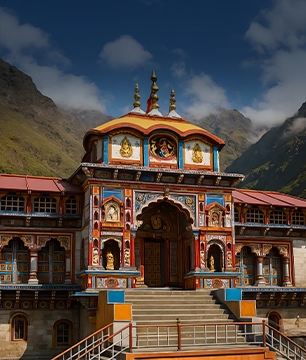
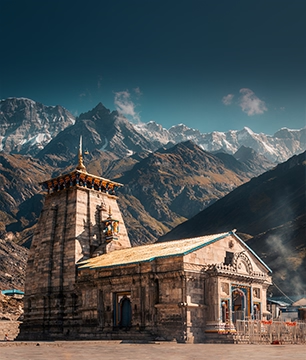
In the Himalayas, the Kedarnath temple is a strong sign of faith, strength, and loyalty. This holy shrine has beautiful old architecture, long-standing traditions, and strict darshan practices that make up its spiritual essence.
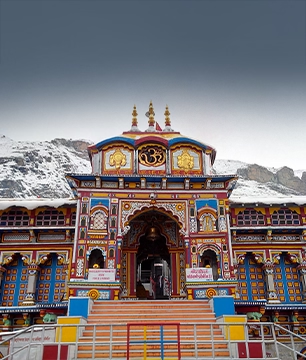
People believe that the Pandavas built the temple and that Adi Shankaracharya brought it back to life in the 8th century. With its huge slabs of grey stone interlocked without mortar, the temple is a fantastic work of architecture that withstands the harsh conditions of the Himalayas. The building has stood the test of time despite earthquakes and storms, supporting ideas about Kedarnath, its spiritual power and divine protection.
Inside the temple, people worship an uneven, cone-shaped Shiva lingam that they think represents Lord Shiva's hump. According to stories about Kedarnath temple, this shape appeared when Shiva appeared to the Pandavas. For travellers, darshan is deeply emotional because the sanctum emits a great deal of spiritual energy.
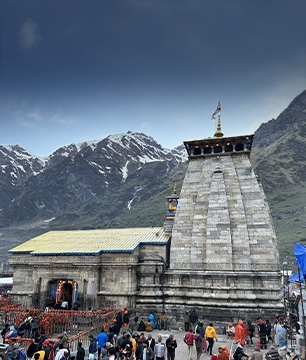
Depending on the weather, the Kedarnath temple is open from late April or early May until November. Darshan has strict rules about lines, times, and what to wear. During the busy tourist season, it is essential for visitors to respect local rituals, remain quiet, and follow safety guidelines.
Kedarnath temple is one of the Char Dham because it represents ultimate devotion to Lord Shiva. It stands for freedom, penance, and spiritual completion, and is located high in the Himalayas. People believe that visiting this shrine will wash away their sins and complete a sacred pilgrimage circle that will last forever, benefiting generations of people seeking divine blessings.
The Kedarnath trek is more than just a walk; it's a test of your faith, patience, and inner strength. By walking through the Himalayas, the Kedarnath trekking brings visitors closer to nature and prepares them for the spiritual energy of the holy site.
The Kedarnath trek starts at Gaurikund and goes to the shrine along a well-marked mountain trail. Along this path, you'll see Rambara, dense woods, suspension bridges, waterfalls, and river crossings. It's a potent mix of spirituality and natural beauty. During the Kedarnath trekking, visitors say prayers, rest at designated spots, and notice notable changes in the landscape as they climb higher.
Authorities keep the road in good shape and provide rest areas, medical aid stations, and refreshment stands. Even though there are modern services along the trail, it still has a very Himalayan feel to it. This makes the Kedarnath trek emotionally and spiritually intense for all travellers.
The one-way route is about 16 kilometres long and is considered fairly complex. It's hard because there are steep climbs, uneven roads, and weather that can change at any time. At a high altitude, where the Kedarnath trekking takes place, oxygen levels drop a lot, making it more likely that you will get tired and short of breath.
Pilgrims should walk slowly, stop often, drink plenty of water, and get used to their new surroundings. Being physically fit is very important for making the Kedarnath trek easier, especially for first-time pilgrims or older pilgrims.
To make the trip easier to get to, there are options along the way besides walking. Pilgrims who can't walk the whole Kedarnath trek often use ponies and palkis to get around.
Using a helicopter service from a nearby airport is faster and easier on the body. These facilities ensure that the Kedarnath trekking remains open to everyone, so that people of all ages can safely reach the holy site.
People love this place for its powerful spiritual energy, rich history, and stunning Himalayan setting. A Kedarnath trip is valued not only for its religious significance but also for the peace of mind and natural beauty it offers.
People worship the Kedarnath temple as one of Lord Shiva's twelve Jyotirlingas. Because it is holy, it is one of the most critical places for Hindus to visit on a journey. Every Kedarnath tour has spiritual significance because devotees believe it brings them freedom and divine grace.
People who go on pilgrimages often talk about a strong spiritual influence during their trip. The old temple, the sacred chants, and the silence of the mountains all combine to create a very holy atmosphere. This spiritual intensity is a significant reason Kedarnath draws millions of tourists every year.
Beyond faith, the place is famous for its breathtaking Himalayan scenery. Around the shrine are snow-covered hills, glaciers, and river valleys that make the Kedarnath trek more interesting. This tourist spot has a rare natural quality that these untouched landscapes add.
The weather in the high Himalayas can change quickly, so choosing the right time of year is essential for a safe and enjoyable Kedarnath trip. The shrine is only open for a few months a year, so it's essential to plan your trip around that time.
People visit the temple most often at this time. The snow begins to melt, the weather is steady yet chilly, and pilgrims and hikers can finally access the Kedarnath trek.
Landslides and heavy rains are features of the monsoon season. Kedarnath trekking is usually not advised during this time due to the risk involved.
Perfect for people who want to avoid crowds. This is the ideal time of year for a tranquil Kedarnath tour, thanks to clear skies, clean mountain air, and safer paths.
Heavy snowfall keeps the Kedarnath temple closed, and the area becomes unreachable.
Late summer and early fall are thought to be the best times to visit the place for a spiritual and travel-filled experience.
To understand How to reach Kedarnath, you can take the road, walk up mountains, or choose to have air help. There are different routes for people with different levels of fitness and time limits. Various access modes for a smooth Kedarnath trip maintain the journey's spiritual essence, whether you choose a traditional pilgrimage walk or a faster option.
To get to Kedarnath by road, you start in either Haridwar or Rishikesh and go through Devprayag, Rudraprayag, and Sonprayag before you get to Gaurikund. This drive with views of the river and mountain towns is an integral part of Kedarnath tourism. For all tourists, Gaurikund is the last place they can reach by car.
Pilgrims start their 16-kilometre Kedarnath trekking journey from Gaurikund. The road goes through woods, over bridges, and up and down steep hills. This trek is both psychologically important and physically demanding, so planning ahead is essential for a safe trip.
You can take a helicopter from Phata, Sersi, or Guptkashi instead of walking. For seniors or short-term Kedarnath trip plans, this choice is best. Nowadays, helicopter rides are a big part of Kedarnath tourism. It reduces travel time while keeping pilgrims comfortable.
The accommodations and basic services in the place are made to help travellers in this high-altitude, remote Himalayan location. Some options focus on safety, ease of use, and accessibility to ensure visitors have a pleasant stay during their Kedarnath trip while also respecting the area's spiritual and ecological importance.
The safest places to stay near the Kedarnath temple are registered dharamshalas and GMVN guesthouses. These places offer simple rooms with clean sheets and hot food. Most visitors who are planning a structured Kedarnath tour choose them because the prices are stable and they are close to the shrine.
Seasonal camps and huts help handle the large number of tourists during the busiest months. These cheap places to stay have shared bathrooms, heated tents, and basic beds. They are popular with pilgrims finishing the Kedarnath trek who need a short, practical place to stay the night near the temple.
At food stands, you can get easy vegetarian meals that are good for high elevations. During the trek, travellers can access medical aid centres, oxygen support, and emergency services. In harsh mountain conditions, these facilities are essential for ensuring people's safety, monitoring their health, and responding to emergencies.
Responsible travel keeps Kedarnath tourism emotionally pure, safe for future pilgrims, and environmentally friendly. It also preserves the sacred Himalayan scenery.
Kedarnath is in a fragile, eco-sensitive zone where it is illegal to use plastic, leave trash, or make excessive noise. Along with reusable items, pilgrims must follow rules for disposing of trash and forest rules to protect the glaciers, rivers, and wildlife around the holy shrine.
For a safe trek, you need to make sure you're ready for the high altitude, changing weather, and physical effort. Acclimatising slowly, staying hydrated, and getting medical clearance are all things travellers should do before hiking, especially if they are older or will be managing health problems during the trip.
During a Kedarnath tour, it is essential to keep control, humility, and respect. Pilgrims should be respectful, dress modestly, follow temple rules, and respect local customs. This way, every visit to the site shows devotion, reverence, and a sense of spiritual duty for the whole community.
If you choose Thomas Cook, you can be sure your spiritual journey will be well planned and backed by decades of travel experience. From smooth logistics to reliable on-the-ground support, Thomas Cook ensures every Kedarnath trip is comfortable, well-planned, and emotionally fulfilling. This lets pilgrims focus on their devotion and the sacred experience.
Thomas Cook carefully plans each Kedarnath tour, taking into account pilgrims' needs, the best routes, and how to make the most of time. The itineraries take spiritual needs and comfort into account, planning for darshan at the temple, acclimating to the altitude, and ensuring smooth transitions. This ensures the trip is essential and stress-free.
Thomas Cook takes care of everything for you during your trip, from booking your transport to finding a place to stay and getting help in the area. Our team handles all aspects of Kedarnath tourism, including permits, transfers, and advice, ensuring pilgrims are safe, comfortable, and at ease at all times.