1800-2099-100
 Contact Us
 Stores


 English
 हिन्दी






 {{loginErrorMsg}}





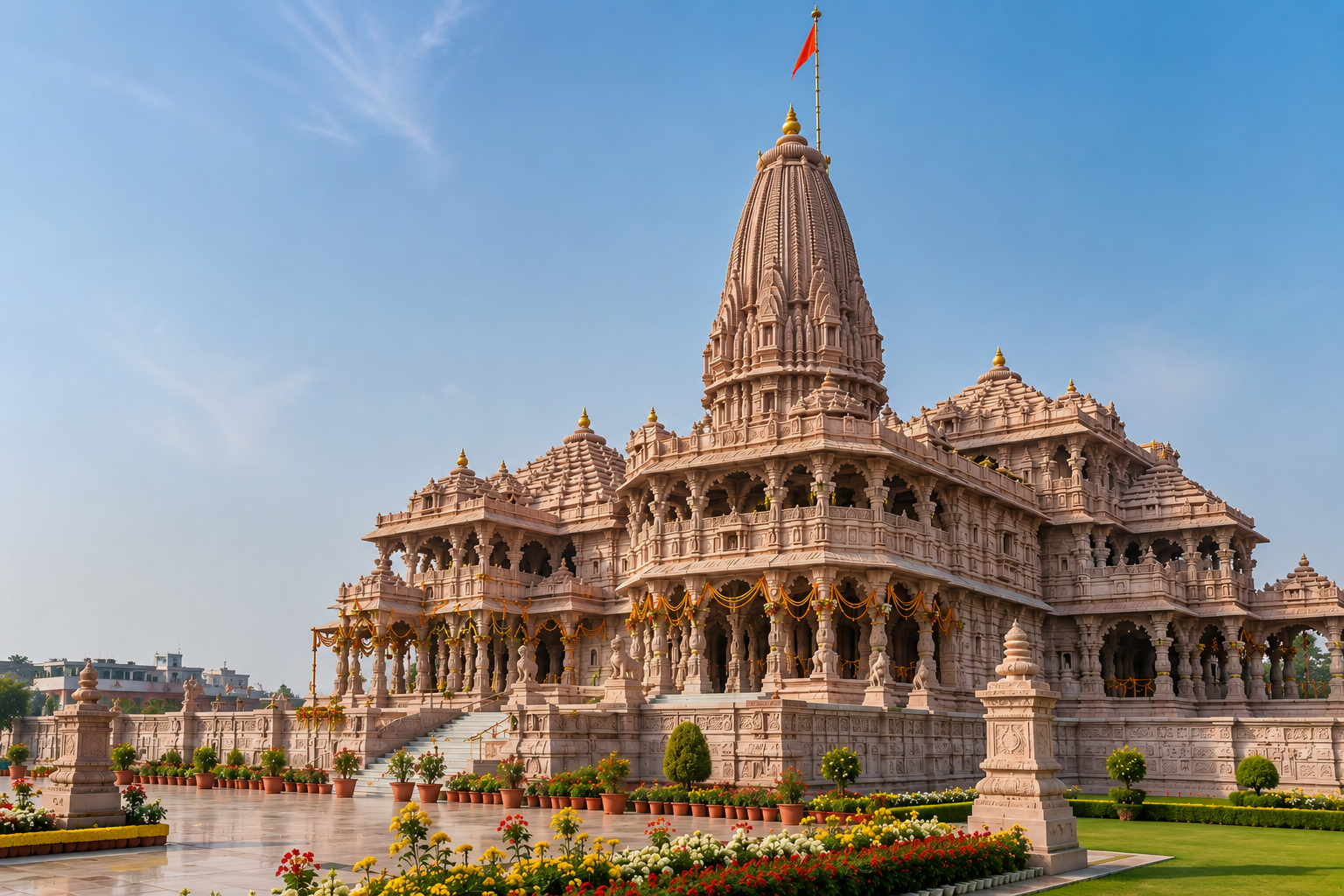



Preserving Rituals
Daily prayers, sacred ceremonies and age-old customs continue to be practised within these sanctuaries.
We use cookies to enhance your experience and personalize services. By continuing to browse, you agree to our use of cookies as outlined in our Cookie Policy.
We use cookies to enhance your experience. By continuing to browse, you agree to our Cookie Policy.

 Edit Profile
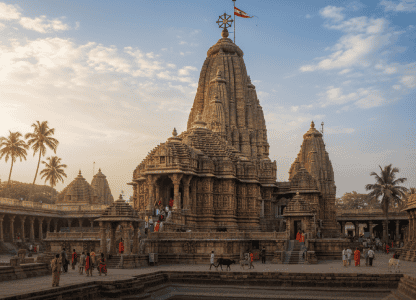
India is home to an incredible network of holy shrines and pilgrimage routes that have drawn seekers for thousands of years. You will find everything here, from massive, bustling temples tucked away in historic cities to quiet, hidden monasteries surrounded by nature. None of these places is just tourist stops. Every single shrine carries its own unique history, local rituals, and raw spiritual energy that defines the very rhythm of daily life in India.
People don't just visit these shrines to check them off a travel bucket list; they come seeking a moment of genuine stillness. The second you step into these spaces, the combination of chanting, ancient architecture, and columns of burning incense forces you to slow down and breathe. Beyond the religious aspect, these sites act as a cultural window into India's living history. Watching rituals that have remained unchanged for generations has a way of resetting your perspective. It is the kind of travel experience that sticks with you, leaving you with a lasting sense of clarity long after you have returned home.

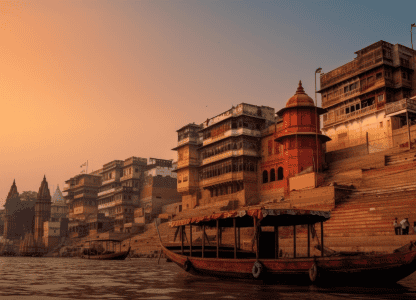
Take a journey through the temples dedicated to Lord Vishnu and his most beloved avatars, Lord Rama and Lord Krishna. Scattered across every corner of India, these sacred spaces em

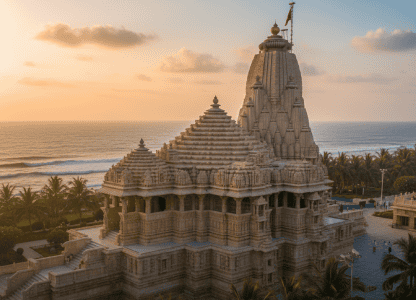
Next, look to the ancient stone temples dedicated to Lord Shiva, the deity of raw creation and destruction. Deeply tied to the cosmic energy of Goddess Parvati and the sacred flow of the River Ganga, these shrines carry an entirely different atmosphere

Sacred sanctuaries are more than places of worship. They are living heritage that nurture faith, culture, knowledge and community across generations.
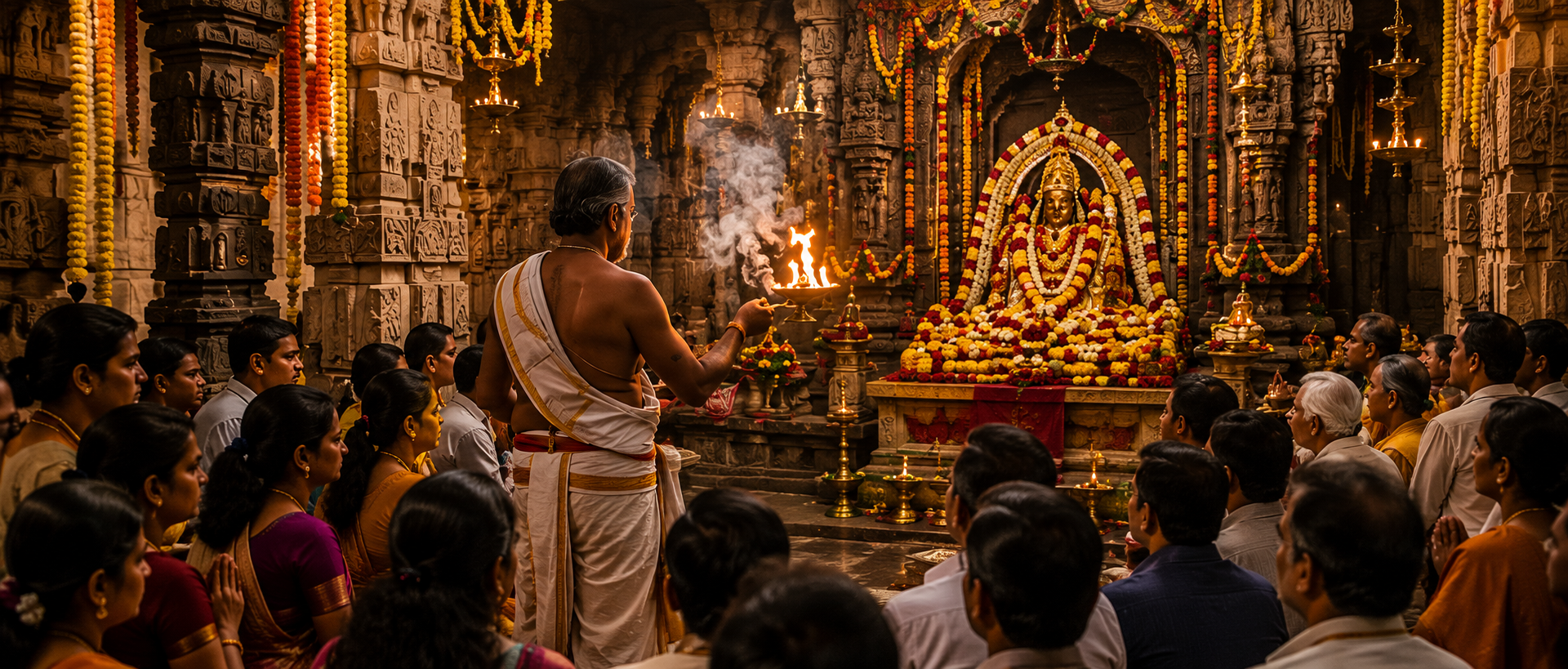
Daily prayers, sacred ceremonies and age-old customs continue to be practised within these sanctuaries.
Many of India's most important religious festivals are centred around sacred places of worship.
Temples, Gurudwaras and monasteries help preserve spiritual knowledge for future generations.
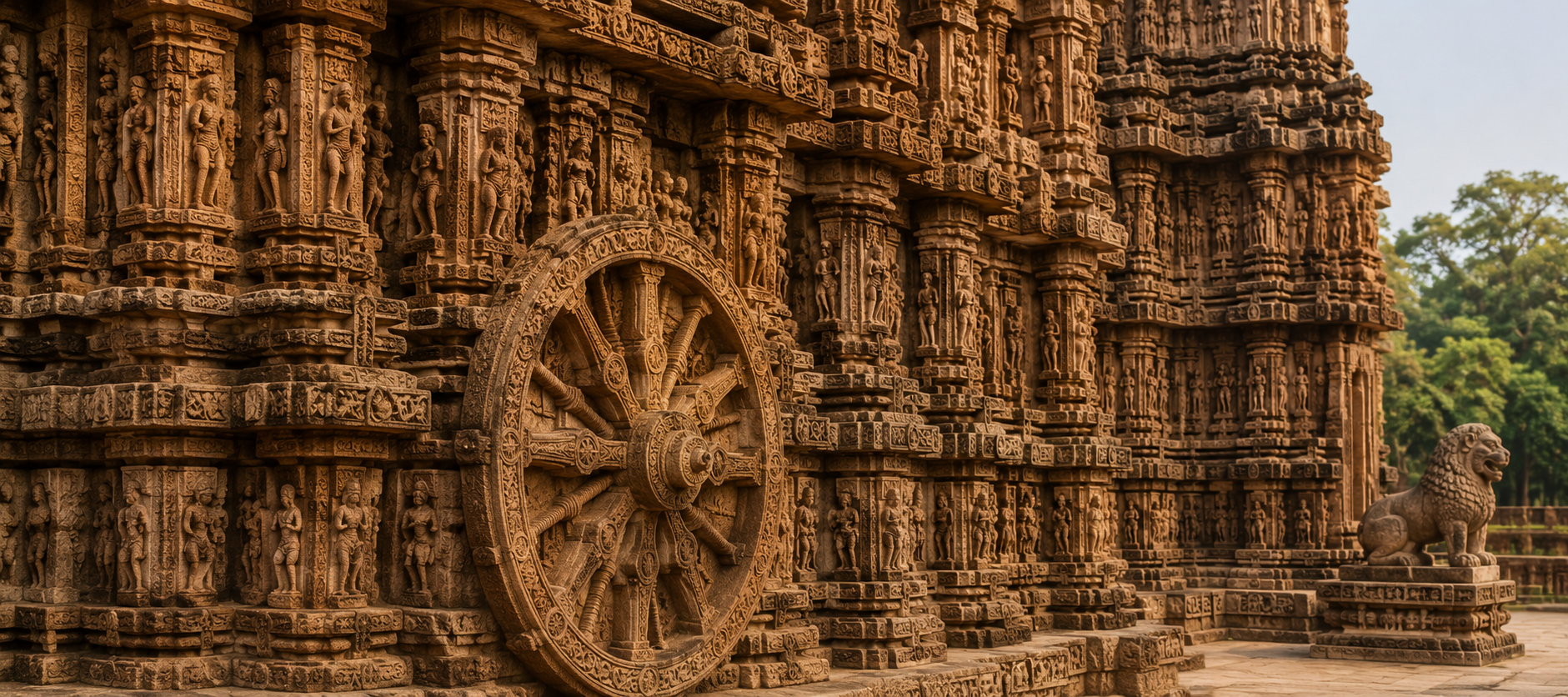
These sacred sites safeguard centuries of architectural, artistic and cultural heritage that reflects India's spiritual legacy.
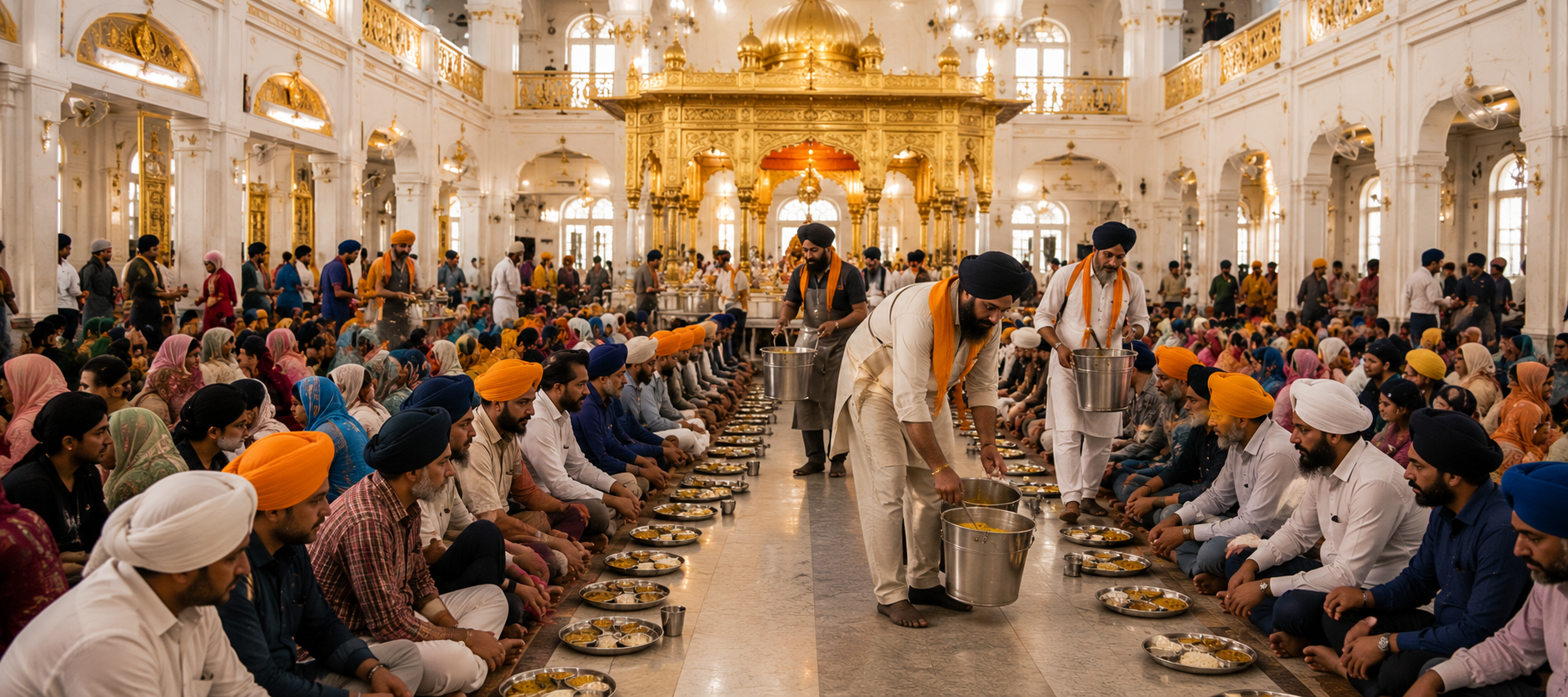
From langars to seva and community gatherings, these sanctuaries continue to bring people together in devotion and service.
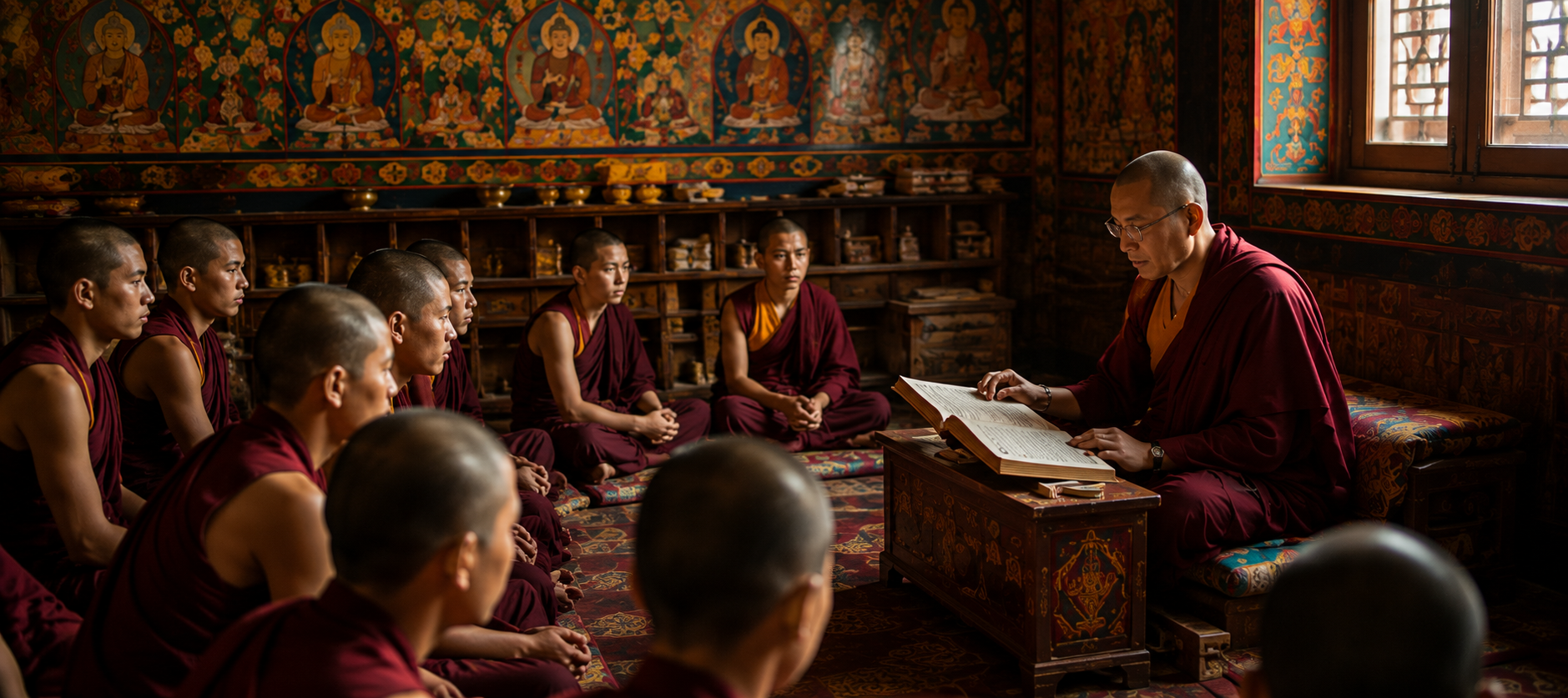
Many sacred places serve as centres of learning, spiritual guidance and discourse, keeping ancient wisdom alive and relevant.
By preserving traditions, nurturing faith and inspiring generations, sacred sanctuaries remain the pillars of India's timeless spiritual heritage.



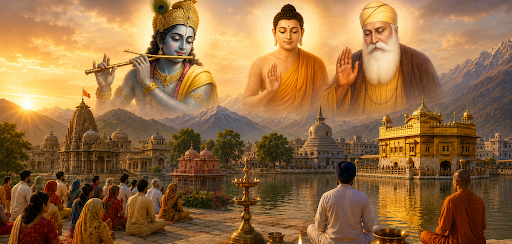
In India, spirituality is not just something reserved for holidays or locked away inside old library books. It is an active part of how people navigate their mornings, their work, and their relationships. Regular people look to ancient texts like the Bhagavad Gita as practical, everyday survival guides for handling stress, balancing hard decisions, and finding a bit of personal grounding. The enduring wisdom left behind by figures like Lord Krishna, Lord Buddha, and Guru Nanak acts like an invisible cultural compass. It constantly reminds everyone to lead with kindness, keep their egos in check, and stay aware of the people around them.
The concept of Hinduism is broad and it includes various spiritual and religious traditions, all of which are unified by following the concept of Dharma. Sanatana Dharma, on the other hand, is an autonym of Hinduism’s certain sects. Karma, Samsara and the four Purusarthas are central themes in Hindu beliefs.
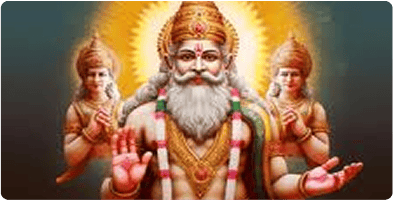
Lord Brahma is the Creator God in Hinduism, associated with knowledge, the Vedas and creation. His earliest mention in Hindu scriptures is in Maitrayaniya Upanishad's fifth Prapathaka as well as later Hindu scriptures like Brahmanda Purana and so on.
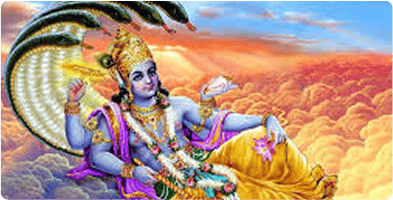
Lord Vishnu, also called Hari & Narayana, is one of the principal Hindu deities. Within Trimurti, Lord Vishnu is known as the "Preserver God". As per Vaishnavism, Vishnu is the supreme being leading all other Hindu deities.
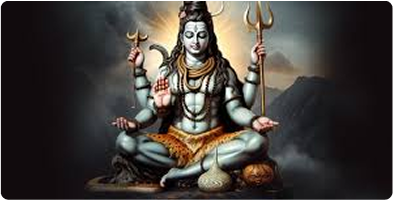
Mahesh is one of the many names of Lord Shiva in Hinduism. As per Hindu beliefs, he is considered the Destroyer within Trimurti. The Shaivism denomination considers him as the supreme being.
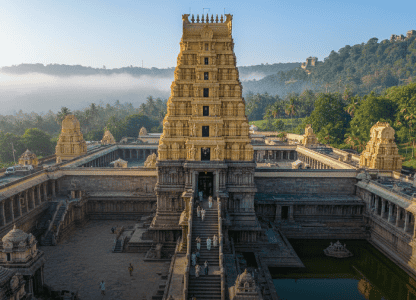
Jainism replaces the concept of a creator God with absolute personal accountability. The entire philosophy centres on freeing your soul through your own actions, knowledge, and everyday conduct. Instead of praying for divine intervention, you follow the practical roadmap left behind by the Tirthankaras, the enlightened teachers who mastered their minds and broke the cycle of rebirth.
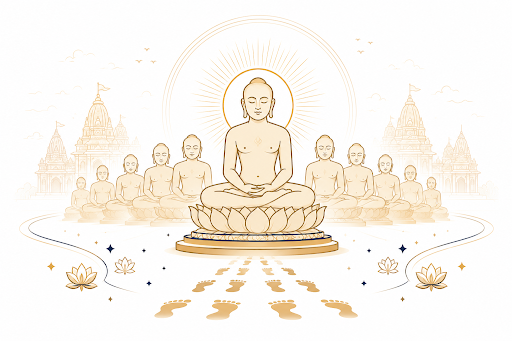
Tirthankaras are spiritually awakened souls who have attained liberation. They serve as teachers and guides, helping others follow the path of discipline, truth, and self-control.
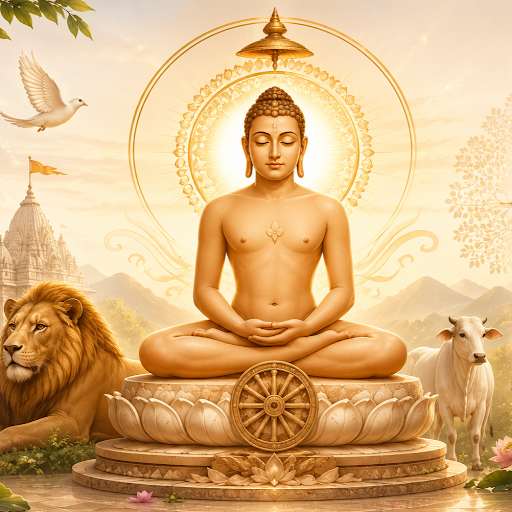
Lord Mahavira is the 24th and last Tirthankara of Jainism. His teachings emphasise non-violence, truth, celibacy, and detachment from material desires.
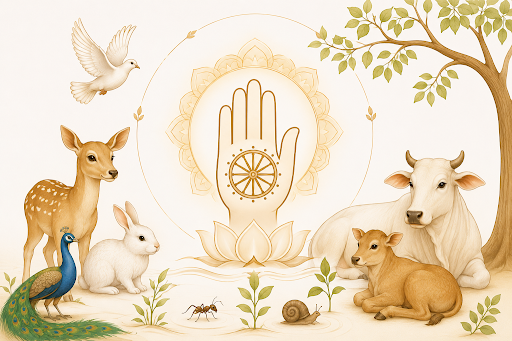
Ahimsa, or nonviolence, is the core principle of Jain belief. It teaches compassion toward all living beings, including animals, insects, and even plant life.
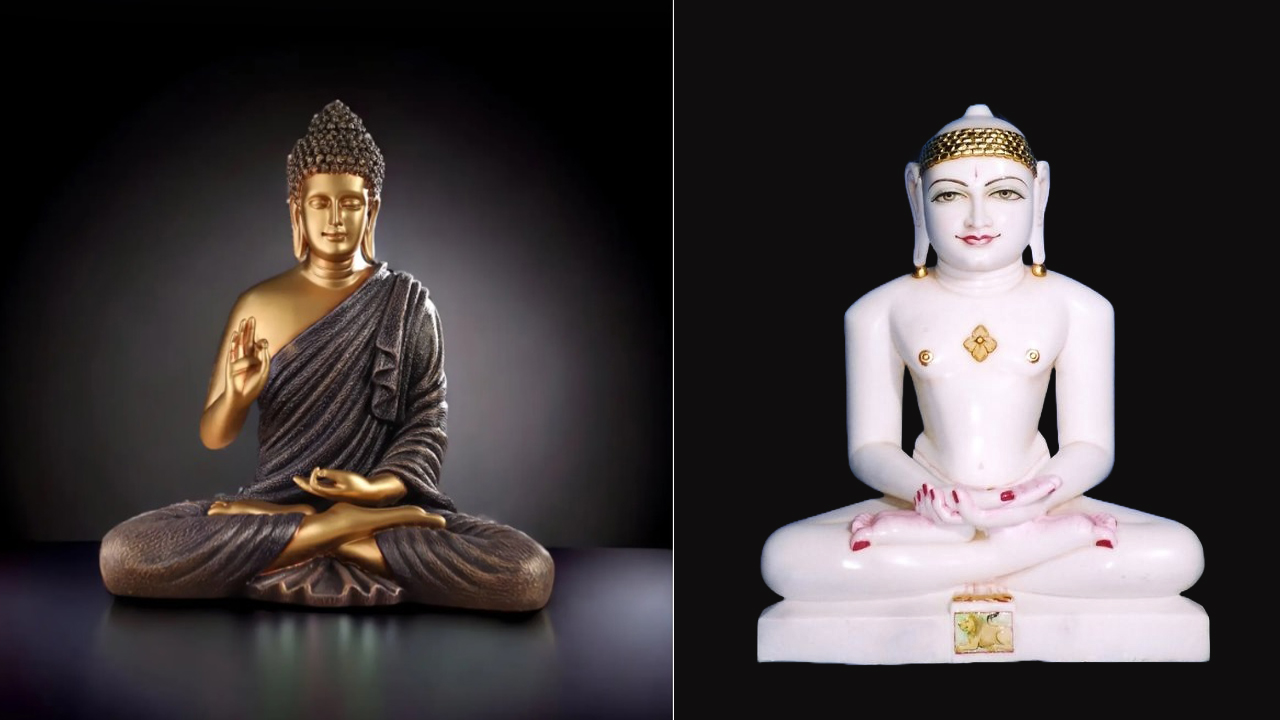
In Jainism, karma is a subtle matter that binds the soul. Liberation is achieved by removing karmic bonds through ethical living and spiritual practice.
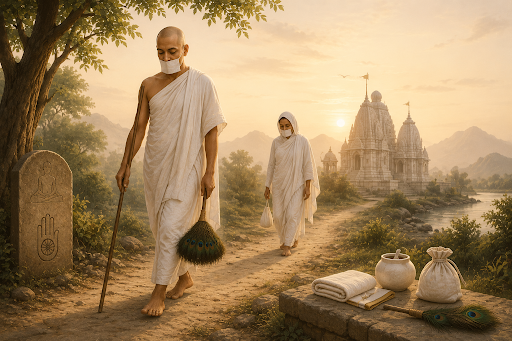
Jain monks and nuns follow strict ascetic practices. Their disciplined lifestyle reflects complete renunciation and dedication to spiritual purity.
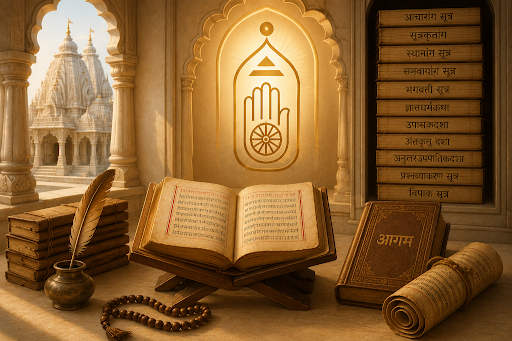
Jain teachings are preserved in texts called Agamas. These scriptures guide followers on moral conduct, meditation, and the path to liberation.
It is a religion and a philosophy based on the teachings of Guru Nanak Dev Ji and nine of his successors. Guru Gobind Singh named Gurugranth Sahib as their successor. It is Sikhism’s central religious scripture, written in Gurumukhi script in Punjabi, Sanskrit, Awadhi, Bhojpuri, etc. 15 bhagats, including Bhagat Namdev, have writings in the Guru Granth Sahib.
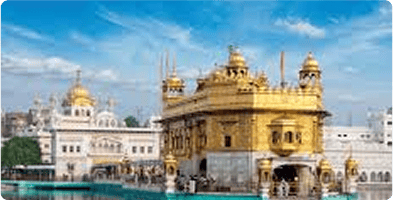
Sri Harmandir Sahib, famously called the Golden Temple, is a Gurdwara in Amritsar, Punjab. It is one of the holiest places in Sikhism. It is known for its stunning golden architecture and daily langar ritual.
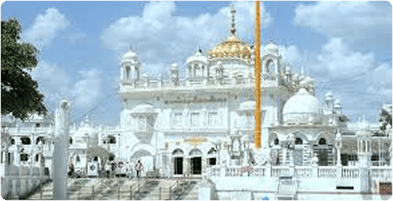
Shri Hazoor Sahib is a revered Gurdwara in Nanded, on the banks of the Godavari River. It is the place where Guru Gobind Singh designated Guru Granth Sahib as the eternal Guru and took his last breath.
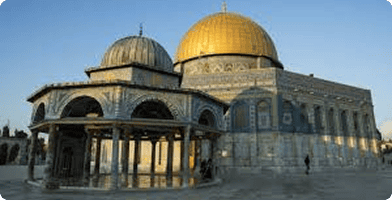
Gurudwara Bangla Sahib was built to commemorate the eighth Sikh Guru, Guru Har Krishan. Many people from all walks of life visit this Gurdwara for Kada Prasad and free langar every day.
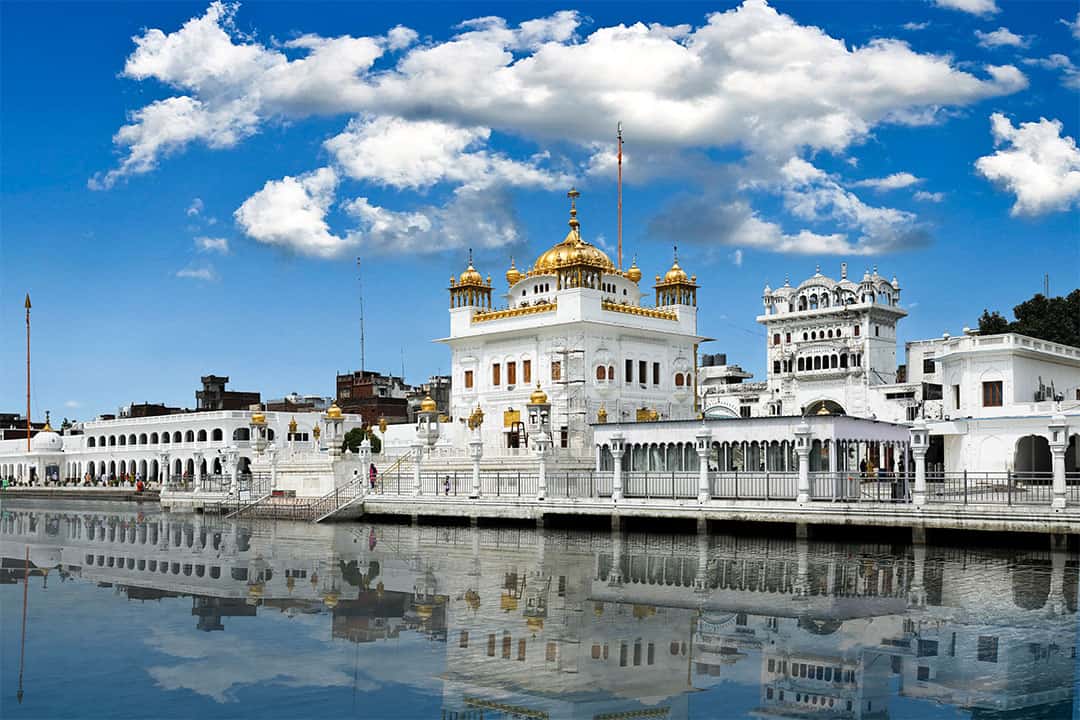
Gurudwara Shri Tarn Taran Sahib is a holy site in Sikhism, built by Guru Arjan Dev, the fifth Sikh Guru. It hosts monthly gatherings on Amavas and has the largest sarovar among all gurdwaras.
Established on the teachings of Lord Buddha, the origin of Buddhism is said to be in or around the ancient Magadha kingdom. Buddhism is based on four noble truths, Dukkha, Samudaya, Nirodha & Marga. Symbolism plays a key role in this religion like the Buddha Statue symbolises enlightenment.
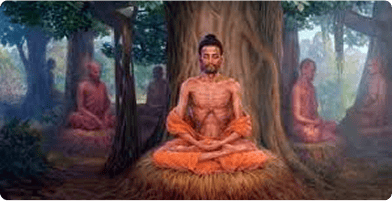
It is one of the principal Buddhist truths. Dukkha is often translated as pain or suffering in Buddhism. It sheds light on the innate nature of transient existence, showing that life is inherently unsatisfactory and marked by suffering.
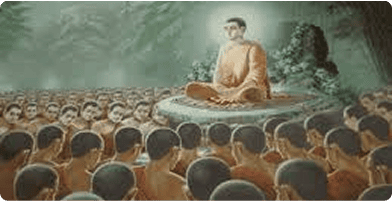
Samudaya refers to the cause or origin of suffering in Buddhism. According to Buddhist philosophy, the truth of Samudaya teaches that suffering arises from desire, craving, and attachment.
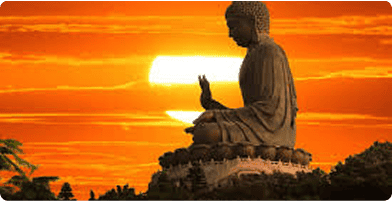
Nirodha means the ending or cessation of suffering in Buddhism. It teaches that by letting go of desire and attachment, one can overcome suffering and attain liberation.
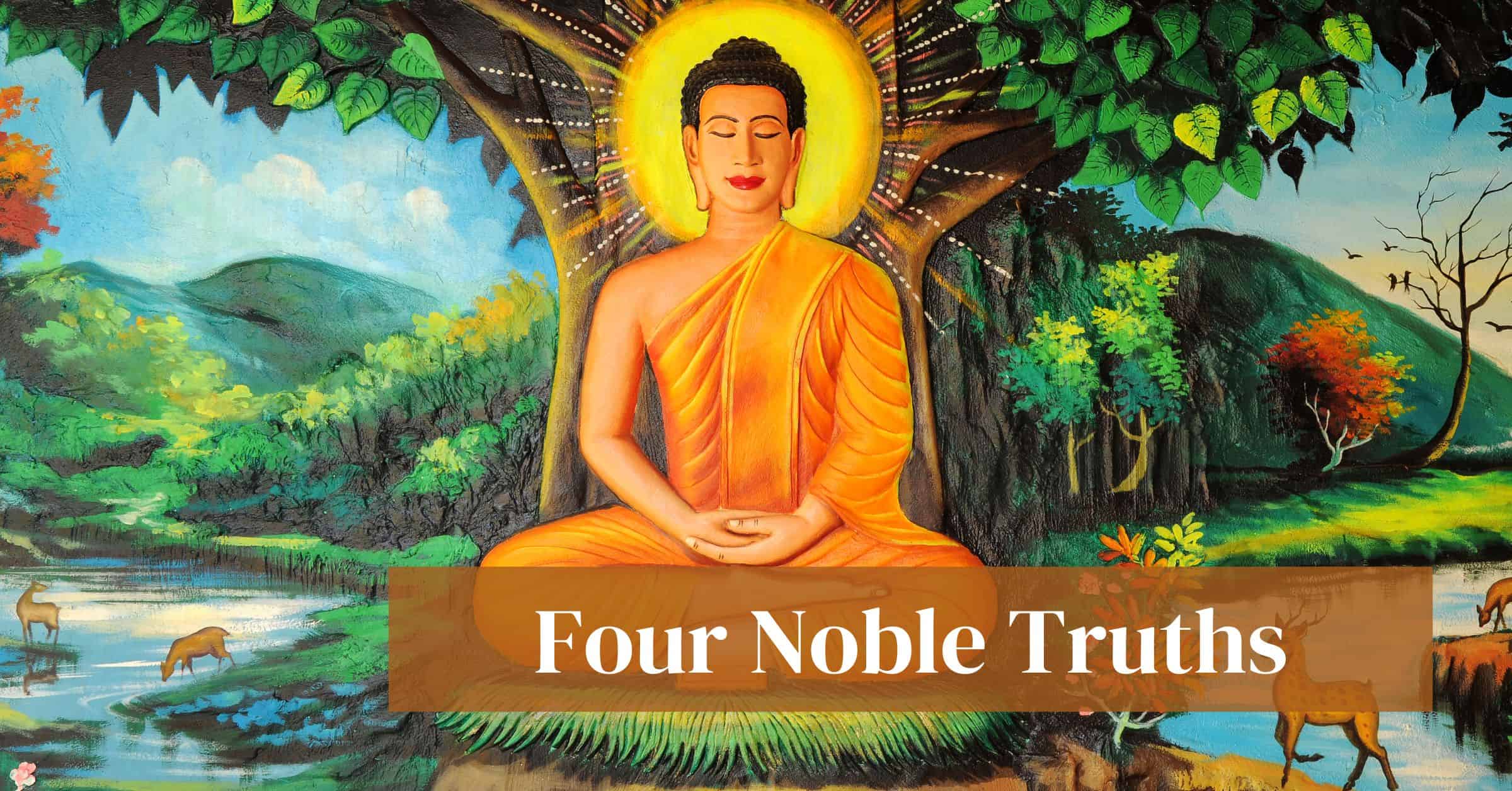
Magga, also known as the Noble Eightfold Path, provides the practical path to overcome craving and achieve enlightenment. Together with the Four Noble Truths, it forms the foundation of Buddhist teachings.
India is home to several famous holy shrines that attract pilgrims and travellers throughout the year. Some of the most revered include the Jagannath Temple in Puri, Tirupati Temple in Andhra Pradesh, Kedarnath Temple in Uttarakhand, Somnath Temple in Gujarat, Golden Temple in Amritsar, and Mahabodhi Temple in Bodh Gaya. These sacred destinations represent India's diverse religious traditions, cultural heritage and spiritual significance.
Some of the most important religious places to visit in India include Varanasi, Ayodhya, Haridwar, Rishikesh, Mathura, Vrindavan, Amritsar, Bodh Gaya, Puri and Rameswaram. These destinations are known for their ancient temples, sacred rivers, monasteries, Gurudwaras and religious traditions. Each destination offers a unique spiritual and cultural experience for visitors.
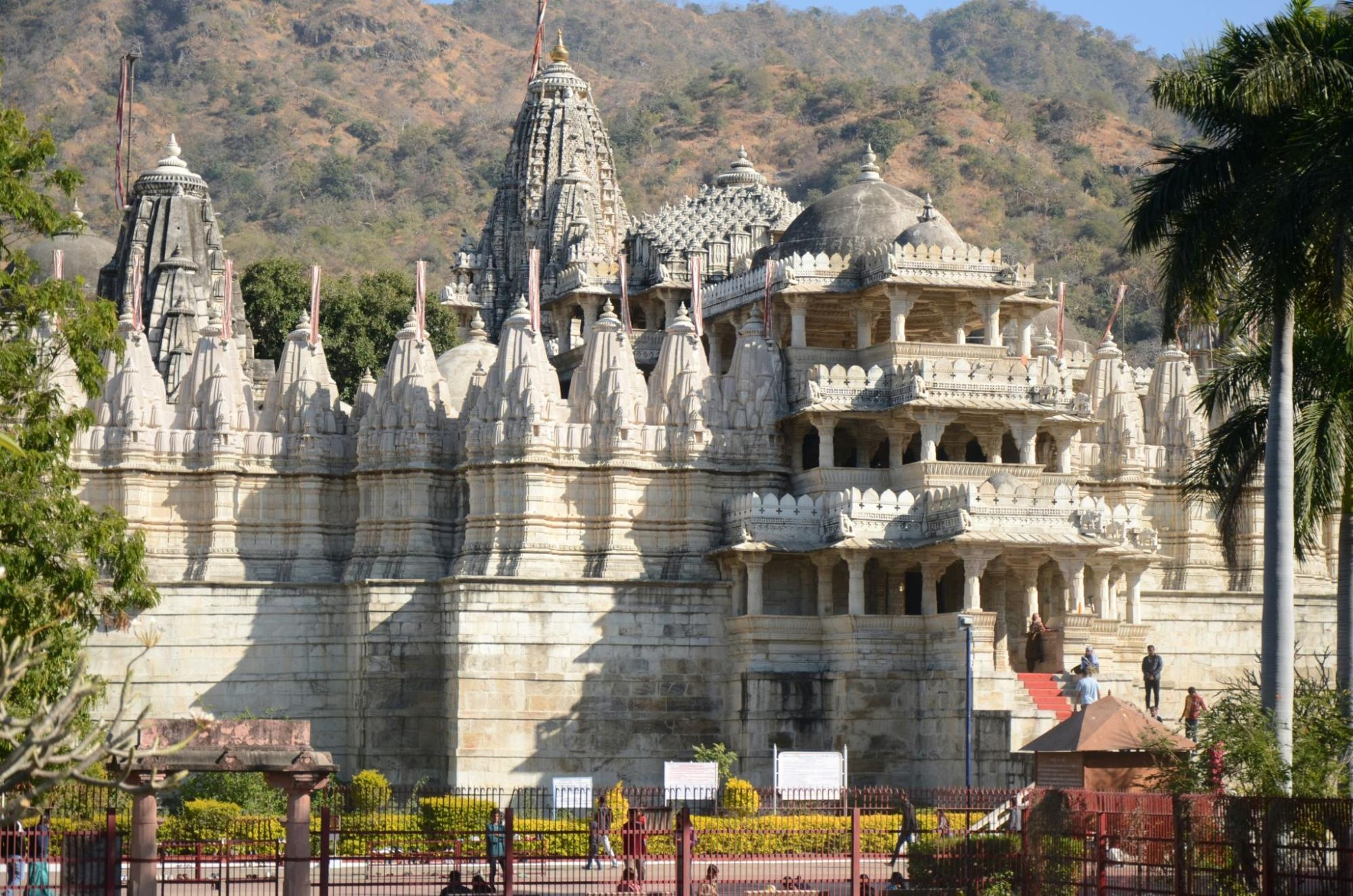
India has several types of holy shrines associated with different religions and spiritual traditions. These include Hindu temples dedicated to Lord Vishnu, Lord Shiva, Lord Krishna and Goddess Durga, Sikh Gurudwaras, Jain temples, Buddhist monasteries and sacred pilgrimage sites. Popular examples include Tirupati Temple, Kedarnath Temple, Golden Temple, Dilwara Jain Temples and Mahabodhi Temple.

It was a pleasure traveling with Thomas Cook again—first Europe, now Vietnam—both trips were fantastic! We loved the hotels, itinerary, food, and especially Tour Manager Dr. Mehak's engaging guidance.
Looking forward to more memorable trips with Thomas Cook.

Geetha Guruswamy
January, 2026
My family and I enjoyed a wonderful Europe holiday with Thomas Cook last Christmas. The entire trip was well‑planned, seamless, and truly memorable.
We also appreciate the smooth handling of our visa process, which made our journey even easier. We plan to do more such holidays with you.

Lawrence Yesudass
December, 2025
My recent trip with Thomas Cook was flawless—perfectly planned and executed. The culinary experiences were a highlight, from authentic Indian and Korean cuisine to the delicious meals at our hotels, the dining arrangements were excellent.
Special thanks to Tour Manager Nishat Katre for his knowledge, support, and care. This first trip with Thomas Cook was memorable, and I look forward to many more!
Arpita Biswas
January, 2026
My first trip with Thomas Cook to Garvi Gujarat was outstanding—excellent food, comfortable hotels, and well-planned sightseeing.
Huge thanks to Tour Manager Pratik Bhoir for his professionalism and quick help when my mother needed medical care. The Soil to Soul Resort was exceptional too! Can't wait to travel with Thomas Cook again!

Chandrasekhar Keshawara
December, 2025
My fifth tour with Thomas Cook since 2020 was as wonderful as ever – worry-free with exceptional service and value. Australia-New Zealand was extra special thanks to Tour Manager Dimple Chopra. Her professional yet caring approach felt like traveling with family.
I hope to have her guide me again on future trips. Thank you for another memorable experience – looking forward to many more!
Sharda Gawar
December, 2025
Thank you Thomas Cook! It was impeccable!! All your arrangements right from Visa, Ticketing (incl. local). Airport Transfers, Boarding/Stay, Sightseeing (incl. Cruise Trip) & English-speaking Guide for our trip to Vietnam and Cambodia during the first half of January, 2026 were excellent. My daughter (from Australia) and I thoroughly enjoyed the trip.
K RAJENDRAN
January, 2026
Our Malaysia-Singapore tour with Thomas Cook was wonderful, thanks to Tour Manager Aurelius Almeida. His expert handling of our diverse group and well-paced itinerary made the trip seamless and enjoyable.
We truly appreciate his professionalism and dedication. Looking forward to more trips with Thomas Cook and outstanding managers like him!

Ram Sankar
November, 2025
Thanks you Thomas Cook for providing the amazing Kashmir itinerary. It's was a very good trip and we thoroughly enjoyed it. It was perfectly organised and designed for us.
Though we did a lot of re work on the itinerary, however Thomas Cook team maintained the patience and provided the best possible experience. Thanks to all involved in the planning.
Swadhinta Raj
February, 2026
Thomas Cook made our Andaman trip absolutely effortless and memorable. The itinerary was perfectly balanced—scenic beaches, peaceful sunsets, and unforgettable adventures.
Everything from the itinerary to the Tour Manager support was perfectly organised. A smooth, beautiful vacation we’ll always cherish!
Shreya Ghoshrawat
January, 2026
I would like to take a moment to express my sincere gratitude to the entire Thomas Cook team for the wonderful support provided throughout our Himachal trip. Everything was managed smoothly, making the trip truly stress-free for all of us.
This experience has reinforced our trust in Thomas Cook, and we look forward to travelling with Thomas Cook for all our future trips in the years to come, creating many more wonderful memories together.
Pradeep R
December, 2025
Grateful to Thomas Cook and Partha for their excellent and consistent support throughout our Amarnath Yatra. With God's grace, we completed the journey safely and smoothly.
The thoughtful arrangements, seamless coordination, and timely assistance provided made the entire experience truly memorable and spiritually fulfilling.
Bharati D Patil
April, 2025
We completed our Chardham Yatra by helicopter on 6th June 2025 as a group of six. Despite initial hiccups and weather challenges, the Thomas Cook team ensured smooth darshan and timely return to Dehradun. A special thanks to Mr. Mandar for ensuring that my husband and I could continue the journey together after completing the first two dhams.
Kanan Nanavati
June, 2025India is home to an incredible network of holy shrines and pilgrimage routes that have drawn seekers for thousands of years. You will find everything here, from massive, bustling temples tucked away in historic cities to quiet, hidden monasteries surrounded by nature. None of these places is just tourist stops. Every single shrine carries its own unique history, local rituals, and raw spiritual energy that defines the very rhythm of daily life in India.
People don't just visit these shrines to check them off a travel bucket list; they come seeking a moment of genuine stillness. The second you step into these spaces, the combination of chanting, ancient architecture, and columns of burning incense forces you to slow down and breathe. Beyond the religious aspect, these sites act as a cultural window into India's living history. Watching rituals that have remained unchanged for generations has a way of resetting your perspective. It is the kind of travel experience that sticks with you, leaving you with a lasting sense of clarity long after you have returned home.

 Tacy