Ask ten people what the best time to visit Leh Ladakh is, and you'll get ten different answers. All correct, weirdly.
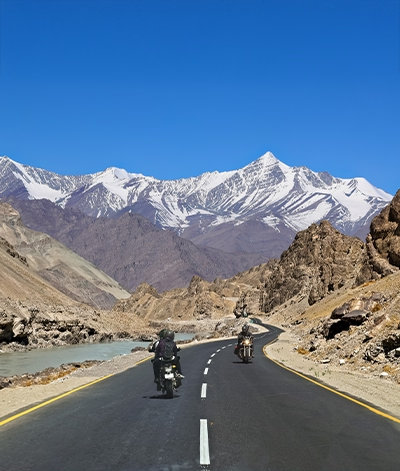
A biker chasing the Leh-Manali highway wants July, full stop. A photographer after the frozen Zanskar River wants January, arguably the worst month for everyone else on this list. A family that just wants blue skies, clean air, and zero altitude drama is usually happiest in September. Nobody says this plainly enough online: Leh Ladakh tourism doesn't have one peak season. It's got several, stacked and pulling in different directions.
This guide goes month by month, explains why Ladakh weather behaves nothing like the rest of the Himalayas, and matches specific experiences (biking, trekking, festivals, stargazing) to the actual weeks that work best. Whether you're comparing Ladakh tour packages for a honeymoon or planning a solo bike run with a duffel bag and a spare fuel can, the right window's in here somewhere with Leh Temperature consideration.
Skip straight to the row that matches your dates to get the best time to visit Leh Ladakh.
|
Season |
Months |
Weather |
Ideal For |
Avoid If |
|
Summer/Monsoon |
July-August |
24-25°C days, mild nights |
Biking, festivals, every road open |
You hate crowds or want cheap hotels |
|
Winter |
December-March |
-15°C to 6°C, often sub-zero |
Chadar Trek, snow leopards, empty monasteries |
Extreme cold and closures aren't your thing |
|
Spring/Early Summer |
April-June |
12-21°C days, near freezing nights early on |
Monasteries, thawing lakes, thin crowds |
You need Pangong/Nubra fully open (Manali road still shut in April) |
|
Autumn |
September-November |
7-21°C, dropping fast |
Photography, quiet sightseeing |
You need late-season full pass access |
Leh Ladakh climate is technically a cold desert. Sounds like a contradiction until you're standing there at 3,500 metres with dust on your boots and snow on the peaks right behind you.
Why so dry? Well, the Himalayas and Zanskar range block almost all monsoon moisture coming up from the plains. Ladakh gets around 100mm of rain a year, total. Mumbai can beat that in a single July afternoon.
1. Leh sits at roughly 3,500m
2. Air's thin enough that 18°C in direct sun feels aggressive on skin within minutes.
3. Khardung La and Chang La push past 5,300m
4. Close to 300 clear days a year, so UV exposure and dehydration hit faster than people expect
Fun fact: locals in Leh often carry a down jacket in their daypack even at the height of summer. Not habit, necessity.
The real signature of Ladakh weather, though, is the day-night swing. A June afternoon might hit 21°C in the sun. By 9 pm, it's down to 5°C or lower. Same day. Pack for both, every single day, because you'll need to.
Numbers do more work when it comes to Ladakh temperature than adjectives ever could. Here's average day and night Leh Ladakh temperature, month by month. Remote spots like Pangong or Zanskar run colder still, especially at night.
|
Month |
Day (°C) |
Night (°C) |
|
January |
-3 |
-15 |
|
February |
-1 |
-12 |
|
March |
6 |
-6 |
|
April |
12 |
-1 |
|
May |
17 |
3 |
|
June |
21 |
7 |
|
July |
25 |
10 |
|
August |
24 |
9 |
|
September |
21 |
5 |
|
October |
14 |
-1 |
|
November |
7 |
-7 |
|
December |
1 |
-11 |
For this one, let us go season by season specifically so you can decide even faster when to travel to Ladakh:
1. Ladakh Weather in April:
April is the quiet opener. Heavy snow's usually stopped, days climb to around 12°C, nights still dip to -1°C or lower. Most people doing Ladakh in April fly in through Leh's Kushok Bakula Rimpochee Airport since the Srinagar-Leh road only opens later in the month, and Zojila Pass can throw a fresh snow tantrum without warning.
2. Ladakh Weather in May:
May brings the Srinagar-Leh road open, generally. But early-May driving is slow going, slushy from melt, with occasional small landslides. Ladakh in May sits around 17°C by day. The best time to visit Leh Ladakh for monastery visits actually; interiors are near-empty, and leftover snow patches on the passes make for genuinely great photos before the July crowds show up.
3. Ladakh Weather in June:
June is where the switch flips. The Leh-Manali highway via Rohtang typically clears by early-to-mid June, though this shifts a week or two most years depending on the previous winter's snow. By mid-June, the low-altitude snow's mostly gone, so lakes, stupas, and monasteries all open up to Ladakh in summer. Ladakh in June is honestly one of the best time to visit Leh Ladakh, making it “THE” pick for road trips; everything's drivable, and the crowds haven't peaked yet.
Random thing worth knowing: hotel prices start climbing fast from June onward. Booking two to three weeks ahead isn't paranoia, it's just how it works here.
Here's the bit that trips up first-timers. Ladakh weather in monsoon looks nothing like monsoon anywhere else in India. The rain shadow blocks nearly all the moisture off the plains, so July and August only see about 15mm of rain each, spread across maybe two rainy days a month. That's exactly why so many people pick this window while the rest of the country is drowning.
1. Ladakh Weather in July:
July brings the year's warmest Leh Temperature, 25°C by day. Every pass is open. Hemis Tsechu, with its striking monk mask dances, usually falls somewhere in this stretch. Ladakh temperature in monsoon can still throw the odd overcast afternoon, but real rainfall stays rare.
2. Ladakh Weather in August:
August stays close behind, around 24°C by day. River levels run higher through mid-month, though, snowmelt plus the odd monsoon spillover feeding the Indus and Zanskar. Ladakh in August is when rafters and campers near riverbanks should actually check local conditions first, not just assume it's fine because the sky looks clear.
Fun fact: Delhi gets roughly 17 times more rain than Leh during this same period. Same country, completely different sky.
This is also, unavoidably, the priciest and most crowded stretch of the year. If cost is the deciding factor in your best time to visit Ladakh, look elsewhere on this page.
1. Ladakh Weather in September:
September is the month locals actually recommend, if you ask them directly instead of Googling it. Crowds drop off fast after August. Skies stay sharp and clear. Days hover around 21°C, warm enough to still enjoy properly. It's harvest season too, and the Ladakh Festival in Leh brings out music, dance, colour, the stuff peak-season tourists usually miss entirely. Ladakh in September also tends to have smoother roads, less churned up than after a full summer of traffic.
2. Ladakh Weather in October:
October cools down noticeably. Days average 14°C, nights drop to around -1°C. Both major highways typically stay open through the month, which makes Ladakh in October arguably the best month to visit in Leh Ladakh for full road access minus the July queues. The light gets sharper too, poplar trees turning gold against bare brown hills. Genuinely one of the better photography stretches of the year.
3. Ladakh Weather in November:
November is the wind-down. Days sit around 7°C, nights well below freezing. Hotels and restaurants across Leh start shutting one by one. Roads are technically still open, but black ice starts creeping in by late month, and most experienced drivers just avoid it by then. Ladakh in November works if you're after a quiet, cold, low-key trip, not a scenic drive.
1. Ladakh Weather in December:
December is brutal and, honestly, kind of beautiful for it. Ladakh in December cuts Leh off from road access almost entirely. Days average 1°C, nights drop to -11°C or worse. Oddly enough, it's also local wedding season, since farm work has stopped and families have time free. Ladakh in December draws a small, specific crowd chasing snow-blanketed monasteries and near-total silence.
2. Ladakh Weather in January:
Ladakh in January is statistically the coldest, -3°C by day, -15°C by night. And yet this is exactly when the Chadar Trek across the frozen Zanskar River happens, a walk that literally does not exist any other month. Ladakh in winter is also prime snow leopard season, cats coming down into lower valleys hunting for food, drawing photographers willing to sit in sub-zero cold for hours on end just for one shot.
3. Ladakh Weather in February:
Ladakh in February stays similarly severe, around -1°C by day, though the Chadar Trek often runs into its most reliable ice conditions right before the thaw starts.
4. Ladakh Weather in March:
March is the turning point. Days climb to about 6°C, nights still hover near -6°C. Ladakh in March is a bit of a gamble, honestly; some years bring a late snow dump, other years an early thaw kicks in. Rewards flexible planning more than fixed dates.
Pro tip: across the whole chaotic Ladakh temperature in winter stretch, Chang La and Khardung La can shut for a day or two after heavy snow. Always build in a spare day. Always.
July-August is the best time to visit Ladakh, once Rohtang and Baralacha are fully clear and both highways are running unrestricted.
Mid-January to late February is the best time to visit Ladakh, when the Zanskar's ice sheet is thickest and safest underfoot.
June-September; September gives the clearest reflections and the thinnest crowds. Pangong's technically reachable in winter too via Chang La, just frozen solid and a completely different sight.
Hemis Tsechu falls in June or July depending on the lunar calendar; winter festivals like Spituk Gustor and Matho Nagrang run December to February.
October-March, when the air's driest and clearest. Bring serious cold gear; the sky's incredible but your fingers won't thank you.
Late March into April, mostly around Sham Valley villages like Basgo and Likir.
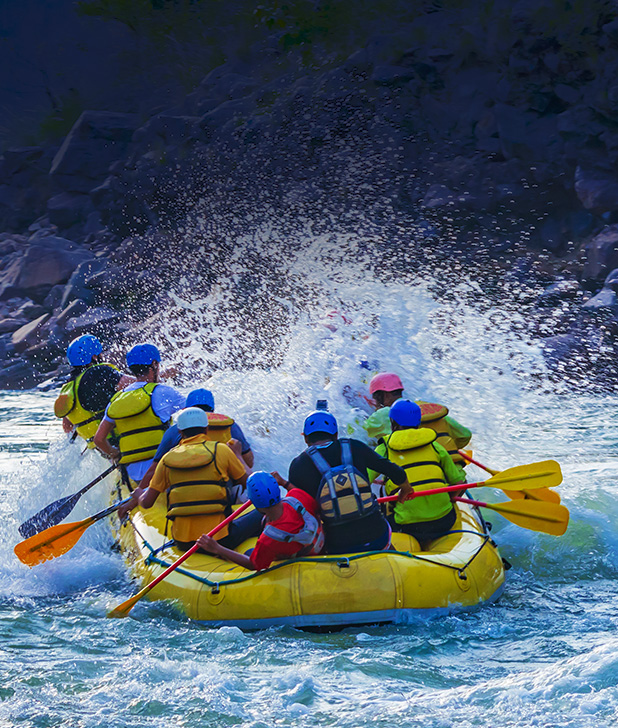
July-August, water levels highest and safest for guided runs.
June or September. Avoids the harshest cold and the worst of the thin-air, peak-crowd combo.
Leh Ladakh climate isn't one zone, whatever the tourist maps make it look like.
Anyone building a trip around Zanskar specifically should treat it as its own separate calendar, not an add-on to a normal Leh itinerary.
The short version: just because Leh's open and pleasant doesn't mean the rest of Ladakh is following along.
Planning Tips Based on When You're Going
Yes, at night. Daytime Leh Temperature in June and July hits a comfortable 21-25°C, t-shirt weather in direct sun. But once the sun drops, it falls fast, often into single digits by 9 pm. Ladakh temperature in summer swings harder between day and night than most people expect, so a jacket stays useful even in the hottest month.
January and February, typically, feeding straight into Chadar Trek conditions on the frozen Zanskar. December can bring big early-season dumps too, though it's usually less consistent than the Jan-Feb stretch.
Yes, though it's a different trip entirely. Internal roads, including routes to Nubra and Pangong via Chang La and Khardung La, generally stay open, while the highways connecting to Manali and Srinagar shut down completely. Flights become the only reliable way in and out. A lot of hotels and restaurants close for the season, but every village still has somewhere to eat and sleep.
Not really, and this catches a lot of first-time planners off guard. Because of the rain shadow effect, Ladakh in monsoon only sees light, occasional rain, nothing like monsoon conditions elsewhere in India. Ladakh in July and August are actually peak tourist months precisely because it stays dry and warm while the rest of the country floods.
Srinagar-Leh usually opens in April, sometimes sliding into early May depending on snow at Zojila. Leh-Manali, via Rohtang and Baralacha, generally opens late May to early June. Both stay drivable through October, closing again as winter snow moves in through November.
June through September for the most reliable access and that famous turquoise-blue water, making it one of the best seasons to visit in Ladakh; September often gives the calmest, least crowded visit. Winter visitors can still reach it, minus the blue, plus a completely frozen lake instead. Different, but still worth seeing.
Mid-January through late February, once the Zanskar's ice sheet has thickened enough to hold a trekker's weight safely the whole route. Early January or March run riskier, thinner or less predictable ice.
Can be, with the right prep. It's genuinely demanding though: extreme cold, altitude, limited services, tough on families with young kids or anyone with health concerns. Couples drawn to the snow-covered quiet for a honeymoon often find it kind of magical, provided they're actually prepared for sub-zero nights and unpredictable flight schedules.
Late autumn (November) and winter, minus the Chadar Trek window, tend to have the lowest flight and hotel prices since demand drops off hard once the highways close. Shoulder months like May and late September also offer a decent balance between good Ladakh weather and lower rates compared to the July-August peak.
For July-August, three to four months ahead given how fast flights and popular Ladakh tour packages fill up. Shoulder-season trips in May, June or September can usually get away with three to four weeks' notice. Winter trips need less lead time for availability but should still carry a buffer for likely flight delays.